.png?x-oss-process=image/resize,h_500,m_lfit/format,webp)
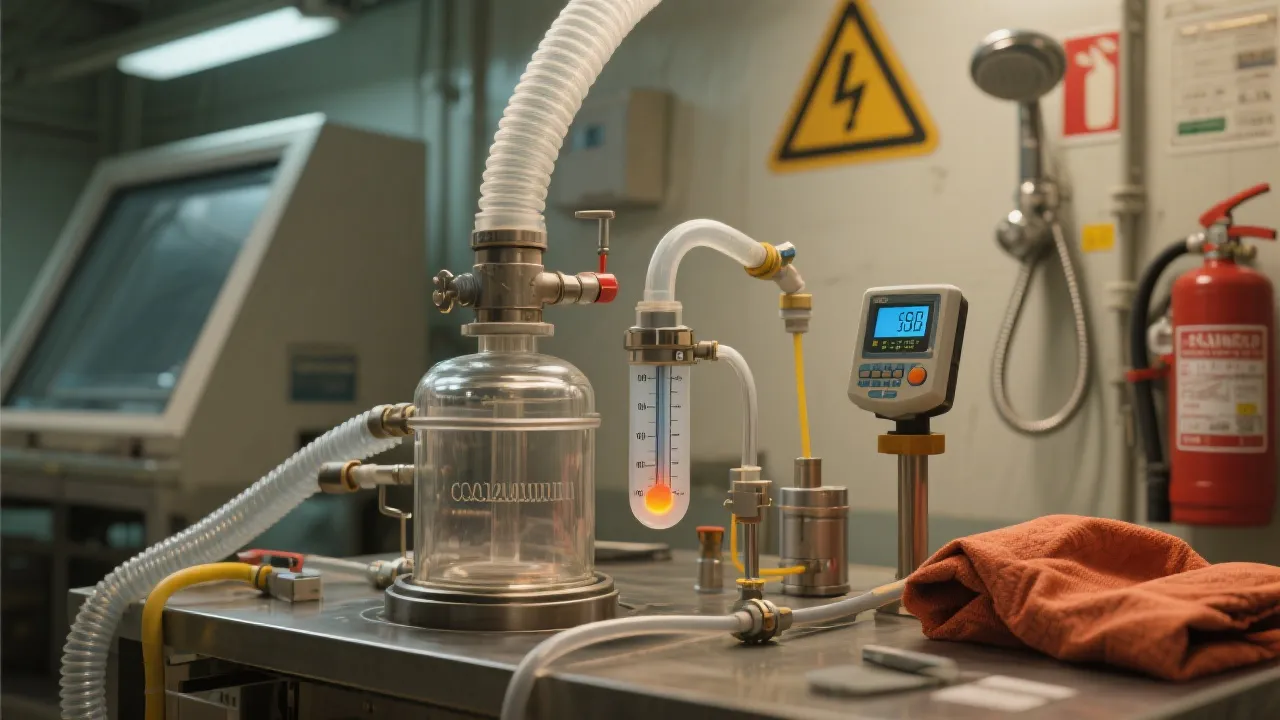
As a welding technician with years of hands-on experience, I know how critical a stable acetylene flow is when working with calcium carbide for oxy-acetylene welding. Unstable gas flow not only compromises weld quality but also jeopardizes safety in industrial operations. In this article, I’ll walk you through key factors affecting carbide acetylene stability, provide actionable solutions, and share essential safety and maintenance tips. 💡
The acetylene flow instability commonly encountered during calcium carbide hydrolysis results mainly from fluctuations in gas pressure and inconsistent flame temperature. Factors influencing this include the particle size of calcium carbide, water temperature and dosage ratio, and the choice between continuous or intermittent acetylene generators. Even slight deviations can cause pressure drops or impurities, leading to sputtering flames or inconsistent heat output.
> 💡 Pro Tip: Maintaining water temperature around 30°C optimizes acetylene generation rate and stability.
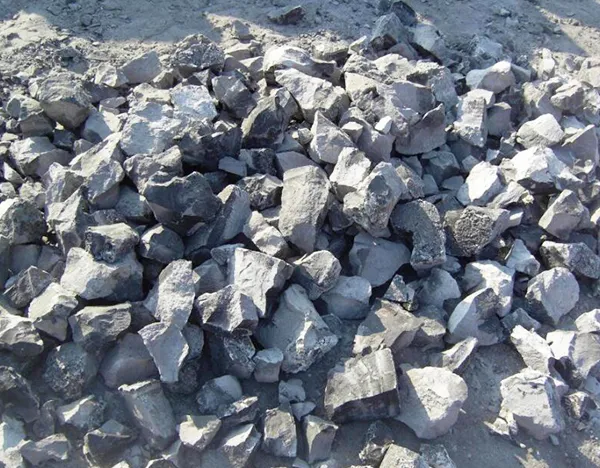
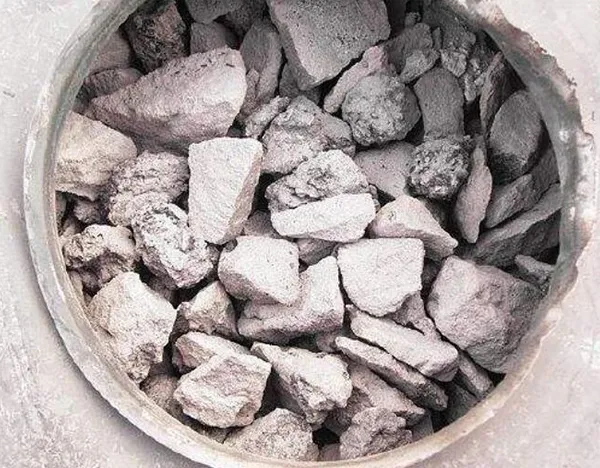
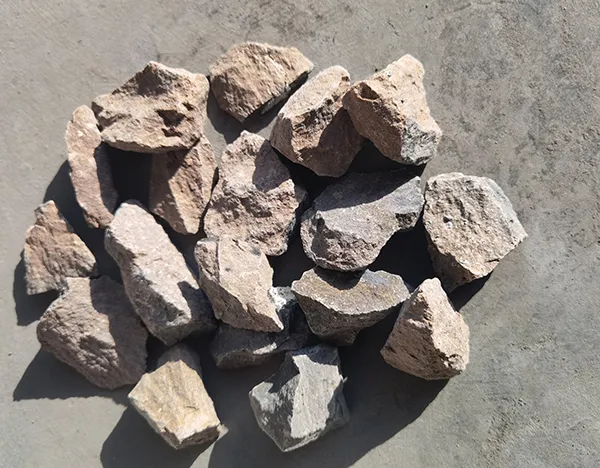
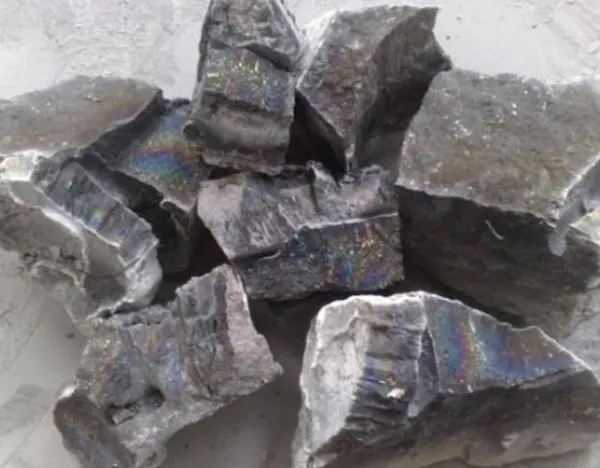
Precise control of carbide granularity is vital. Particles ideally sized between 2 to 5 mm ensure a steady reaction rate with water. Oversized chunks delay gas release, while powdery particles cause rapid, unpredictable surges.
From my practice at Longwei Chemical, adjusting the water-to-carbide weight ratio to around 0.4:1 has proven effective. Gradually adding water at a controlled rate prevents sudden pressure spikes. Using a calibrated drip valve or controlled pump to feed water into the generator can significantly smooth gas flow.
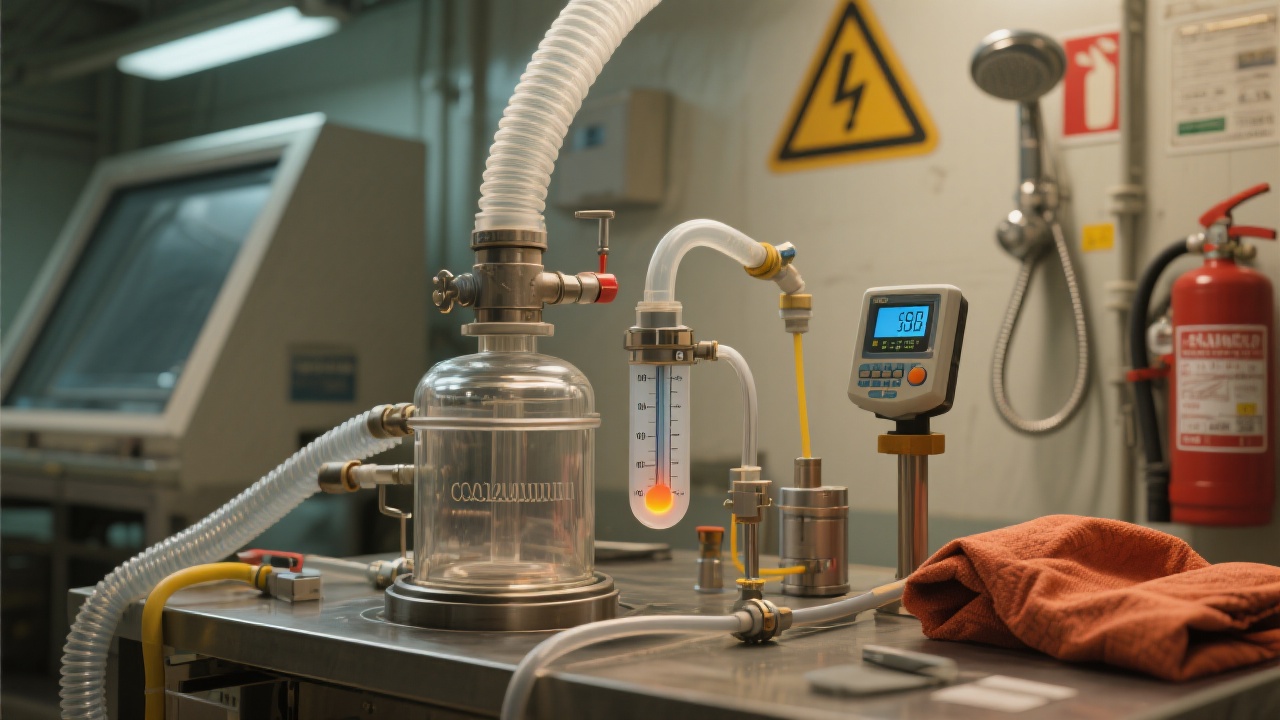
There are two primary generator types: continuous and intermittent. Continuous generators maintain a steady carbide-water reaction but require precise feed mechanisms. Intermittent generators are simpler but prone to fluctuations during reaction cycles.
For projects demanding high stability and longer welding durations, continuous units offer superior flow consistency, reducing downtime and risks of flame extinction.
Impurities such as phosphine or hydrogen sulfide often contaminate carbide or water, affecting flame quality and safety. Visual indicators include discoloration or presence of particulate matter in the generator's gas outlet; scent detection can reveal sulfurous smells.
Use simple portable gas analyzers to measure acetylene purity regularly — an acetylene concentration above 95% is recommended for optimal welding performance.
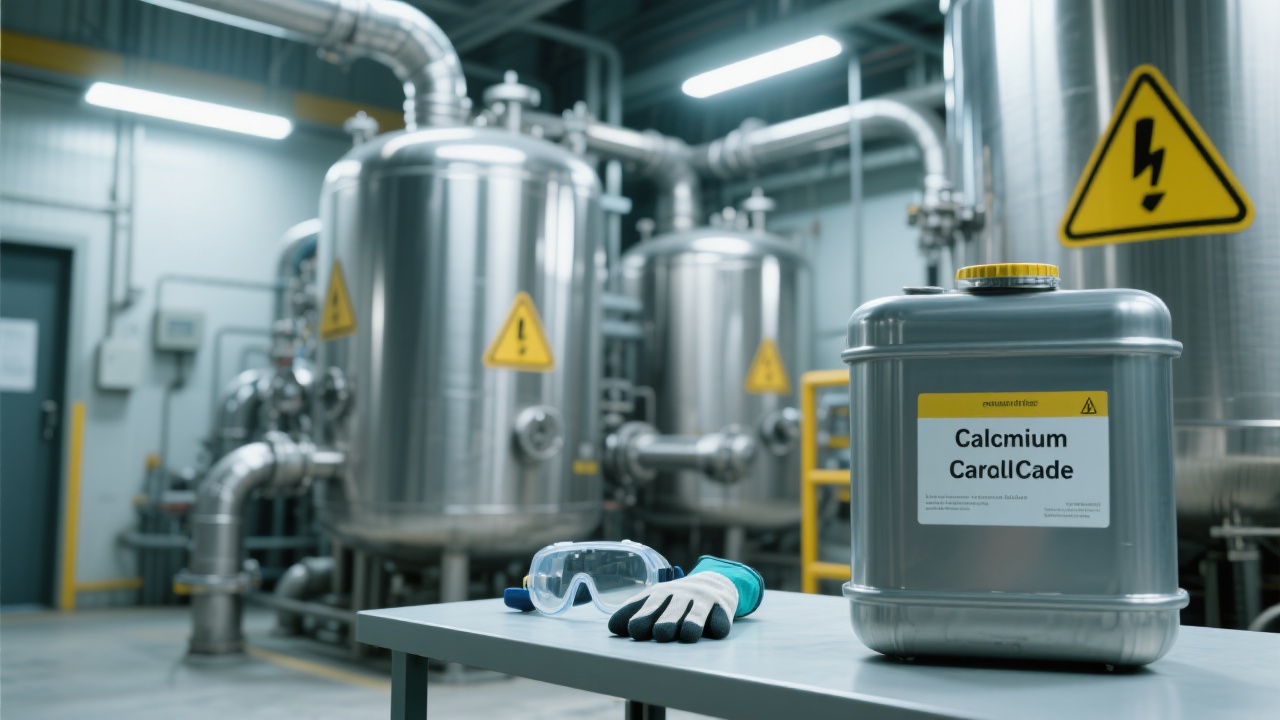
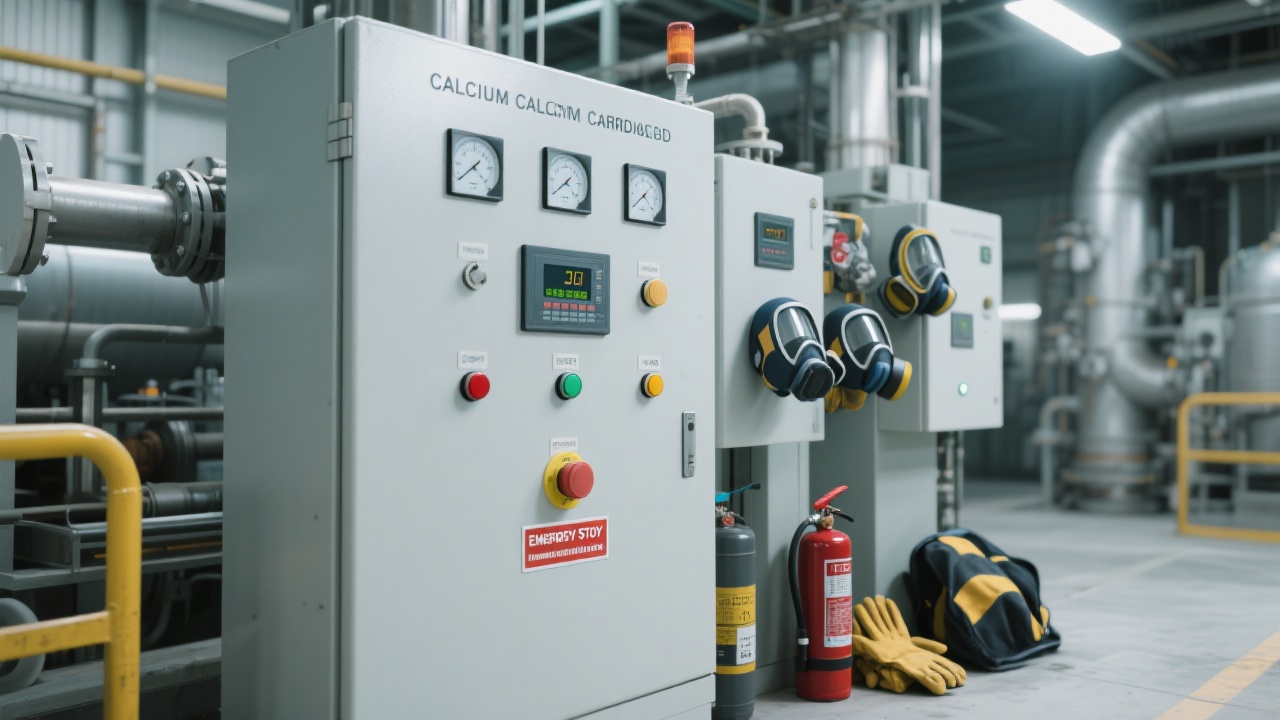
Working with acetylene from calcium carbide demands rigorous safety protocols. Key measures include:
> 💡 Important: Regularly replace generator sealing components every 6 months to minimize leak risks.
Proper upkeep improves equipment lifespan and environmental safety. A typical maintenance checklist includes:
Have you encountered challenging acetylene flow issues or developed effective troubleshooting strategies? 💡 Feel free to leave your questions or share your experience below. Your interaction enriches our professional community and aids continuous improvement!
 113
|
113
|
 high-purity calcium carbide
calcium carbide suppliers
industrial chemical applications
74
|
calcium carbide
high melting point calcium carbide
calcium carbide solutions for industrial challenges
applications of calcium carbide in high-temperature environments
calcium carbide electrical conductivity
calcium carbide purity stability
calcium carbide water reaction
calcium carbide ammonia processing
calcium carbide wholesale supply
41
|
calcium carbide storage
electrochemical warehouse management
acetylene gas safety
industrial chemical handling
safe storage of calcium carbide
278
|
calcium carbide storage
calcium carbide safety
warehouse site selection for calcium carbide
chemical raw material storage
calcium carbide preservation methods
430
|
Calcium carbide desulfurization process optimization
Calcium carbide desulfurization principle
Steel smelting desulfurization technology
Calcium carbide usage parameters
Steel mill desulfurization operation guide
high-purity calcium carbide
calcium carbide suppliers
industrial chemical applications
74
|
calcium carbide
high melting point calcium carbide
calcium carbide solutions for industrial challenges
applications of calcium carbide in high-temperature environments
calcium carbide electrical conductivity
calcium carbide purity stability
calcium carbide water reaction
calcium carbide ammonia processing
calcium carbide wholesale supply
41
|
calcium carbide storage
electrochemical warehouse management
acetylene gas safety
industrial chemical handling
safe storage of calcium carbide
278
|
calcium carbide storage
calcium carbide safety
warehouse site selection for calcium carbide
chemical raw material storage
calcium carbide preservation methods
430
|
Calcium carbide desulfurization process optimization
Calcium carbide desulfurization principle
Steel smelting desulfurization technology
Calcium carbide usage parameters
Steel mill desulfurization operation guide







.png?x-oss-process=image/resize,h_600,m_lfit/format,webp)