.png?x-oss-process=image/resize,h_500,m_lfit/format,webp)
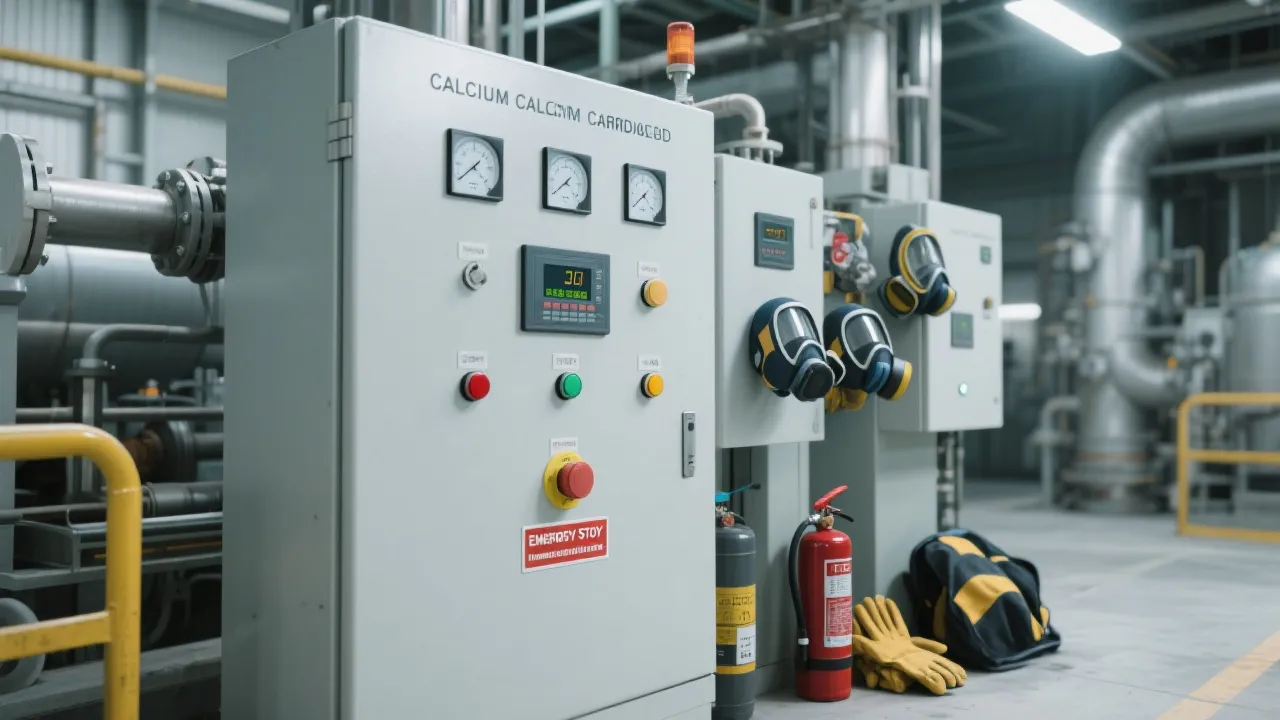
In the competitive landscape of steel production, the choice of desulfurization agent directly impacts product quality, production efficiency, and operational costs. Steel manufacturers worldwide face the critical decision between calcium carbide (CaC₂), lime, and magnesium oxide-based desulfurizers. This comprehensive analysis will help technical professionals evaluate these options based on reaction mechanisms, efficiency metrics, and cost-effectiveness, with practical insights from real-world applications.
The primary goal of desulfurization is removing sulfur from molten iron to prevent brittleness and improve mechanical properties. Each desulfurizing agent operates through distinct chemical pathways:
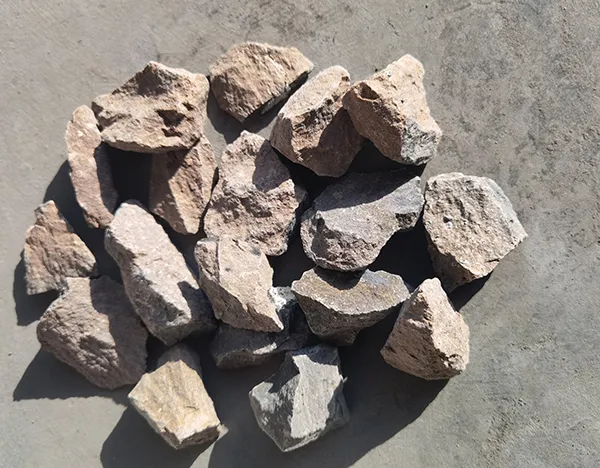
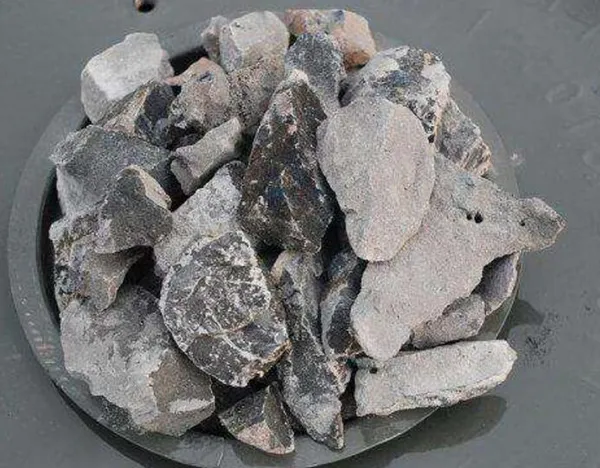
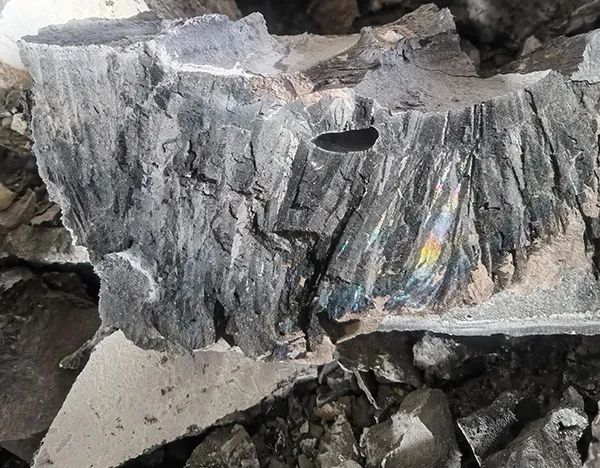
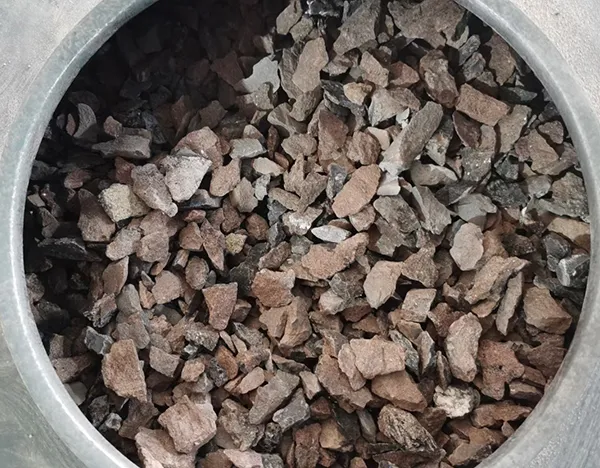
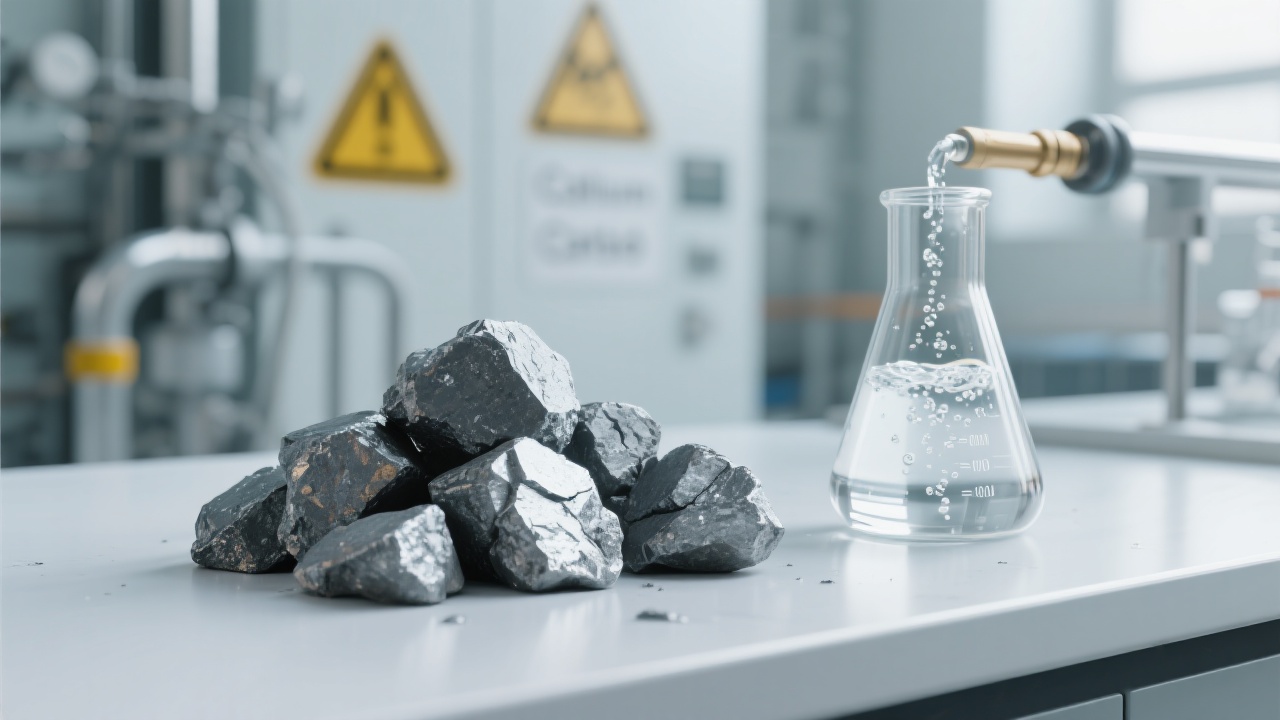
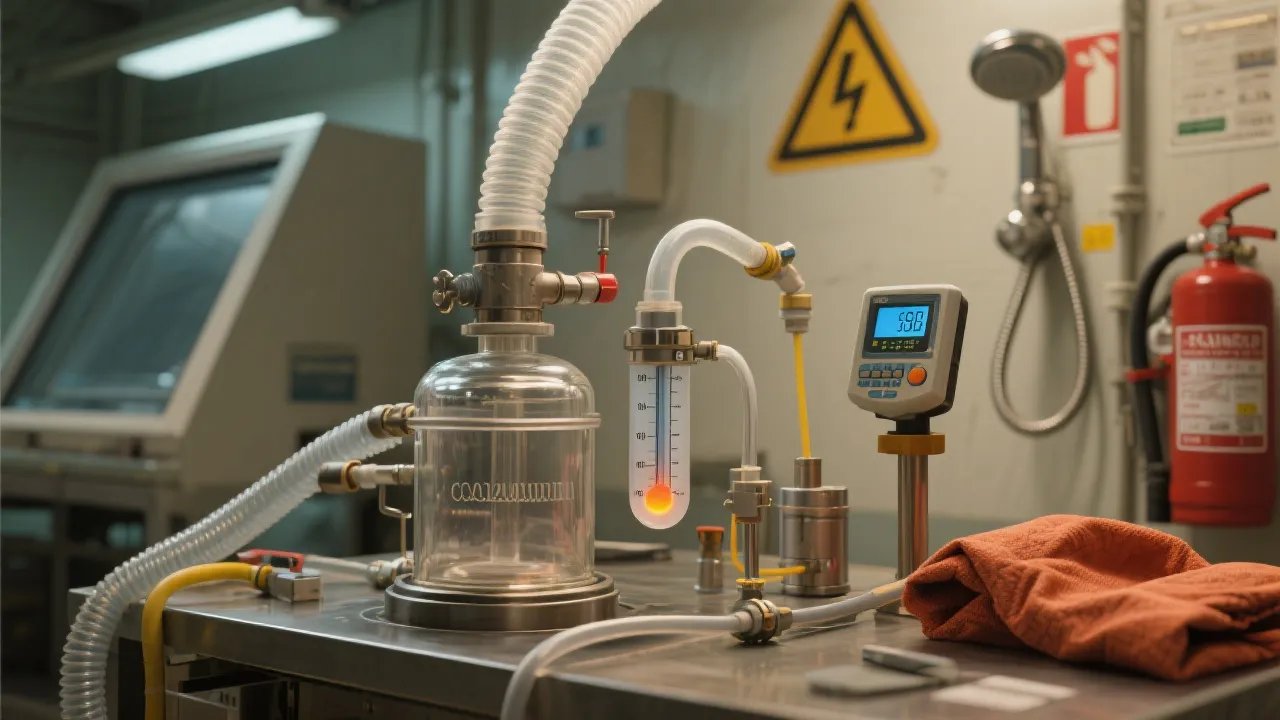
Calcium carbide reacts with sulfur in molten iron through the exothermic reaction: CaC₂ + FeS → CaS + Fe + C. This reaction generates calcium sulfide (CaS), which floats to the surface as slag. The process also produces acetylene gas, requiring proper ventilation systems.
Key advantages include rapid reaction kinetics and high sulfur removal efficiency, typically achieving 85-95% desulfurization under optimal conditions.
Lime-based desulfurization relies on calcium oxide (CaO) reacting with sulfur, but requires higher temperatures (1450-1550°C) and longer processing times. Magnesium oxide offers faster reaction rates but at significantly higher material costs and increased handling complexity.
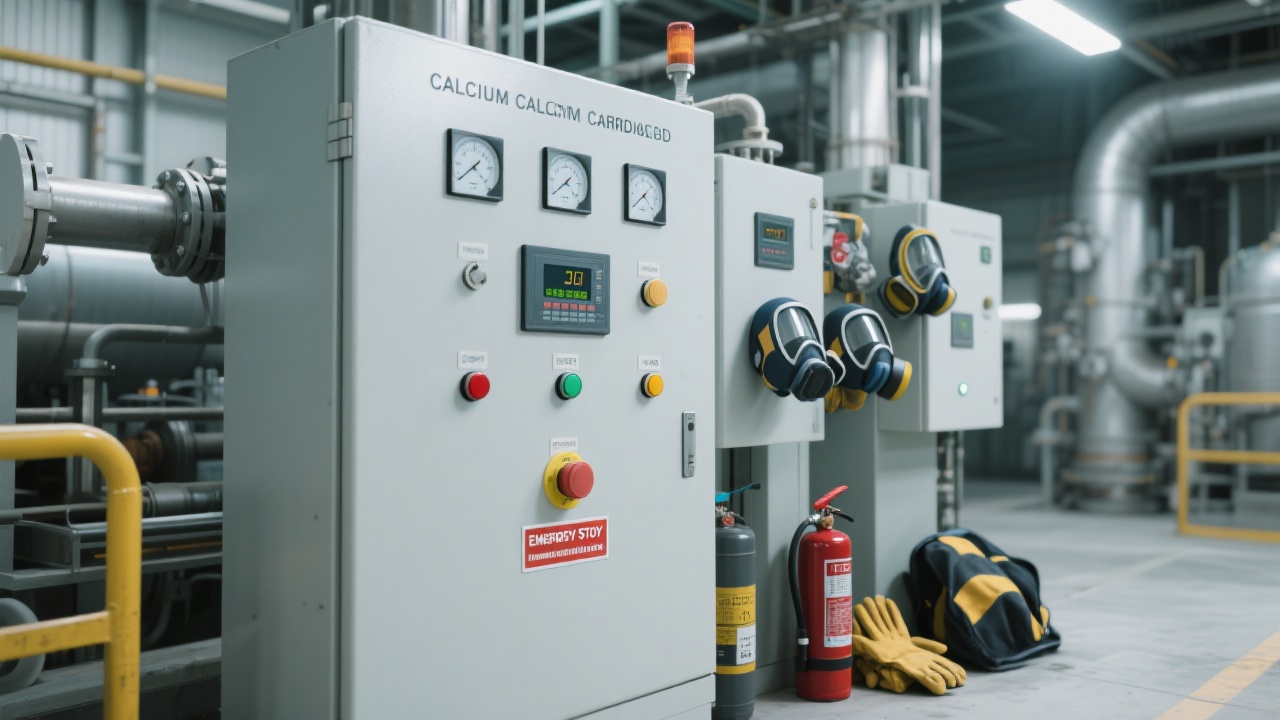
A comprehensive comparison across critical performance metrics reveals distinct advantages for each desulfurization agent. The following data represents industry averages from steel plants operating with similar production volumes:
| Performance Metric | Calcium Carbide | Lime | Magnesium Oxide |
|---|---|---|---|
| Desulfurization Efficiency | 85-95% | 60-75% | 75-85% |
| Reaction Time | 10-15 minutes | 30-45 minutes | 15-25 minutes |
| Material Cost (per ton) | Moderate | Low | High |
| Required Dosage | 3-5 kg/ton of steel | 8-12 kg/ton of steel | 2-3 kg/ton of steel |
| Overall Cost-Effectiveness | Excellent | Moderate | Limited |
While lime offers lower material costs, its lower efficiency and higher dosage requirements often result in higher overall operational expenses. Magnesium oxide provides good efficiency but at a premium price point that limits its cost-effectiveness for large-scale applications.
Achieving optimal desulfurization results requires careful control of several operational parameters. Calcium carbide desulfurization, in particular, demonstrates sensitivity to specific process conditions:
Steel plants that optimize these parameters typically report 15-20% higher desulfurization efficiency compared to those with suboptimal process control. Seasonal temperature variations also affect performance—winter operations may require 5-8% higher dosage to maintain consistent results.
A leading Chinese steel manufacturer producing high-grade construction steel implemented calcium carbide desulfurization after experiencing quality issues with lime-based treatment. The results were significant:
The plant's technical director noted: "The switch to calcium carbide desulfurization not only improved our steel quality but also provided unexpected production efficiencies. The faster reaction times allowed us to increase our casting节奏 without compromising quality standards."
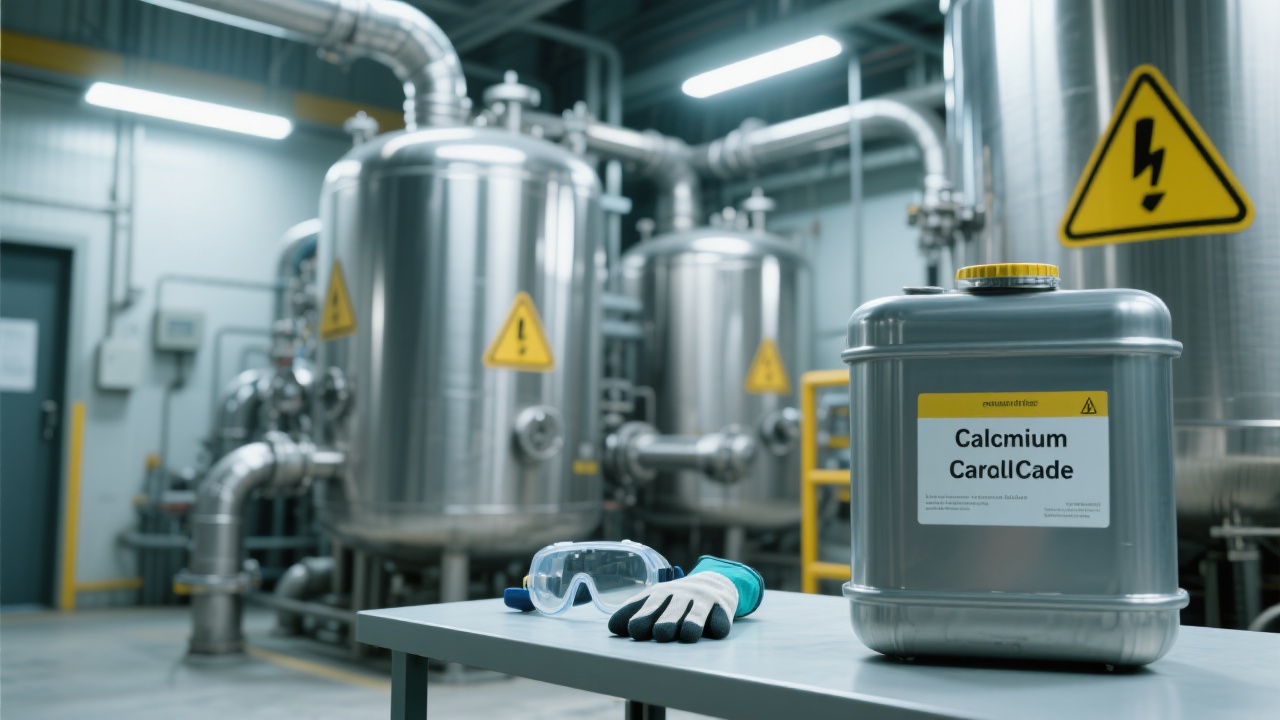
Rapid on-site testing is crucial for maintaining consistent desulfurization performance. Simple laboratory methods can provide real-time insights:
Sample Collection: Collect 200g samples from three different locations in the ladle to ensure representative analysis. Cool samples to 200°C before grinding to 100-mesh fineness.
Sulfur Analysis: Use an infrared sulfur analyzer for quick results (5-10 minutes per sample). For plants without specialized equipment, the combustion method with barium sulfate precipitation remains reliable, though more time-consuming.
Regular testing—ideally every 2-3 heats—allows for immediate process adjustments and ensures consistent steel quality. Steel producers implementing this testing protocol typically reduce quality variability by 30-40%.
Experience the performance advantage of high-purity calcium carbide desulfurizers. Our technical team provides comprehensive support from initial process analysis to on-site optimization.
Request Your Technical Consultation TodaySelecting the right desulfurization agent requires balancing technical performance with economic considerations. While each option has its merits, calcium carbide consistently delivers the best combination of efficiency, reliability, and cost-effectiveness for most steel production applications. By implementing proper process controls and regular testing protocols, steel manufacturers can achieve significant quality improvements and cost savings.
Technical professionals should consider not only initial material costs but also the long-term operational impacts of their desulfurization agent choice. The most successful steel producers view desulfurization as an investment in product quality and production efficiency rather than simply a production expense.
 201
|
201
|
 calcium carbide safety
calcium carbide water reaction
acetylene gas risk management
Inner Mongolia Longwei Chemical
high-purity calcium carbide
466
|
pharmaceutical-grade calcium carbide
high-purity calcium carbide
compliance risk reduction
raw material quality
chemical and metallurgical applications
74
|
calcium carbide
high melting point calcium carbide
calcium carbide solutions for industrial challenges
applications of calcium carbide in high-temperature environments
calcium carbide electrical conductivity
calcium carbide purity stability
calcium carbide water reaction
calcium carbide ammonia processing
calcium carbide wholesale supply
427
|
Calcium Carbide Quality
Safe Carbide Lime Usage
Inner Mongolia Longwei Chemical Technology
Carbide Lime Safety Measures
Calcium Carbide Risk Management
145
|
calcium carbide desulfurization
steelmaking desulfurization process
CaC2 particle size control
desulfurization temperature effect
addition timing in desulfurization
calcium carbide safety
calcium carbide water reaction
acetylene gas risk management
Inner Mongolia Longwei Chemical
high-purity calcium carbide
466
|
pharmaceutical-grade calcium carbide
high-purity calcium carbide
compliance risk reduction
raw material quality
chemical and metallurgical applications
74
|
calcium carbide
high melting point calcium carbide
calcium carbide solutions for industrial challenges
applications of calcium carbide in high-temperature environments
calcium carbide electrical conductivity
calcium carbide purity stability
calcium carbide water reaction
calcium carbide ammonia processing
calcium carbide wholesale supply
427
|
Calcium Carbide Quality
Safe Carbide Lime Usage
Inner Mongolia Longwei Chemical Technology
Carbide Lime Safety Measures
Calcium Carbide Risk Management
145
|
calcium carbide desulfurization
steelmaking desulfurization process
CaC2 particle size control
desulfurization temperature effect
addition timing in desulfurization








.png?x-oss-process=image/resize,h_600,m_lfit/format,webp)