.png?x-oss-process=image/resize,h_500,m_lfit/format,webp)
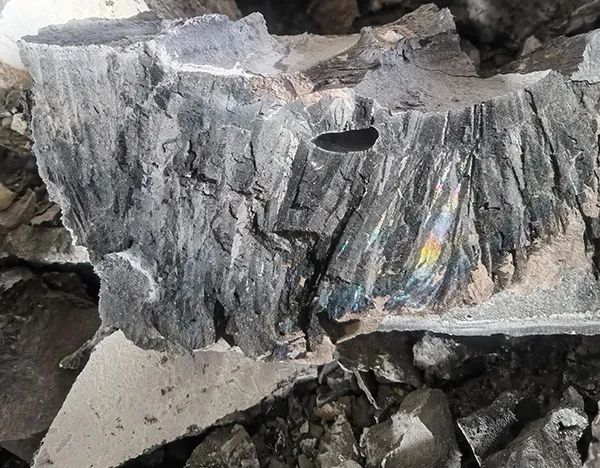
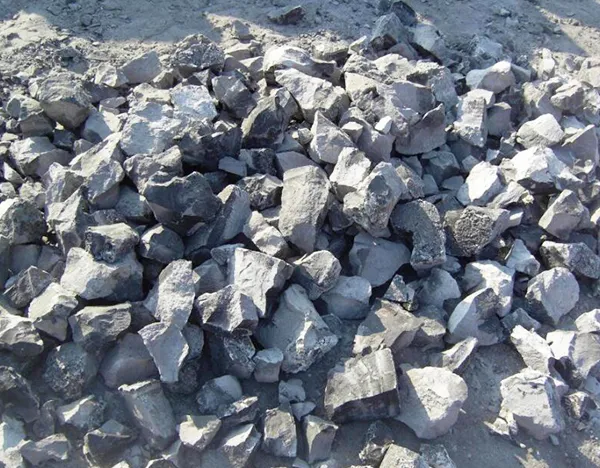
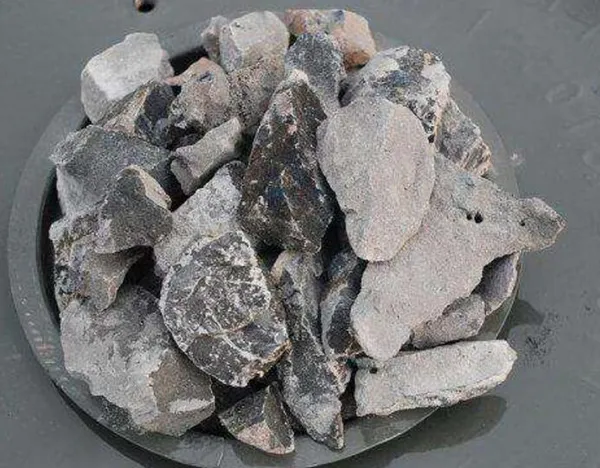
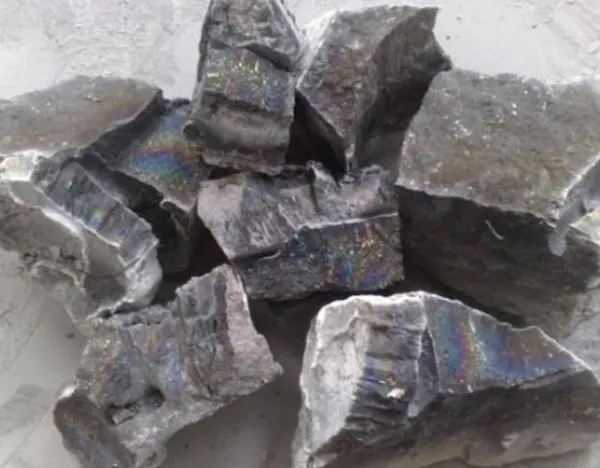
In 2024, steelmakers are increasingly turning to calcium carbide (CaC₂) as a cost-effective and high-performance desulfurization agent—especially in iron pretreatment and converter processes. With sulfur levels now needing to be controlled below 0.01% for premium-grade steels, traditional methods often fall short. This article explores how advanced application techniques, informed by real-world data from Xinjiang steel plants, can boost efficiency while reducing operational costs.
When calcium carbide reacts with molten iron, it forms calcium sulfide (CaS) and carbon monoxide (CO), a reaction that occurs efficiently above 1,400°C:
CaC₂ + [S] → CaS + 2[C] (gas)
This process leverages the high melting point of calcium carbide (around 2,300°C), ensuring stable performance even under extreme conditions—a key reason why top-tier mills prefer it over lime-based alternatives.
| Factor | Optimal Range | Impact on Efficiency |
|---|---|---|
| Temperature | 1,400–1,550°C | ↑ 15% desulfurization rate when optimized |
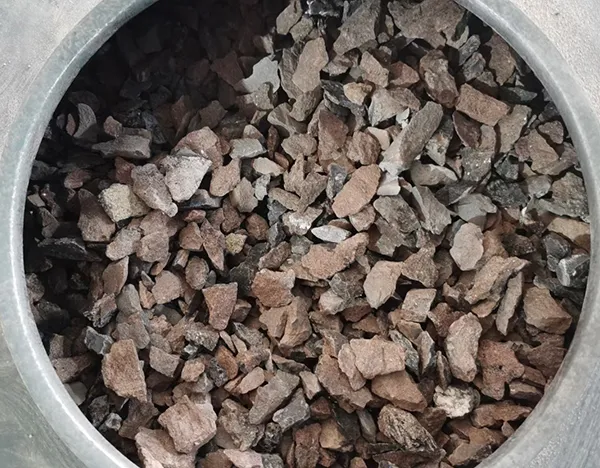
| Particle Size | 2–8 mm | Smaller particles = faster reaction, but risk of dust loss |
| Timing | Pre-treatment stage (before BOF) | Avoids re-sulfurization during refining |
“We saw a 22% improvement in sulfur removal consistency after adjusting particle size and timing based on our Xinjiang plant’s heat balance model.” — Dr. Li Wei, Senior Metallurgist at Shougang Xinjiang
A case study from a leading steel mill in Xinjiang revealed that precise control of these three variables reduced sulfur content from an average of 0.035% to 0.007%, meeting ISO 10027 standards for structural steels. The plant also cut reagent consumption by 12% through automated feeding systems—highlighting the growing role of digital tools in optimizing chemical usage.
Always pair calcium carbide use with online sulfur analyzers (like X-ray fluorescence or laser-induced breakdown spectroscopy). These tools help validate results and fine-tune parameters continuously.
 63
|
63
|
 calcium carbide desulfurization
steelmaking desulfurization process
Xinjiang steel plant case study
calcium carbide for sulfur removal
desulfurization optimization
133
|
High - performance calcium carbide
Acetylene gas generation
Longwei Chemical
Quality assurance
International market export
38
|
Calcium carbide storage points
Safe storage of calcium carbide
Industrial chemical transportation safety
Acetylene gas production raw material
Hazardous goods logistics management
159
|
calcium carbide safety solutions
calcium carbide risk mitigation methods
high-quality calcium carbide products
98
|
calcium carbide
calcium carbide desulfurizer
steel manufacturing calcium carbide
industrial raw material supply
acetylene gas production
calcium carbide desulfurization
steelmaking desulfurization process
Xinjiang steel plant case study
calcium carbide for sulfur removal
desulfurization optimization
133
|
High - performance calcium carbide
Acetylene gas generation
Longwei Chemical
Quality assurance
International market export
38
|
Calcium carbide storage points
Safe storage of calcium carbide
Industrial chemical transportation safety
Acetylene gas production raw material
Hazardous goods logistics management
159
|
calcium carbide safety solutions
calcium carbide risk mitigation methods
high-quality calcium carbide products
98
|
calcium carbide
calcium carbide desulfurizer
steel manufacturing calcium carbide
industrial raw material supply
acetylene gas production






.png?x-oss-process=image/resize,h_600,m_lfit/format,webp)