.png?x-oss-process=image/resize,h_500,m_lfit/format,webp)
In the industrial chemical field, calcium carbide is a crucial raw material. However, its storage requires strict safety measures due to its unique chemical properties. This guide will delve into the key aspects of calcium carbide storage safety, focusing on preventing acetylene gas leakage.
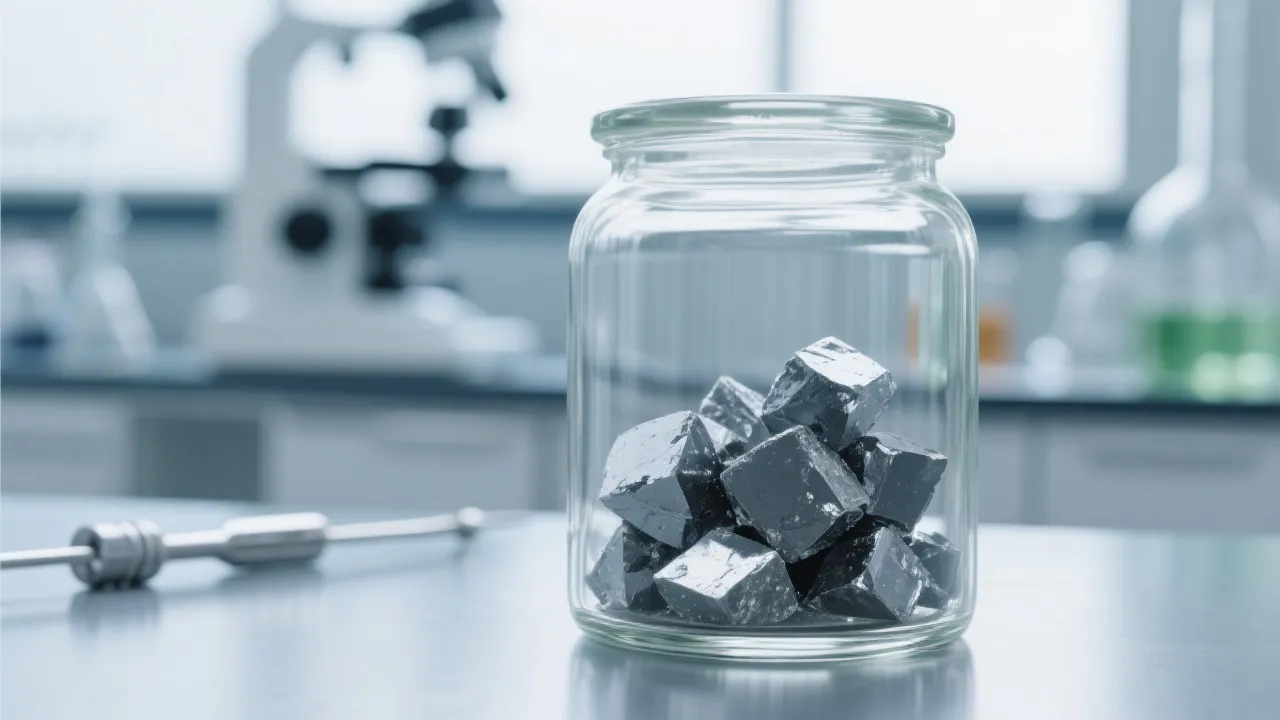
Calcium carbide, also known as calcium acetylide, has the chemical formula CaC₂. When it comes into contact with water, it undergoes a chemical reaction to produce acetylene gas (C₂H₂) and calcium hydroxide (Ca(OH)₂). The reaction is as follows: CaC₂ + 2H₂O → C₂H₂↑ + Ca(OH)₂. Acetylene gas is highly flammable and explosive. In air, the explosion limit of acetylene is 2.5% - 80% (by volume). This means that even a small amount of acetylene gas leakage in a confined space can pose a significant safety hazard.
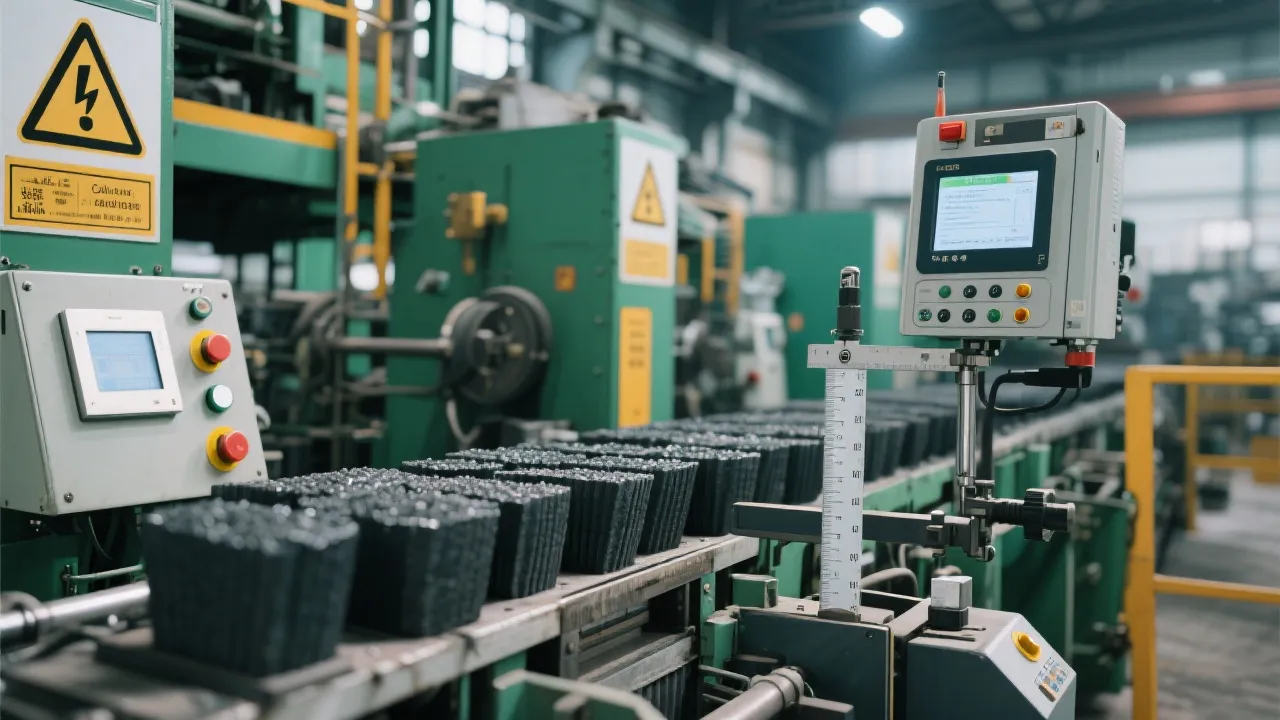
The first step in ensuring calcium carbide storage safety is to choose a suitable storage environment. The warehouse should be dry, well - ventilated, and far away from water sources. A dry environment can prevent calcium carbide from reacting with moisture in the air. A well - ventilated warehouse can quickly disperse any acetylene gas that may leak, reducing the risk of explosion. The recommended relative humidity in the warehouse should be below 60%, and the temperature should be controlled between 10°C - 30°C.
Temperature and humidity control are crucial for maintaining the stability of calcium carbide. High humidity can accelerate the reaction of calcium carbide with water, while high temperature can increase the volatility of acetylene gas. Therefore, it is necessary to install temperature and humidity monitoring devices in the warehouse. Regular inspections should be carried out to ensure that the environmental conditions are within the safe range. If the humidity exceeds the standard, dehumidifiers can be used, and if the temperature is too high, cooling measures such as air - conditioning can be taken.
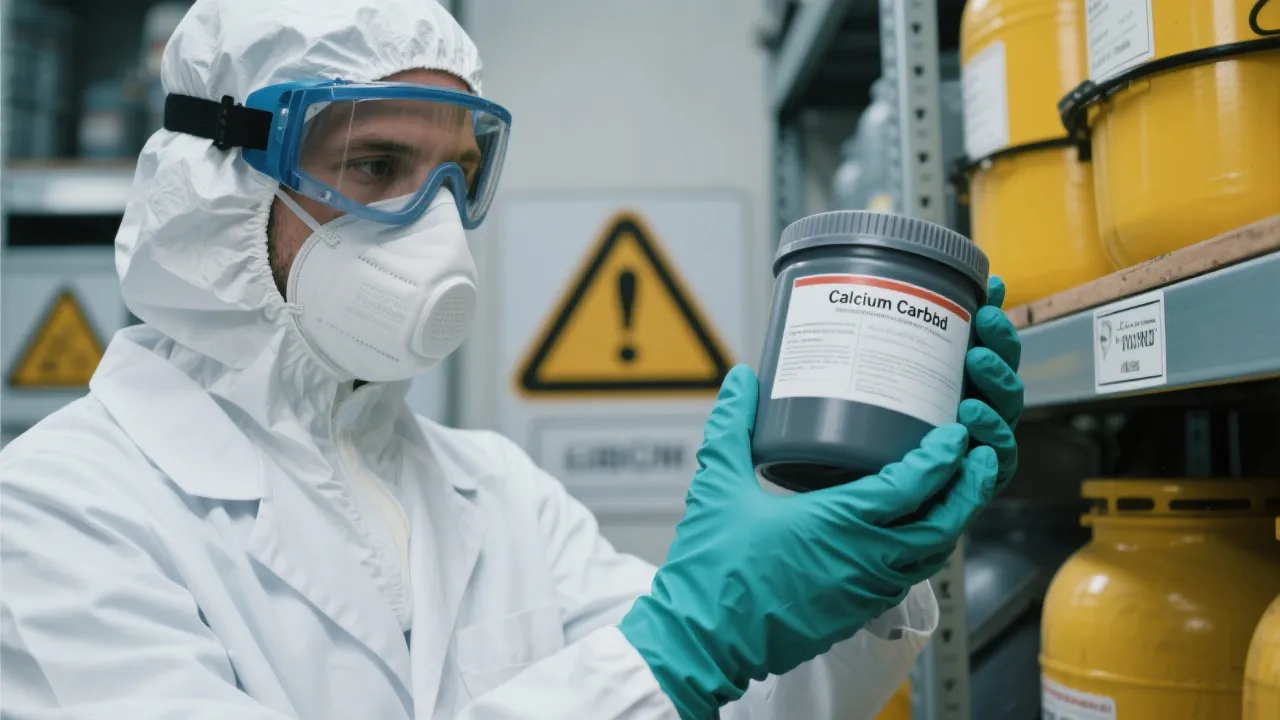
Calcium carbide should be stored in sealed containers. High - quality sealed containers can effectively prevent moisture from entering and acetylene gas from leaking. For example, using steel drums with good sealing performance can significantly reduce the risk of acetylene gas leakage. When storing calcium carbide, it is also necessary to ensure that the containers are not damaged, and the seals are intact.
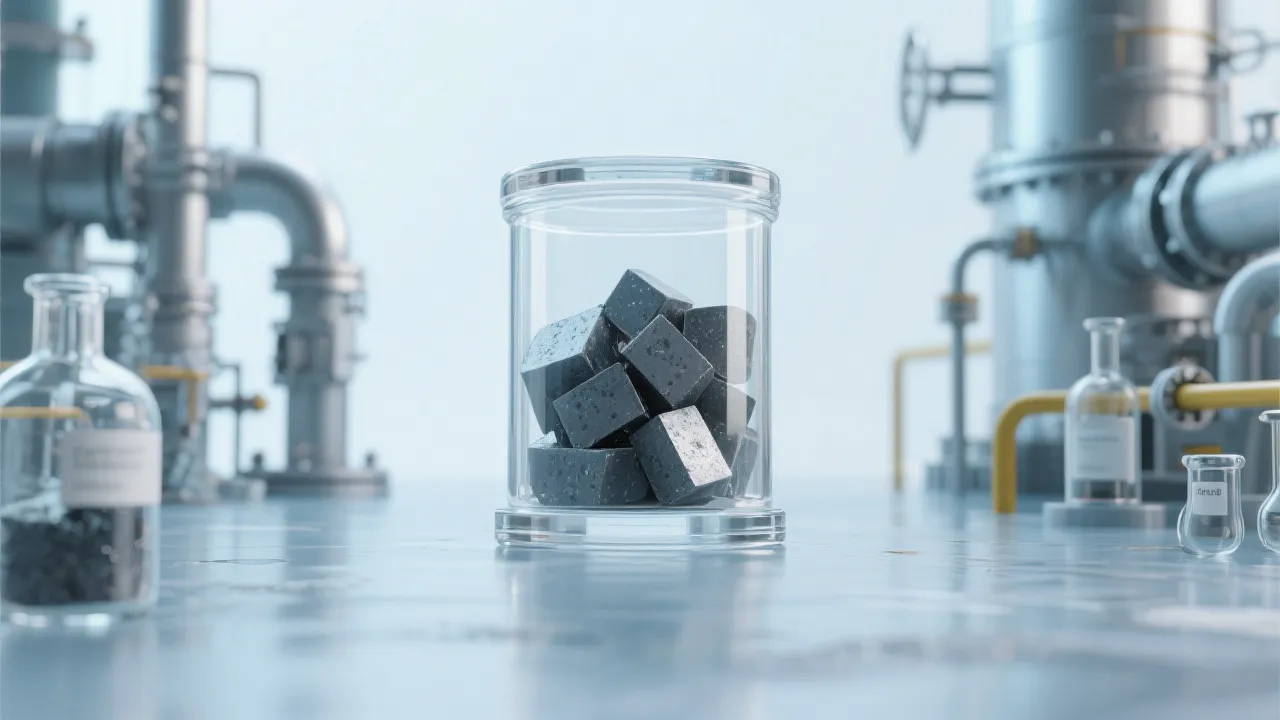
Inner Mongolia Longwei Chemical Technology Co., Ltd. offers high - purity calcium carbide products. The high purity of these products means fewer impurities, which reduces the potential for side reactions and improves the stability during storage. Compared with ordinary calcium carbide, the high - purity calcium carbide from this company is less likely to react with water and produce acetylene gas under the same storage conditions, providing better safety and quality assurance for enterprises.
Let's take a look at some real - world cases. In a chemical plant, due to improper storage of calcium carbide in a humid and poorly - ventilated warehouse, a large amount of acetylene gas leaked. When a worker accidentally sparked during an inspection, an explosion occurred, causing serious property damage and casualties. On the other hand, another enterprise strictly followed the calcium carbide storage safety guidelines, stored calcium carbide in a dry and well - ventilated warehouse, and used high - quality sealed containers. As a result, they have maintained safe production for many years.
We encourage you to share your experiences and questions about calcium carbide storage safety in the comments section below. Have you ever encountered any challenges in calcium carbide storage? What measures have you taken to ensure safety?
To learn more about high - quality calcium carbide products and improve your storage safety, click here.
 50
|
50
|
 calcium carbide
high-stability chemicals
precious metal extraction
technical principles
calcium carbide bulk supply
222
|
High - performance calcium carbide
Acetylene gas production
Industrial chemicals
Calcium carbide application guide
Longwei Chemical
291
|
calcium carbide
acetylene production
industrial applications
carbonated calcium
electrochemical properties
343
|
high-purity calcium carbide
calcium carbide procurement guide
calcium carbide raw material selection
acetylene gas production raw material
chemical raw material quality control
401
|
Calcium Carbide
high-stability chemicals
industrial raw materials
calcium carbide
high-stability chemicals
precious metal extraction
technical principles
calcium carbide bulk supply
222
|
High - performance calcium carbide
Acetylene gas production
Industrial chemicals
Calcium carbide application guide
Longwei Chemical
291
|
calcium carbide
acetylene production
industrial applications
carbonated calcium
electrochemical properties
343
|
high-purity calcium carbide
calcium carbide procurement guide
calcium carbide raw material selection
acetylene gas production raw material
chemical raw material quality control
401
|
Calcium Carbide
high-stability chemicals
industrial raw materials







.png?x-oss-process=image/resize,h_600,m_lfit/format,webp)