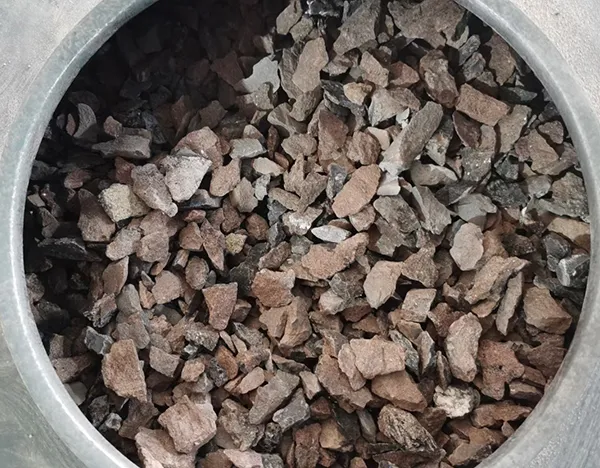
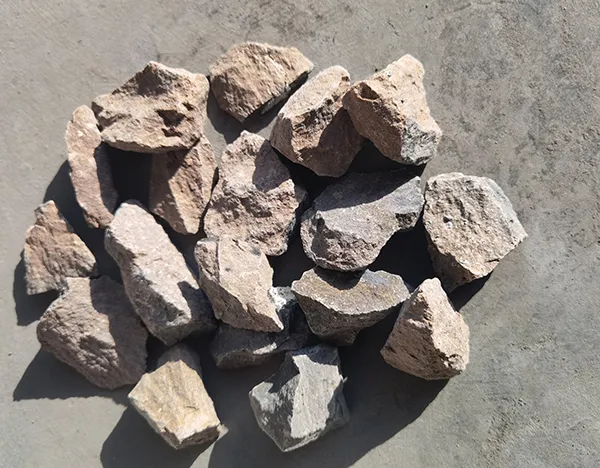
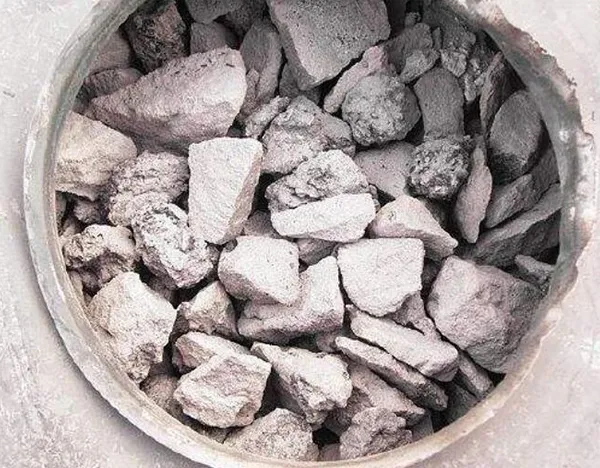
Safe Handling of Calcium Carbide in Oxy-Acetylene Cutting: Key Techniques to Prevent Flash Fire Hazards

Longwei Chemical
2026-03-16
Application Tips
This article focuses on the safe application of calcium carbide in oxy-acetylene cutting, offering an in-depth analysis of critical technical parameters such as moisture control, reaction vessel design, and acetylene gas flow regulation. It emphasizes strategies to eliminate flash fire risks caused by impurities and improper handling. Drawing from practical engineer experience including dry storage and particle size grading, the article provides actionable safety guidelines and performance optimization methods. These insights support enhanced safety and efficiency in metal cutting operations and promote the broader utilization of calcium carbide advantages.
https://shmuker.oss-accelerate.aliyuncs.com/data/oss/20250720/ce5c7113497f5c82f3c271bf365451d2/b4d3a003-1c2e-4431-9f58-b455ded55db2.jpeg

Safe Utilization of Calcium Carbide in Oxy-Acetylene Cutting: Mitigating Explosion Risks

Calcium carbide (CaC2) plays an indispensable role in industrial oxy-acetylene cutting applications, primarily as a precursor for acetylene gas generation. Despite its widespread usage, improper handling and operational oversight can lead to severe explosion hazards. This article delivers a comprehensive, technically grounded perspective on critical parameters influencing safety and performance, emphasizing moisture control, reaction vessel design, and gas flow rate regulation. Drawing from expert experiences and contemporary research, it formulates actionable guidelines for safe calcium carbide deployment in metal cutting operations.

The Industrial Significance and Safety Challenges of Calcium Carbide

Calcium carbide is quintessential in oxy-acetylene welding and cutting due to its efficient acetylene production when it reacts with water. This acetylene gas exhibits a high flame temperature, essential for cutting thick metal components. However, the reaction’s exothermic nature and sensitivity to impurities elevate explosion risks substantially. The majority of industrial incidents stem from uncontrolled moisture intrusion or incorrect operational parameters, which can cause violent gas generation and flashbacks.

Moisture Control: The Foundation of Safe Calcium Carbide Usage

Water content management is the most pivotal factor in mitigating risk. Calcium carbide ideally should be stored in dry, airtight containers to limit ambient humidity exposure—relative humidity below 2% is recommended. Empirical data indicates that moisture levels exceeding 0.5% dramatically increase the volatility of acetylene evolution, leading to unpredictable pressure spikes within reaction vessels.

Engineering best practices include:

  • Utilizing desiccants within storage environments to maintain dryness.
  • Conducting routine moisture content analysis via Karl Fischer titration or equivalent techniques.
  • Ensuring calcium carbide batches comply with particle size distribution standards (typically 3-5 mm) to facilitate controlled reaction kinetics.

Design Principles for Reaction Vessels

The reaction vessel where calcium carbide is introduced to water must be engineered to withstand fluctuating pressures and thermal loads. Key considerations include:

  • Material Selection: Corrosion-resistant alloys capable of tolerating high temperature spikes mitigate structural degradation.
  • Pressure Relief Mechanisms: Incorporation of calibrated burst discs and pressure gauges allows controlled venting to prevent vessel rupture.
  • Mixing Control: A throttled water feed system is vital to prevent rapid acetylene bursts. Maintaining water injection between 0.1 to 0.3 liters per minute per kilogram of carbide optimizes gas generation rates.

Optimizing Gas Flow Rate for Operational Stability

The acetylene gas flow must be continuously monitored and adjusted for consistent flame characteristics during oxy-acetylene cutting. Excessive flow can create explosive atmospheres, while inadequate flow decreases cutting efficiency.

Advanced systems integrate:

  • Digital mass flow controllers calibrated to maintain acetylene output at a steady 1.2 cubic meters per hour for standard industrial cutting setups.
  • Continuous gas analyzers that detect traces of moisture and impurities, signaling immediate operational adjustments or shutdowns.

Field-Proven Pre-Treatment Techniques by Engineering Experts

Real-world engineering experience emphasizes pre-treatment as a crucial preventive measure. Best practices implemented by seasoned operators include:

  • Dry Storage Protocols: Stockpiling calcium carbide in hermetically sealed bags combined with silica gel packets helps sustain quality over prolonged periods.
  • Particle Size Screening: Using vibratory sieves to ensure uniform carbide granules improves reaction rate predictability and mitigates localized overpressure.
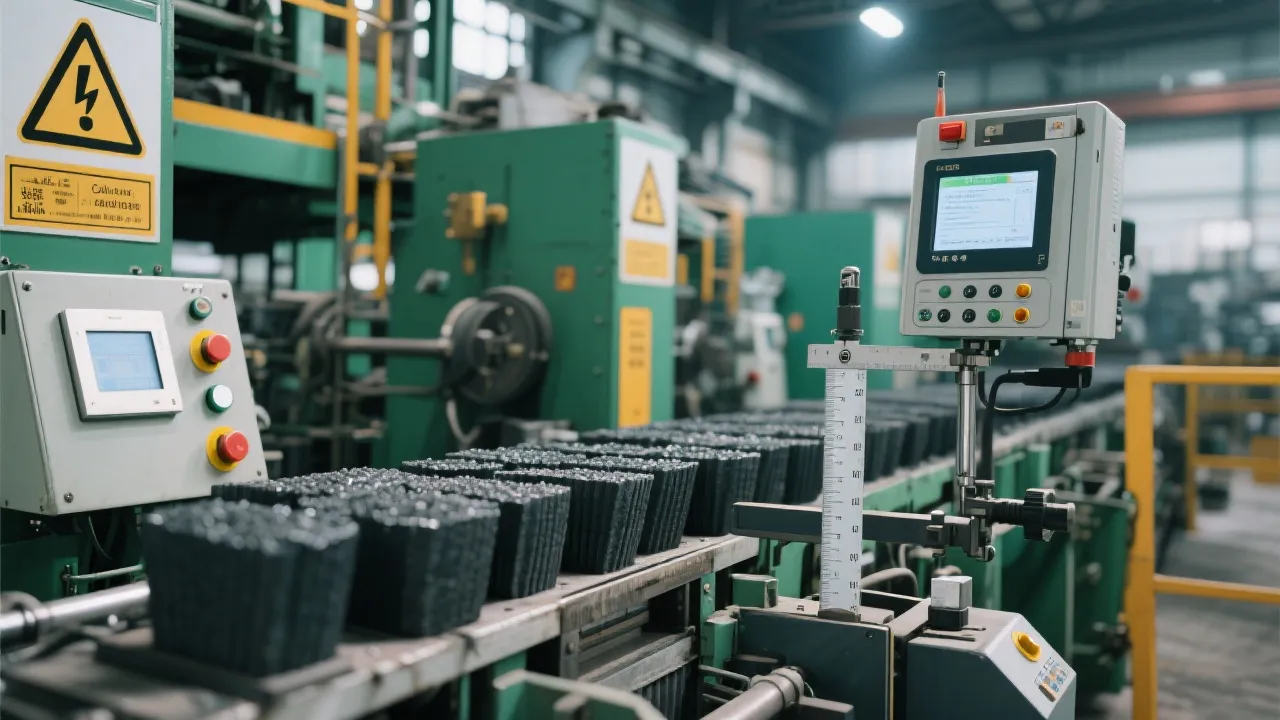
Diagram illustrating the reaction vessel design principles for safe calcium carbide use

Comprehensive Risk Checklist: Avoiding Overlooked Explosion Hazards

Safety protocols demand adherence to a strict checklist addressing common oversights:

  1. Never expose calcium carbide to uncontrolled moisture—this includes ambient humidity and water contamination.
  2. Verify the integrity of gas piping and valves to forestall flashbacks.
  3. Regularly calibrate flow meters and pressure gauges to manufacturer specifications.
  4. Implement mandatory operator training focusing on real-time emergency response.
  5. Conduct periodic safety audits covering all stages from raw material receipt to onsite acetylene generation.

Adopting these measures ensures that workers prioritize “safety first” while optimizing acetylene production efficiency.
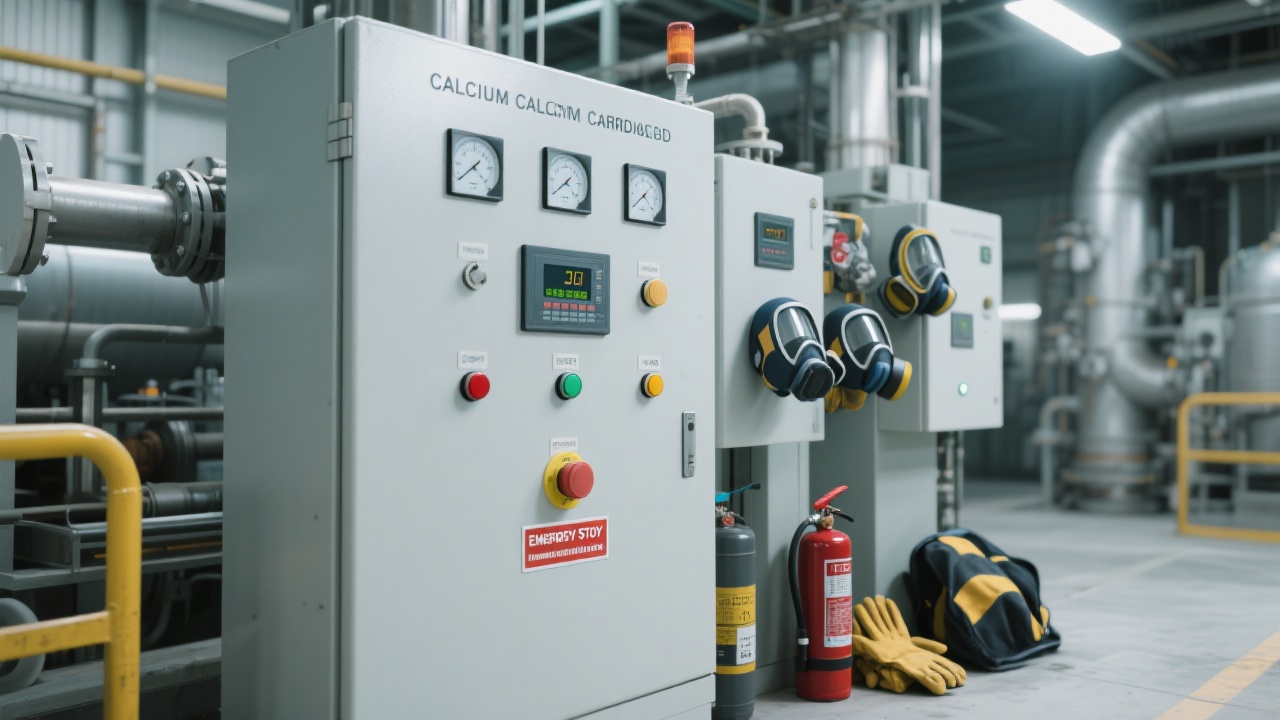
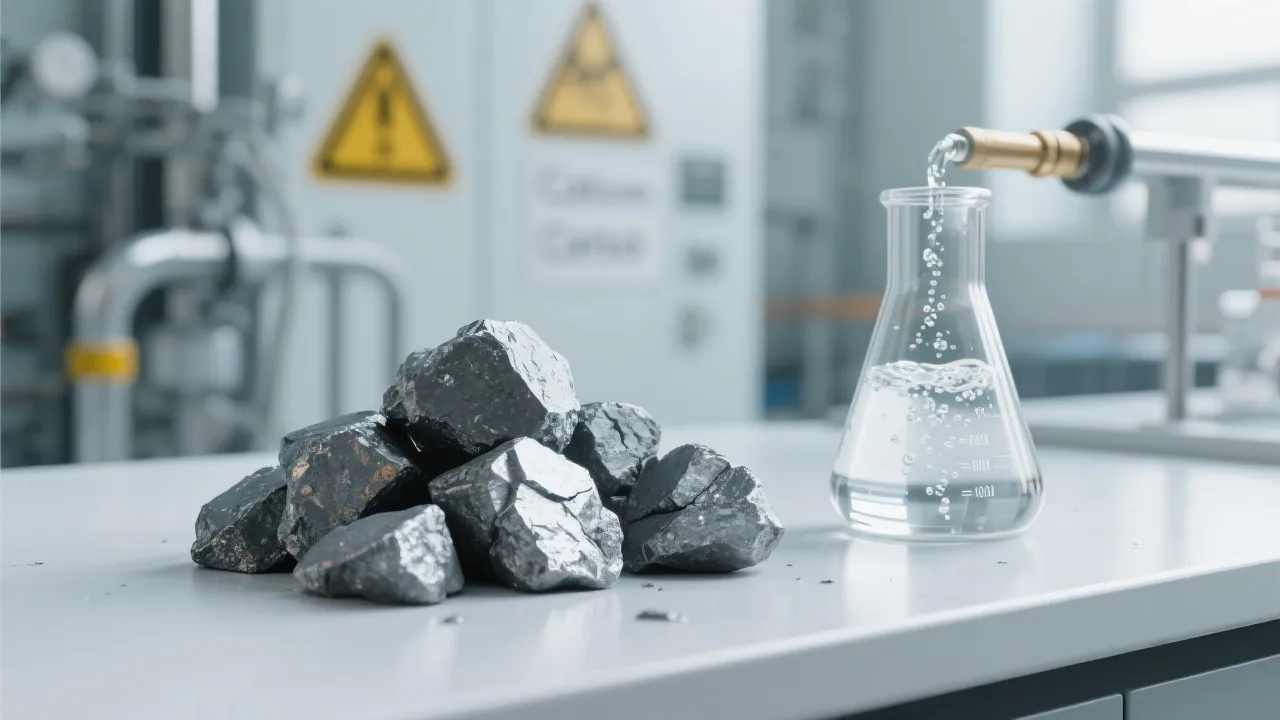
Safety checklist emphasizing explosion hazard prevention in calcium carbide applications

From Raw Material Selection to Gas Generation: Integrated Performance Optimization

The performance of calcium carbide in oxy-acetylene welding and cutting directly correlates with stringent quality controls on input materials and operational parameters. Combining theoretical insights with practical observations has led to significant process improvements:
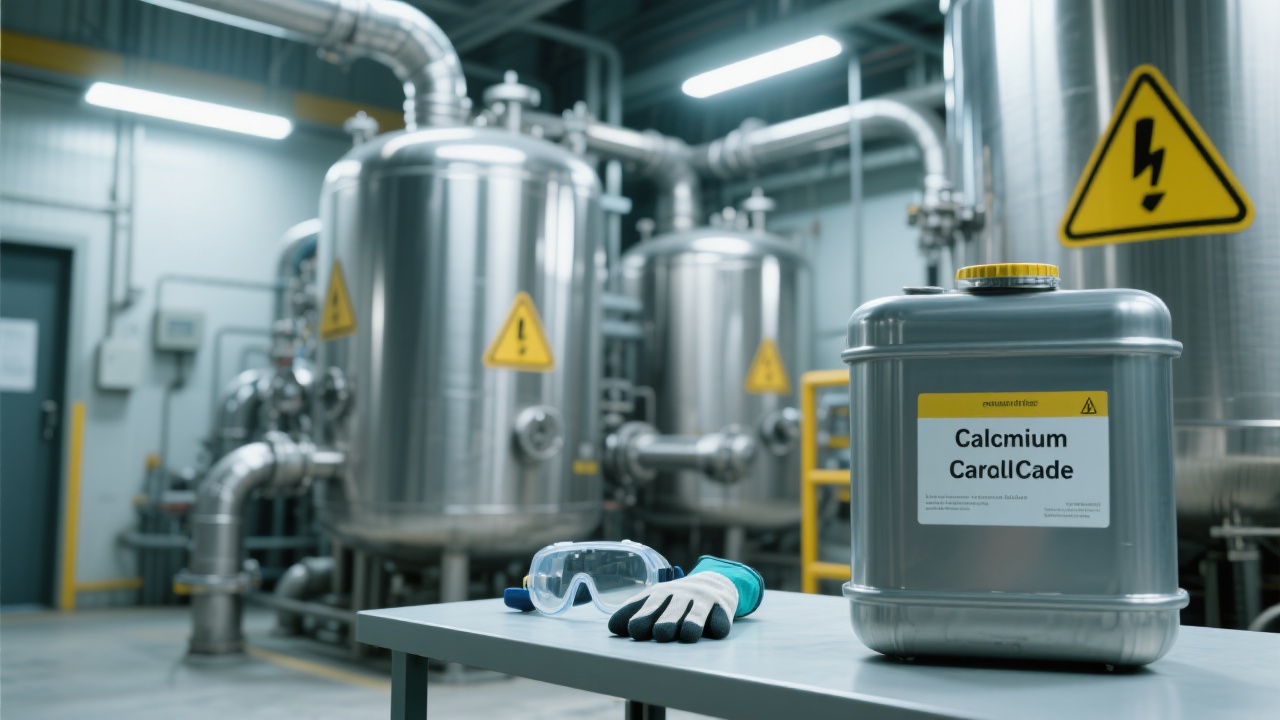
  • Improve Raw Material Quality: Sourcing calcium carbide with minimum 70% purity reduces contaminants that catalyze unsafe reactions.
  • Maintain Consistent Reaction Environment: Employing temperature-controlled vessels within 20-30°C ensures stable acetylene output.
  • Implement Continuous Monitoring: Real-time sensors coupled with AI-driven analytics can predict and prevent unsafe spikes in reaction parameters.
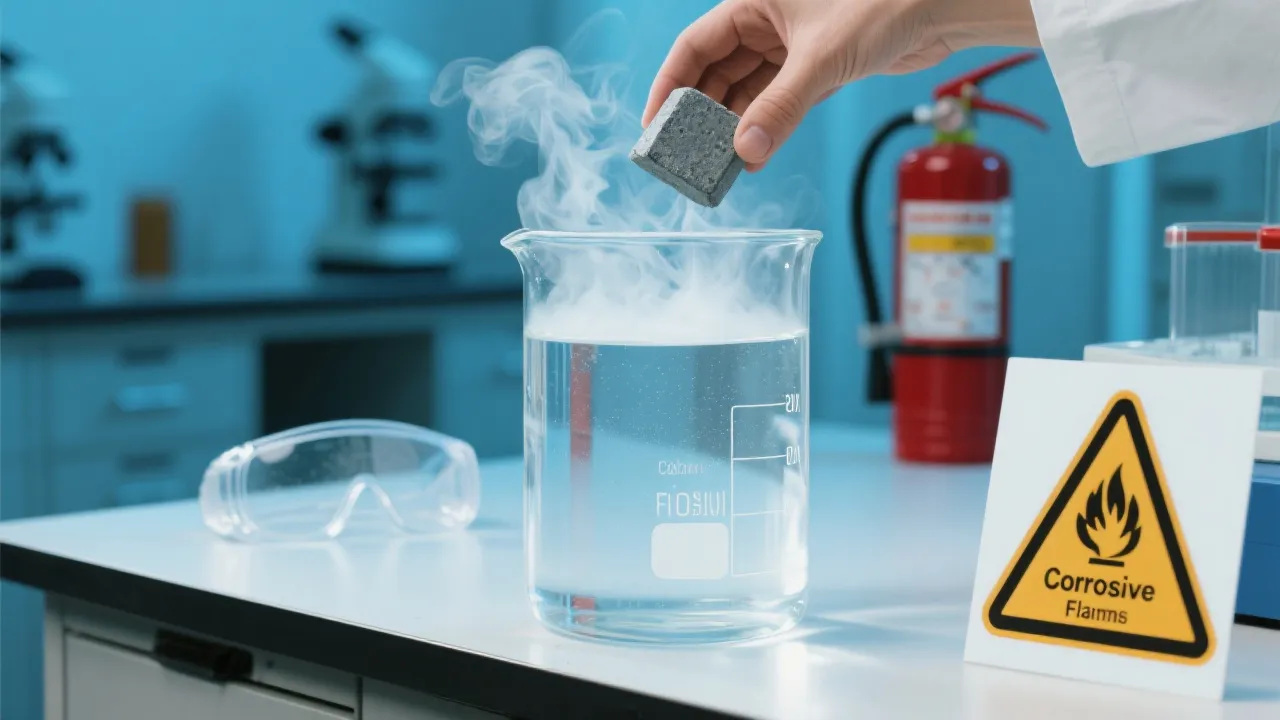
Flow diagram of integrated calcium carbide gas generation system with monitoring controls
Name *
Email *
Message*

Recommended Products

Related Reading

Optimizing Calcium Carbide Desulfurization in Xinjiang Steel Plants to Enhance Steel Quality

2026-02-02 | https://shmuker.oss-accelerate.aliyuncs.com/tmp/temporary/60ec5bd7f8d5a86c84ef79f2/60ec5bdcf8d5a86c84ef7a9a/20240305161110/eye.png 204 | https://shmuker.oss-accelerate.aliyuncs.com/tmp/temporary/60ec5bd7f8d5a86c84ef79f2/60ec5bdcf8d5a86c84ef7a9a/20240305160636/lable.png calcium carbide desulfurization electric carbide steel desulfurization steel quality improvement Xinjiang steel plant case desulfurization process optimization

Industrial Applications of Calcium Carbide in Rubber and Plastic Synthesis and Green Production Safety Management Strategies

2026-01-25 | https://shmuker.oss-accelerate.aliyuncs.com/tmp/temporary/60ec5bd7f8d5a86c84ef79f2/60ec5bdcf8d5a86c84ef7a9a/20240305161110/eye.png 194 | https://shmuker.oss-accelerate.aliyuncs.com/tmp/temporary/60ec5bd7f8d5a86c84ef79f2/60ec5bdcf8d5a86c84ef7a9a/20240305160636/lable.png Calcium carbide reaction mechanism Calcium carbide application Acetylene production safety Rubber and plastic synthesis Green production management

High-Quality Calcium Carbide (Calcium Carbide) Products for Cost-Effective and Efficient Steel Desulfurization Solutions

2026-02-05 | https://shmuker.oss-accelerate.aliyuncs.com/tmp/temporary/60ec5bd7f8d5a86c84ef79f2/60ec5bdcf8d5a86c84ef7a9a/20240305161110/eye.png 433 | https://shmuker.oss-accelerate.aliyuncs.com/tmp/temporary/60ec5bd7f8d5a86c84ef79f2/60ec5bdcf8d5a86c84ef7a9a/20240305160636/lable.png calcium carbide desulfurization steel industry desulfurization calcium carbide slag removal desulfurization process optimization electric arc furnace desulfurization

Comprehensive Guide to Optimizing Calcium Carbide Desulfurization Process Parameters and Solutions to Common Problems

2026-01-29 | https://shmuker.oss-accelerate.aliyuncs.com/tmp/temporary/60ec5bd7f8d5a86c84ef79f2/60ec5bdcf8d5a86c84ef7a9a/20240305161110/eye.png 430 | https://shmuker.oss-accelerate.aliyuncs.com/tmp/temporary/60ec5bd7f8d5a86c84ef79f2/60ec5bdcf8d5a86c84ef7a9a/20240305160636/lable.png Calcium carbide desulfurization process optimization Calcium carbide desulfurization principle Steel smelting desulfurization technology Calcium carbide usage parameters Steel mill desulfurization operation guide

How Calcium Carbide Purity Affects Acetylene Yield: Key Factors for Industrial Gas Efficiency

2026-03-11 | https://shmuker.oss-accelerate.aliyuncs.com/tmp/temporary/60ec5bd7f8d5a86c84ef79f2/60ec5bdcf8d5a86c84ef7a9a/20240305161110/eye.png 404 | https://shmuker.oss-accelerate.aliyuncs.com/tmp/temporary/60ec5bd7f8d5a86c84ef79f2/60ec5bdcf8d5a86c84ef7a9a/20240305160636/lable.png calcium carbide purity acetylene yield acetylene production efficiency calcium carbide impurities industrial acetylene optimization

Popular articles
img
https://shmuker.oss-accelerate.aliyuncs.com/data/oss/20250720/b9cb6dfa8c41667afc4e63fd81a6c75f/224d575a-7175-45b2-a79b-8f9be216a868.jpeg
https://shmuker.oss-accelerate.aliyuncs.com/data/oss/common/20250417183053/20250417/dcdfb34491c4c7b2154da8032f866847/202201111619478232.jpg
https://shmuker.oss-accelerate.aliyuncs.com/data/oss/common/20250417183115/20250417/82e5dfdefcfb4a9ab78afe1113dfdbd0/202201111604358056.jpg
https://shmuker.oss-accelerate.aliyuncs.com/data/oss/20250720/f8e1656b3f5d8042f63a71211de70eed/3ed4f57c-0242-4f45-ad95-8577e1b02ba6.jpeg
https://shmuker.oss-accelerate.aliyuncs.com/data/oss/20250720/e7883c97c9746fb7cac063aad9404438/2c01f310-4514-4074-b3ca-c55969d2630d.jpeg
https://shmuker.oss-accelerate.aliyuncs.com/data/oss/common/20250417162308/20250417/4fbd406dd12645970be33c88bc14a86c/202201111634192775.jpg
https://shmuker.oss-accelerate.aliyuncs.com/data/oss/20250720/9a6254a4929e9be451942a0179bd7729/c20b1026-5033-46e3-aaf9-335d51f5437b.jpeg
https://shmuker.oss-accelerate.aliyuncs.com/data/oss/common/20250417183148/20250417/78eef266f714ba4d7f2c14d597662788/202202101049194753.jpg
Recommended Reading
Contact us
Contact us
https://shmuker.oss-accelerate.aliyuncs.com/tmp/temporary/60ec5bd7f8d5a86c84ef79f2/60ec5bdcf8d5a86c84ef7a9a/thumb-prev.png