.png?x-oss-process=image/resize,h_500,m_lfit/format,webp)
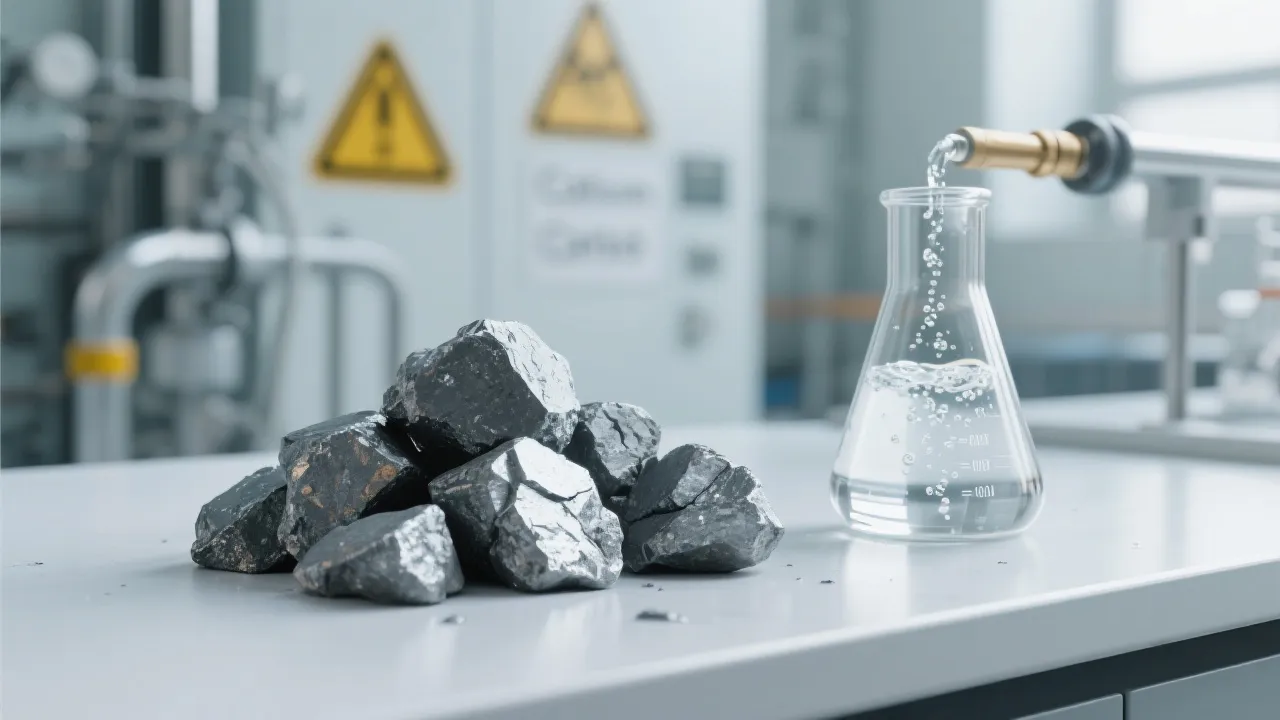
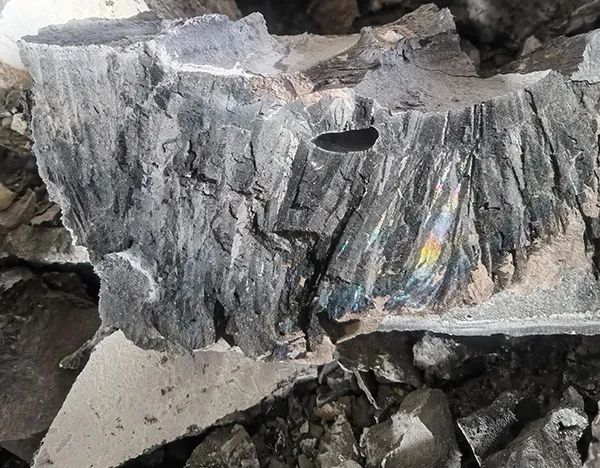
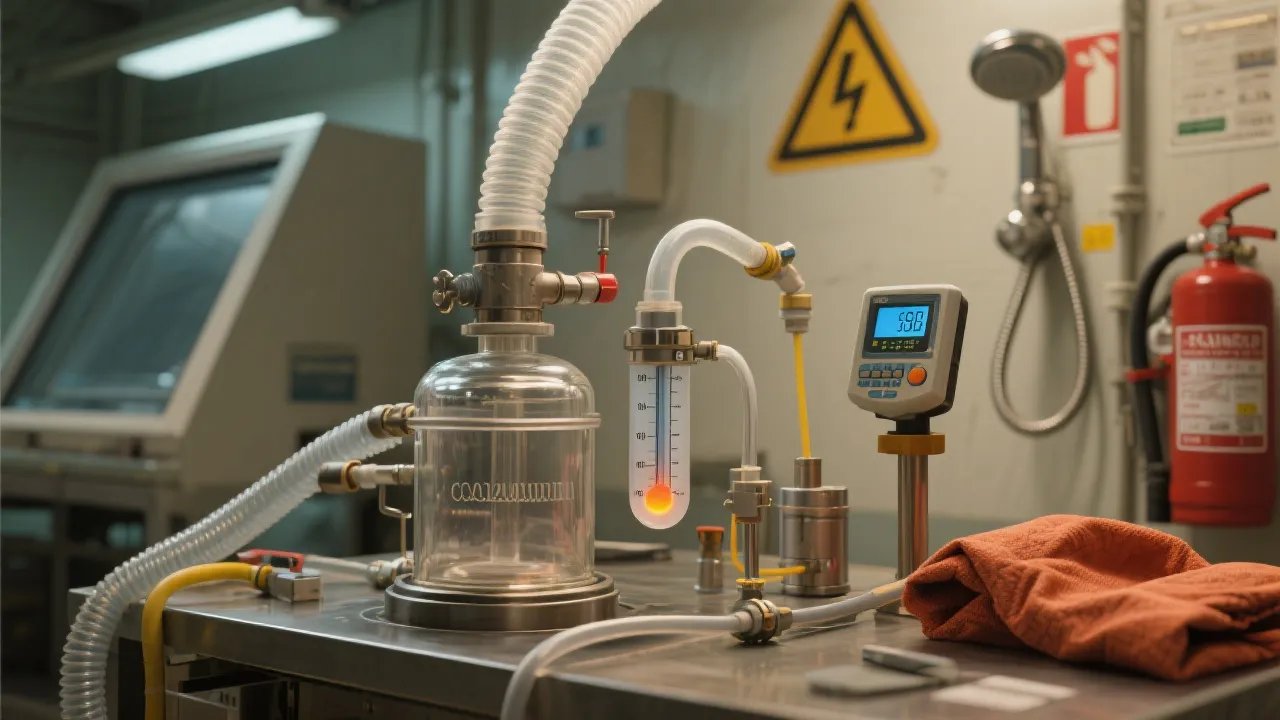
Calcium carbide plays an indispensable role in industrial metal cutting by generating acetylene gas on demand. However, improper handling and operational errors can cause explosive incidents during acetylene generation, posing serious safety hazards. Understanding and controlling the critical parameters such as moisture content, reaction vessel design, and gas flow rates not only mitigates these risks but also improves cutting efficiency and process reliability.
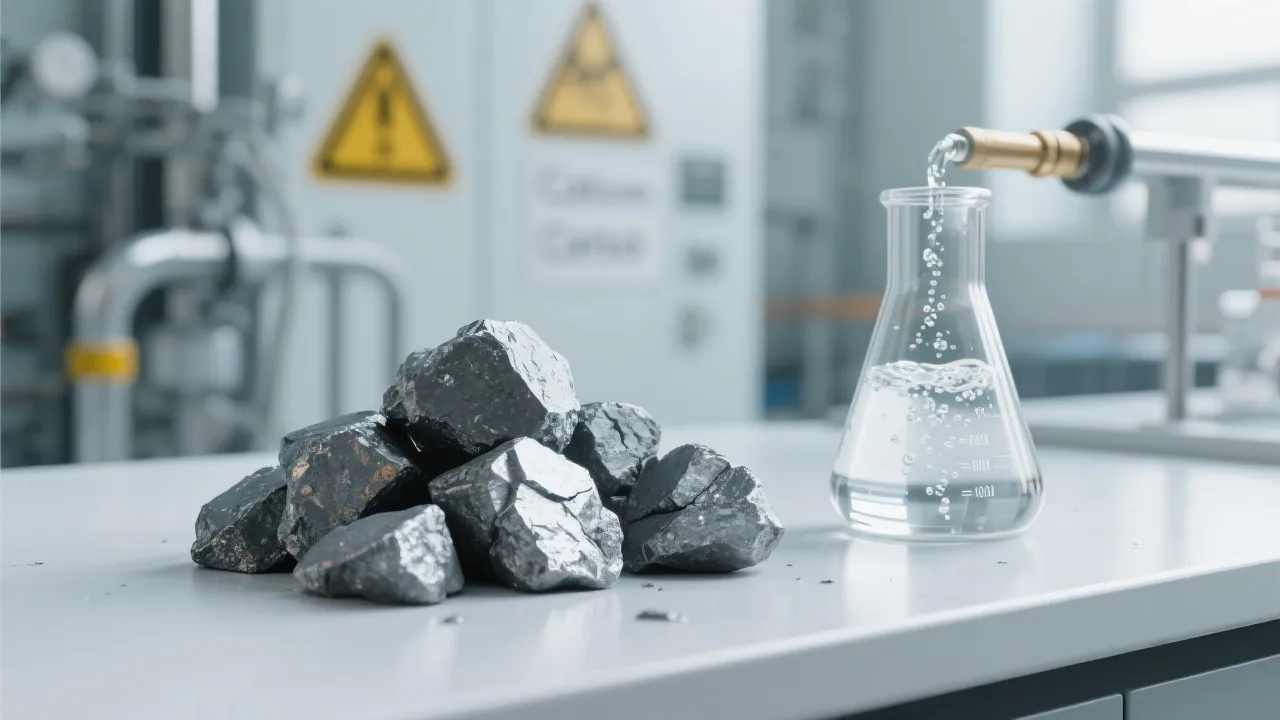
When calcium carbide (CaC2) reacts with water, it produces acetylene (C2H2) gas and calcium hydroxide as a byproduct:
CaC2 + 2H2O → C2H2 + Ca(OH)2
This highly exothermic reaction requires precise moisture control. Excess water accelerates the reaction rate, risking rapid gas accumulation and pressure spikes. Conversely, insufficient moisture leads to incomplete gas generation, compromising cutting quality.
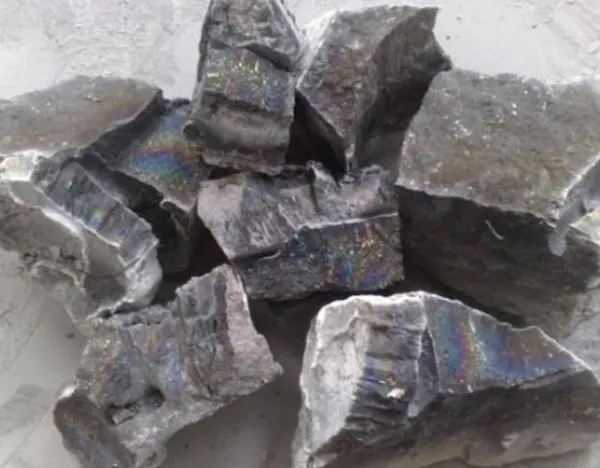
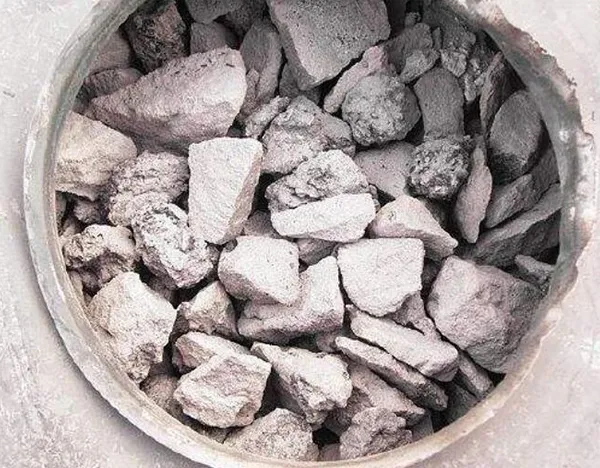
Purity of calcium carbide significantly affects acetylene quality and operational safety. Industrial-grade CaC2 typically contains 70-80% pure calcium carbide, with impurities such as calcium phosphide leading to unwanted gas mixtures and instability. Data indicate that carbides with purity below 75% increase explosion risk by up to 30% due to impurity-induced side reactions.
Controlling water purity and quantity is paramount. Industrial operators are recommended to use deionized or distilled water with less than 5 ppm dissolved solids. The reaction stoichiometry needs careful adjustment: typically 2 moles of water per mole of calcium carbide. Real-time monitoring through moisture sensors and automated dosing systems helps maintain this balance, preventing runaway reactions.
Reaction vessel design must accommodate controlled gas release and heat dissipation. Key features include:
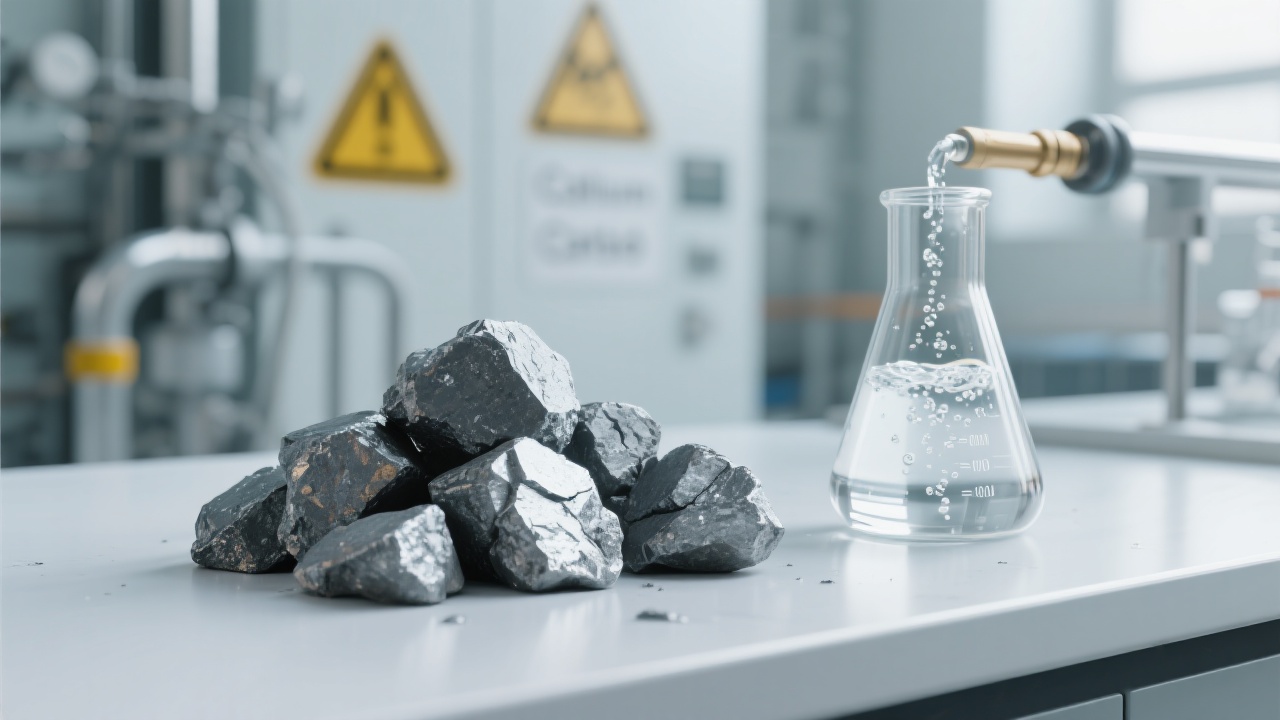
Maintaining stable acetylene flow rate is crucial to avoid pressure spikes and potential backfire events in oxyacetylene cutting. Recommended flow rates vary between 5 to 20 liters per minute depending on cutting thickness and scale. Flow meters and automated valves controlled via PLC systems enable precise regulation, ensuring the generated acetylene matches consumption.
Additionally, non-return check valves in gas lines eliminate reverse flow, further reducing flashback risks. Regular inspection and testing of flow control apparatus are mandated under safety standards such as OSHA and ISO 14175.
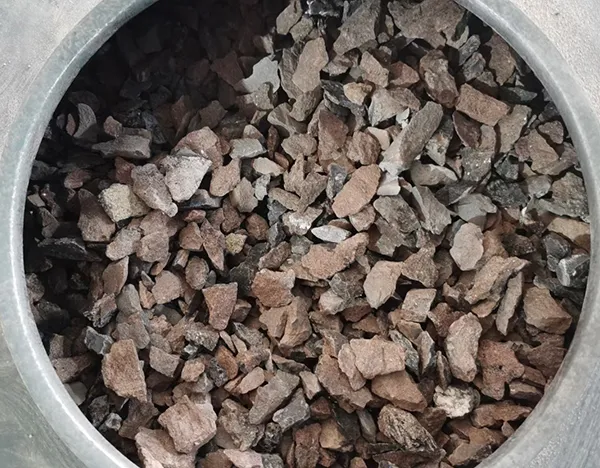
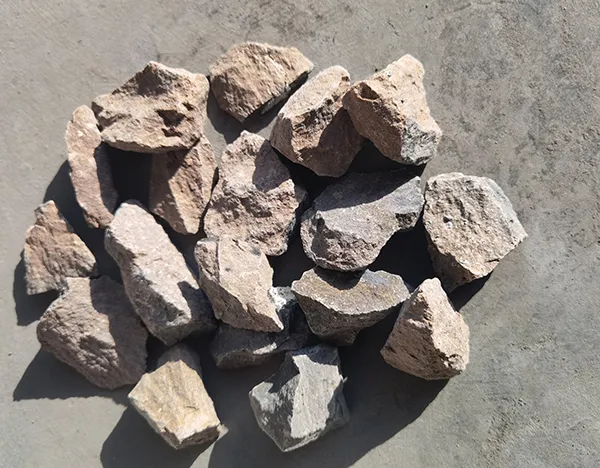
Particle size selection influences reaction uniformity and speed. Calcium carbide grains between 3-5 mm diameter strike a balance between surface area and controlled reactivity, reducing sudden gas generation bursts.
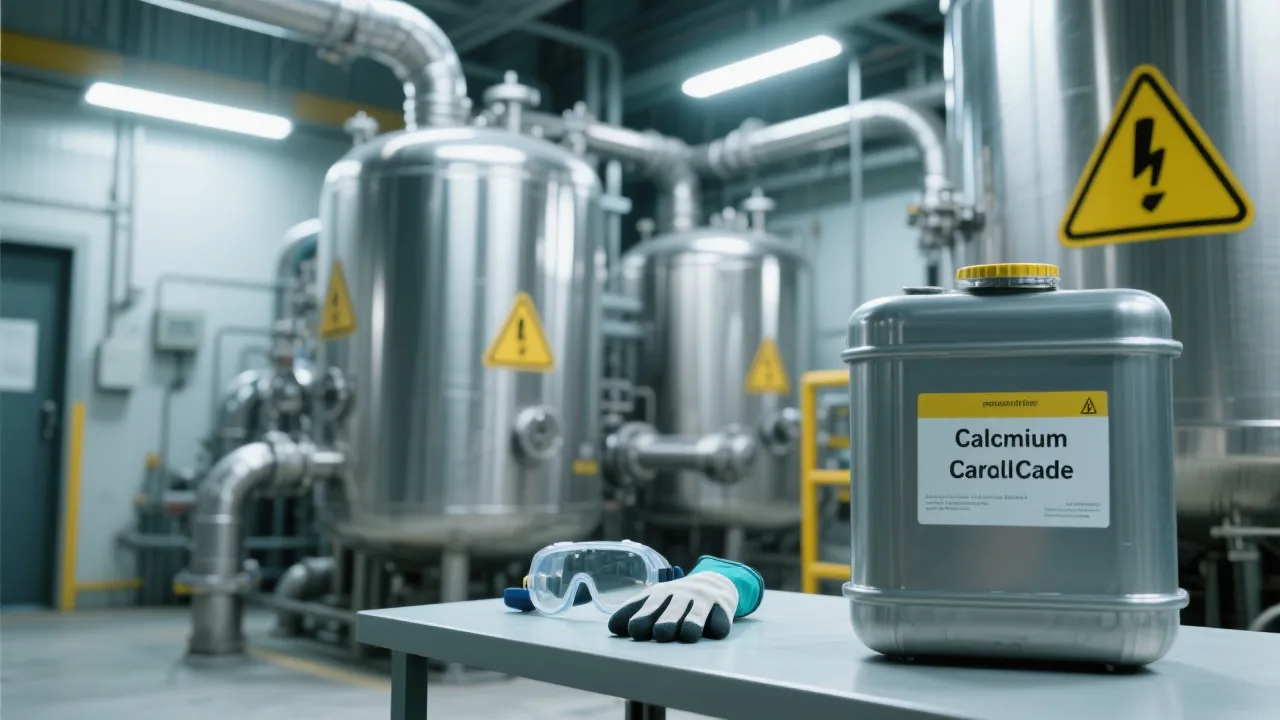
Dry storage under low humidity (<30% RH) conditions and using airtight containers prevent premature hydration and carbide degradation. Prolonged exposure (>48 hours) to ambient humidity can degrade carbide purity by over 10%, increasing reactive instability and impurity content.
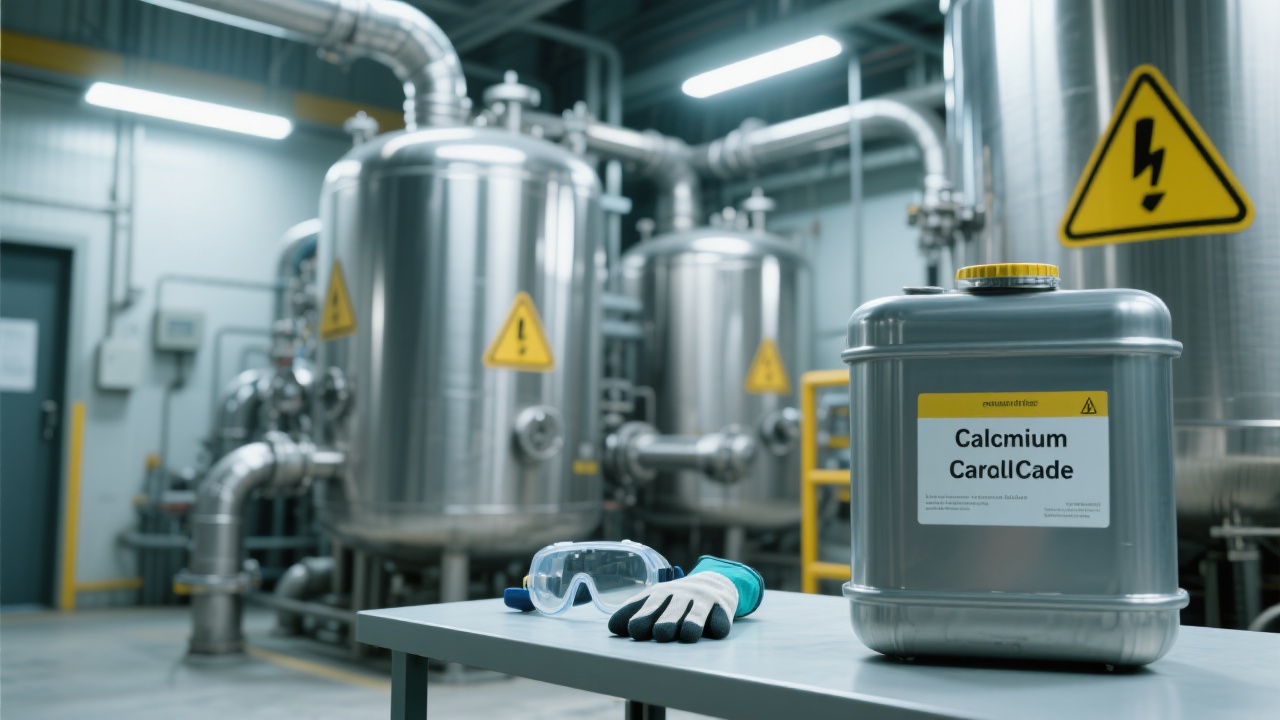
Despite advanced controls, human factors still account for many incidents. Frequent oversights include:
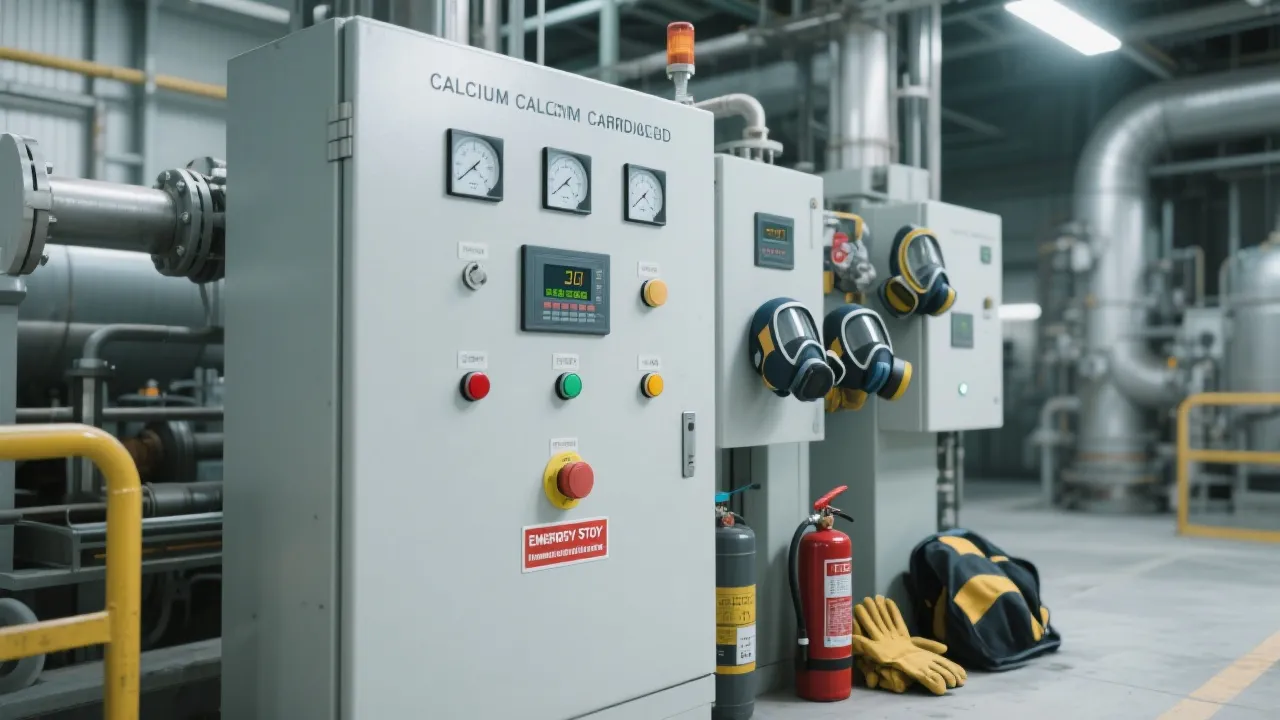
In a simulated scenario at a mid-size steel fabrication facility, sudden over-dosing of water led to pressure build-up and near-explosion due to delayed reaction vessel venting. Implementation of automated feed control combined with continuous acetylene concentration monitoring averted disaster, demonstrating the real-world value of integrated safety controls.

 72
|
72
|
 industrial calcium carbide storage
calcium carbide moisture control
solid carbide warehousing safety
calcium carbide storage mistakes
carbide packaging sealing standards
155
|
Calcium Carbide Pellet Production
10-15mm Calcium Carbide Quality Control
Calcium Carbide Temperature Control
Calcium Carbide Purity Improvement
Calcium Carbide Stability Enhancement
88
|
calcium carbide purity
acetylene yield
reaction efficiency
industrial acetylene production
impurity control
433
|
calcium carbide desulfurization
steel industry desulfurization
calcium carbide slag removal
desulfurization process optimization
electric arc furnace desulfurization
192
|
steel desulfurizer
calcium carbide desulfurizer
desulfurization efficiency
desulfurization cost analysis
steel quality improvement
industrial calcium carbide storage
calcium carbide moisture control
solid carbide warehousing safety
calcium carbide storage mistakes
carbide packaging sealing standards
155
|
Calcium Carbide Pellet Production
10-15mm Calcium Carbide Quality Control
Calcium Carbide Temperature Control
Calcium Carbide Purity Improvement
Calcium Carbide Stability Enhancement
88
|
calcium carbide purity
acetylene yield
reaction efficiency
industrial acetylene production
impurity control
433
|
calcium carbide desulfurization
steel industry desulfurization
calcium carbide slag removal
desulfurization process optimization
electric arc furnace desulfurization
192
|
steel desulfurizer
calcium carbide desulfurizer
desulfurization efficiency
desulfurization cost analysis
steel quality improvement






.png?x-oss-process=image/resize,h_600,m_lfit/format,webp)