.png?x-oss-process=image/resize,h_500,m_lfit/format,webp)
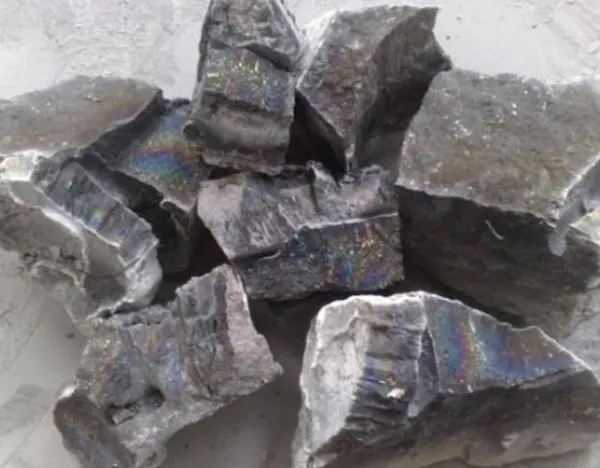
In the industrial desulfurization and related industries, accurately assessing the quality of calcium carbide (carbide) is crucial for ensuring the safety of production equipment and the stability of product quality. This article focuses on sharing on - site detection techniques for quickly determining the purity of calcium carbide through reaction rate and gas production, aiming to assist customers in these industries in making informed decisions.
The purity of calcium carbide has a significant impact on industrial desulfurization. Key factors include the content of calcium carbide and impurity indicators. For example, the content of calcium carbide directly affects the desulfurization efficiency. According to industry standards, in high - quality industrial - grade calcium carbide, the calcium carbide content should generally be above 80%. Meanwhile, impurities such as moisture, ash, phosphorus, and sulfur also play important roles. Excessive moisture can reduce the reaction rate of calcium carbide, and the ash content can affect the fluidity of the desulfurization agent. Industry standards usually require the moisture content to be less than 0.5% and the ash content to be less than 15%.
There are several mainstream laboratory detection technologies, such as titration and X - ray fluorescence spectroscopy. Titration is a classic chemical analysis method. By using a specific reagent to react with calcium carbide and measuring the volume of the reagent consumed, the content of calcium carbide can be accurately calculated. The accuracy of this method can reach up to 0.1%. X - ray fluorescence spectroscopy, on the other hand, can quickly and non - destructively analyze the elemental composition of calcium carbide, including the content of various impurities. The analysis time is usually within 10 minutes, which is very efficient.
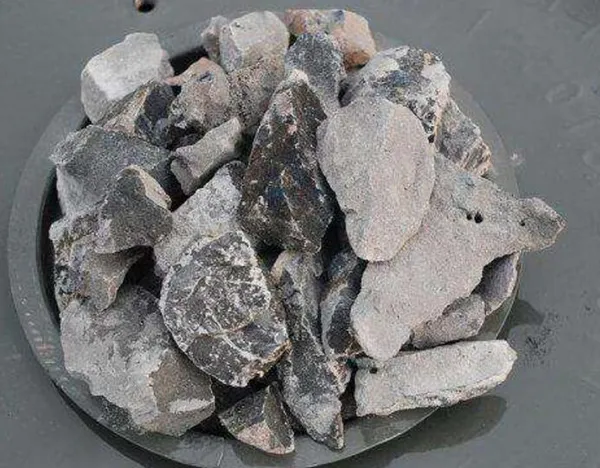
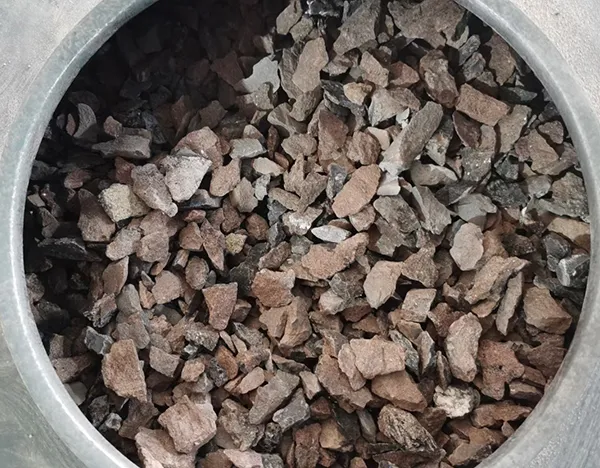
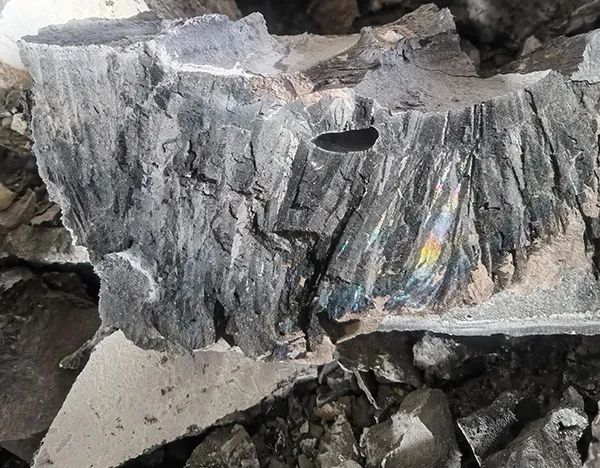
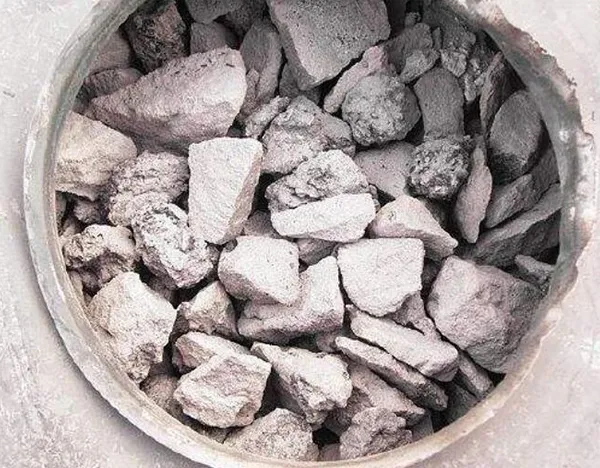
On - site quick judgment techniques are of great practical value. One of the most important methods is to evaluate the reaction rate and gas production. When calcium carbide reacts with water, the reaction rate is related to its purity. High - purity calcium carbide reacts rapidly and vigorously, producing a large amount of acetylene gas. Through experiments, it has been found that for calcium carbide with a purity of over 85%, the reaction can reach its peak within 2 - 3 minutes, and the gas production can reach more than 300 liters per kilogram of calcium carbide. In addition, the experience of front - line technicians in Xinjiang and Ningxia regions is also very valuable. They can quickly judge the quality of calcium carbide based on the sound, color, and other phenomena during the reaction.
The procurement environment in different regions has its own characteristics. In Xinjiang and Ningxia, the climate and raw material sources are different, which may affect the quality of calcium carbide. By analyzing sample data from these regions, we can better understand the local calcium carbide quality. For example, in some areas of Xinjiang, due to the special geological conditions, the calcium carbide may contain a certain amount of specific metal impurities. By referring to the experience of local technicians and analyzing the data, we can more accurately screen high - quality calcium carbide.
Charts and flowcharts are used to present the detection data comparison and typical cases, which can enhance the intuitiveness and understandability of the content. For example, a comparison chart of gas production and reaction time for calcium carbide with different purities can clearly show the relationship between purity and reaction characteristics.
In conclusion, by using scientific and rapid detection methods, enterprises can effectively screen high - quality calcium carbide, improve the reliability and competitiveness of the supply chain. If you are looking for high - quality calcium carbide suppliers, please click here to contact us. We can provide you with high - quality calcium carbide products and professional technical support to help you achieve efficient calcium carbide quality control.
 122
|
122
|
 Calcium carbide safety use
Calcium carbide protection
Calcium carbide risk prevention
Inner Mongolia Longwei Chemical
Acetylene generation
190
|
calcium carbide storage
calcium carbide properties
chemical raw material safety
acetylene generation
export quality assurance
178
|
calcium carbide storage safety
acetylene gas production
chemical raw material handling
industrial chemical storage guidelines
calcium carbide safety precautions
184
|
steel desulfurization process
calcium carbide application
iron pretreatment technology
sulfur removal in steelmaking
Xinjiang steel plant case study
98
|
calcium carbide
calcium carbide desulfurizer
steel manufacturing calcium carbide
industrial raw material supply
acetylene gas production
Calcium carbide safety use
Calcium carbide protection
Calcium carbide risk prevention
Inner Mongolia Longwei Chemical
Acetylene generation
190
|
calcium carbide storage
calcium carbide properties
chemical raw material safety
acetylene generation
export quality assurance
178
|
calcium carbide storage safety
acetylene gas production
chemical raw material handling
industrial chemical storage guidelines
calcium carbide safety precautions
184
|
steel desulfurization process
calcium carbide application
iron pretreatment technology
sulfur removal in steelmaking
Xinjiang steel plant case study
98
|
calcium carbide
calcium carbide desulfurizer
steel manufacturing calcium carbide
industrial raw material supply
acetylene gas production







.png?x-oss-process=image/resize,h_600,m_lfit/format,webp)