.png?x-oss-process=image/resize,h_500,m_lfit/format,webp)
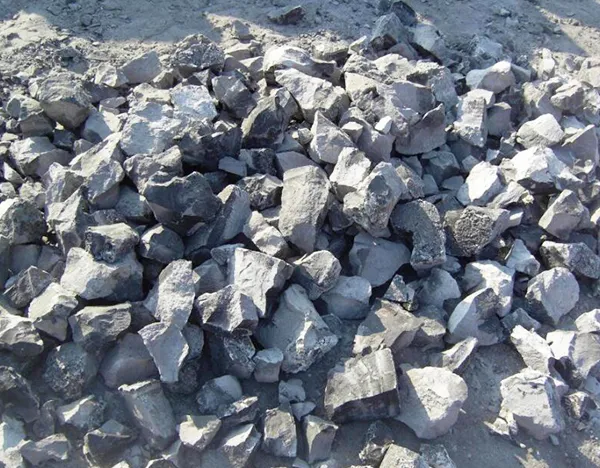
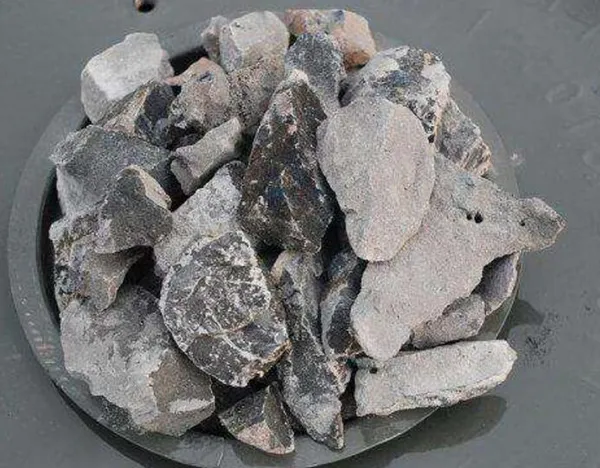
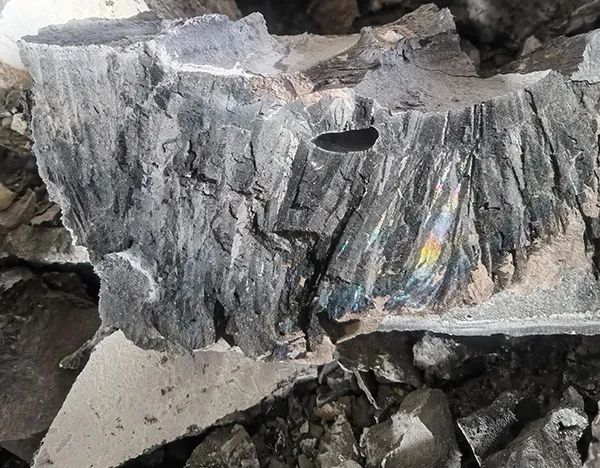
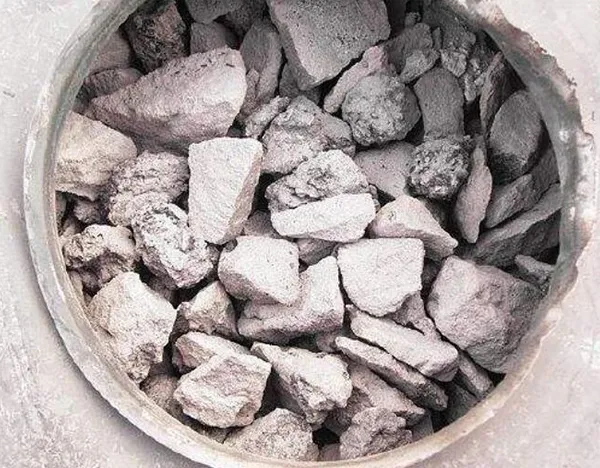
In the realm of industrial desulfurization, the purity of calcium carbide (CaC₂) plays a pivotal role. This article delves deep into the significant impact of calcium carbide purity on industrial - grade desulfurization, meticulously analyzing the key indicators and standard requirements for detecting calcium carbide content, moisture, ash, and impurity metal elements.
The content of calcium carbide is the most crucial factor affecting desulfurization efficiency. Industry standards typically require a calcium carbide content of over 80% for high - quality industrial desulfurization. Moisture in calcium carbide can not only reduce its reactivity but also cause safety hazards during storage and transportation. The allowable moisture content is generally less than 0.5%. Ash content reflects the amount of non - combustible substances in calcium carbide, and an ideal ash content should be below 3%. Impurity metal elements, such as iron, aluminum, and silicon, can also have a negative impact on the desulfurization process, and their total content should be controlled within 1%.
| Indicator | Standard Requirement |
|---|---|
| Calcium Carbide Content | Over 80% |
| Moisture | Less than 0.5% |
| Ash Content | Below 3% |
| Total Impurity Metal Elements | Within 1% |
Titration is a classic method for analyzing calcium carbide. It is based on the reaction between calcium carbide and water to produce acetylene, and then titrating the remaining reactants to determine the calcium carbide content. The steps include sample preparation, reaction with water, and titration with a standard solution. X - ray fluorescence spectroscopy, on the other hand, is a non - destructive testing method. It irradiates the sample with X - rays and measures the characteristic X - rays emitted by the elements in the sample to determine the content of various elements.

A flowchart can clearly show the operation steps of these two methods:

In addition to laboratory testing, on - site quick judgment is also very important. By observing the reaction rate between calcium carbide and water and the amount of gas produced, we can roughly estimate the quality of calcium carbide. For example, a high - quality calcium carbide reacts rapidly with water, producing a large amount of acetylene gas. According to the experience of front - line technicians in Xinjiang, a sample that can produce more than 300 liters of acetylene gas per kilogram at room temperature is generally of good quality.
In the procurement environment of Xinjiang, front - line technical teams have accumulated rich experience. They pay special attention to the interpretation of sample data. For example, if the iron content in the sample is too high, it may cause problems such as equipment corrosion during the desulfurization process. By analyzing historical data, they have also found some preventive measures to avoid common problems caused by impurities.

By establishing a scientific and reliable calcium carbide quality control system, enterprises can improve desulfurization efficiency, enhance product quality stability, and optimize supply chain management. At the end of this article, we provide high - quality calcium carbide supply channels to meet the high - standard requirements of industrial users. If you are looking for high - quality calcium carbide for industrial desulfurization, please contact our trusted suppliers to support your brand's competitiveness.
 203
|
203
|
 calcium carbide storage safety
high purity calcium carbide
carbonized calcium handling
acetylene gas risk
safe chemical storage
343
|
calcium carbide safety
phosphine explosion prevention
calcium carbide quality testing
industrial gas hazards
calcium carbide handling procedures
293
|
high purity calcium carbide
calcium carbide quality control
calcium carbide production capacity
calcium carbide applications
industrial calcium carbide supplier
388
|
calcium carbide applications
high purity calcium carbide
calcium carbide production process
acetylene gas generation
industrial calcium carbide
85
|
high purity calcium carbide
calcium carbide safety
acetylene generation reaction
phosphine explosion risk
calcium carbide storage and transport
calcium carbide storage safety
high purity calcium carbide
carbonized calcium handling
acetylene gas risk
safe chemical storage
343
|
calcium carbide safety
phosphine explosion prevention
calcium carbide quality testing
industrial gas hazards
calcium carbide handling procedures
293
|
high purity calcium carbide
calcium carbide quality control
calcium carbide production capacity
calcium carbide applications
industrial calcium carbide supplier
388
|
calcium carbide applications
high purity calcium carbide
calcium carbide production process
acetylene gas generation
industrial calcium carbide
85
|
high purity calcium carbide
calcium carbide safety
acetylene generation reaction
phosphine explosion risk
calcium carbide storage and transport









.png?x-oss-process=image/resize,h_600,m_lfit/format,webp)