.png?x-oss-process=image/resize,h_500,m_lfit/format,webp)

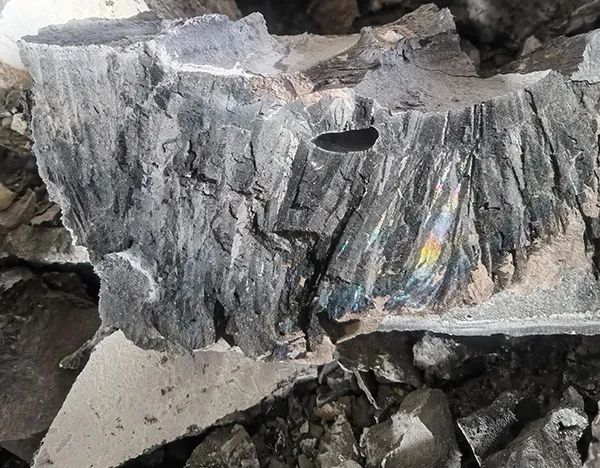
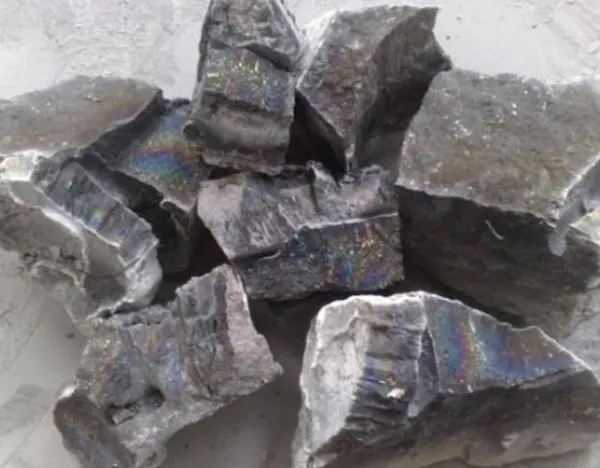
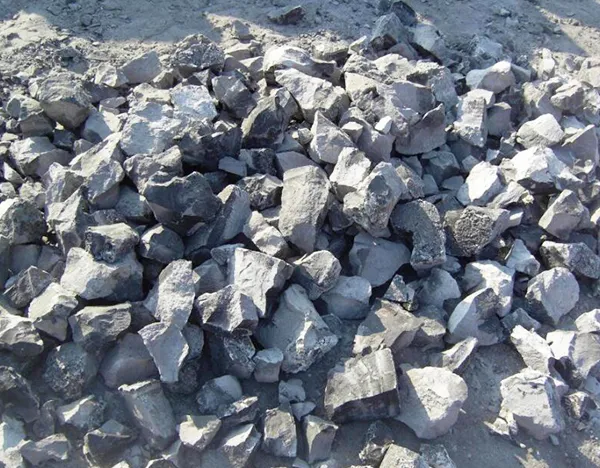
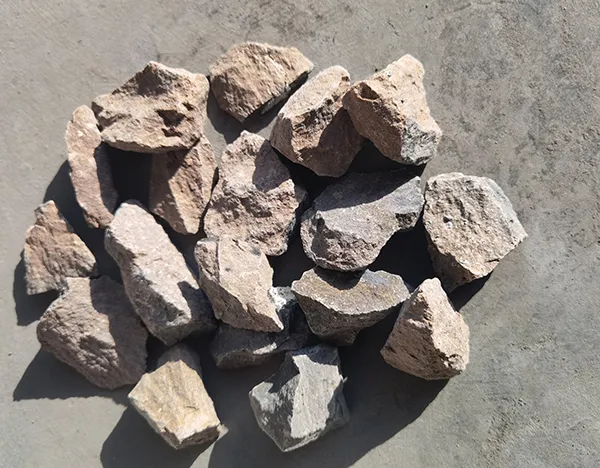
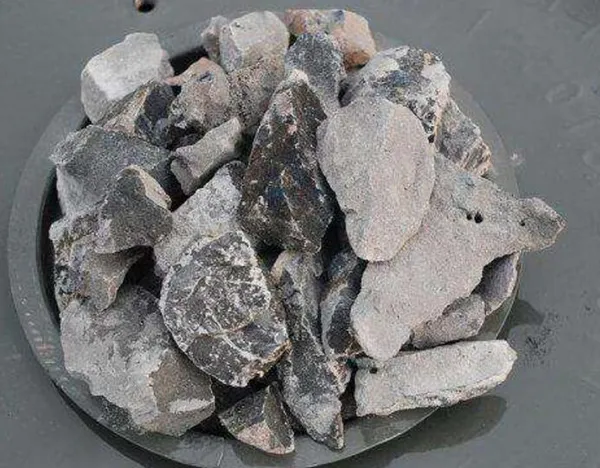
In the steel industry, calcium carbide (CaC2) — commonly referred to as carbide — serves as a cornerstone desulfurizing agent. Its ability to selectively remove sulfur from molten iron significantly enhances steel quality and production stability. However, the effectiveness of calcium carbide desulfurization relies heavily on optimizing critical operational parameters, chiefly temperature, particle size, and the timing of additive introduction. This article synthesizes chemical principles, real-world operational data from Xinjiang-based steel plants, and industry best practices to provide a practical guide for plant engineers and process technicians focused on maximizing desulfurization efficiency while minimizing cost.
The underlying desulfurization reaction involves calcium carbide reacting with dissolved sulfur in molten iron to form calcium sulfide (CaS) and carbon:
CaC2 + S → CaS + 2C
This reaction drives the removal of harmful sulfur inclusions, which, if left unchecked, impair steel’s mechanical properties. The quality of calcium sulfide inclusions formed also affects slag behavior and overall steel cleanliness. Understanding this reaction lays the foundation for controlling process parameters.
In collaboration with Xinjiang steelmakers, extensive data logs comparing pre- and post-optimization processes reveal substantial gains:
| Parameter | Before Optimization | After Optimization | Improvement |
|---|---|---|---|
| Desulfurization Efficiency (%) | 72% | 89% | +17% |
| Average Reaction Temperature (°C) | 1430 | 1550 | +120 |
| Optimal CaC2 Particle Size (mm) | 5 - 7 | 2 - 3 | Fine-tuning |
Above data illustrates how refining the particle size distribution and aligning addition timing with thermal conditions led to a near 20% boost in sulfur removal efficiency, directly impacting downstream steel properties and reducing rework costs.
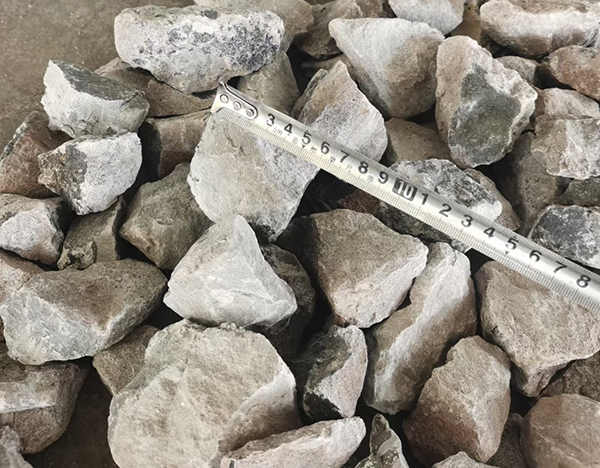
Effective CaC2 desulfurization demands vigilance on practical challenges:
“Precise control of calcium carbide particle size and addition timing — coordinated with rigorous temperature monitoring — constitutes the linchpin of modern desulfurization strategy.” — Dr. Liang Chen, Steel Process Engineer
Forward-looking steel producers are adopting pre-treatment furnace injection technologies that enable real-time dosing of calcium carbide guided by continuous sulfur sensor inputs. Such innovations promise to trim material waste by up to 15% while boosting desulfurization uniformity. Integration with PLC (Programmable Logic Controllers) systems ensures dynamic control aligned with transient process conditions.
Organizations striving for operational excellence should evaluate such cutting-edge approaches alongside traditional batch dosing to tailor solutions fitting their production scale and quality targets.
Optimizing calcium carbide desulfurization is a complex interplay of chemical kinetics, material properties, and operational timing. Steelmakers equipped with a solid grasp of these factors and committed to continuous improvement can attain significant cost savings and product quality enhancement. Continuing innovations in injection technology further elevate the potential gains, making this an exciting area for strategic investment.
 110
|
110
|
 high-purity calcium carbide
calcium carbide quality control
calcium carbide production process
calcium carbide applications
calcium carbide manufacturing
483
|
Calcium carbide storage essentials
Calcium carbide transportation safety
Calcium carbide warehousing management
Acetylene gas production raw material
Chemical raw material safety management
244
|
["high-performance calcium carbide"
"calcium carbide supply chain"
"acetylene gas production"
"industrial chemical exports"
"customer-centric service"]
480
|
calcium carbide
high stability chemicals
multi-industry applications
319
|
Calcium carbide
Industrial desulfurizer
Acetylene gas generation
Steel quality improvement
Longwei Chemical supply chain
high-purity calcium carbide
calcium carbide quality control
calcium carbide production process
calcium carbide applications
calcium carbide manufacturing
483
|
Calcium carbide storage essentials
Calcium carbide transportation safety
Calcium carbide warehousing management
Acetylene gas production raw material
Chemical raw material safety management
244
|
["high-performance calcium carbide"
"calcium carbide supply chain"
"acetylene gas production"
"industrial chemical exports"
"customer-centric service"]
480
|
calcium carbide
high stability chemicals
multi-industry applications
319
|
Calcium carbide
Industrial desulfurizer
Acetylene gas generation
Steel quality improvement
Longwei Chemical supply chain







.png?x-oss-process=image/resize,h_600,m_lfit/format,webp)