.png?x-oss-process=image/resize,h_500,m_lfit/format,webp)
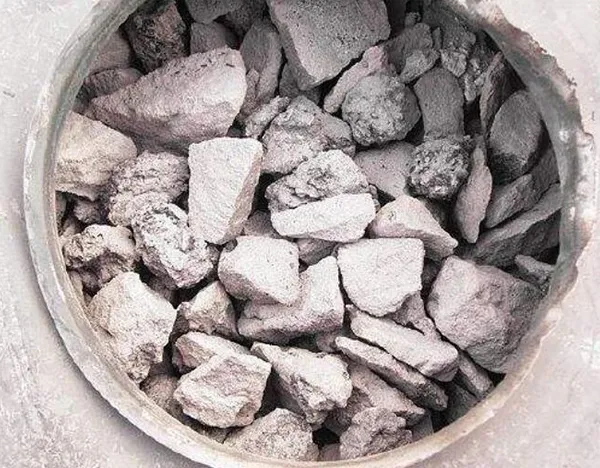
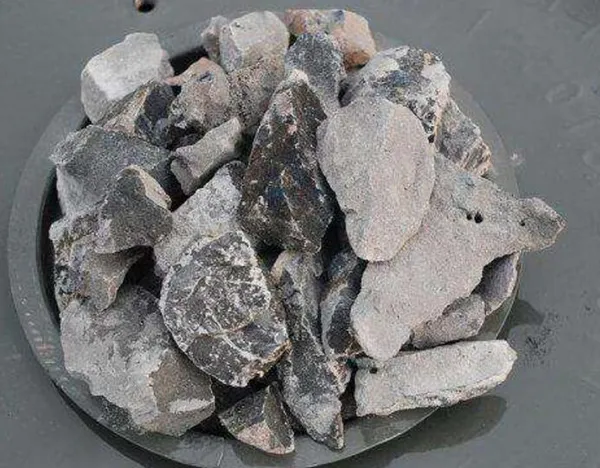
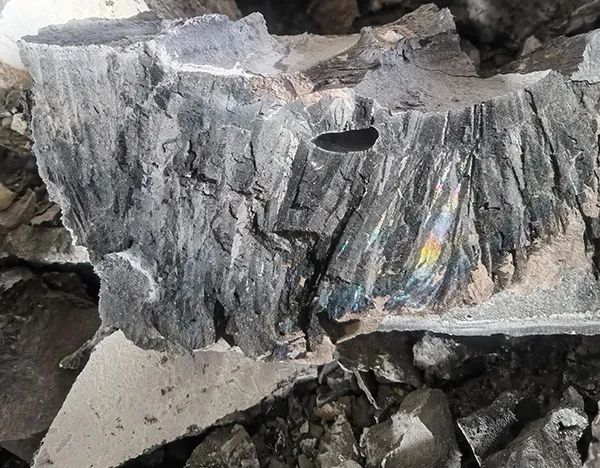
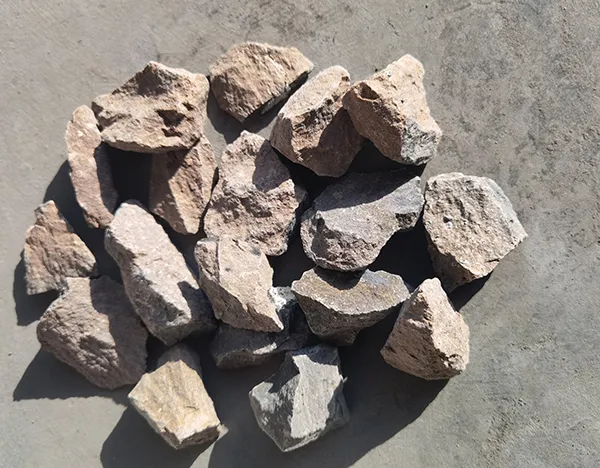
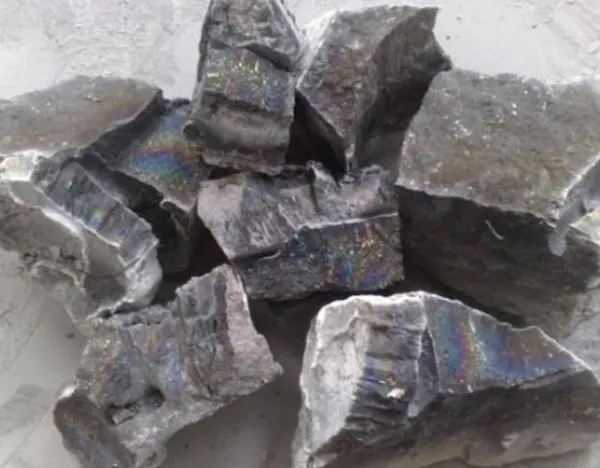
Calcium carbide (calcium carbide) plays a crucial role in steel desulfurization. Its high melting point ensures a stable reaction at high temperatures. In this guide, we will delve into the chemical reaction mechanism of calcium carbide desulfurization, analyze the key factors affecting desulfurization efficiency, and present practical cases and solutions.
The desulfurization process using calcium carbide is based on a chemical reaction. When calcium carbide (CaC₂) reacts with sulfur (S) in molten iron, it forms calcium sulfide (CaS) and carbon monoxide (CO) gas. The chemical equation is as follows: CaC₂ + S = CaS + 2C + CO. This reaction effectively removes sulfur from the molten iron, thereby improving the quality of the steel.
There are three key factors that significantly impact the desulfurization efficiency: temperature, particle size, and the timing of addition.
**Temperature**: Higher temperatures generally promote the reaction rate. However, excessive temperatures may cause the evaporation of calcium carbide. In practice, maintaining the temperature between 1350 - 1450°C can achieve a relatively high desulfurization efficiency.
**Particle Size**: The particle size of calcium carbide affects the reaction surface area. Smaller particles provide a larger reaction area, which can enhance the reaction rate. Generally, a particle size of 1 - 3 mm is considered optimal for desulfurization.
**Timing of Addition**: Adding calcium carbide at the right time is crucial. Adding it too early may lead to premature reactions, while adding it too late may not fully utilize its desulfurization potential. In most cases, adding calcium carbide when the molten iron temperature is stable and the sulfur content is relatively high is the best practice.
We introduce a case study from a typical steel mill in Xinjiang. Before parameter optimization, the desulfurization efficiency was only about 60%. After optimizing the particle size, temperature, and addition timing, the desulfurization efficiency increased to over 80%. The following table shows the comparison data:
| Parameters | Before Optimization | After Optimization |
|---|---|---|
| Particle Size (mm) | 3 - 5 | 1 - 3 |
| Temperature (°C) | 1300 - 1350 | 1350 - 1450 |
| Desulfurization Efficiency (%) | 60 | 80 |
Based on the above analysis, here are some practical recommendations:
The latest research in the industry shows that new desulfurization technologies are constantly emerging. However, calcium carbide desulfurization still has significant advantages in terms of cost - effectiveness and stability. Our high - purity calcium carbide products have been verified in many steel mills for their desulfurization effects. Click here to learn more about our technical support and supply solutions.
 120
|
120
|
 calcium carbide
acetylene gas production
oxy-fuel welding
high-purity calcium carbide
chemical raw material supply
33
|
calcium carbide storage safety
high purity calcium carbide
calcium carbide handling guidelines
inner mongolia longwei chemical
carbonated calcium products
456
|
calcium carbide safety
phosphine poisoning prevention
impurity control in calcium carbide
acetylene gas hazards
industrial chemical safety management
408
|
Calcium carbide use safety
Calcium phosphide impurity risk
Calcium carbide quality inspection
Acetylene generation risk
Calcium carbide safety operation specifications
117
|
calcium carbide applications
calcium carbide metallurgy use
calcium carbide electrical conductivity
calcium carbide electrode materials
carbide in steelmaking
calcium carbide
acetylene gas production
oxy-fuel welding
high-purity calcium carbide
chemical raw material supply
33
|
calcium carbide storage safety
high purity calcium carbide
calcium carbide handling guidelines
inner mongolia longwei chemical
carbonated calcium products
456
|
calcium carbide safety
phosphine poisoning prevention
impurity control in calcium carbide
acetylene gas hazards
industrial chemical safety management
408
|
Calcium carbide use safety
Calcium phosphide impurity risk
Calcium carbide quality inspection
Acetylene generation risk
Calcium carbide safety operation specifications
117
|
calcium carbide applications
calcium carbide metallurgy use
calcium carbide electrical conductivity
calcium carbide electrode materials
carbide in steelmaking







.png?x-oss-process=image/resize,h_600,m_lfit/format,webp)