.png?x-oss-process=image/resize,h_500,m_lfit/format,webp)
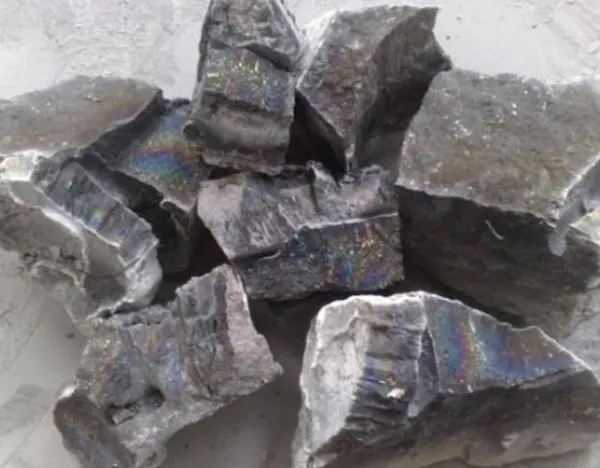
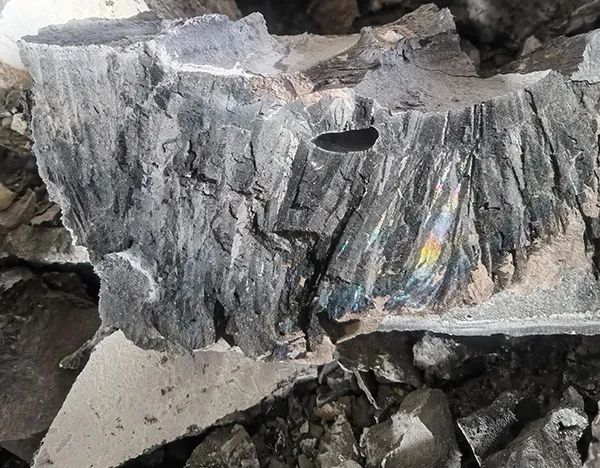
Calcium carbide (CaC₂) plays a crucial role in the steel desulfurization process. With a high melting point of approximately 2300°C and strong reaction activity, it has become an ideal desulfurizing agent in the converter and hot metal pretreatment stages. This article delves into the chemical reaction mechanism between CaC₂ and sulfur in hot metal, systematically analyzes core influencing factors such as temperature, particle size, and addition timing, and provides practical optimization suggestions for operating parameters and troubleshooting guides for common problems based on the actual application cases of typical steel mills in Xinjiang. The content combines technical depth with practical value, helping metallurgical practitioners use materials scientifically, reduce costs, and increase efficiency to achieve the goal of high - quality steel production.
The chemical reaction of calcium carbide desulfurization is represented by the equation: CaC₂ + [S] → CaS + 2CO↑. This reaction emphasizes the high - temperature stability and reaction driving force of calcium carbide. At high temperatures, calcium carbide can react with sulfur in hot metal to form calcium sulfide and carbon monoxide. The high melting point of calcium carbide ensures its stability in the high - temperature environment of steelmaking, providing a strong driving force for the desulfurization reaction.

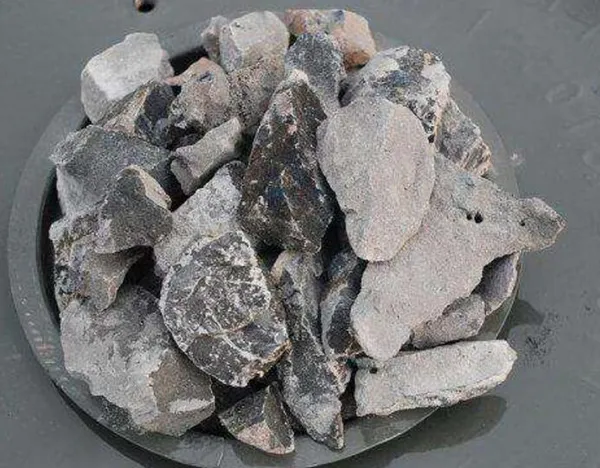
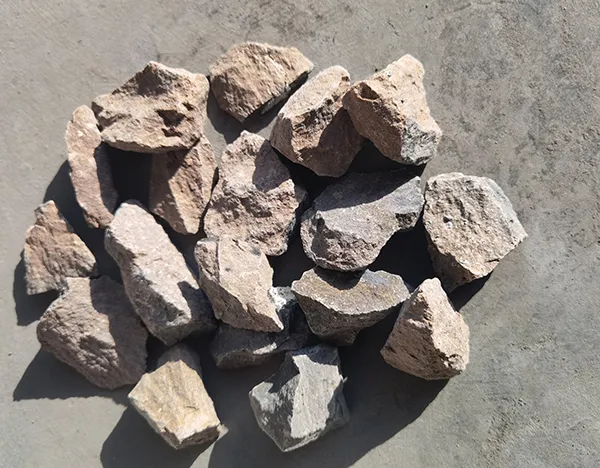
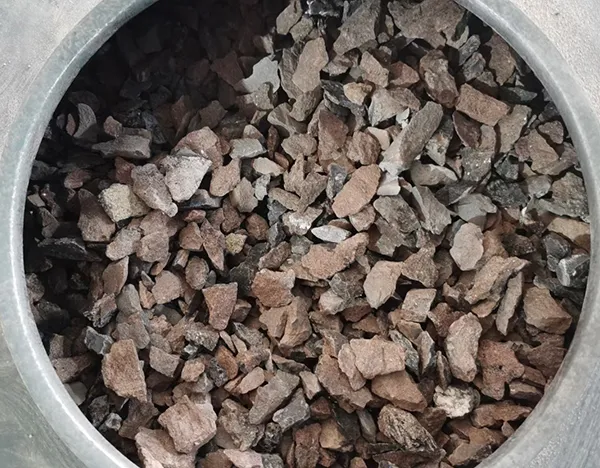
Temperature control is crucial. The optimal temperature range for desulfurization is between 1450–1600°C. Within this range, the reaction rate between calcium carbide and sulfur is relatively high, and the desulfurization efficiency is maximized. The particle size distribution also has a significant impact. A particle size of ≤10mm is considered appropriate, as smaller particles can increase the contact area between calcium carbide and sulfur, promoting the reaction. Regarding the addition method, batch addition in the hot metal ladle is recommended. This can ensure a more uniform reaction and improve desulfurization efficiency.
Based on the real - world data from a large steel mill in Xinjiang, after reducing the calcium carbide dosage by 15%, the sulfur content in the steel still remained below 0.015%. This shows that through the optimization of the desulfurization process, it is possible to achieve the goal of reducing costs while maintaining high - quality steel production. The steel mill adjusted the temperature, particle size, and addition method according to the research results, achieving significant process improvement.
“The successful application of calcium carbide desulfurization in Xinjiang steel mills provides valuable experience for the metallurgical industry. By optimizing the desulfurization process, steel mills can not only reduce costs but also improve product quality.” - A research paper on steel desulfurization
During the desulfurization process, common abnormal phenomena such as splashing and fluctuations in desulfurization rate may occur. For splashing, it may be caused by improper addition speed or excessive reaction heat. By adjusting the addition speed and controlling the reaction heat, this problem can be solved. For fluctuations in desulfurization rate, factors such as temperature changes, particle size differences, and addition timing need to be considered. By carefully analyzing these factors, corresponding solutions can be found.
There are also new research progress in the industry. For example, microwave - assisted activation of calcium carbide can increase the reaction rate, and the development trend of new composite desulfurizing agents is also attracting attention. These new technologies and research results provide new ideas for the further optimization of the steel desulfurization process.
Do you encounter problems such as uneven desulfurization? Welcome to leave a message and share your experiences. Our high - purity calcium carbide products have been stably supplied to multiple steel mills. Welcome to consult the technical manual to learn more about the performance details.
 136
|
136
|
 high-purity calcium carbide
acetylene gas raw material
steel desulfurization agent
industrial calcium carbide application
Longwei Chemical
97
|
Calcium carbide storage safety
Calcium carbide leakage accidents
Chemical storage specifications
Risk of acetylene generation
Industrial chemical safety management
443
|
High - purity calcium carbide
Calcium carbide quality assurance
Chemical raw materials
Pharmaceutical raw material safety
Calcium carbide supply advantage
436
|
high quality calcium carbide
calcium carbide supply chain
acetylene gas production
steel desulfurization agent
industrial calcium carbide applications
449
|
export calcium carbide
calcium carbide production stability
ordos supply chain advantage
industrial calcium carbide
high purity calcium carbide
high-purity calcium carbide
acetylene gas raw material
steel desulfurization agent
industrial calcium carbide application
Longwei Chemical
97
|
Calcium carbide storage safety
Calcium carbide leakage accidents
Chemical storage specifications
Risk of acetylene generation
Industrial chemical safety management
443
|
High - purity calcium carbide
Calcium carbide quality assurance
Chemical raw materials
Pharmaceutical raw material safety
Calcium carbide supply advantage
436
|
high quality calcium carbide
calcium carbide supply chain
acetylene gas production
steel desulfurization agent
industrial calcium carbide applications
449
|
export calcium carbide
calcium carbide production stability
ordos supply chain advantage
industrial calcium carbide
high purity calcium carbide







.png?x-oss-process=image/resize,h_600,m_lfit/format,webp)