.png?x-oss-process=image/resize,h_500,m_lfit/format,webp)
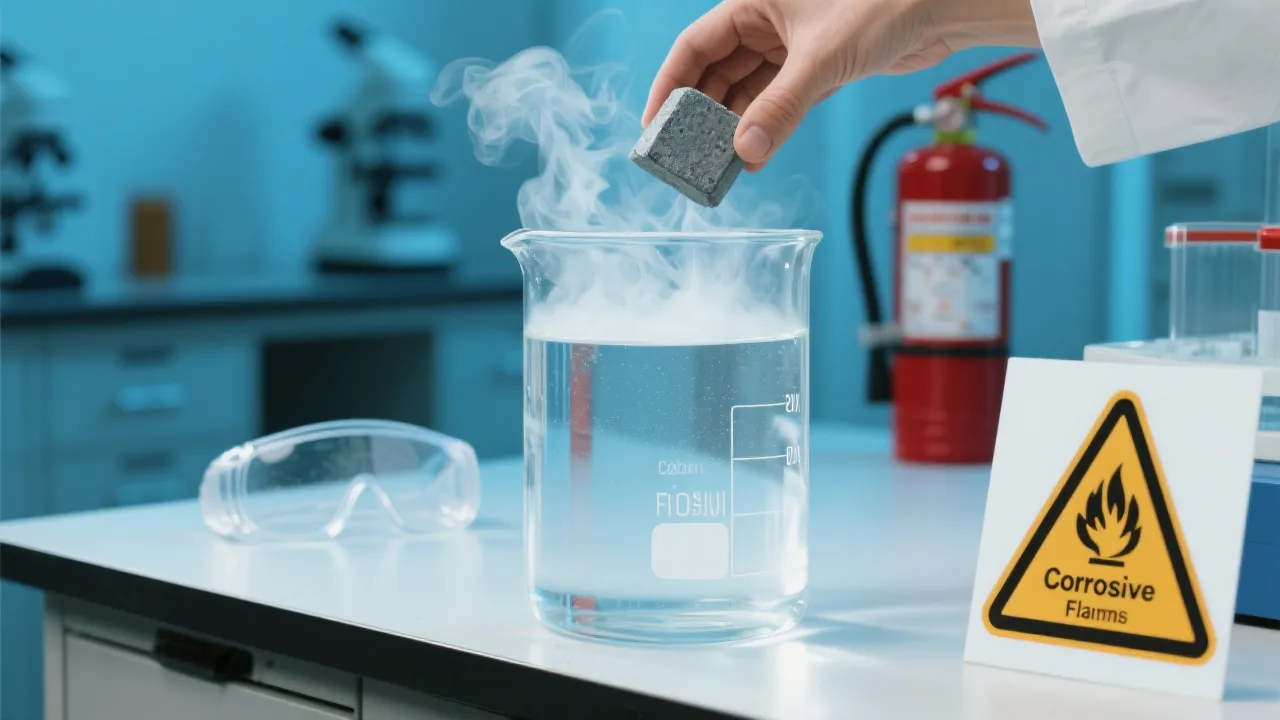
In laboratory settings across academic institutions, research facilities, and small to medium chemical enterprises, the preparation of acetylene gas demands meticulous attention to both operational safety and gas purity. Improper handling can lead to hazardous reactions or compromised experimental results. This comprehensive guide explores the critical design elements and operational protocols for acetylene generation systems, drawing on industry best practices and real-world applications.
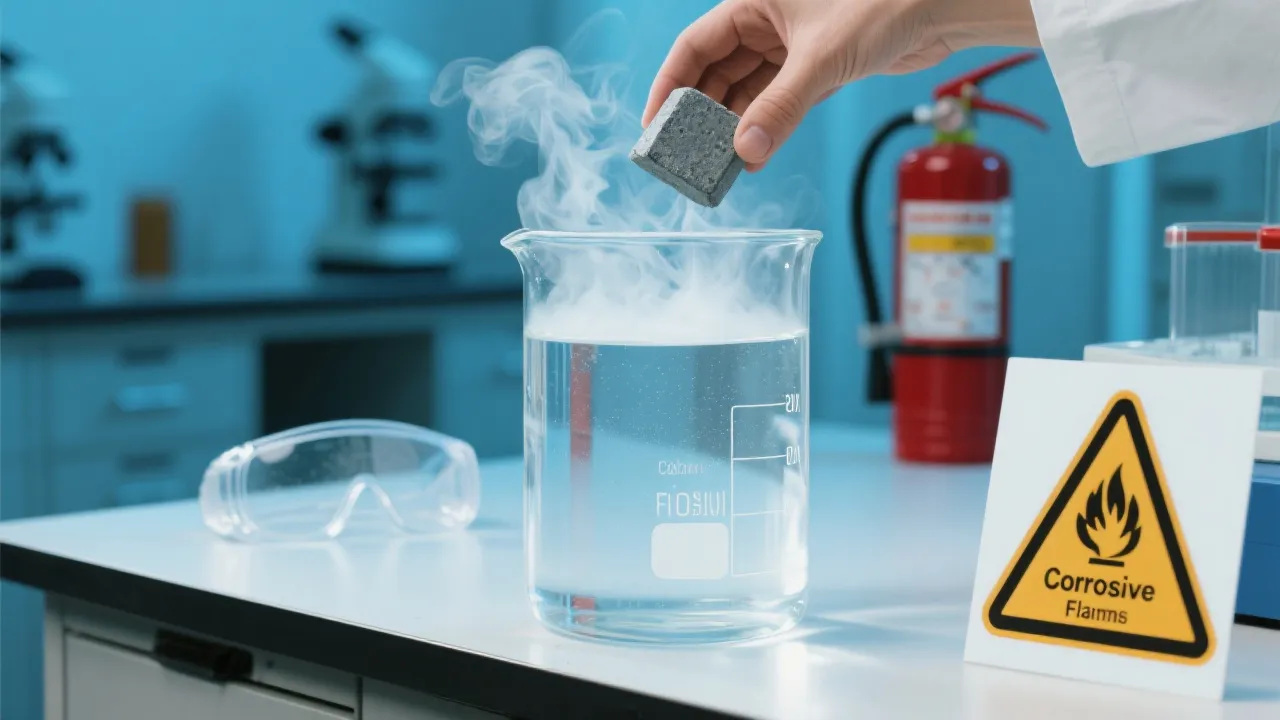
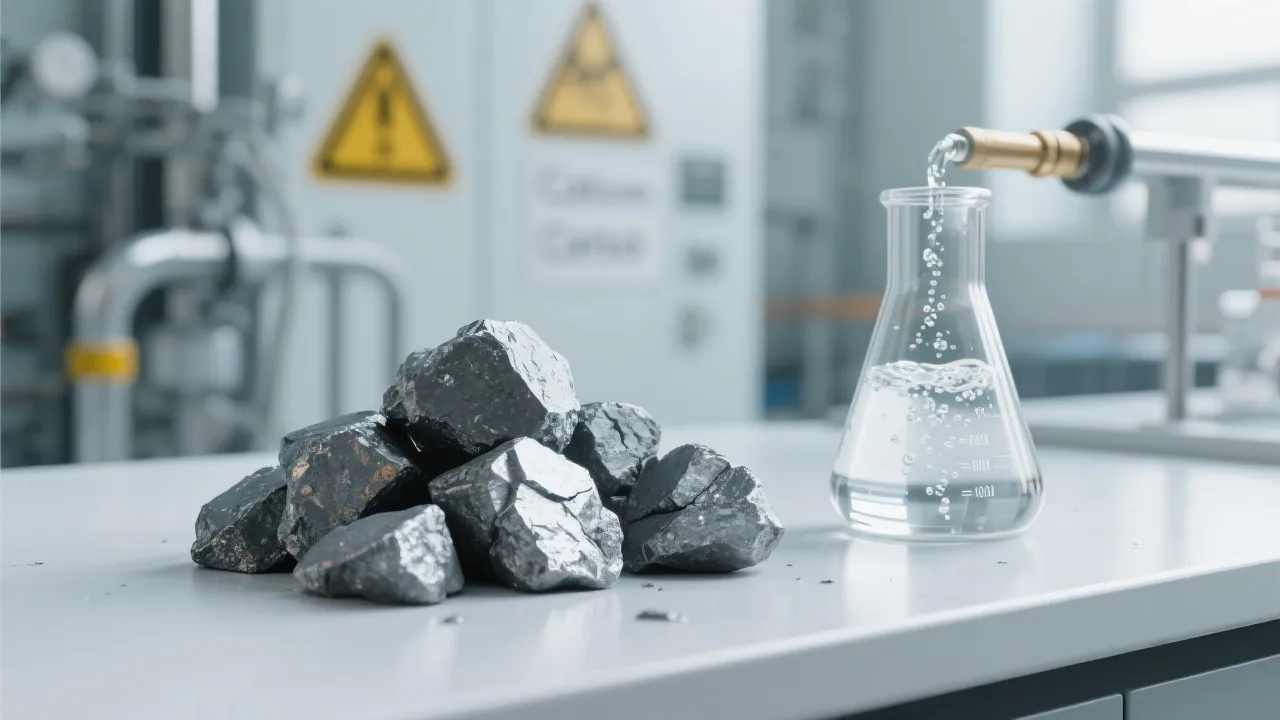
Acetylene (C₂H₂) production in laboratory environments typically involves the reaction between calcium carbide (CaC₂) and water, following the chemical equation: CaC₂ + 2H₂O → C₂H₂↑ + Ca(OH)₂. While看似 straightforward, this exothermic reaction can generate temperatures exceeding 100°C if not properly controlled, creating significant safety risks including potential explosion when acetylene is compressed above 1.5 bar or mixed with air in concentrations between 2.5% and 82% by volume.
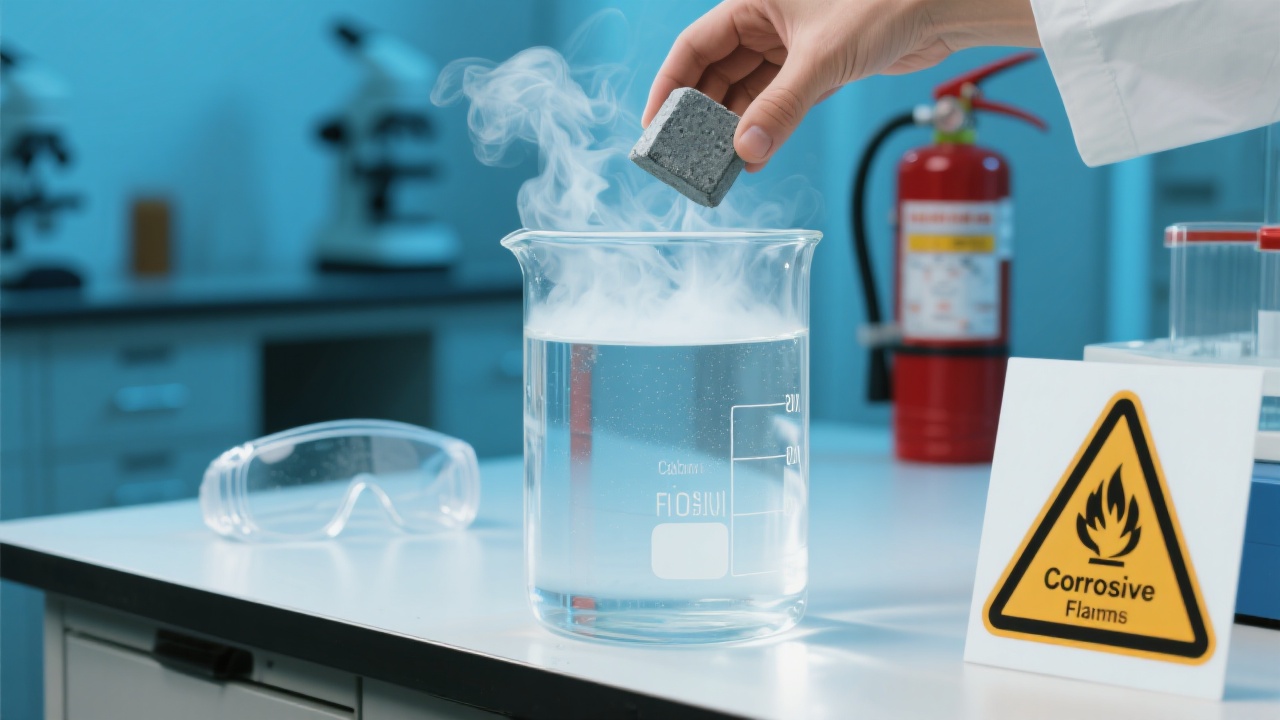
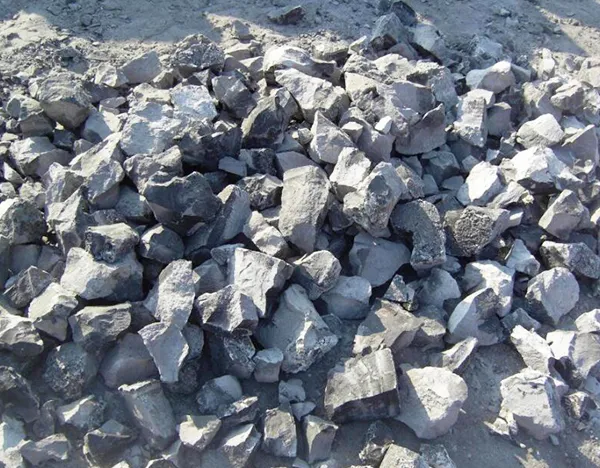
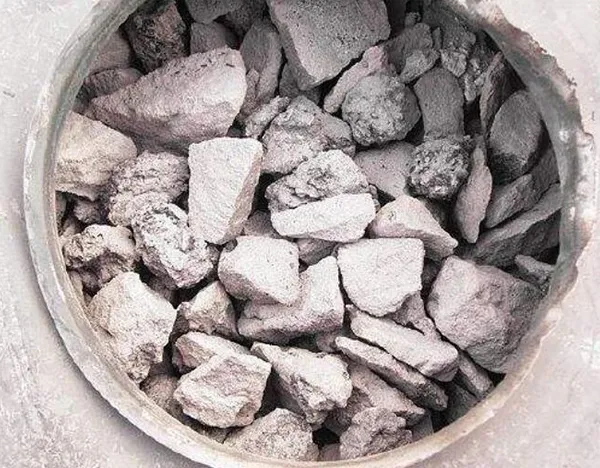
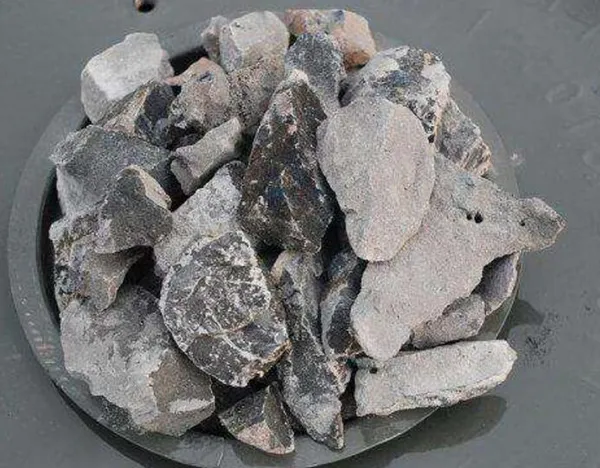
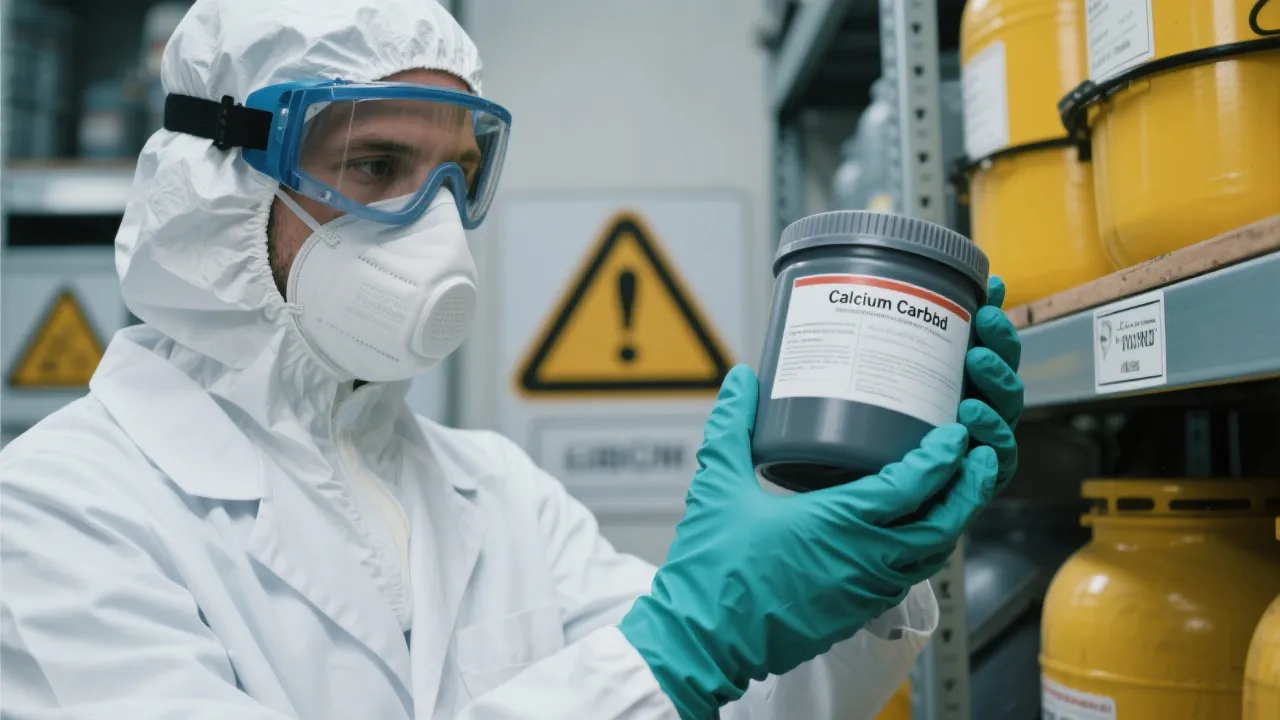
The chemical properties of calcium carbide directly impact reaction dynamics and gas quality. Industrial-grade calcium carbide typically contains 70-85% CaC₂, with varying levels of impurities including calcium phosphide (Ca₃P₂), calcium sulfide (CaS), and silicon carbide (SiC). These impurities react with water to form phosphine (PH₃), hydrogen sulfide (H₂S), and silane (SiH₄) respectively, which not only contaminate the acetylene gas but also present additional safety hazards.
| Parameter | Optimal Range | Purpose |
|---|---|---|
| Water Temperature | 15-25°C | Prevents rapid reaction and overheating |
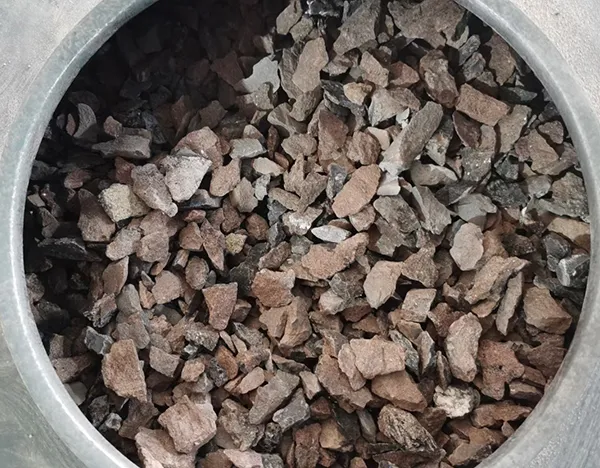
| Calcium Carbide Granule Size | 5-15 mm | Ensures controlled reaction rate |
| Water-to-Carbide Ratio | 8:1 (by weight) | Guarantees complete reaction |
| Reaction Vessel Pressure | ≤0.5 bar | Avoids acetylene decomposition risk |
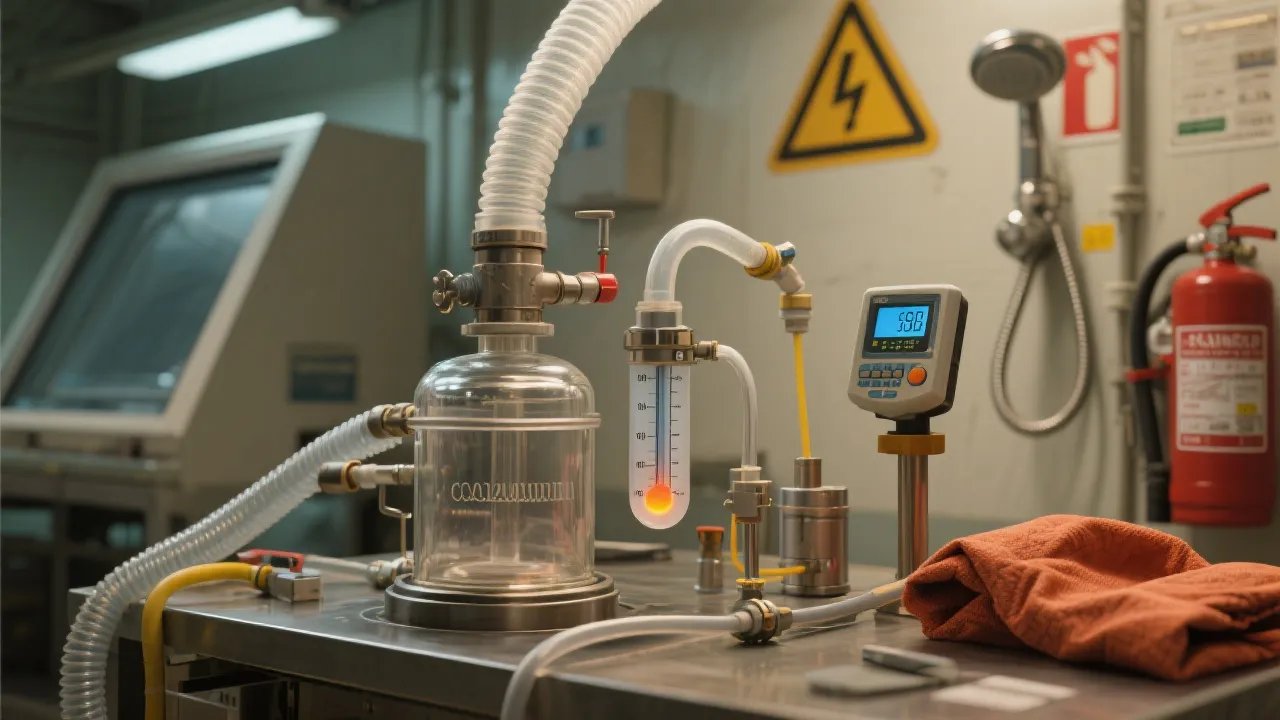
Implementing proper reaction control requires a combination of mechanical systems and operational protocols. The most reliable method involves using a dropping funnel with a pressure-equalizing tube to regulate water addition, paired with a temperature monitoring system that triggers cooling if temperatures exceed 35°C. For continuous operations, a dual-chamber system allows for staged carbide addition, preventing thermal runaway.
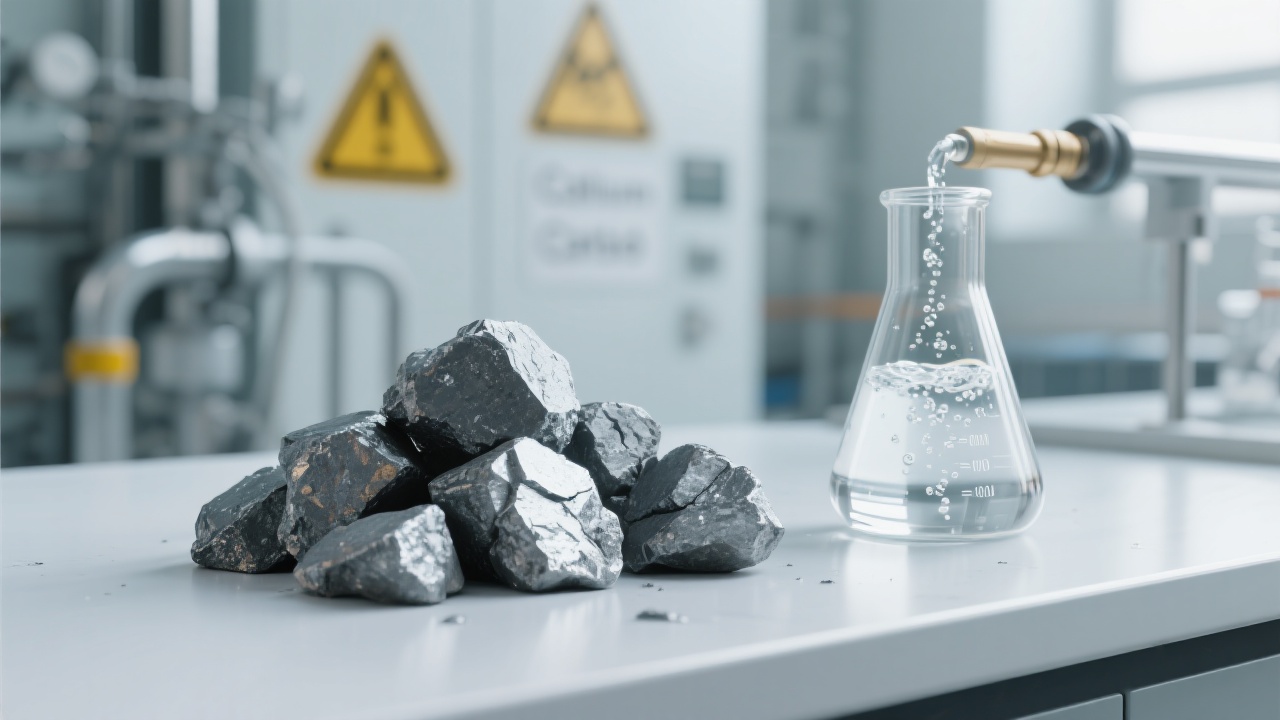
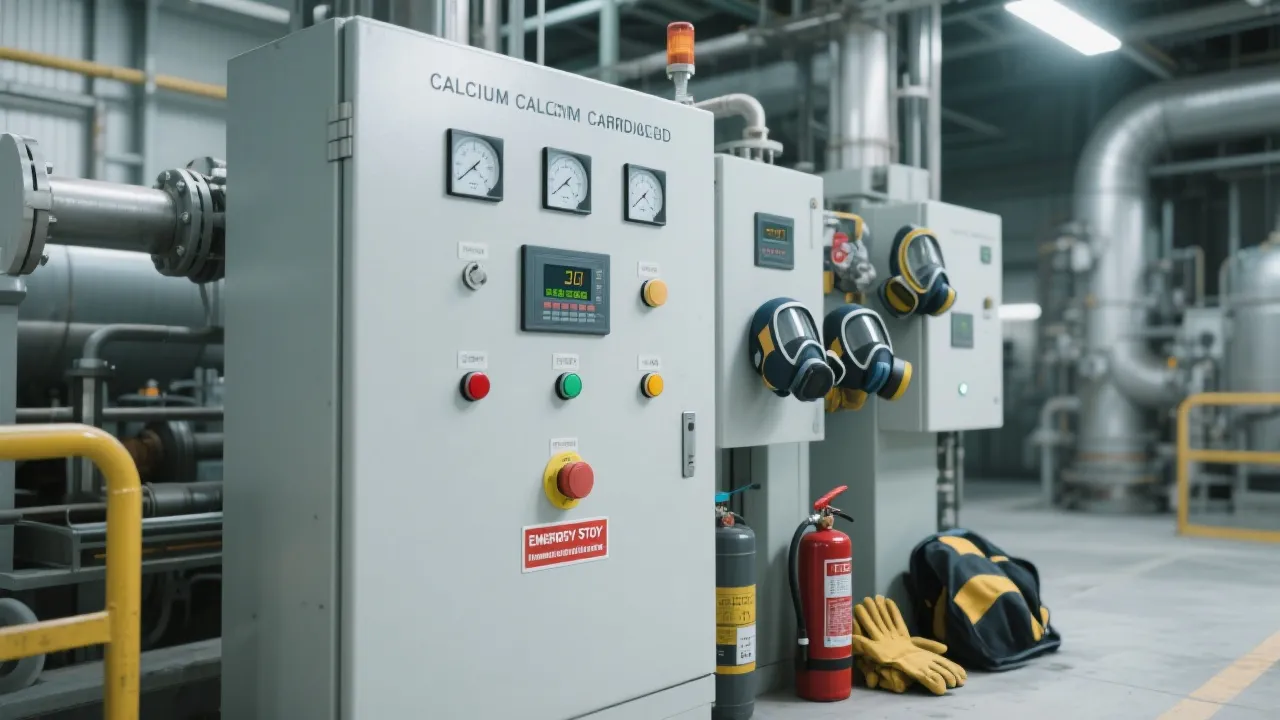
The integrity of the acetylene generation system directly impacts both safety and gas quality. Even minor leaks can lead to gas accumulation in laboratory spaces, while inadequate purification results in contaminated acetylene unsuitable for sensitive applications.隆威化工 specializes in designing systems that address these critical concerns through robust engineering and attention to detail.
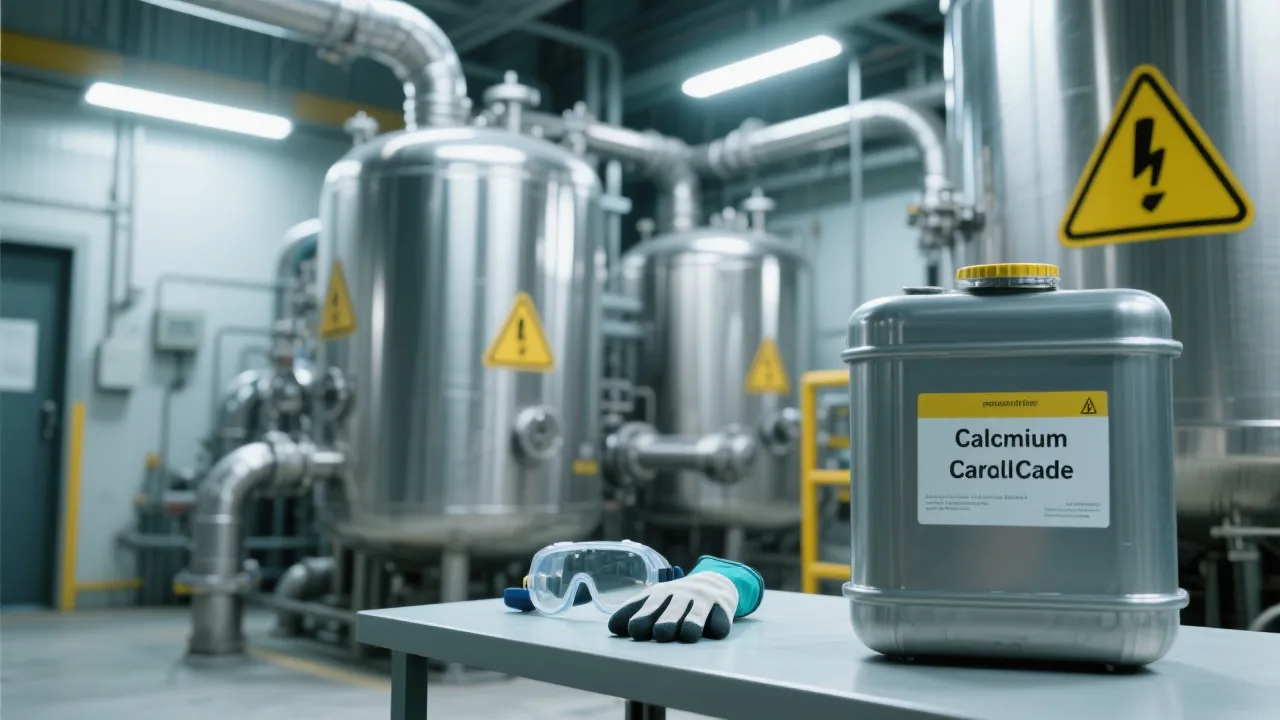
System sealing requires careful material selection to withstand the corrosive nature of calcium hydroxide slurry. Viton or EPDM gaskets provide superior resistance compared to standard rubber, while ground glass joints should be lubricated with high-temperature silicone grease rather than petroleum-based products that can react with acetylene. All connections should be secured with double clamps, and periodic pressure testing with nitrogen is recommended to identify micro-leaks.
Effective purification typically involves a multi-stage process:
Properly purified acetylene should achieve a minimum purity of 99.5%, with impurity levels below 500 ppm total hydrocarbons and 10 ppm toxic gases.
Unlike most industrial gases, acetylene cannot be compressed for storage due to its instability under pressure. Laboratory collection systems should use water displacement methods in well-ventilated fume hoods, with gas immediately directed to the point of use. For temporary storage, acetylene may be dissolved in acetone at a ratio of 25:1 by volume, contained in specially designed cylinders with porous filler materials.
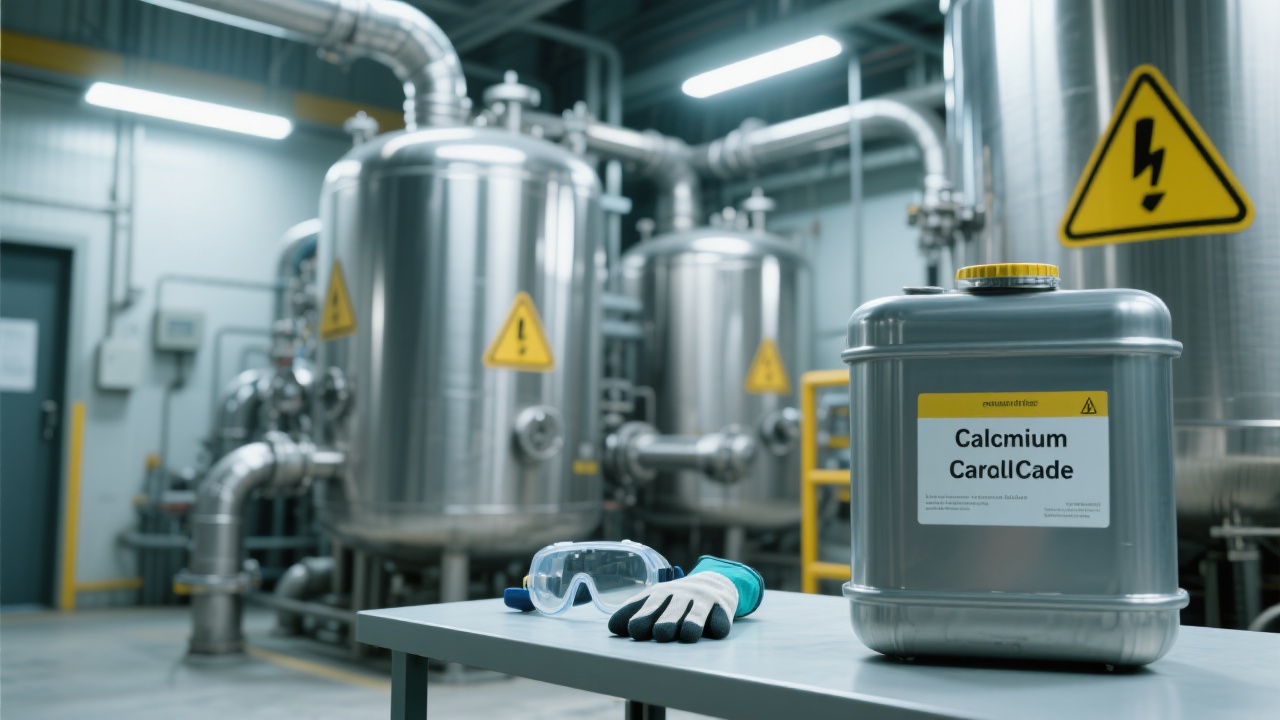
Even with well-designed equipment, proper operational procedures are essential for safe and efficient acetylene production. Common issues include inconsistent gas flow, contamination problems, and reaction control difficulties—each requiring specific troubleshooting approaches based on root cause analysis.
Establishing a regular maintenance routine extends equipment life and ensures consistent performance. Key maintenance activities include:
隆威化工 provides tailored laboratory gas generation systems designed for safety, efficiency, and reliability. Our engineering team specializes in creating solutions that meet your specific purity requirements and operational constraints.
Contact Our Technical Team TodayA major university chemistry department was experiencing consistent purity issues with their acetylene system, affecting research outcomes. After a comprehensive assessment, the primary issues were identified as inadequate purification and poor temperature control. Upgrading to a system with staged reaction chambers, automated temperature regulation, and a three-stage purification train resulted in:
The upgrade not only improved experimental results but also reduced operational costs and enhanced laboratory safety compliance.
Every laboratory environment presents unique challenges when it comes to acetylene generation. By implementing the design principles and operational protocols outlined in this guide, researchers and technical staff can achieve consistent, safe, and high-purity acetylene production. The key lies in understanding the reaction dynamics, implementing proper control systems, and maintaining rigorous maintenance schedules. What specific challenges have you encountered in your acetylene preparation processes? Your experiences and questions can help others improve their systems and safety practices.
 88
|
88
|
 calcium carbide purity
acetylene yield
reaction efficiency
industrial acetylene production
impurity control
344
|
steel desulfurizer
calcium carbide desulfurization
high-sulfur molten iron treatment
lime desulfurizer
magnesite desulfurization
345
|
calcium carbide purity testing
industrial desulfurized calcium carbide
CaC2 content analysis
calcium carbide impurity control
Xinjiang calcium carbide procurement
145
|
calcium carbide desulfurization
steelmaking desulfurization process
CaC2 particle size control
desulfurization temperature effect
addition timing in desulfurization
199
|
calcium carbide desulfurization
steelmaking脱硫剂
high-efficiency desulfurization
转炉脱硫工艺
carbonate-based desulfurizers
calcium carbide purity
acetylene yield
reaction efficiency
industrial acetylene production
impurity control
344
|
steel desulfurizer
calcium carbide desulfurization
high-sulfur molten iron treatment
lime desulfurizer
magnesite desulfurization
345
|
calcium carbide purity testing
industrial desulfurized calcium carbide
CaC2 content analysis
calcium carbide impurity control
Xinjiang calcium carbide procurement
145
|
calcium carbide desulfurization
steelmaking desulfurization process
CaC2 particle size control
desulfurization temperature effect
addition timing in desulfurization
199
|
calcium carbide desulfurization
steelmaking脱硫剂
high-efficiency desulfurization
转炉脱硫工艺
carbonate-based desulfurizers




.png?x-oss-process=image/resize,h_600,m_lfit/format,webp)