.png?x-oss-process=image/resize,h_500,m_lfit/format,webp)
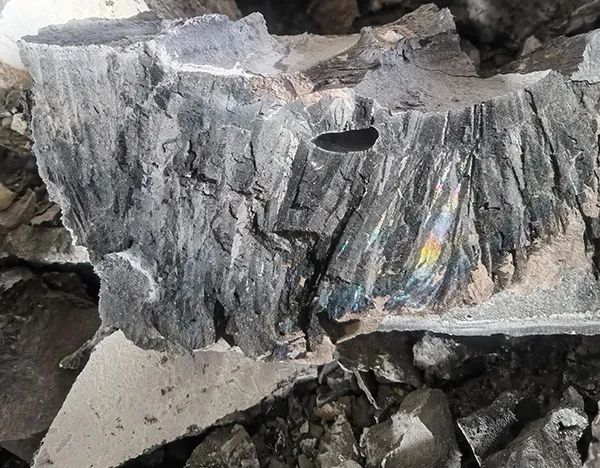
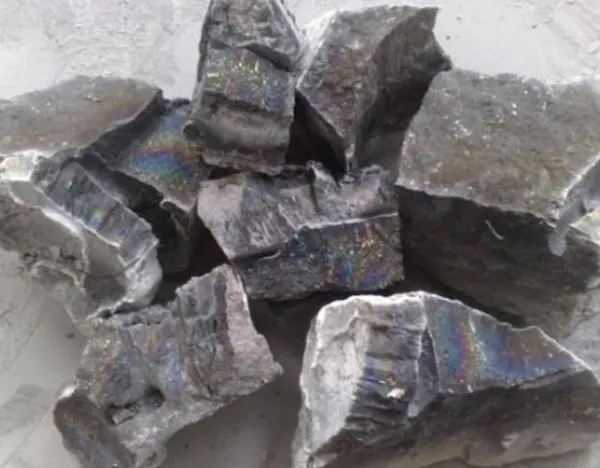
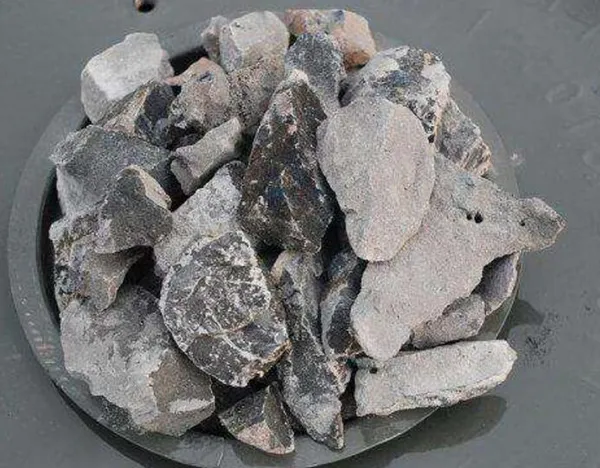
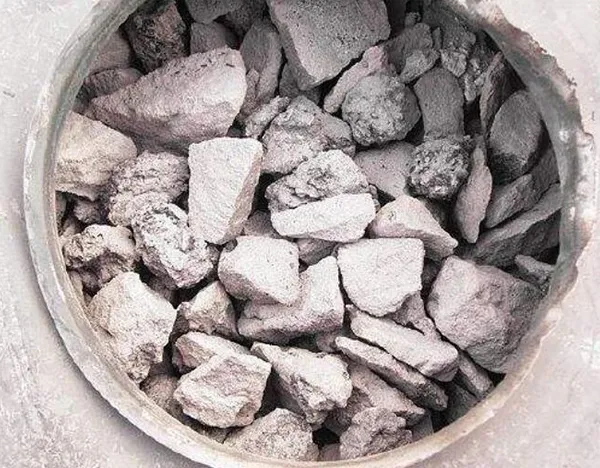
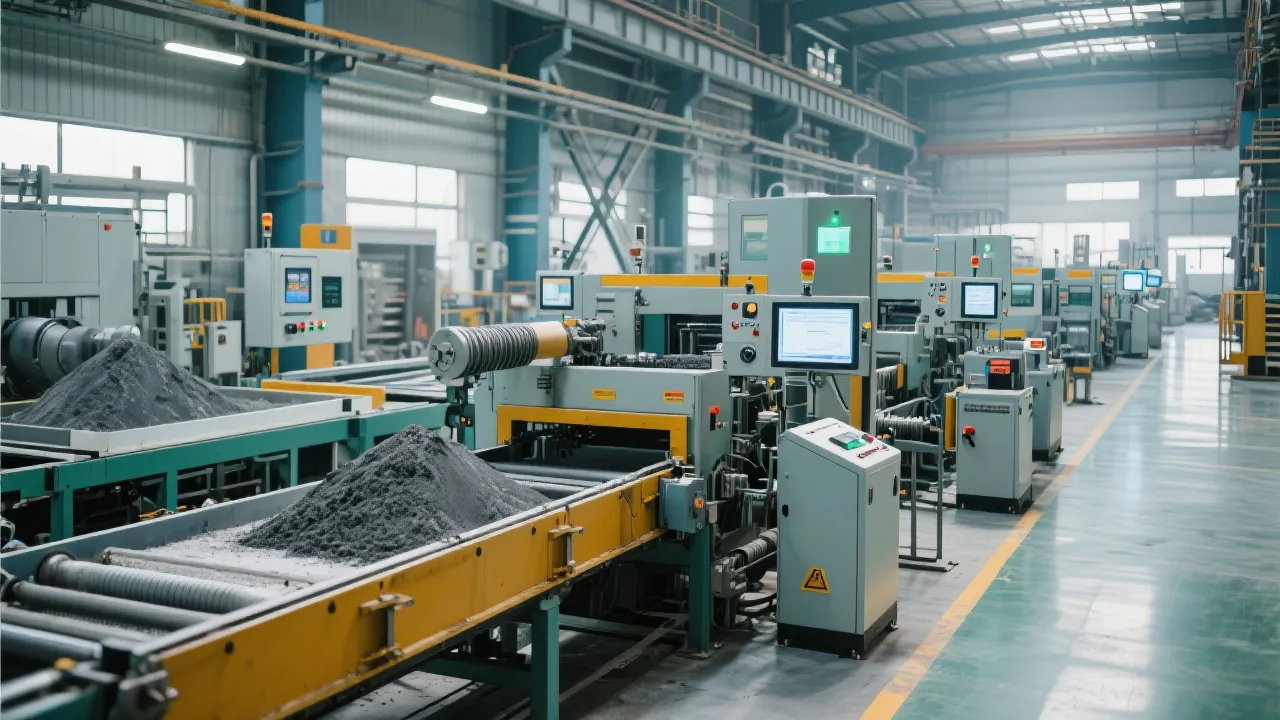
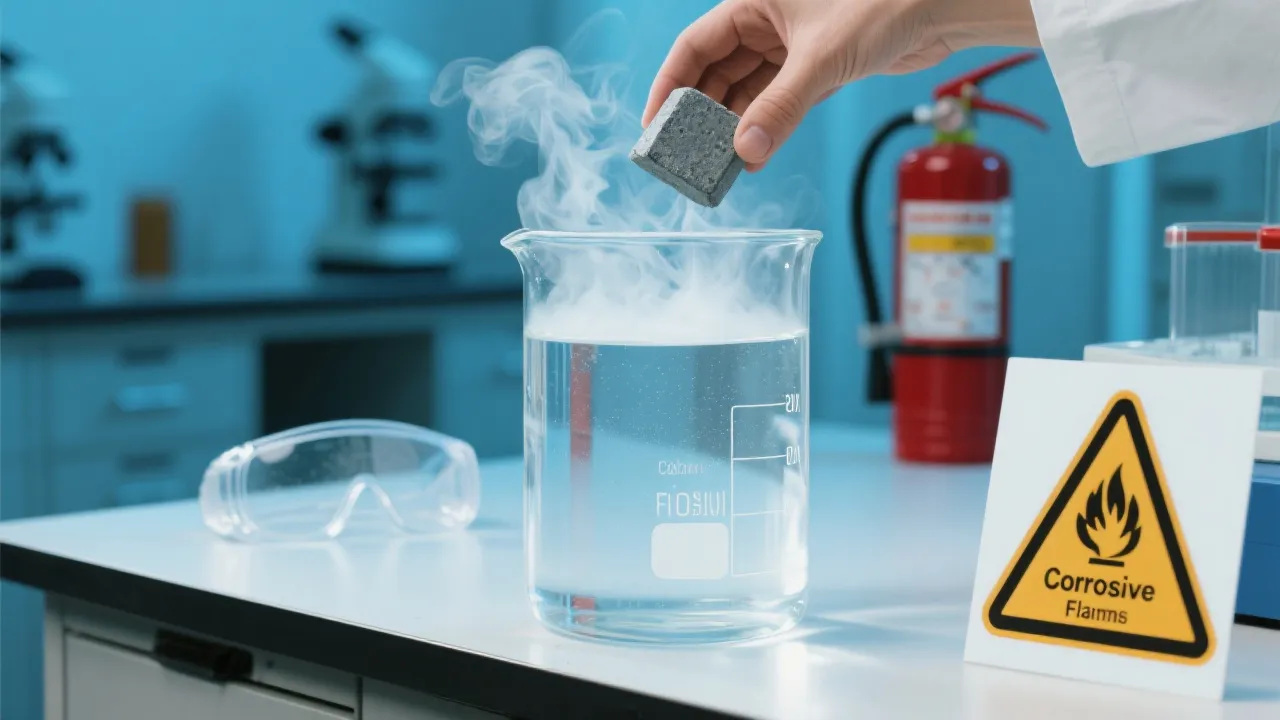
Calcium carbide (CaC2) plays a pivotal role in steel desulfurization processes, demanding stringent purity standards to ensure operational efficiency and equipment longevity. Selecting industrial-grade desulfurization calcium carbide, especially in the Xinjiang region, requires a precise understanding of several critical quality parameters, including CaC2 content, moisture, ash, and metallic impurities such as phosphorus and sulfur. This article provides an expert walkthrough on assessing these indicators through advanced laboratory analyses and rapid on-site inspection techniques to help you secure a reliable supply chain that boosts steel manufacturing outcomes.
The core function of calcium carbide in steelmaking is to reduce sulfur levels, a critical factor determining steel quality. Impurities, particularly excessive phosphorus and sulfur compounds, can lead to equipment corrosion and structural defects in the final steel product. Therefore, rigorous purity control—usually requiring CaC2 content above 75%, moisture below 5%, and ash content under 10%—is essential to maintain consistent reaction efficiency and prevent process disruptions.
| Parameter | Typical Industry Standard | Impact on Performance |
|---|---|---|
| Calcium Carbide Content (CaC2) | ≥ 75% | Directly correlates to desulfurization efficiency and reaction yield |
| Moisture | ≤ 5% | Higher moisture decreases reactive capacity and may cause agglomeration |
| Ash Content | ≤ 10% | Ash increases impurities, leading to slag formation and reduced purity |
| Phosphorus (P) & Sulfur (S) Impurities | P ≤ 0.02%, S ≤ 0.05% | High levels accelerate corrosion and cause steel brittle zones |
To guarantee the adherence to these standards, industry professionals rely primarily on two laboratory techniques:
Interpreting data from these tests requires understanding the relationships between parameters. For example, a high ash level often correlates with increased metallic impurities, necessitating corrective supplier action.
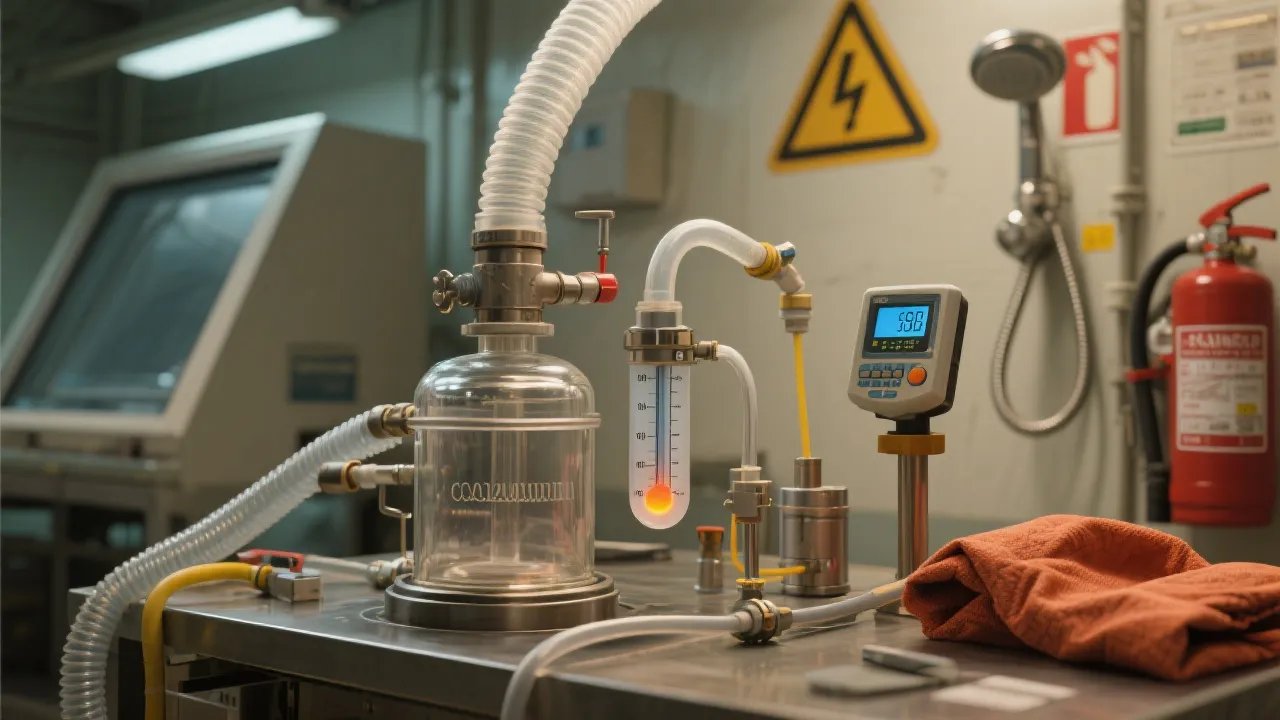
Relying solely on lab analysis can delay decision-making. Experienced technicians in Xinjiang effectively apply field tests to gauge batch quality swiftly:
These practical checks enable procurement teams to reject suboptimal distributions promptly, avoiding costly equipment corrosion and steel defects.
Xinjiang hosts several high-quality calcium carbide producers leveraging locally rich raw materials. First-hand experience shows that integrating standardized QC protocols with supplier engagement significantly reduces impurity-related risks. Implementing a structured testing regimen encompassing sampling methods, lab validations, and real-time onsite checks has demonstrably lowered production downtime by up to 25% in some steel plants.
“A well-maintained sample testing pipeline combined with clear impurity thresholds yields procurement confidence and stable product performance in steel desulfurization.” – Senior Metallurgical Engineer, Xinjiang Steel Corp.
Such collaborations highlight the critical role of supplier partnerships in quality assurance and supply continuity, especially amid fluctuating market conditions.
 295
|
295
|
 high-purity calcium carbide
calcium carbide supply
chemical industry raw materials
metallurgical calcium carbide
pharmaceutical grade calcium carbide
473
|
ISO 9001 certification
quality management system
chemical industry standards
408
|
Calcium carbide use safety
Calcium phosphide impurity risk
Calcium carbide quality inspection
Acetylene generation risk
Calcium carbide safety operation specifications
319
|
Calcium carbide
Industrial desulfurizer
Acetylene gas generation
Steel quality improvement
Longwei Chemical supply chain
85
|
high purity calcium carbide
calcium carbide safety
acetylene generation reaction
phosphine explosion risk
calcium carbide storage and transport
high-purity calcium carbide
calcium carbide supply
chemical industry raw materials
metallurgical calcium carbide
pharmaceutical grade calcium carbide
473
|
ISO 9001 certification
quality management system
chemical industry standards
408
|
Calcium carbide use safety
Calcium phosphide impurity risk
Calcium carbide quality inspection
Acetylene generation risk
Calcium carbide safety operation specifications
319
|
Calcium carbide
Industrial desulfurizer
Acetylene gas generation
Steel quality improvement
Longwei Chemical supply chain
85
|
high purity calcium carbide
calcium carbide safety
acetylene generation reaction
phosphine explosion risk
calcium carbide storage and transport


.png?x-oss-process=image/resize,h_600,m_lfit/format,webp)