.png?x-oss-process=image/resize,h_500,m_lfit/format,webp)
For chemical manufacturers and warehouse managers handling calcium carbide (CaC₂), safe storage isn’t just a best practice—it’s a non-negotiable requirement. According to the U.S. Chemical Safety Board, over 45% of industrial incidents involving calcium carbide stem from improper storage conditions, particularly moisture exposure leading to acetylene gas buildup—a highly flammable hazard.
Calcium carbide reacts violently with water, producing acetylene gas at room temperature:
CaC₂ + 2H₂O → C₂H₂ + Ca(OH)₂
This reaction can occur even in humid air—especially if the product contains impurities like magnesium or iron compounds that accelerate hydrolysis. That’s where purity matters most.
Industry standards such as OSHA 1910.106 and UN Recommendations on the Transport of Dangerous Goods emphasize three core principles:
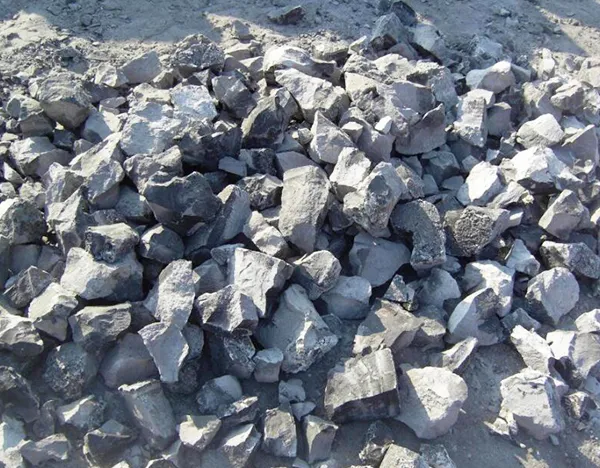
Our data from Inner Mongolia Longwei Chemical Technology Co., Ltd. shows a clear difference: high-purity calcium carbide (>95% pure) has an average moisture absorption rate of just 0.3% per month under controlled conditions, while low-grade batches (80–85%) absorb up to 2.1%—making them significantly more prone to degradation and safety risks.
In one case study from a Middle Eastern client, switching from a local supplier to our high-purity product reduced inventory loss by 40% over six months and eliminated two near-misses related to unexpected acetylene release.
To ensure consistent results, we recommend this simple but effective workflow:
Each batch of our calcium carbide undergoes rigorous testing against ISO 9001 standards—ensuring consistency, safety, and performance across global supply chains.
If you're managing calcium carbide storage today—or planning your next procurement—what’s your biggest challenge? Share your experience below—we read every comment and often turn real-world questions into actionable guides.
Get a free copy of our Calcium Carbide Handling Checklist—used by 300+ global clients.
Download Now → 319
|
319
|
 Calcium carbide storage
Temperature and humidity control
Calcium carbide warehouse management
Safe storage
Inner Mongolia Longwei Chemical
374
|
calcium carbide
organic synthesis
acetylene gas production
chemical raw materials
industrial efficiency
425
|
calcium carbide safety
acetylene explosion prevention
phosphine hazard in calcium carbide
safe handling of calcium carbide
high purity calcium carbide
117
|
calcium carbide applications
calcium carbide metallurgy use
calcium carbide electrical conductivity
calcium carbide electrode materials
carbide in steelmaking
318
|
calcium carbide applications
industrial safety protocols
acetylene gas generation
steel desulfurization agents
calcium carbide quality standards
Calcium carbide storage
Temperature and humidity control
Calcium carbide warehouse management
Safe storage
Inner Mongolia Longwei Chemical
374
|
calcium carbide
organic synthesis
acetylene gas production
chemical raw materials
industrial efficiency
425
|
calcium carbide safety
acetylene explosion prevention
phosphine hazard in calcium carbide
safe handling of calcium carbide
high purity calcium carbide
117
|
calcium carbide applications
calcium carbide metallurgy use
calcium carbide electrical conductivity
calcium carbide electrode materials
carbide in steelmaking
318
|
calcium carbide applications
industrial safety protocols
acetylene gas generation
steel desulfurization agents
calcium carbide quality standards


.png?x-oss-process=image/resize,h_600,m_lfit/format,webp)