.png?x-oss-process=image/resize,h_500,m_lfit/format,webp)

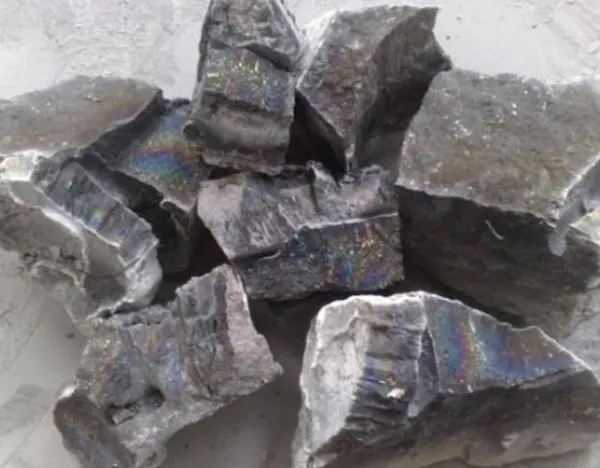
In industrial manufacturing processes where acetylene gas serves as a vital energy source or chemical feedstock, many production managers face persistent challenges: inconsistent gas purity, unexpected equipment corrosion, and inefficient reaction rates. What many fail to recognize is that the root cause often lies in a fundamental material choice—calcium carbide quality. As a leading calcium carbide manufacturer with decades of experience, Longwei Chemical has assisted numerous clients in resolving these issues by focusing on the critical relationship between calcium carbide purity and acetylene performance.
"The purity of calcium carbide directly impacts acetylene production efficiency and downstream product quality. Our research shows that increasing calcium carbide purity from 85% to 95% can reduce harmful gas impurities by up to 72% while improving acetylene yield by approximately 15%." — Dr. Michael Chen, Chemical Process Engineer with 18 years of industrial gas production experience
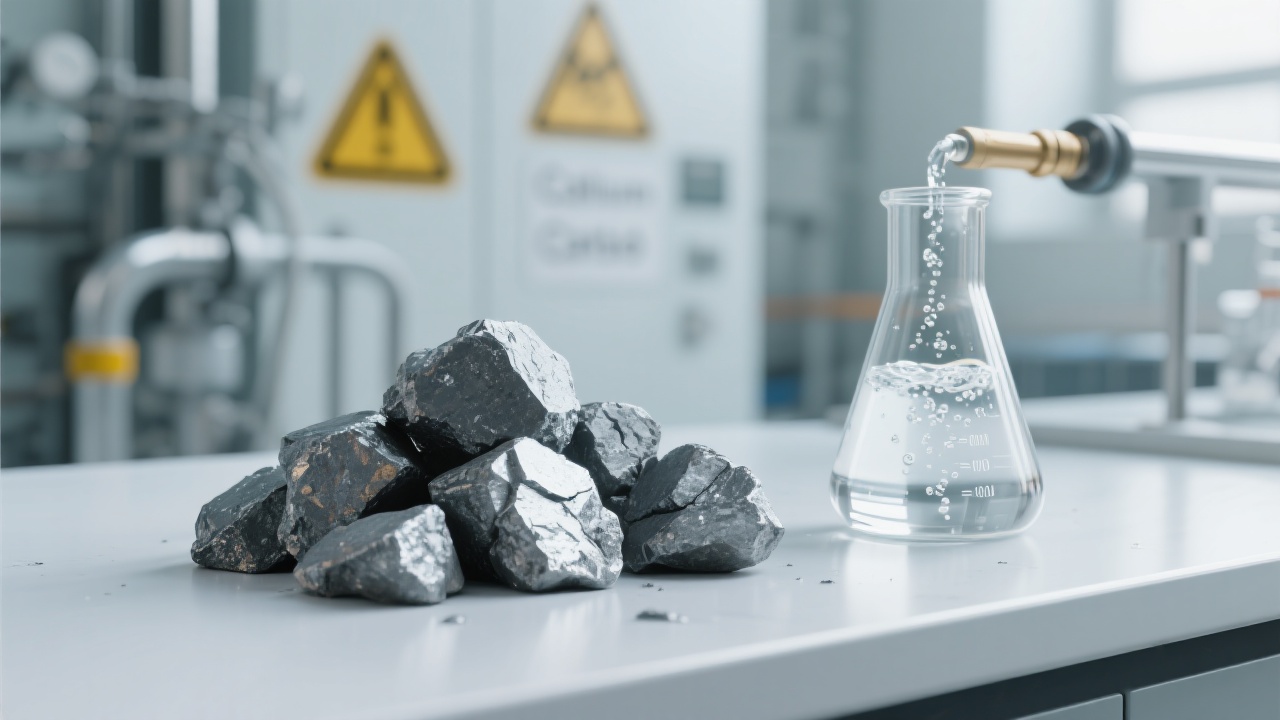
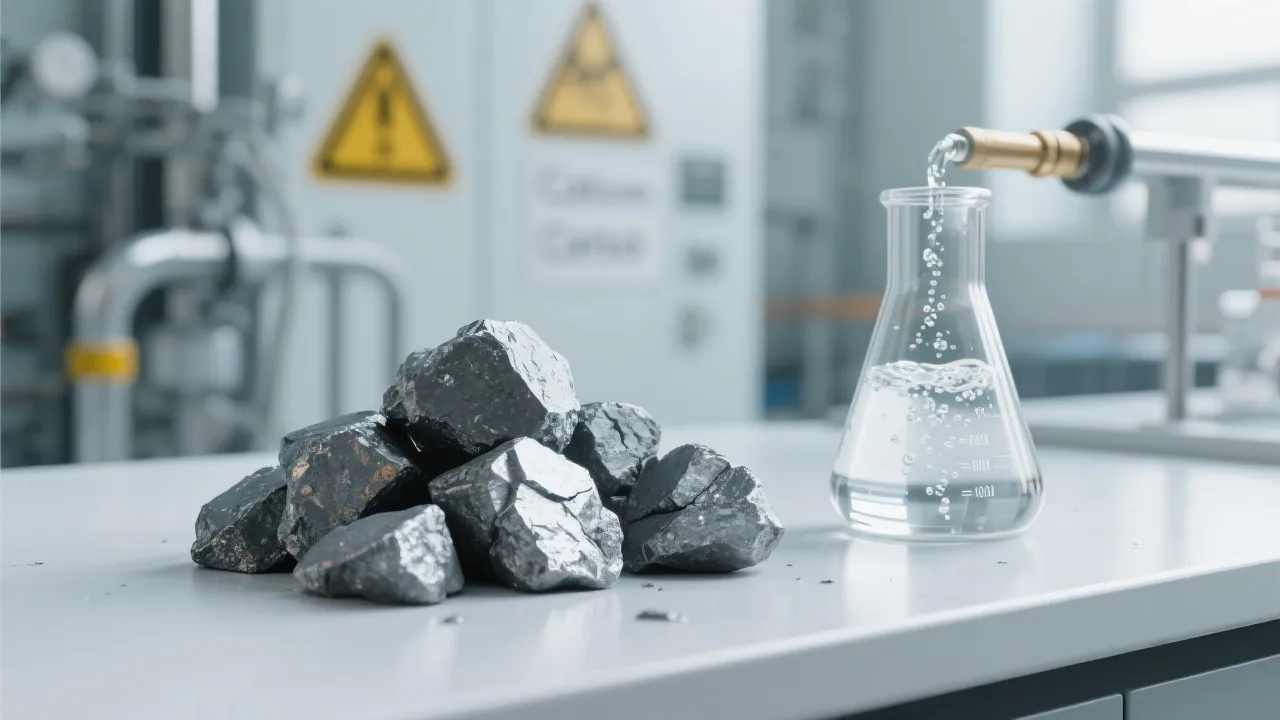
Calcium carbide (CaC₂) reacts with water to produce acetylene (C₂H₂) through the exothermic reaction: CaC₂ + 2H₂O → C₂H₂ + Ca(OH)₂. While this reaction seems straightforward, impurities present in calcium carbide can significantly alter both the reaction dynamics and the quality of the resulting acetylene gas.
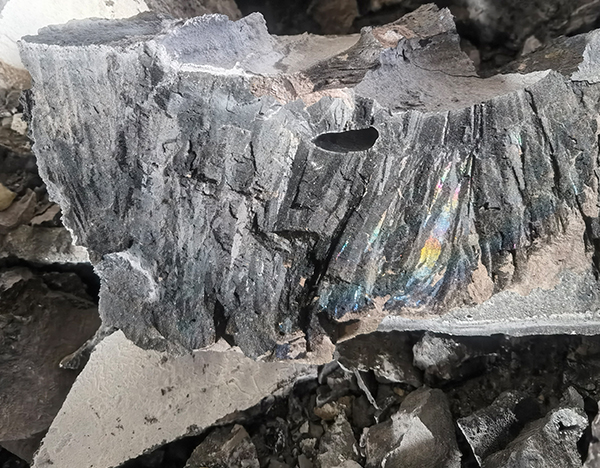
The most problematic impurities include calcium oxide (CaO), sulfur compounds, and phosphorus compounds. Calcium oxide reacts with water to form calcium hydroxide, consuming water that would otherwise react with calcium carbide and reducing overall yield. Sulfur and phosphorus impurities generate hydrogen sulfide (H₂S) and phosphine (PH₃)—highly toxic gases that corrode equipment, contaminate end products, and create safety hazards.
Consider these industry statistics that highlight the tangible impact of calcium carbide purity:
Different industrial applications demand distinct calcium carbide specifications. Understanding these differences is crucial for optimizing both performance and cost-efficiency:
| Application | Minimum Purity Requirement | Critical Parameters | Typical Particle Size |
|---|---|---|---|
| Metal Welding & Cutting | 92-95% | Low S (<0.06%), Low P (<0.04%) | 5-50mm |
| Chemical Synthesis | 95-98% | Ultra-low impurities, consistent reactivity | 10-30mm |
| Mining & Quarrying | 85-90% | Reaction speed, gas volume output | 20-80mm |
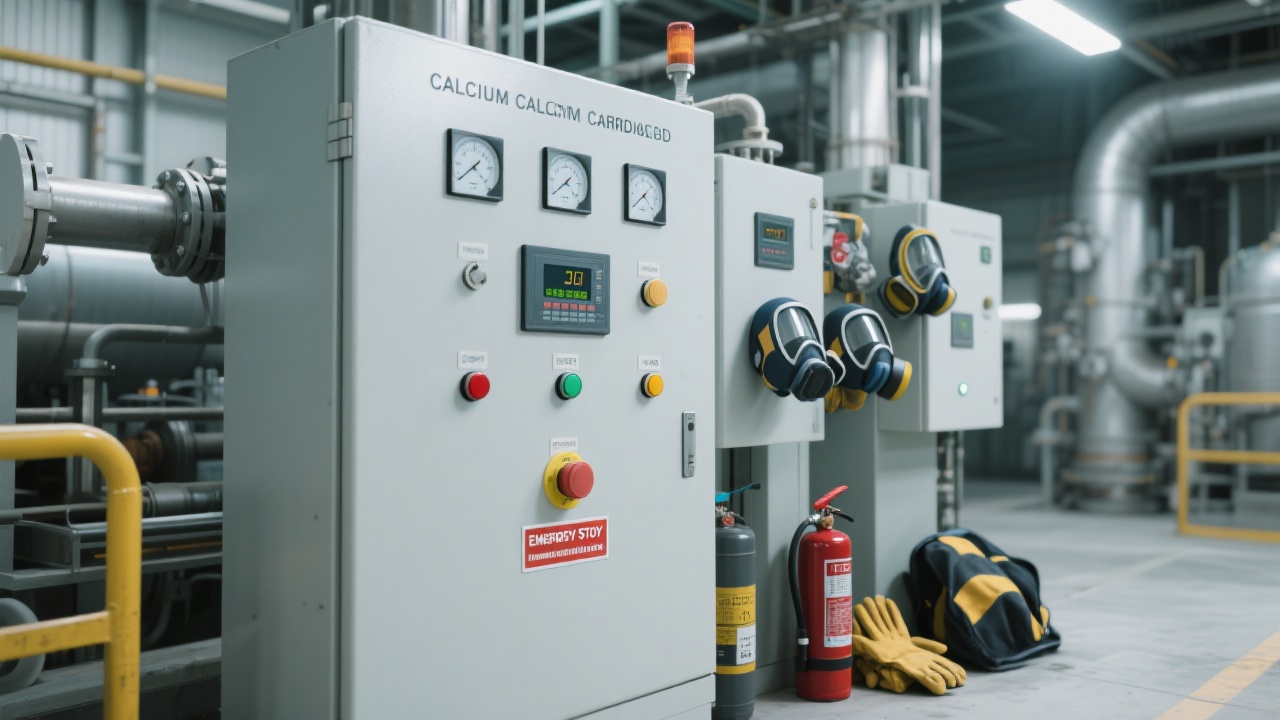
Beyond selecting high-purity calcium carbide, implementing these process optimizations can further enhance acetylene production efficiency:
Optimal reaction conditions also play a crucial role. Maintaining water temperature between 60-70°C and controlling the water-to-carbide ratio at 1.2:1 can maximize both yield and purity. Regular monitoring of pH levels and reaction chamber pressure further ensures consistent performance.
Even with high-quality calcium carbide, production issues can arise. This diagnostic checklist can help identify and resolve common problems:
Selecting the right calcium carbide is the foundation of efficient, high-quality acetylene production. With proper material selection and process optimization, manufacturers can reduce operational costs while improving product quality and safety.
Download Our Comprehensive Calcium Carbide Selection GuideHave specific challenges with your acetylene production process? Share your experience in the comments below—our technical team regularly responds to industry questions and can provide personalized recommendations based on your unique production requirements.
Remember: in industrial gas production, the quality of your inputs directly determines the quality of your outputs. Investing in high-purity calcium carbide from reliable suppliers like Longwei Chemical isn't just an expense—it's a strategic decision that impacts your bottom line through improved efficiency, reduced waste, and enhanced product quality.
 279
|
279
|
 calcium carbide acetylene generation
oxy-acetylene welding efficiency
continuous acetylene generator
batch acetylene generator
acetylene purity and safety
328
|
calcium carbide metal cutting safety
acetylene explosion prevention
oxy-acetylene welding guidelines
calcium carbide purity effects
industrial acetylene gas safety management
60
|
10–15mm calcium carbide granules production
calcium carbide purity improvement
carbide furnace temperature control 850–950°C
holding time optimization 2.5–3.5 hours
calcium carbide screening and packaging
404
|
calcium carbide purity
acetylene yield
acetylene production efficiency
calcium carbide impurities
industrial acetylene optimization
361
|
calcium carbide
acetylene gas production
chemical reaction principles
safety operation
industrial catalysis
calcium carbide acetylene generation
oxy-acetylene welding efficiency
continuous acetylene generator
batch acetylene generator
acetylene purity and safety
328
|
calcium carbide metal cutting safety
acetylene explosion prevention
oxy-acetylene welding guidelines
calcium carbide purity effects
industrial acetylene gas safety management
60
|
10–15mm calcium carbide granules production
calcium carbide purity improvement
carbide furnace temperature control 850–950°C
holding time optimization 2.5–3.5 hours
calcium carbide screening and packaging
404
|
calcium carbide purity
acetylene yield
acetylene production efficiency
calcium carbide impurities
industrial acetylene optimization
361
|
calcium carbide
acetylene gas production
chemical reaction principles
safety operation
industrial catalysis




.png?x-oss-process=image/resize,h_600,m_lfit/format,webp)