.png?x-oss-process=image/resize,h_500,m_lfit/format,webp)
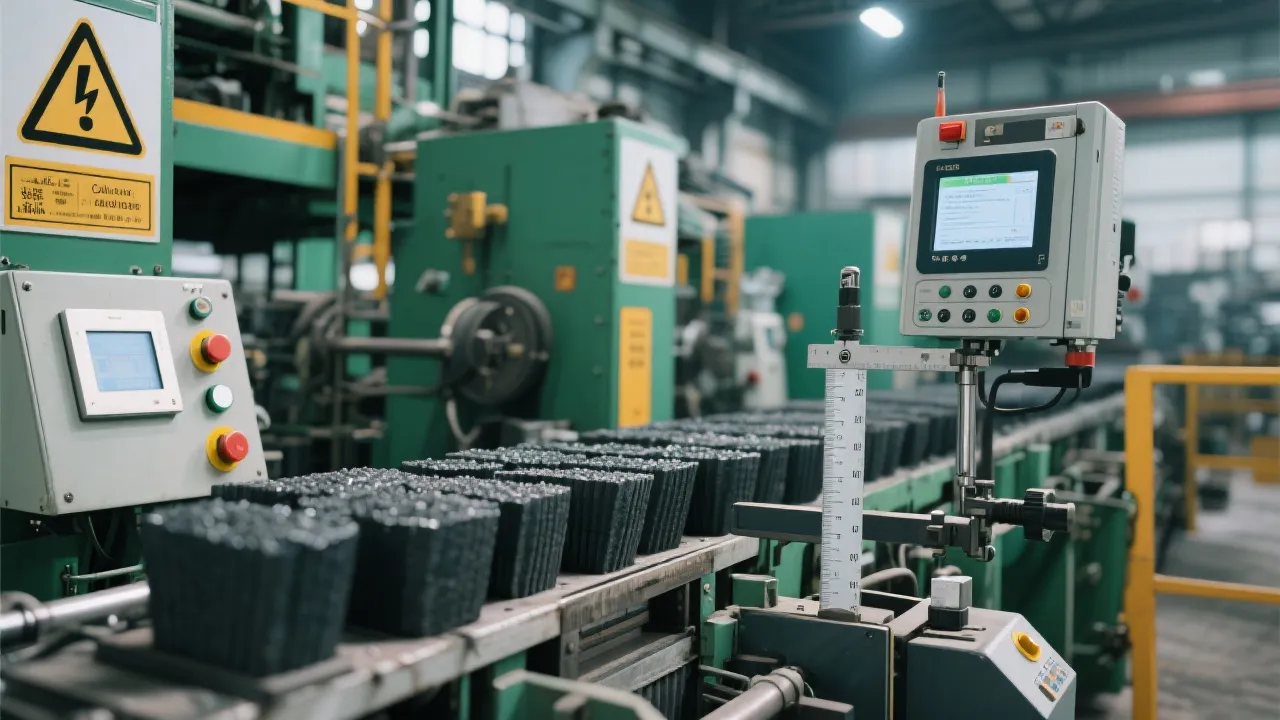
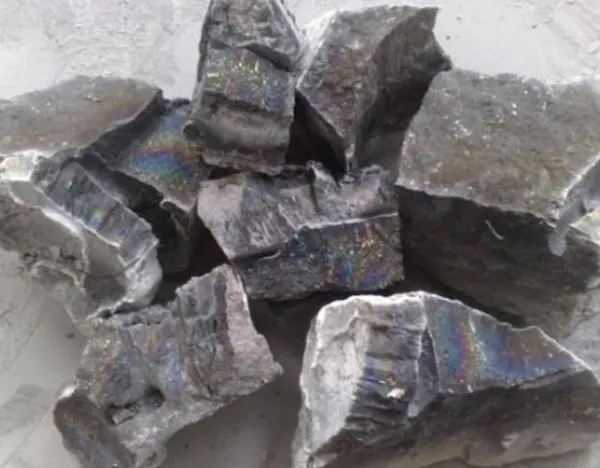
In the industrial desulfurization process, the purity of calcium carbide plays a crucial role in determining the efficiency of desulfurization and the quality of the final product. High - purity calcium carbide can significantly improve the desulfurization rate, while impurities may lead to equipment damage and product defects. For example, a study has shown that when the purity of calcium carbide increases by 10%, the desulfurization efficiency can be improved by about 15%.
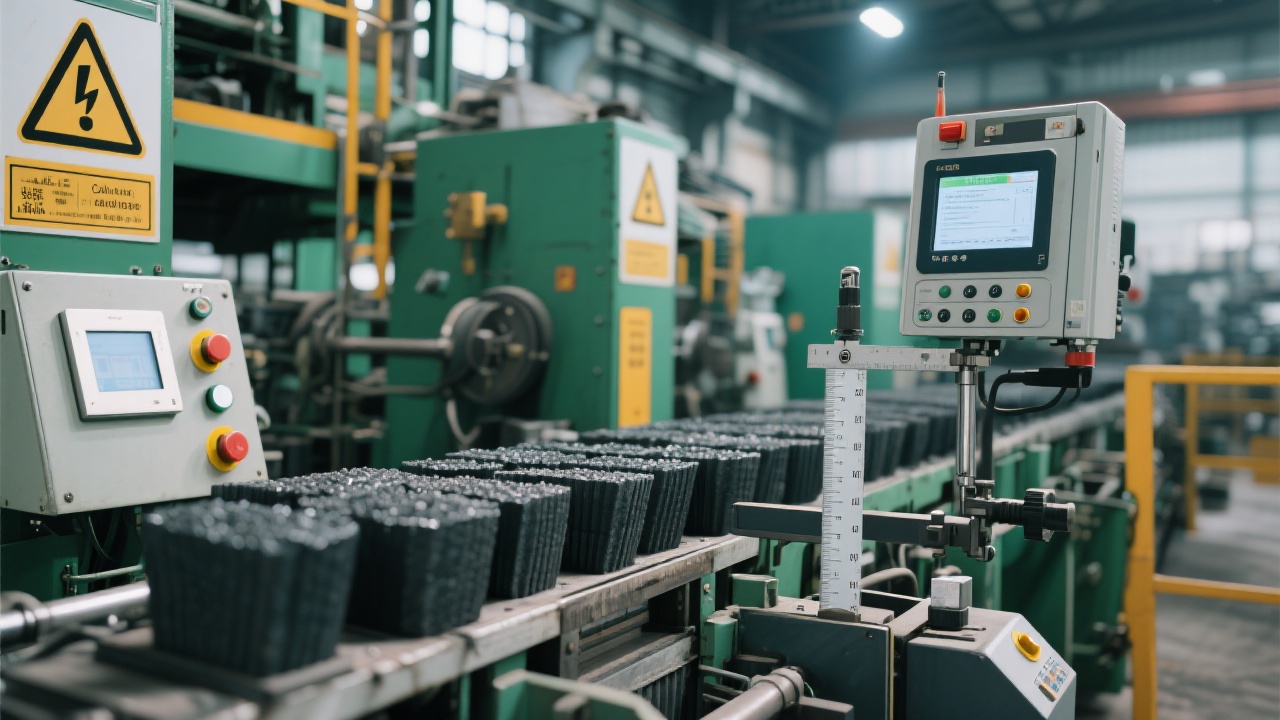
There are several key indicators to measure the purity of industrial - grade desulfurization calcium carbide. The content of calcium carbide is the most important one. Generally, for high - quality industrial - grade desulfurization calcium carbide, the calcium carbide content should be above 80%. Moisture is another critical factor. Excessive moisture can not only reduce the effective content of calcium carbide but also cause safety hazards during storage and transportation. The moisture content should be controlled below 1%. Ash content reflects the amount of inorganic impurities in calcium carbide. A lower ash content, usually less than 5%, indicates higher purity. In addition, the content of impurity elements such as phosphorus and sulfur also needs to be strictly controlled. The phosphorus content should be less than 0.06%, and the sulfur content should be less than 0.1%.
Two main laboratory detection techniques are widely used: titration and X - ray fluorescence spectroscopy analysis.
The titration method is based on a chemical reaction between calcium carbide and a specific reagent. By measuring the volume of the reagent consumed, the content of calcium carbide can be accurately calculated. The operation process of titration includes sample preparation, dissolution, and titration. It requires strict control of experimental conditions and accurate measurement to ensure the accuracy of the results. On the other hand, X - ray fluorescence spectroscopy analysis uses X - rays to excite the sample, and then measures the characteristic X - rays emitted by different elements in the sample to determine the content of various elements. This method is fast, non - destructive, and can detect multiple elements simultaneously.

In addition to laboratory detection, there are also some on - site quick judgment techniques. For example, by observing the reaction rate between calcium carbide and water and the amount of gas produced, a preliminary assessment of the quality of calcium carbide can be made. High - purity calcium carbide reacts more vigorously with water, producing a large amount of acetylene gas in a short time.
In the Xinjiang region, due to its unique geographical and industrial environment, the procurement of calcium carbide has its own characteristics. According to the experience of front - line technicians, when purchasing calcium carbide in Xinjiang, it is necessary to pay special attention to the source of the raw materials and the production process of the manufacturer. Some local calcium carbide products may have higher impurity content due to the influence of raw materials and production technology. Therefore, it is recommended to choose suppliers with good reputation and strict quality control systems.
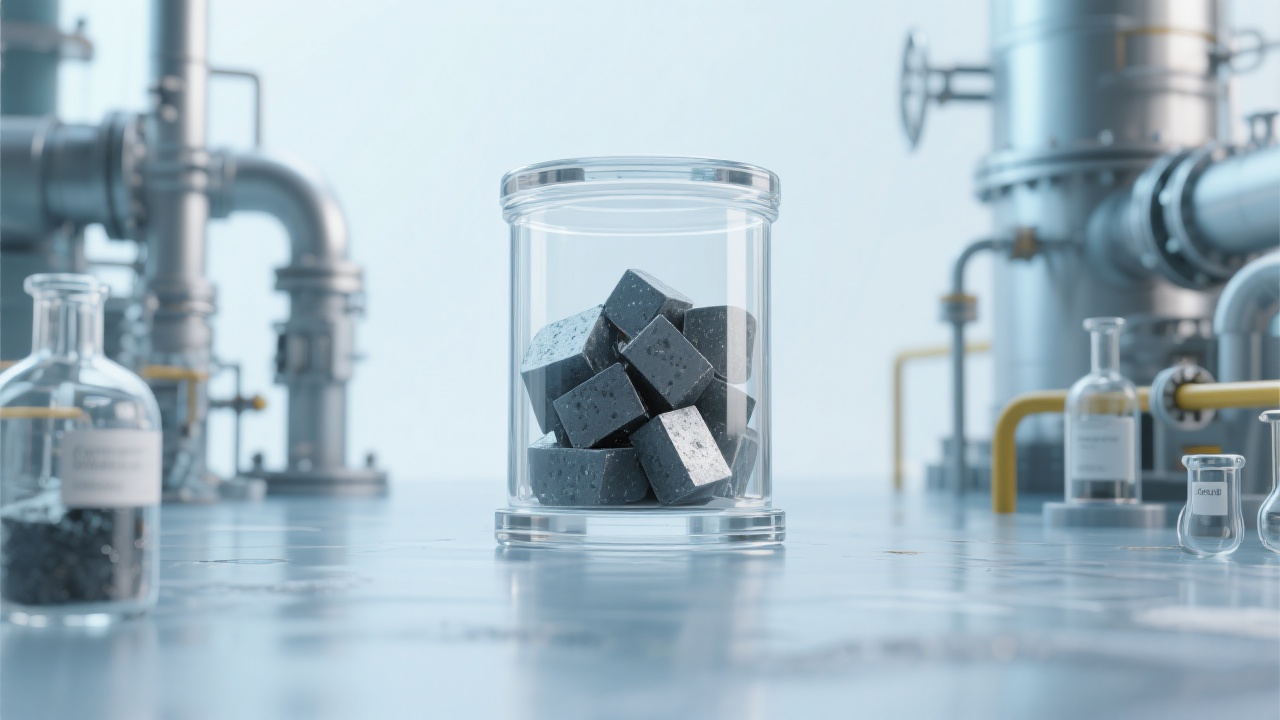
To avoid the risks caused by excessive impurities, such as equipment blockage and product quality decline, it is necessary to establish a strict quality control system. Regularly test the purchased calcium carbide, and only use products that meet the quality standards.
If you are looking for high - quality industrial - grade desulfurization calcium carbide, don't miss this opportunity! Our recommended suppliers can provide you with reliable products and professional services. Click here to contact high - quality calcium carbide suppliers
 456
|
456
|
 Calcium Carbide
high-stability chemicals
industrial raw materials
103
|
High-Performance Calcium Carbide
Industrial Acetylene Production
Calcium Carbide Quality Standards
Longwei Chemical Technology
International Chemical Market
48
|
Calcium carbide use risks
Calcium carbide safe operation
Acetylene explosion prevention
Calcium phosphide and phosphine hazards
Calcium carbide operator training
145
|
calcium carbide desulfurization
steelmaking desulfurization process
CaC2 particle size control
desulfurization temperature effect
addition timing in desulfurization
236
|
calcium carbide storage
calcium carbide safety
safety management of calcium carbide
standardized storage process
Inner Mongolia Longwei Chemical
Calcium Carbide
high-stability chemicals
industrial raw materials
103
|
High-Performance Calcium Carbide
Industrial Acetylene Production
Calcium Carbide Quality Standards
Longwei Chemical Technology
International Chemical Market
48
|
Calcium carbide use risks
Calcium carbide safe operation
Acetylene explosion prevention
Calcium phosphide and phosphine hazards
Calcium carbide operator training
145
|
calcium carbide desulfurization
steelmaking desulfurization process
CaC2 particle size control
desulfurization temperature effect
addition timing in desulfurization
236
|
calcium carbide storage
calcium carbide safety
safety management of calcium carbide
standardized storage process
Inner Mongolia Longwei Chemical






.png?x-oss-process=image/resize,h_600,m_lfit/format,webp)