.png?x-oss-process=image/resize,h_500,m_lfit/format,webp)
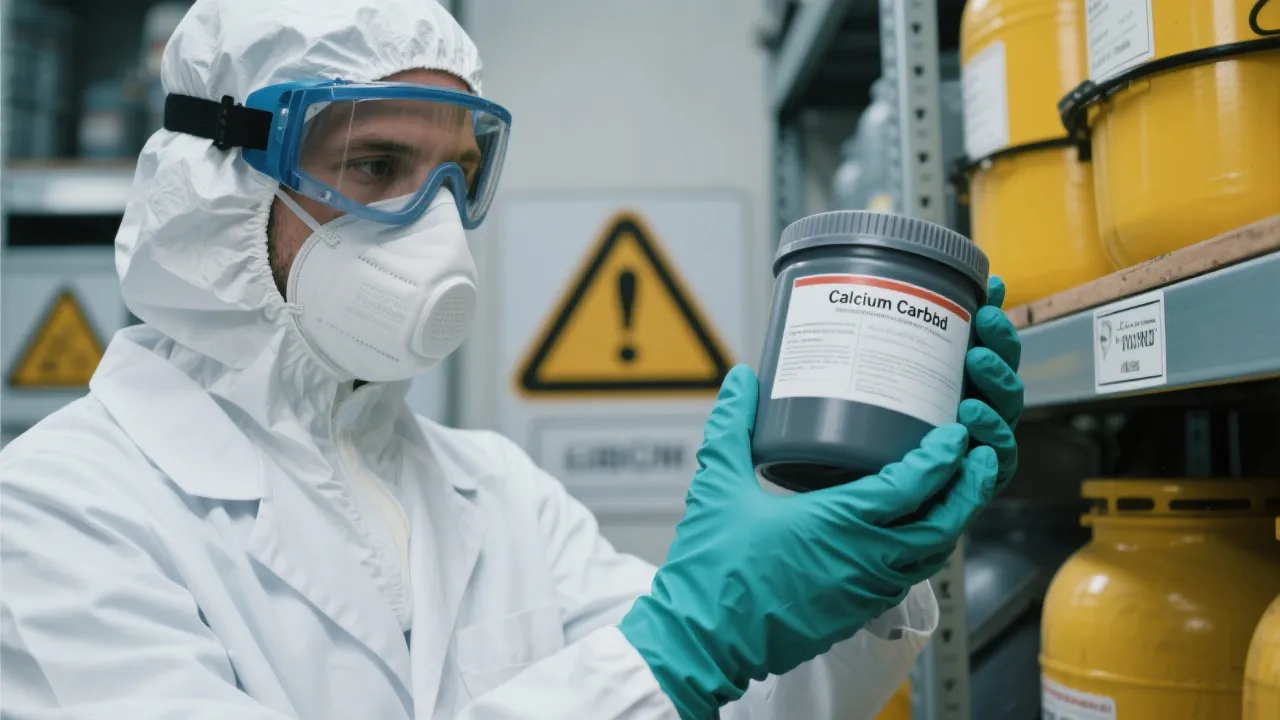
This article delves deep into the storage management of calcium carbide. By analyzing typical accident cases, it demonstrates how standardized processes can significantly enhance safety. First, let's understand the physical and chemical properties of calcium carbide.
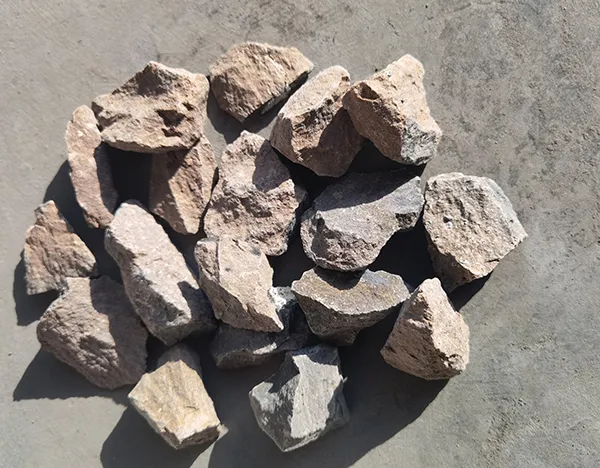
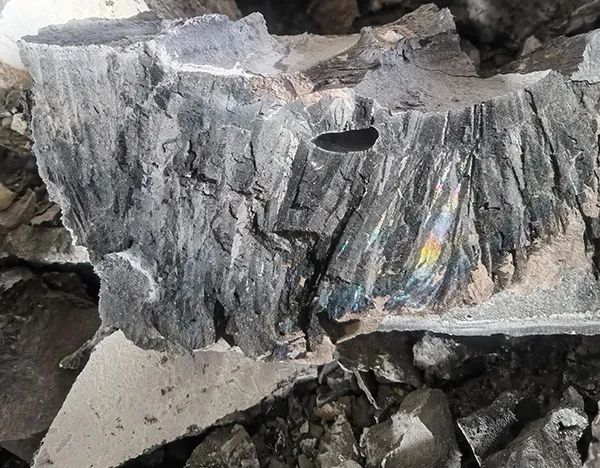
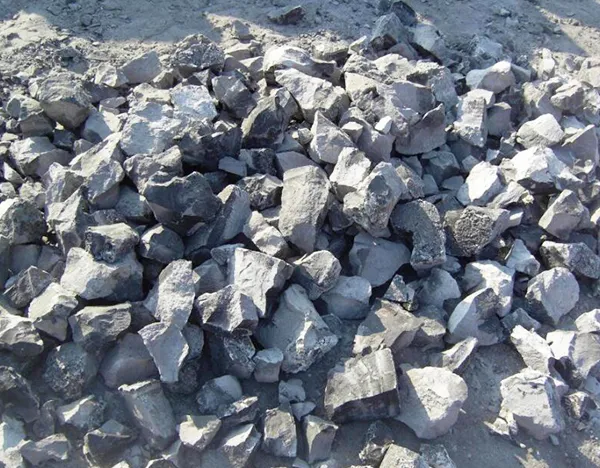
Calcium carbide, also known as calcium acetylide, is a grayish - black solid at room temperature. It has a melting point of around 2300°C. When it comes into contact with water, it reacts vigorously, producing acetylene gas and calcium hydroxide. This reaction is highly exothermic, with a heat release of approximately 127 kJ/mol. Due to this property, proper storage is crucial to prevent dangerous situations.
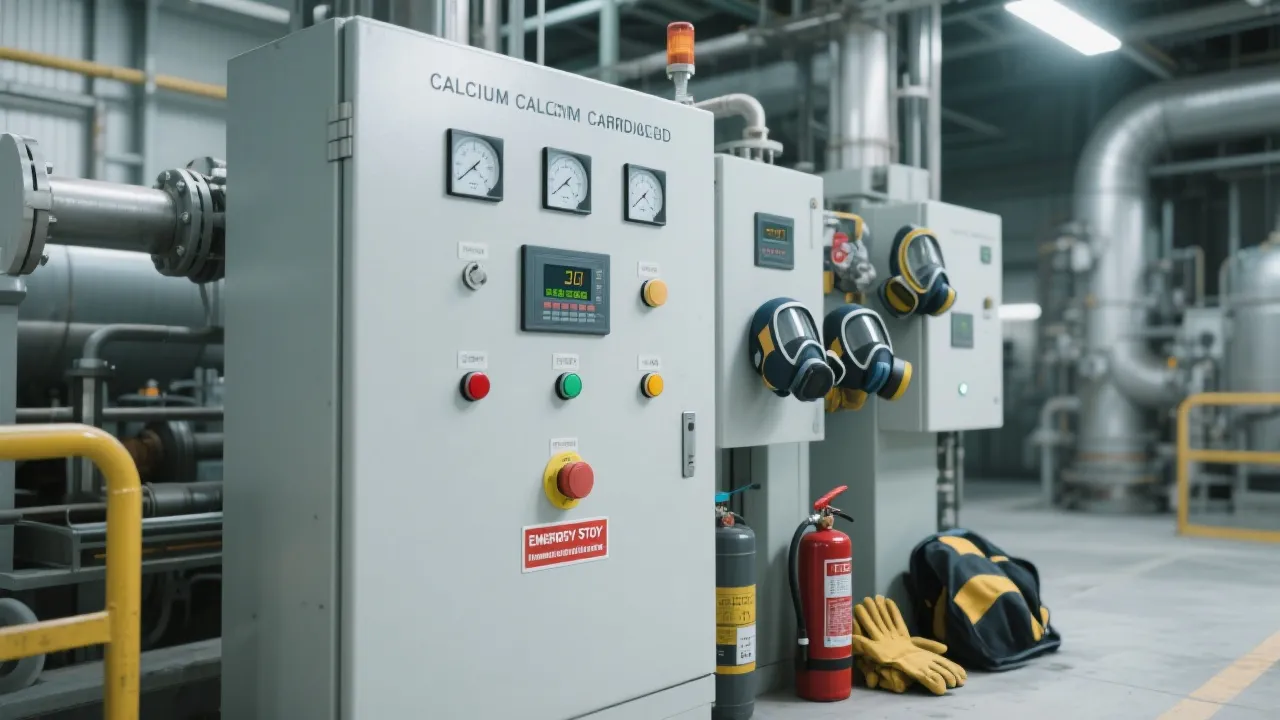
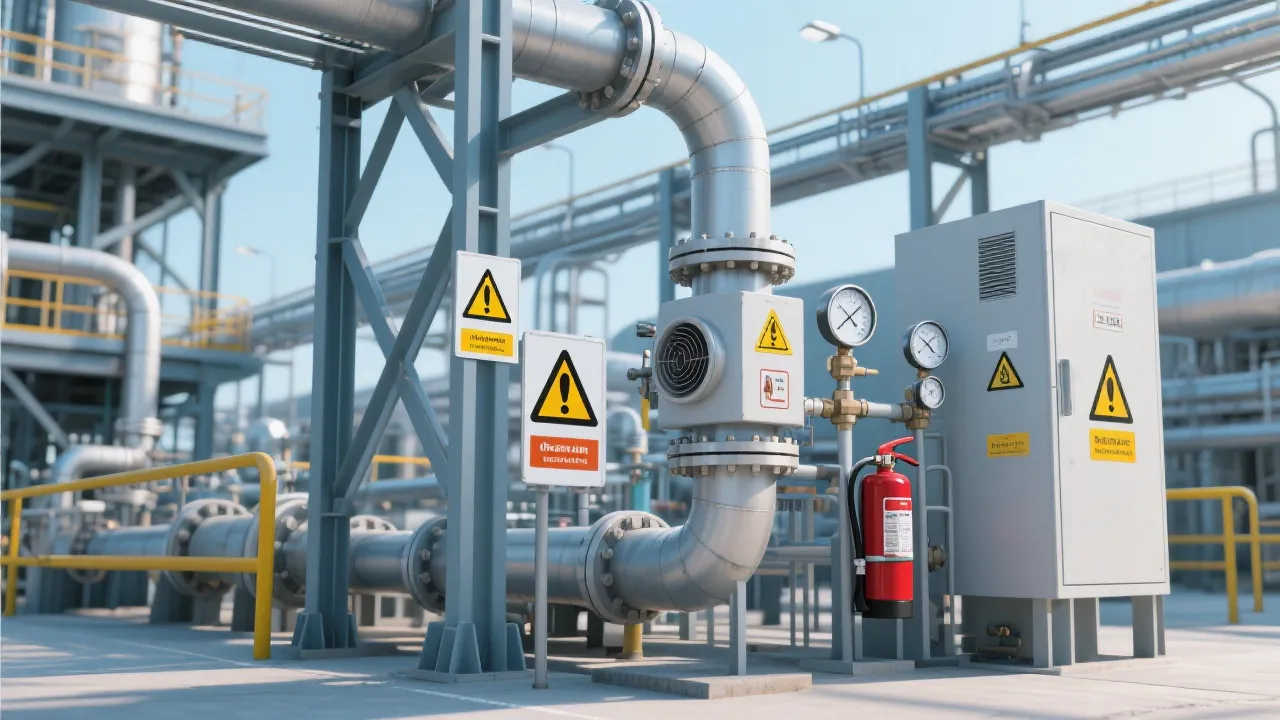
Selecting the right warehouse environment is of utmost importance for calcium carbide storage. The warehouse should be dry, well - ventilated, and away from sources of water. A humidity level below 60% is recommended. The temperature should be maintained between 10°C and 30°C. If the temperature is too high, the reaction rate with water vapor in the air will increase, posing a safety risk. Moreover, the warehouse should be made of non - combustible materials to prevent the spread of fire in case of an accident.
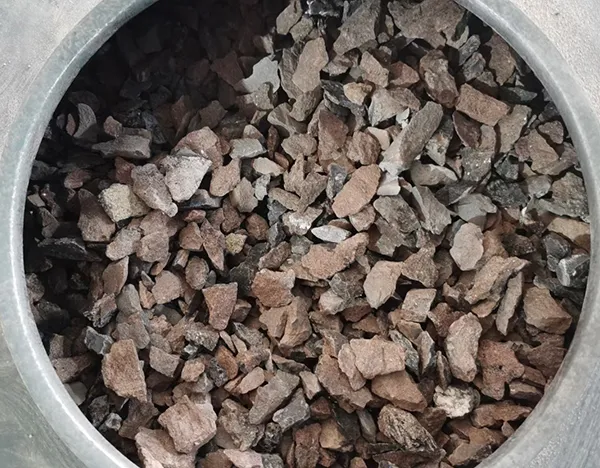
Inner Mongolia Longwei Chemical Technology Co., Ltd. offers high - purity calcium carbide products. With a purity level of over 95%, their calcium carbide has better storage stability. The company adheres to strict quality control measures throughout the production process. This ensures that the products have fewer impurities, which are often the cause of instability during storage. For example, impurities like sulfur and phosphorus can react with water more easily, increasing the risk of explosion.
In 2018, a chemical plant in Shandong Province experienced an explosion in its calcium carbide storage area. The accident was caused by a water leak in the warehouse, which led to the reaction of calcium carbide with water and the subsequent explosion. The blast caused significant damage to the plant and nearby facilities, resulting in an economic loss of approximately 5 million dollars. In contrast, a chemical company in Xinjiang implemented a standardized storage process. They strictly controlled the warehouse environment, used proper packaging materials, and conducted regular inspections. As a result, they have not had any safety incidents related to calcium carbide storage for over 10 years.
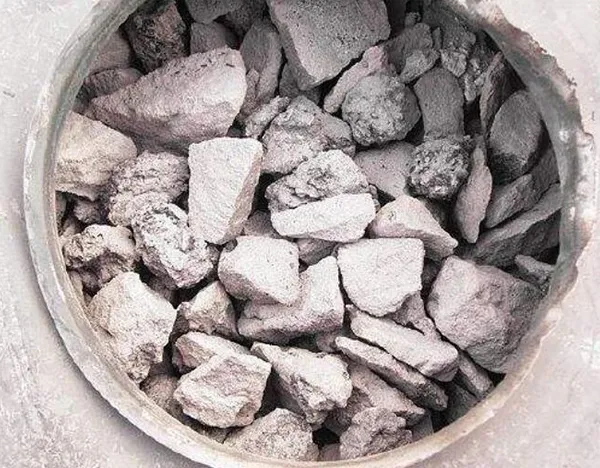
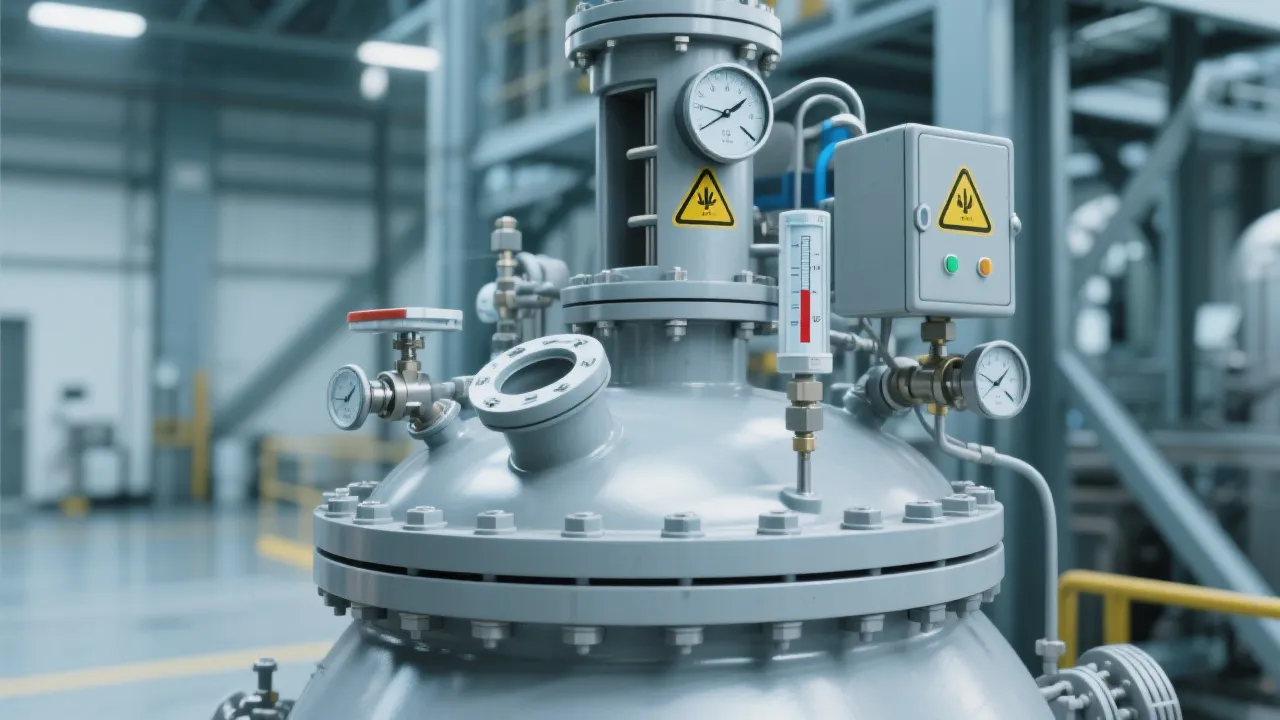
A standardized storage process includes several key steps. First, the calcium carbide should be stored in sealed containers made of steel or other suitable materials. Second, a regular inspection system should be established to check for any signs of damage or leakage. Third, employees should receive proper training on calcium carbide storage and safety procedures. By following these standardized processes, the safety of calcium carbide storage can be significantly improved.
In conclusion, proper calcium carbide storage management is essential for the safety and efficiency of enterprises. Inner Mongolia Longwei Chemical Technology Co., Ltd.'s high - purity calcium carbide products, combined with standardized storage processes, can help companies reduce safety risks, ensure production safety, and enhance the economic value of calcium carbide. We encourage you to share your thoughts and experiences on calcium carbide storage management. Click here to learn more about Inner Mongolia Longwei Chemical Technology Co., Ltd.'s calcium carbide products and start enhancing your storage safety today!
 439
|
439
|
 Multifunctional calcium carbide
Calcium carbide acetylene gas
Industrial welding materials
Metal cutting calcium carbide
Steel desulfurizer
278
|
High-purity calcium carbide
Steel desulfurizer
Calcium carbide application
Acetylene gas generation
Industrial raw materials
366
|
calcium carbide
high stability chemical
industrial calcium carbide
271
|
Calcium carbide
High - purity calcium carbide
Acetylene gas generation
Steel desulfurizer
Inner Mongolia supply chain
101
|
calcium carbide applications
chemical industry raw materials
acetylene gas production
Multifunctional calcium carbide
Calcium carbide acetylene gas
Industrial welding materials
Metal cutting calcium carbide
Steel desulfurizer
278
|
High-purity calcium carbide
Steel desulfurizer
Calcium carbide application
Acetylene gas generation
Industrial raw materials
366
|
calcium carbide
high stability chemical
industrial calcium carbide
271
|
Calcium carbide
High - purity calcium carbide
Acetylene gas generation
Steel desulfurizer
Inner Mongolia supply chain
101
|
calcium carbide applications
chemical industry raw materials
acetylene gas production







.png?x-oss-process=image/resize,h_600,m_lfit/format,webp)