.png?x-oss-process=image/resize,h_500,m_lfit/format,webp)
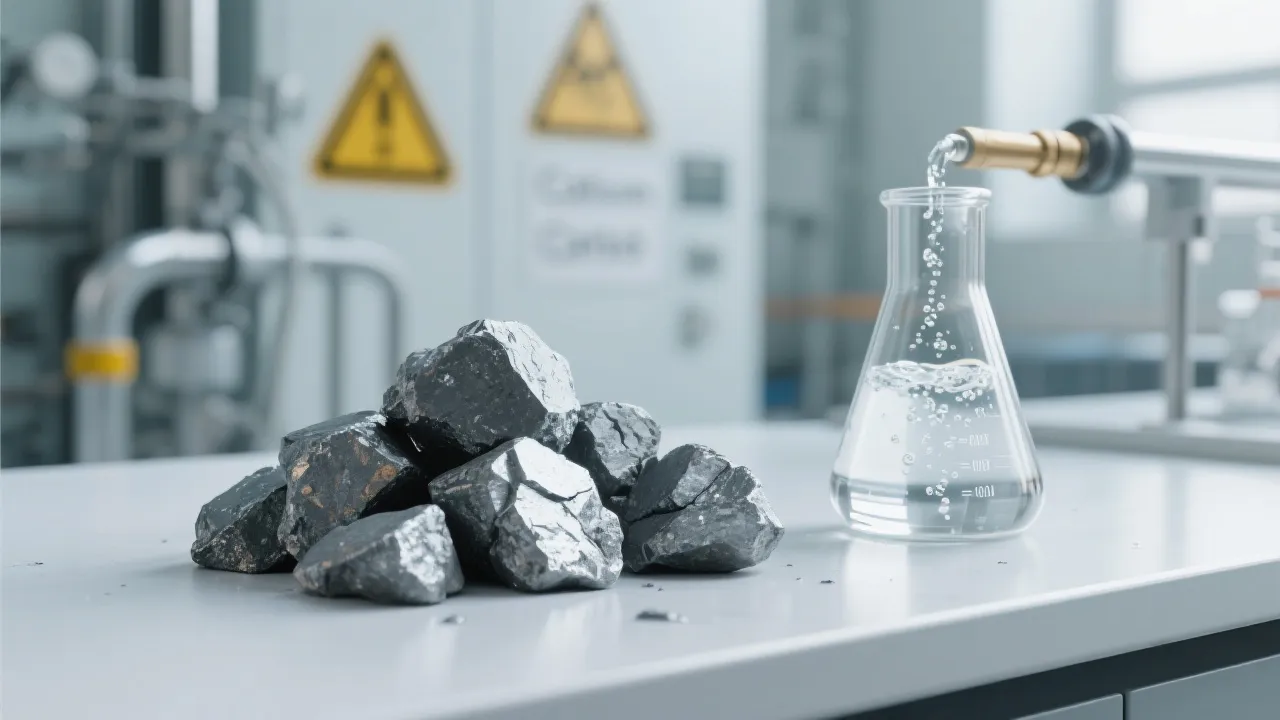
In the realm of industrial chemistry, the reaction between calcium carbide (CaC₂) and water to produce acetylene (C₂H₂) is a crucial process with wide - ranging applications. This article dives deep into the chemical mechanism of this reaction, offering a comprehensive guide for industrial technicians and managers.
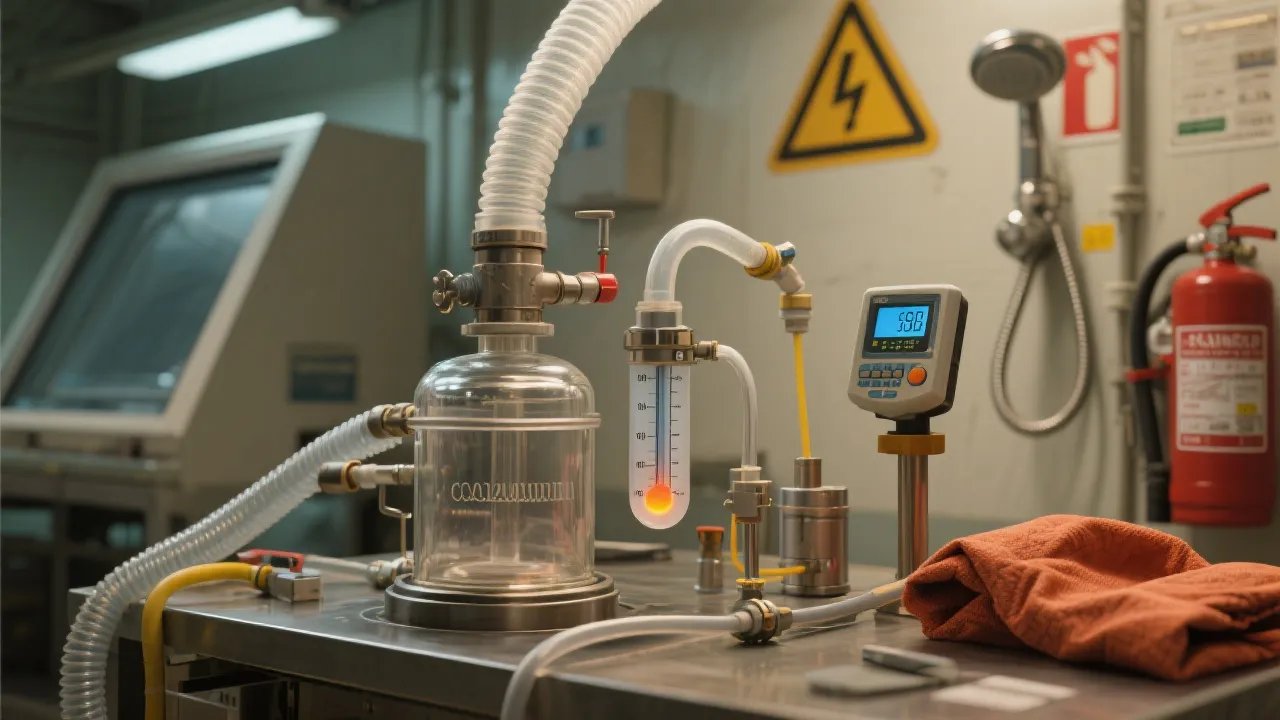
The reaction between calcium carbide and water is represented by the following chemical equation: CaC₂ + 2H₂O → C₂H₂↑+ Ca(OH)₂. This is a hydrolysis reaction where calcium carbide reacts with water molecules. When calcium carbide comes into contact with water, the water molecules break the chemical bonds in calcium carbide, releasing acetylene gas and forming calcium hydroxide as a by - product.
Several factors can influence the yield of acetylene in this reaction. Temperature plays a significant role. Generally, an increase in temperature can accelerate the reaction rate. For example, within a temperature range of 20 - 40°C, the reaction rate can increase by approximately 20 - 30% for every 10°C rise. However, if the temperature is too high, it may lead to the decomposition of acetylene and other side - reactions, reducing the overall yield. Humidity also affects the reaction. High humidity can cause calcium carbide to absorb moisture in the air, which may pre - react with the absorbed water and reduce its reactivity when it is used in the actual production process.
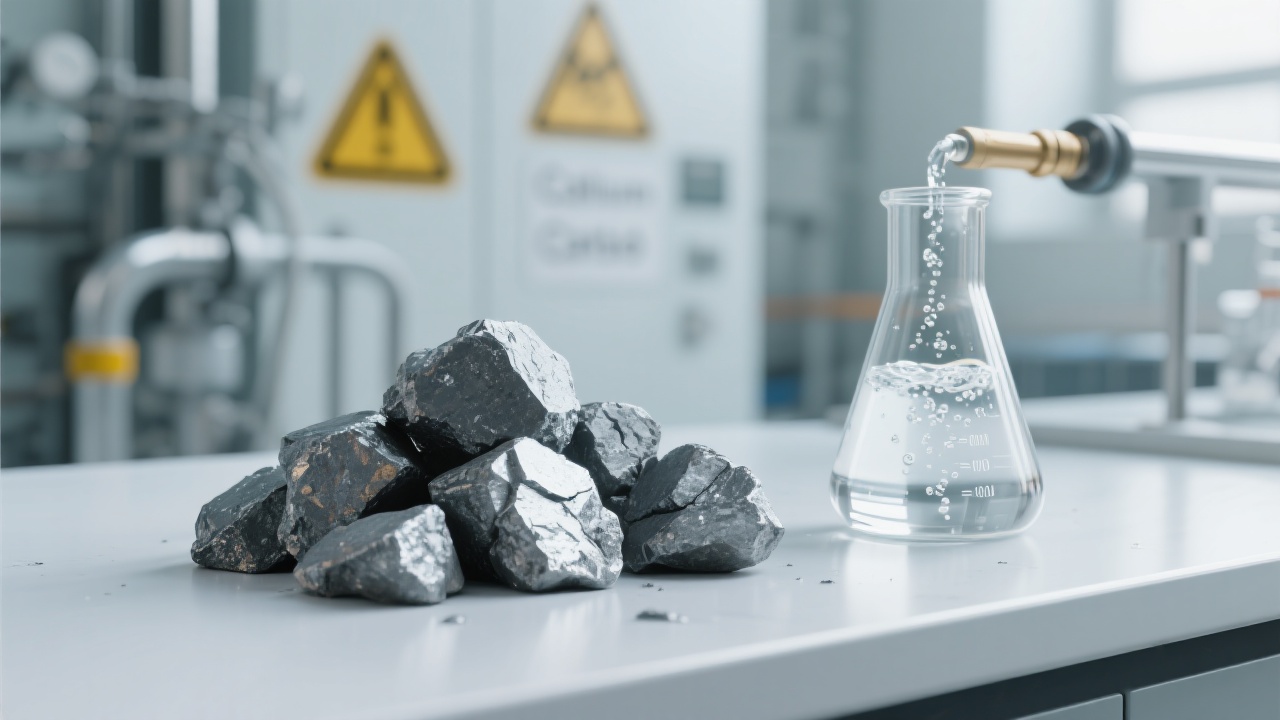
Acetylene produced from the reaction of calcium carbide and water has extensive industrial applications. It is widely used in the synthesis of rubber and resins. In the rubber industry, acetylene is used as a raw material for the production of synthetic rubber, which accounts for about 30% of the total acetylene consumption in the rubber - making sector. In the resin industry, it is an important intermediate for the production of various types of resins, enhancing the performance and quality of the final products.
In regions like Xinjiang and Ningxia in China, the industrial production of acetylene from calcium carbide has unique requirements. These regions have specific environmental and safety management regulations due to their geographical and climatic characteristics. For instance, in Xinjiang, where the climate is relatively dry, proper storage and handling of calcium carbide are crucial to prevent it from reacting with the small amount of moisture in the air. In Ningxia, with its specific industrial layout, strict safety measures need to be taken to ensure the safe operation of the production facilities.
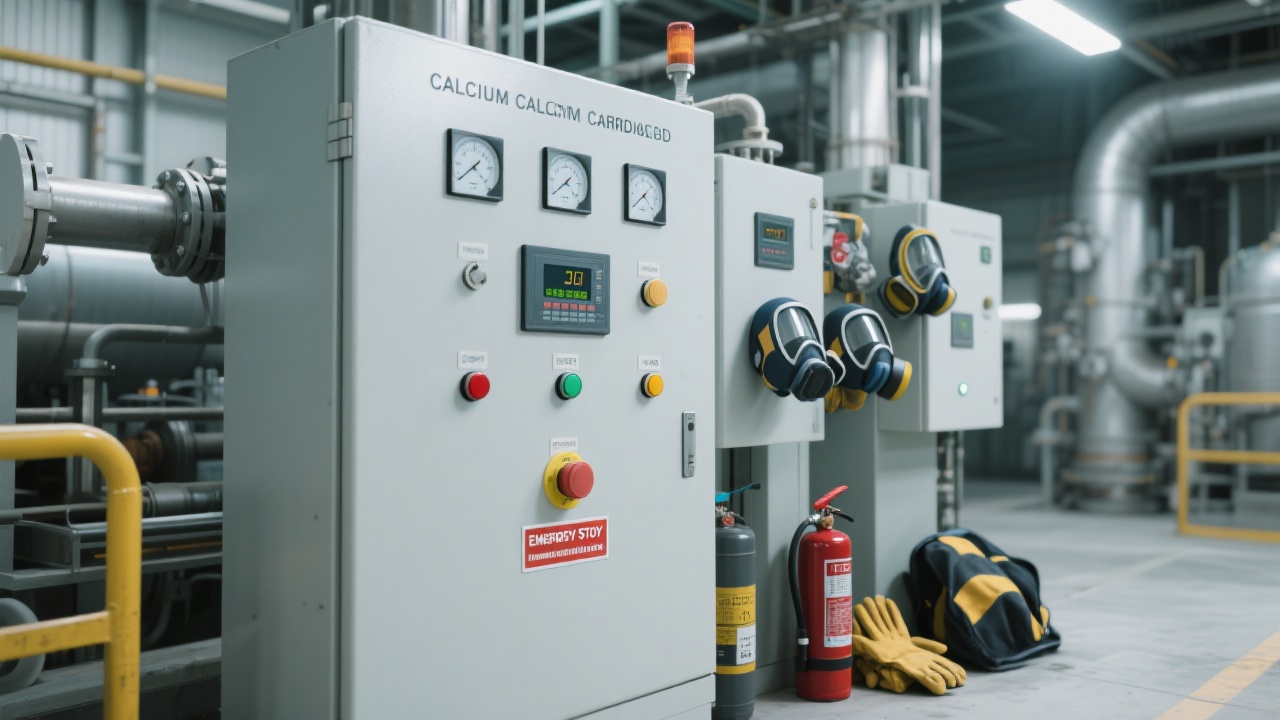
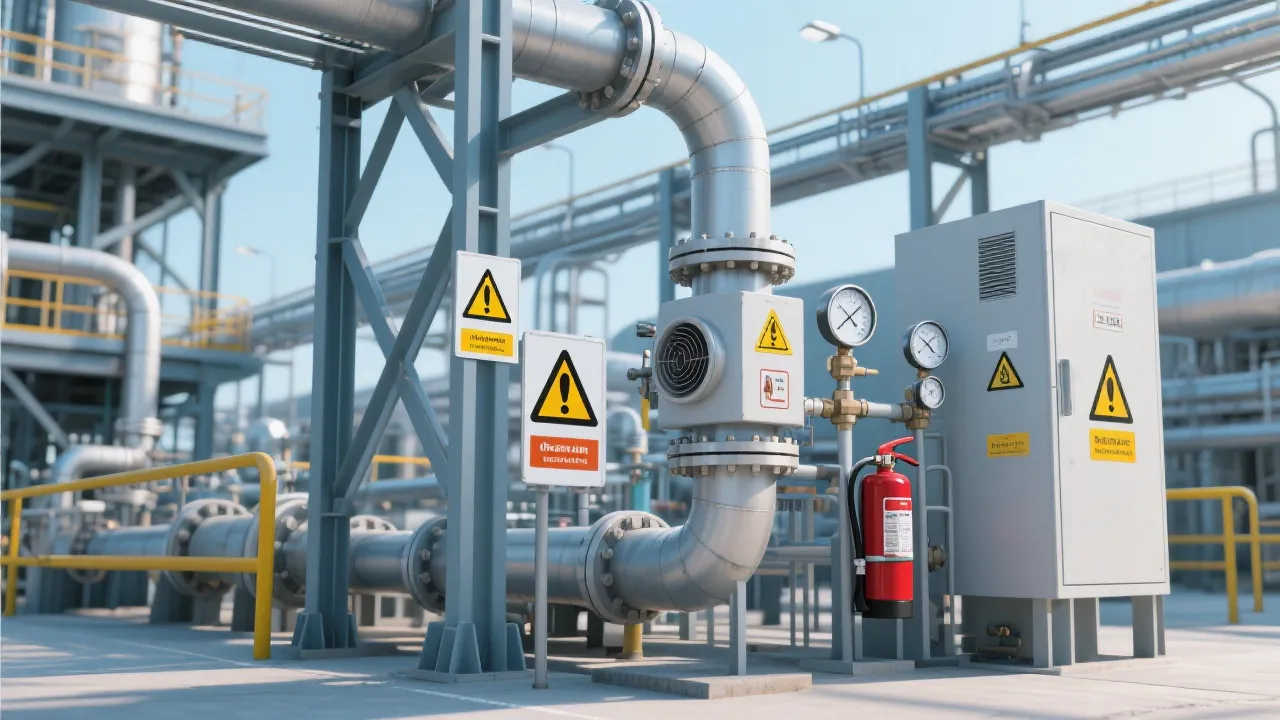
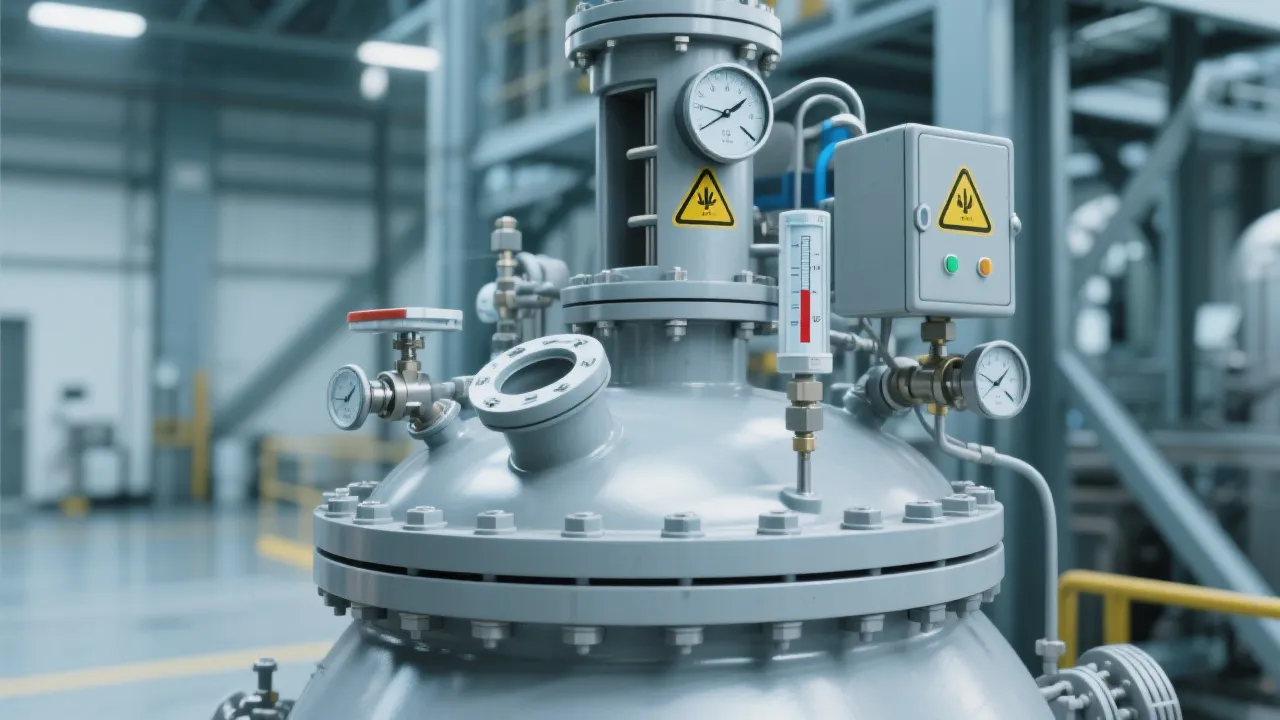
Safety is of utmost importance in the industrial production of acetylene from calcium carbide. Acetylene is a flammable and explosive gas. If not properly handled, it can pose significant risks to the production facilities and the personnel. Therefore, strict safety operation regulations must be followed. For example, the reaction equipment should be well - ventilated to prevent the accumulation of acetylene gas. Operators should wear appropriate protective equipment, such as gas masks and anti - static clothing.
One real - world case is a chemical plant in Xinjiang. Due to improper storage of calcium carbide, a small amount of it reacted with moisture in the air, releasing acetylene gas. Although the amount was relatively small, if it had accumulated in a confined space, it could have led to an explosion. After this incident, the plant strengthened its safety management, improved the storage conditions of calcium carbide, and increased safety training for employees. As a result, the safety level of the plant was significantly improved.
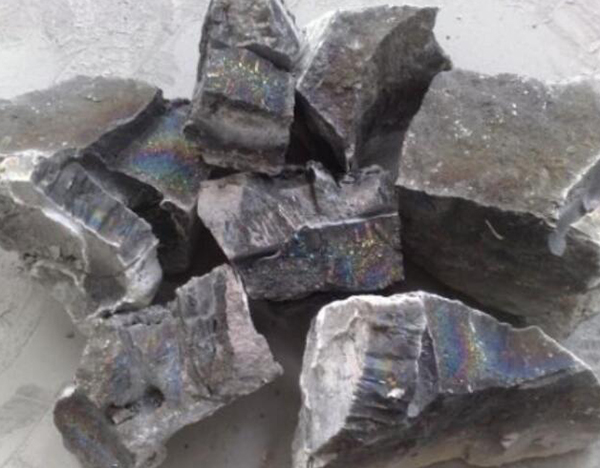
Selecting high - quality calcium carbide is the key to ensuring safe and efficient acetylene production. High - quality calcium carbide has higher purity and better reactivity, which can not only increase the yield of acetylene but also reduce the occurrence of side - reactions and improve the stability of the production process.
If you are interested in more industry news and technical support related to the production of acetylene from calcium carbide, please follow our company's official WeChat account or subscribe to our email newsletter. We will provide you with the latest information and practical guidance!
Click here to learn more about how high - quality calcium carbide can optimize your acetylene production process!
 466
|
466
|
 pharmaceutical-grade calcium carbide
high-purity calcium carbide
compliance risk reduction
raw material quality
chemical and metallurgical applications
121
|
calcium carbide metallurgy applications
high purity calcium carbide
acetylene gas production
electric arc process
industrial grade calcium carbide
348
|
calcium carbide storage safety
acetylene gas hazard
phosphine poisoning prevention
calcium carbide transportation risk
industrial chemical handling best practices
81
|
calcium carbide safety handling
acetylene gas explosion prevention
phosphine poisoning control
chemical storage best practices
calcium carbide safety guidelines
183
|
calcium carbide industrial applications
acetylene gas production
calcium carbide innovation
carbide market expansion
industrial calcium carbide uses
pharmaceutical-grade calcium carbide
high-purity calcium carbide
compliance risk reduction
raw material quality
chemical and metallurgical applications
121
|
calcium carbide metallurgy applications
high purity calcium carbide
acetylene gas production
electric arc process
industrial grade calcium carbide
348
|
calcium carbide storage safety
acetylene gas hazard
phosphine poisoning prevention
calcium carbide transportation risk
industrial chemical handling best practices
81
|
calcium carbide safety handling
acetylene gas explosion prevention
phosphine poisoning control
chemical storage best practices
calcium carbide safety guidelines
183
|
calcium carbide industrial applications
acetylene gas production
calcium carbide innovation
carbide market expansion
industrial calcium carbide uses






.png?x-oss-process=image/resize,h_600,m_lfit/format,webp)