.png?x-oss-process=image/resize,h_500,m_lfit/format,webp)
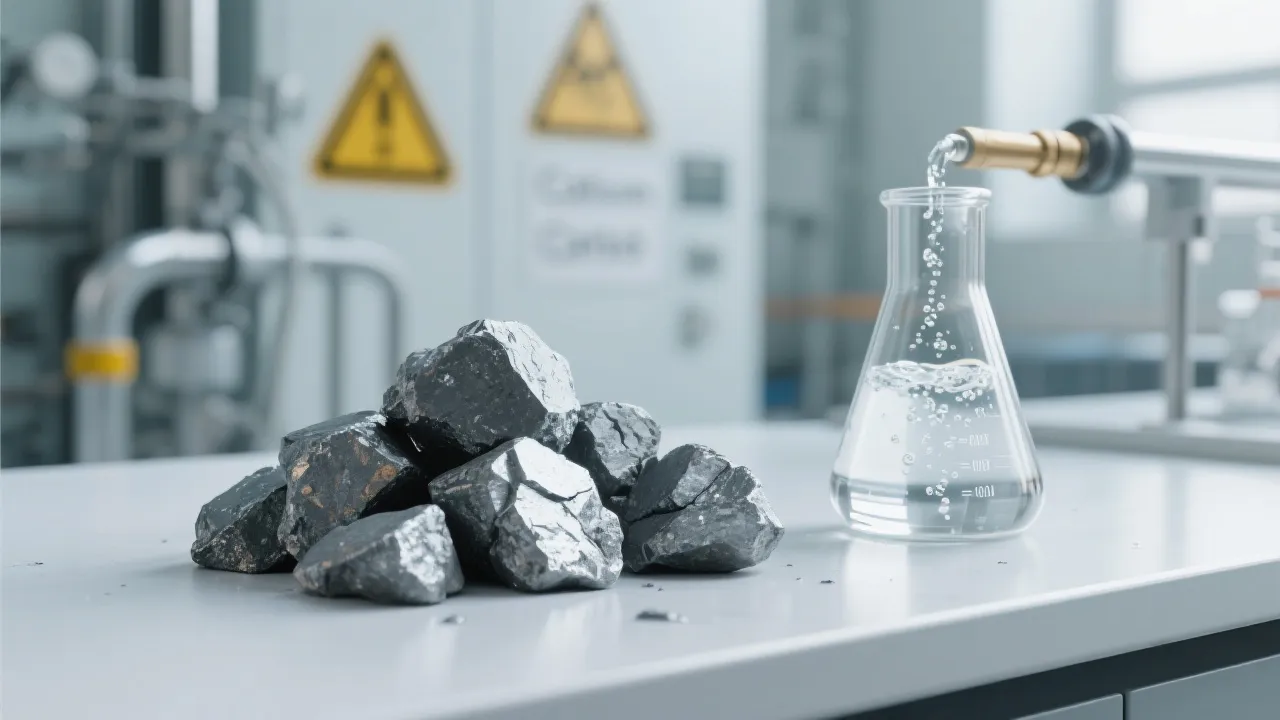
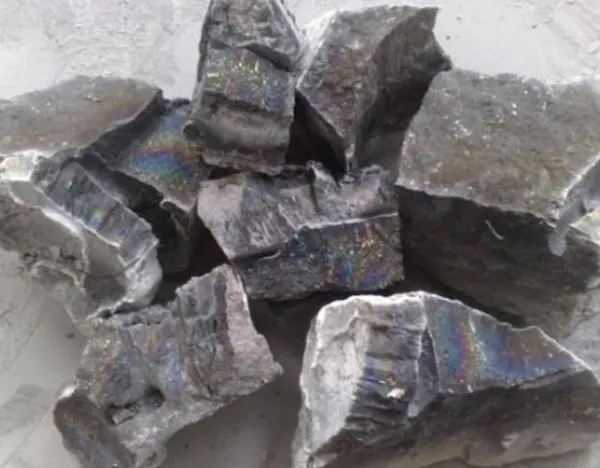
When calcium carbide (CaC₂), commonly called carbide, contacts water, it produces acetylene gas (C₂H₂) rapidly and releases significant heat. In welding shops, chemical plants, and generator rooms, that same useful chemistry can become a fast-moving pressure event if water addition, ventilation, and ignition control are not engineered and enforced. This article breaks down the reaction mechanism, the failure chain behind typical incidents, and field-ready controls that reduce explosion risk.
Risk reminder: Acetylene has a wide flammable range in air (about 2.5%–82% by volume) and a low minimum ignition energy (often cited around 0.02 mJ). That means tiny sparks and static can be enough—especially during uncontrolled gas release.
The core reaction is straightforward, but the kinetics and heat release create the danger:
Reaction: CaC₂ + 2H₂O → C₂H₂ (acetylene) + Ca(OH)₂ (calcium hydroxide)
Key hazard drivers: (1) rapid gas evolution, (2) strong exothermic heat release, (3) potential for local boiling/foaming, (4) pressure rise in confined volumes.
In practical terms, carbide reacting with water can generate large volumes of acetylene quickly. A common engineering estimate is that 1 kg of CaC₂ can yield roughly 0.35 m³ of acetylene at 1 atm and room temperature (actual yield depends on grade, moisture, and reaction efficiency). If the reaction occurs inside a poorly vented drum, clogged generator, or enclosed pit, the same gas volume becomes a pressure spike.
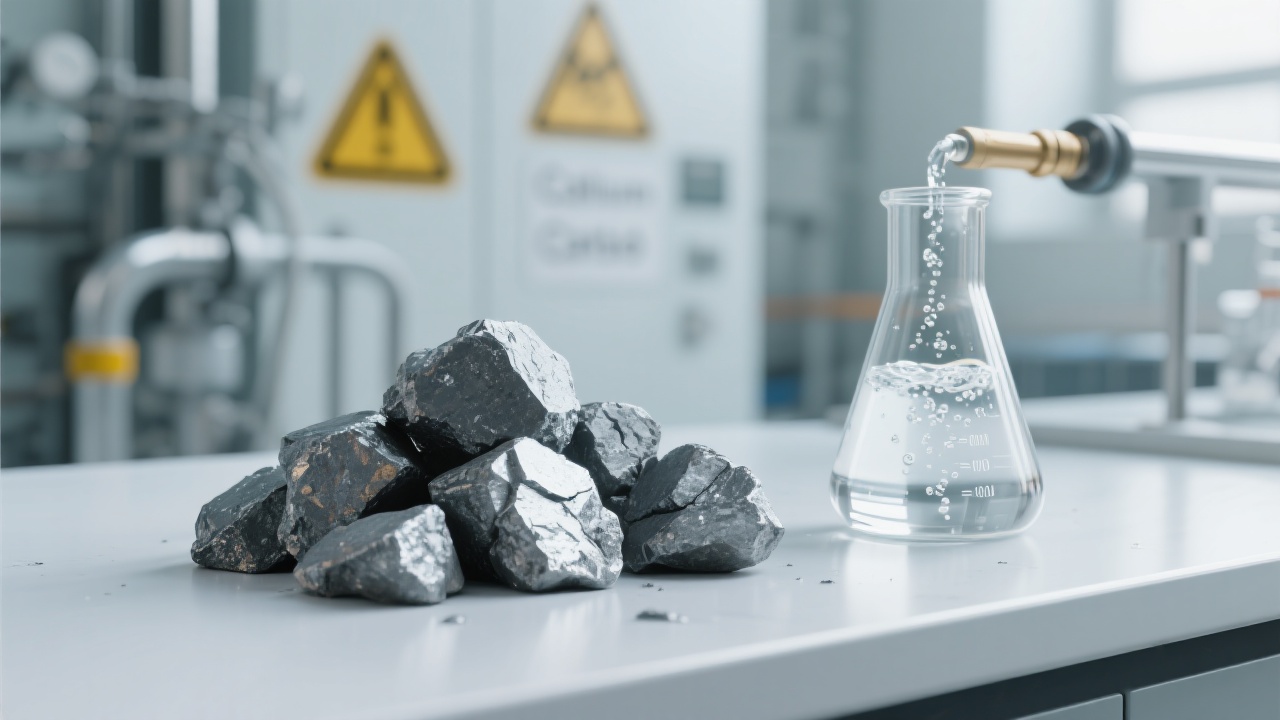
Most serious carbide incidents are not “mystery events.” They follow a recognizable sequence that safety managers can audit and break:
Step 1 — Uncontrolled water contact: rain leakage, wet tools, condensation, wash-down practices, or overfeeding water into a generator.
Step 2 — Temperature rises fast: heat accelerates reaction rate, and slurry can foam or boil locally.
Step 3 — Gas accumulates: inadequate venting, blocked flashback arrestors, closed valves, or confined spaces prevent safe release.
Step 4 — Ignition + overpressure: static discharge, grinder sparks, hot surfaces, or electrical equipment ignite a flammable acetylene-air mixture.
Field note: “It was only a little moisture” is a common pre-incident statement. Even small wet spots can initiate gas generation inside bags, drums, hoppers, or lines—especially if material is dusty or broken into fines (higher surface area → faster reaction).
In industrial investigations, the most damaging outcomes tend to involve one of these patterns:
Expert-style takeaway (industry practice): “Carbide safety is not only about ‘no water.’ It is about controlling where water can reach, ensuring acetylene has a safe vent path, and eliminating ignition sources in every credible release scenario.”
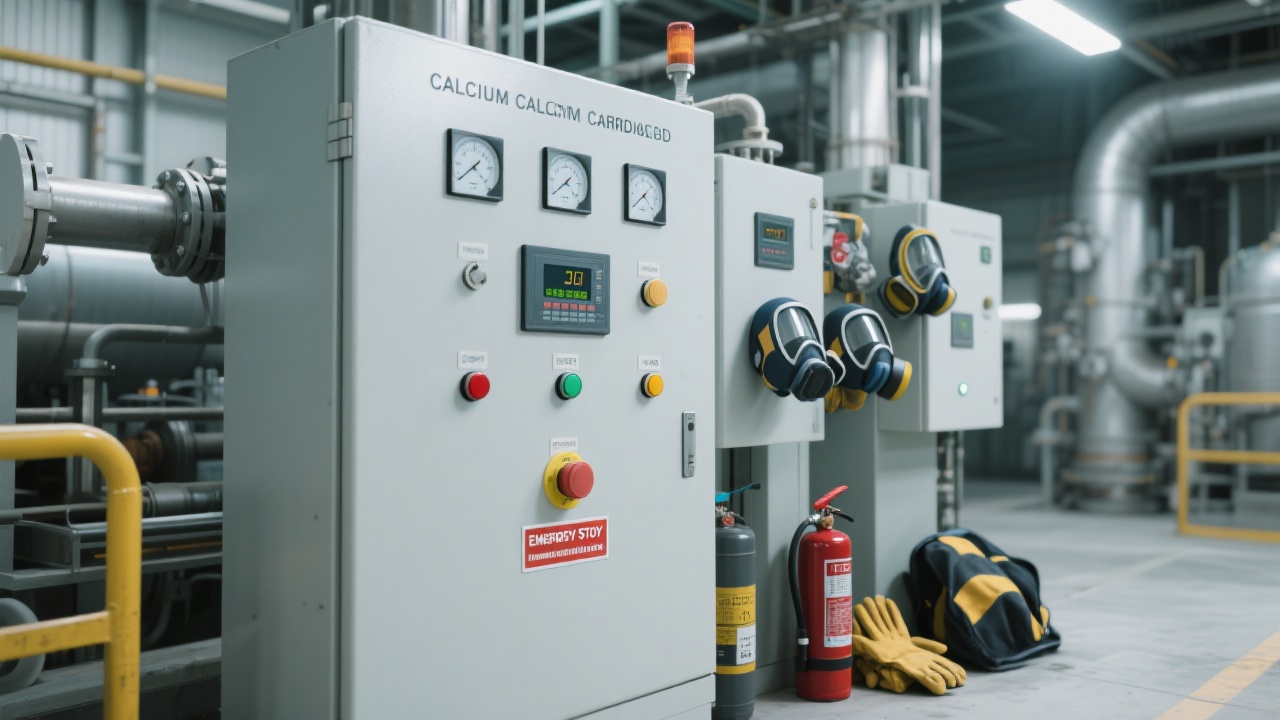
Safe acetylene generation is fundamentally a metering problem. The most common unsafe condition is adding water too quickly (or allowing uncontrolled ingress), which spikes reaction rate and overwhelms venting capacity.
| Water addition condition | Typical reaction behavior | Pressure/vent risk | Recommended control |
|---|---|---|---|
| Slow, metered feed (stable) | Steady gas evolution; manageable heat | Low–moderate (depends on vent sizing) | Flow control valve + interlock; verify vent path before start |
| Intermittent splashing / “top-up” dumping | Surges; foaming and local boiling possible | High (surge can exceed vent capacity) | Ban dumping; use dedicated feeder; operator training + checklist |
| Uncontrolled ingress (leak, rain, wash-down) | Continuous generation; hard to stop; hidden gas pockets | Very high (unknown rate + confinement) | Weatherproof storage; secondary containment; moisture alarms where feasible |
For workshops and plant environments, the safer approach is to avoid improvised containers and open reaction vessels. Dedicated acetylene generators and carbide feeders typically incorporate controlled dosing, slurry handling, and flashback protection. Improvised setups often fail at exactly those points.
Ventilation is not a “comfort feature”; it is a primary safeguard against forming a flammable acetylene-air mixture. As a practical site target, many facilities design for strong dilution and avoid dead zones by combining: local exhaust near release points + high-level natural/forced ventilation + clear discharge routing. Where process risk warrants it, install fixed gas detection; many plants set alarm thresholds at 10% LEL for early action and 20% LEL for escalation (exact setpoints should follow your site’s hazard analysis and local code).
Treat acetylene generation/storage areas as hazardous locations: control static electricity (bonding/grounding), select suitable electrical equipment, and keep hot work away from vents and storage. Even with good controls, a small release can occur—ignition prevention is the last line that often decides the outcome.
Standards snapshot (non-exhaustive): Always align site practice with applicable regulations and guidance such as OSHA process safety expectations, NFPA principles for flammable gases, ATEX/IECEx approaches for explosive atmospheres, and manufacturer manuals for generators/flashback arrestors.
An effective emergency plan assumes stress, noise, and incomplete information. The response steps below focus on controlling escalation first, then recovery:
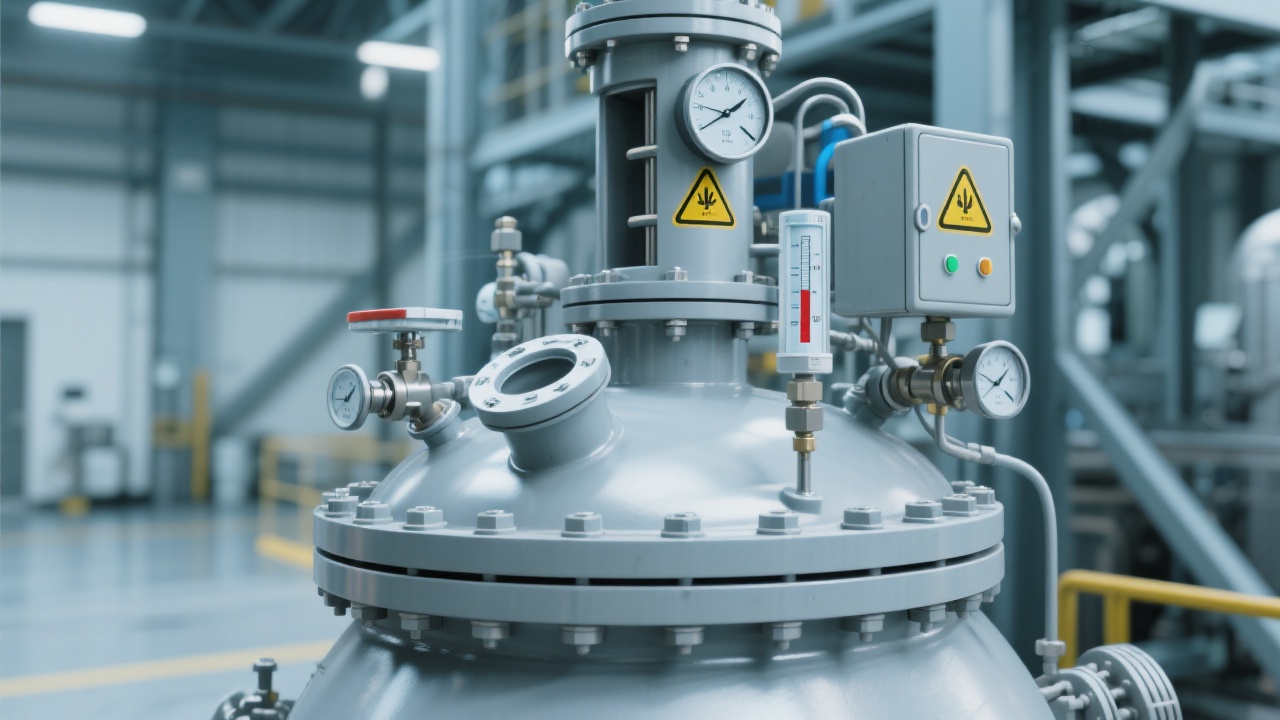
Carbide is often safest when stored dry, sealed, and elevated. A practical housekeeping rule seen in multiple plants is keeping storage area relative humidity at or below 75% and preventing condensation cycles (especially in coastal or monsoon climates). Use desiccants where appropriate, inspect seals, and avoid placing drums directly on cold floors that promote sweating.
Store carbide away from water sources (sprinkler discharge paths, wash stations, leaking roofs), and segregate from incompatible chemicals. Many sites enforce clear rules to keep carbide away from acids and alcohols, and to separate it from oxidizers and corrosives to avoid secondary reactions, packaging damage, and cross-contamination.
Calcium hydroxide byproduct can build up as slurry/scale and reduce effective volume, clog drains, and restrict vent pathways. Preventive maintenance should treat vent lines, relief devices, and flashback arrestors as safety-critical equipment: inspection intervals, functional checks, and documentation are not paperwork—they are pressure control.
If your operation involves carbide handling, acetylene generation, or storage-area risk reduction, get a practical checklist and equipment selection guidance tailored to your site conditions.
Get the Calcium Carbide (CaC₂) Safe Handling & Acetylene Generation ChecklistIncludes: water-feed control points, ventilation verification, storage segregation rules, and emergency actions aligned with common industrial practice.
 76
|
76
|
 calcium carbide export packaging standards
calcium carbide transportation safety
industrial chemical logistics management
international calcium carbide delivery
acetylene raw material supply
190
|
calcium carbide storage
calcium carbide properties
chemical raw material safety
acetylene generation
export quality assurance
113
|
high-purity calcium carbide
calcium carbide suppliers
industrial chemical applications
64
|
high purity calcium carbide
stable calcium carbide supply
calcium carbide production base
industrial calcium carbide sourcing
calcium carbide quality control
240
|
calcium carbide applications
electronic component materials
high-purity calcium carbide
semiconductor manufacturing process
industrial material solutions
calcium carbide export packaging standards
calcium carbide transportation safety
industrial chemical logistics management
international calcium carbide delivery
acetylene raw material supply
190
|
calcium carbide storage
calcium carbide properties
chemical raw material safety
acetylene generation
export quality assurance
113
|
high-purity calcium carbide
calcium carbide suppliers
industrial chemical applications
64
|
high purity calcium carbide
stable calcium carbide supply
calcium carbide production base
industrial calcium carbide sourcing
calcium carbide quality control
240
|
calcium carbide applications
electronic component materials
high-purity calcium carbide
semiconductor manufacturing process
industrial material solutions






.png?x-oss-process=image/resize,h_600,m_lfit/format,webp)