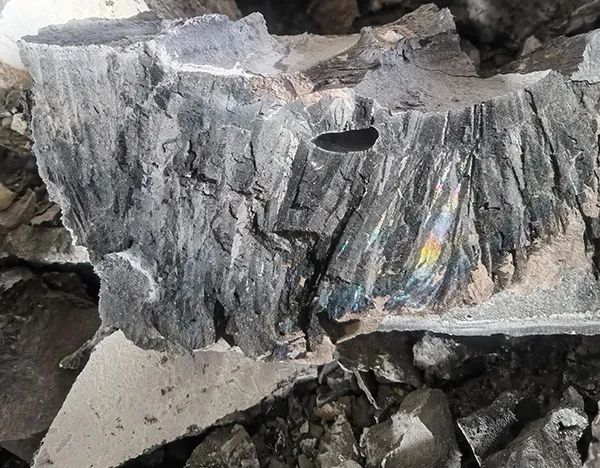
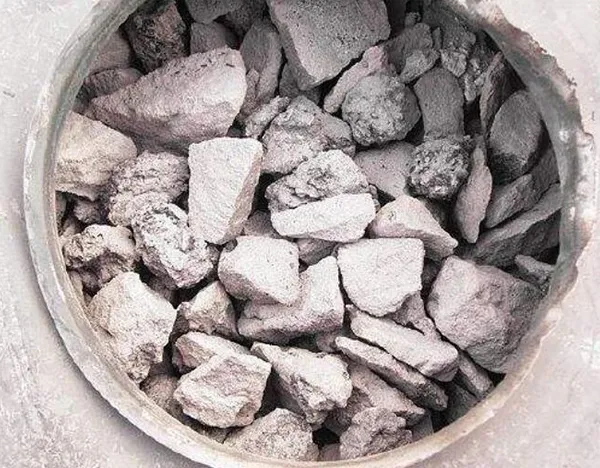
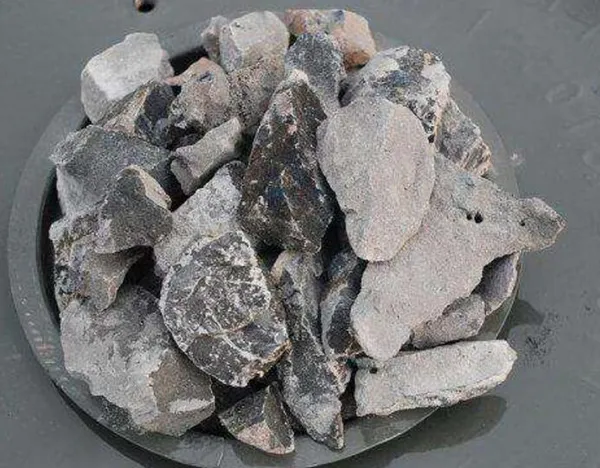
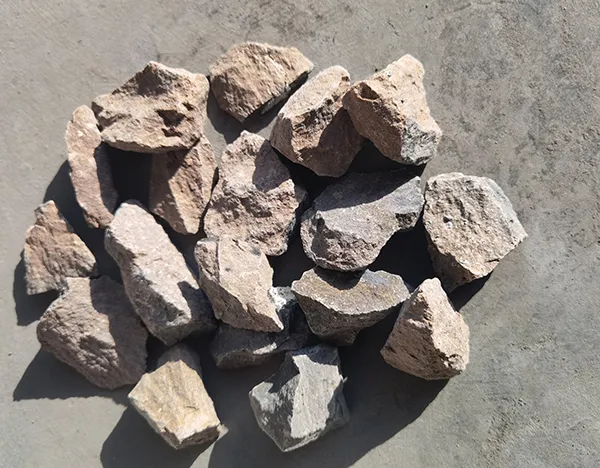
.png?x-oss-process=image/resize,h_500,m_lfit/format,webp)
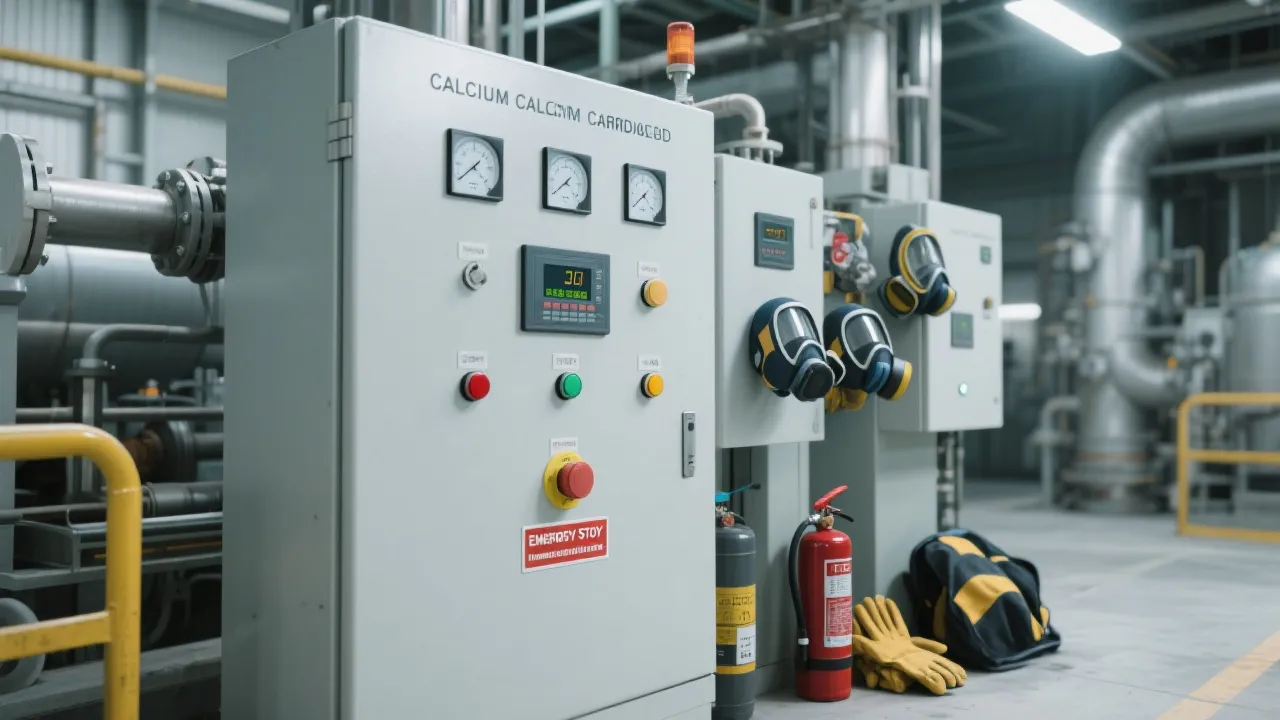
For industrial professionals working with acetylene production, understanding the chemistry and safety protocols behind calcium carbide (CaC₂) reactions with water is not just a technical requirement—it's a critical responsibility. Each year, improper handling of this exothermic reaction leads to an estimated 23% of chemical process accidents in the hydrocarbon industry, according to data from the American Chemistry Council. This guide breaks down the essential knowledge needed to manage this process safely while optimizing efficiency.
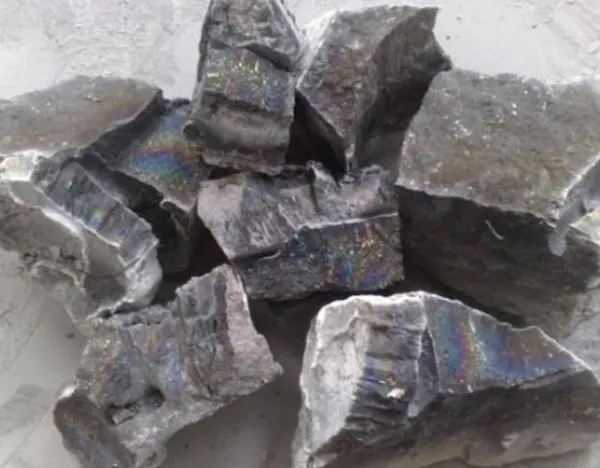
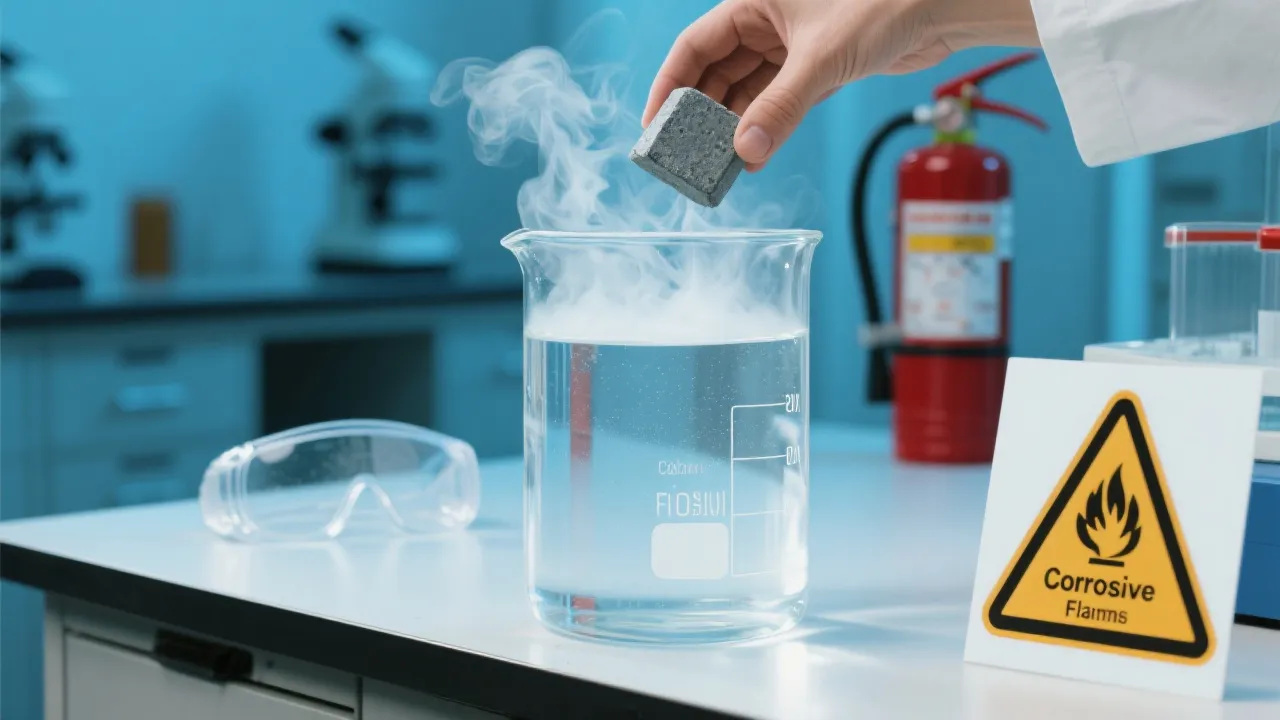
The reaction between calcium carbide and water is deceptively simple in its stoichiometry but complex in its practical behavior. When calcium carbide pellets come into contact with water, they undergo a vigorous exothermic reaction producing acetylene gas (C₂H₂) and calcium hydroxide (Ca(OH)₂). The reaction releases approximately 129 kJ/mol of heat, which can raise temperatures rapidly if not properly controlled.
Key factors influencing reaction rate include:
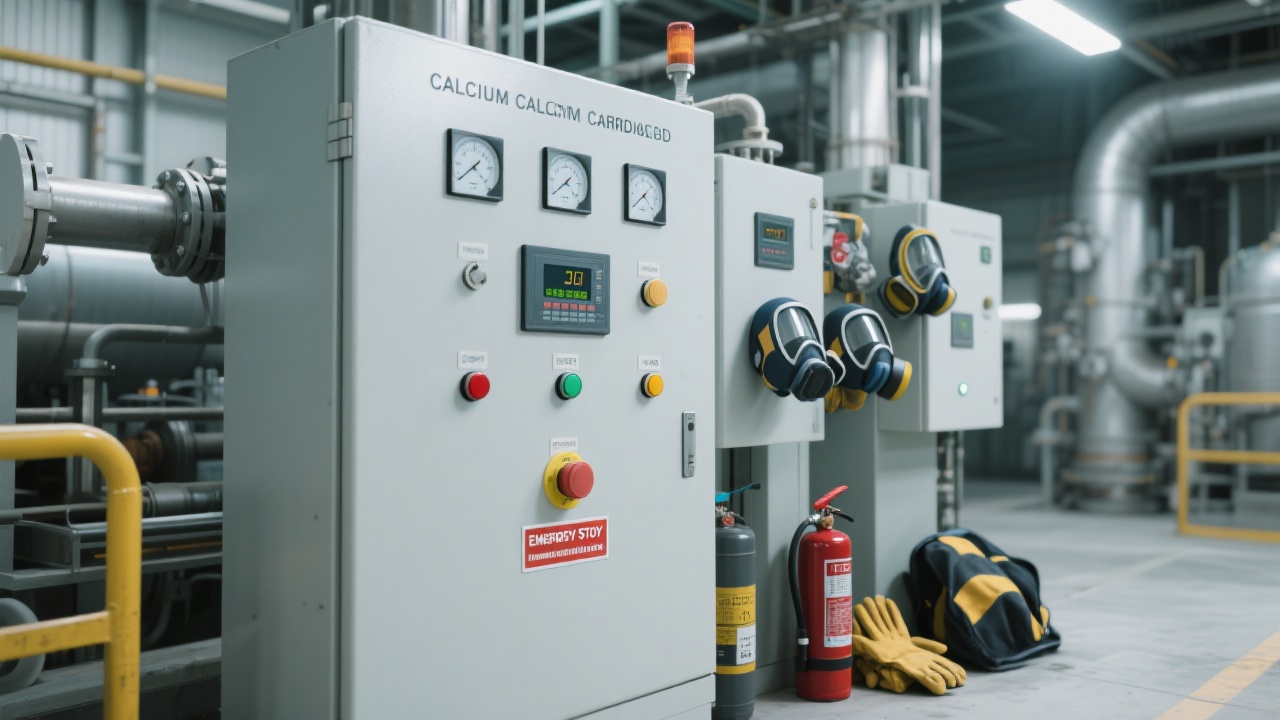
In 2019, a chemical plant in Texas experienced a catastrophic explosion when a calcium carbide reaction vessel overpressurized. The incident, later investigated by OSHA, was traced to three critical errors: insufficient water flow control, blocked pressure relief valves, and inadequate ventilation. The blast resulted in $2.4 million in damages and a 45-day production shutdown.
Another incident in Germany (2021) demonstrated how improper storage compounded reaction risks. Calcium carbide drums stored in a humid warehouse absorbed moisture over three weeks, leading to spontaneous acetylene generation. The slow reaction eventually caused drum rupture and gas ignition, highlighting the importance of moisture control even during storage.
Industry Standard Excerpt:
"Calcium carbide storage areas must maintain relative humidity below 65% and temperature below 32°C. Containers shall be inspected for signs of bulging or gas pressure weekly. OSHA 1910.106(d)(3)(i)"
Effective risk mitigation requires a multi-layered approach combining engineering controls, procedural safeguards, and personnel training. When designing or upgrading acetylene generation systems, consider these critical elements:
Precision water metering is essential. Modern systems utilize variable frequency drives (VFD) to maintain water flow rates within ±5% of setpoint. The ideal water temperature range is 15-20°C; chilled water systems may be necessary in hot climates to prevent runaway reactions.
Local exhaust ventilation (LEV) systems should achieve a minimum air exchange rate of 12 air changes per hour. Vent hoods must capture at least 95% of generated gases, with ductwork constructed of non-sparking materials to prevent ignition of acetylene-air mixtures.
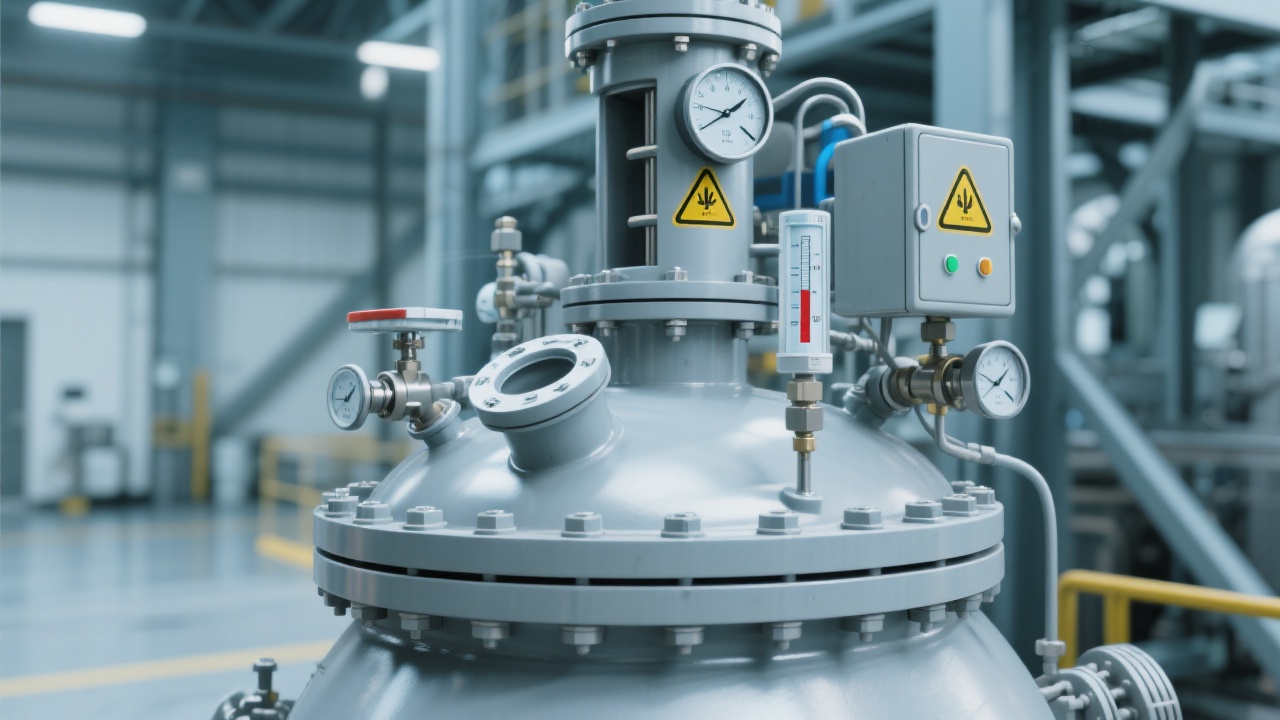
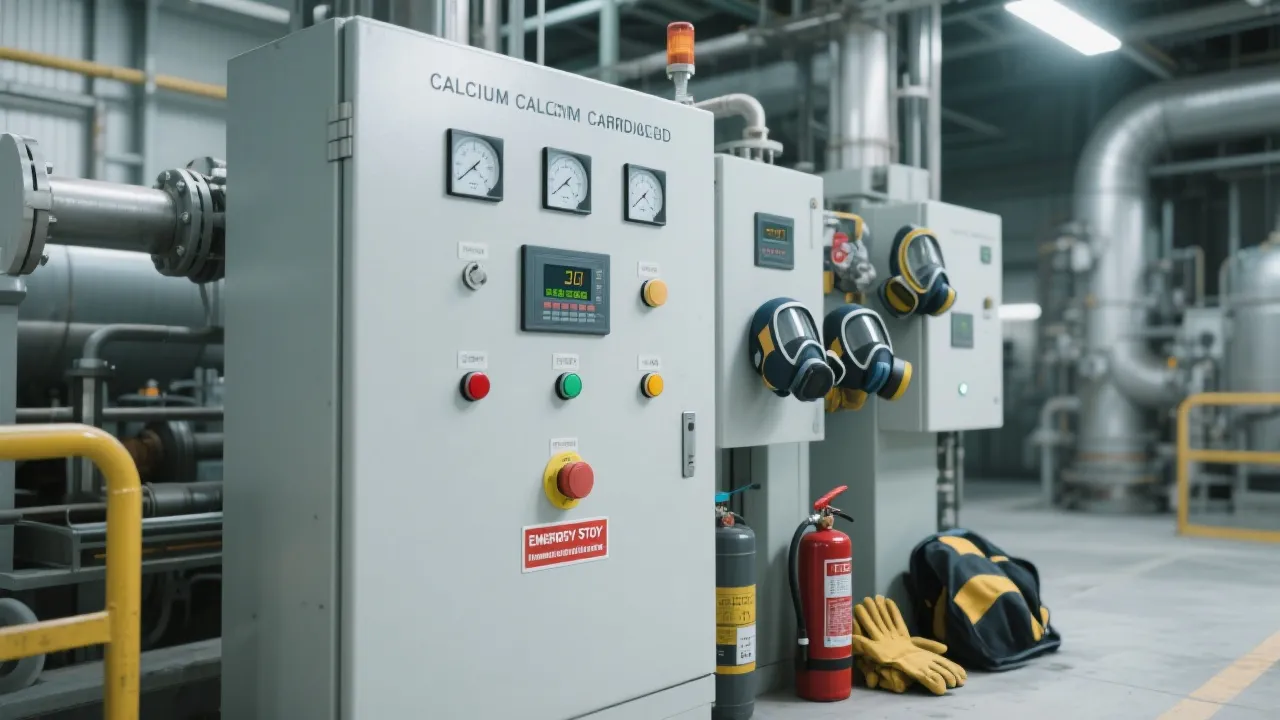
Reaction vessels must be equipped with rupture discs rated for 15 psig, the lower explosive limit for acetylene. Continuous monitoring systems should track temperature, pressure, and gas composition, with automatic shutdown protocols triggered at 80% of safety thresholds.
Despite all precautions, emergencies can occur. A well-rehearsed response plan should include these sequential steps:
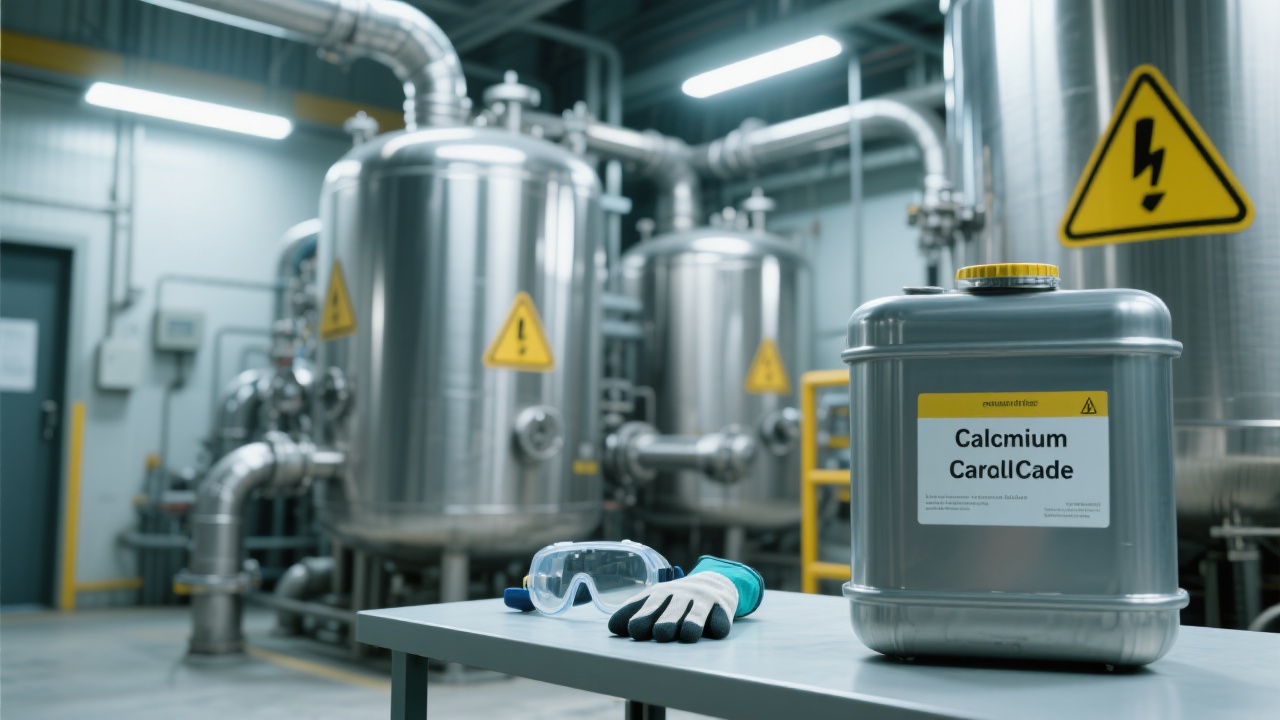
Calcium carbide's affinity for moisture makes proper storage critical. The material should be kept in hermetically sealed steel drums with moisture-absorbing desiccants. Storage areas must be elevated at least 6 inches above floor level and equipped with moisture monitoring systems that alarm at humidity levels exceeding 60%.
Inventory rotation is equally important. Industry best practice recommends first-in, first-out (FIFO) rotation with maximum storage duration of 12 months. Each drum should be marked with receipt date and scheduled inspection intervals.
Beyond safety considerations, production efficiency depends significantly on the quality of calcium carbide used. High-purity calcium carbide (98%+ CaC₂ content) not only produces more acetylene per unit weight but also reduces reaction byproducts that can foul equipment and increase maintenance costs.
Consistent particle size distribution is another often-overlooked factor. Uniform 10-20mm pellets promote predictable reaction rates and reduce the risk of localized overheating compared to mixed particle sizes. When evaluating suppliers, inquire about their manufacturing process controls and quality assurance protocols.
Our high-purity calcium carbide ensures consistent reactions, reduced waste, and enhanced workplace safety. With over 15 years of supplying industrial clients worldwide, we understand your unique production challenges.
Request Your Technical Datasheet & Safety GuideEvery facility develops unique insights into optimizing calcium carbide reactions. What specific challenges have you encountered in your acetylene production process? Have you implemented innovative safety measures that improved your operations? Share your experiences in the comments below—your insights could help fellow professionals enhance their safety protocols and production efficiency.
 251
|
251
|
 Calcium carbide safety operation guide
Precautions for calcium carbide use
Calcium carbide storage and transportation specifications
Acetylene gas safety management
Industrial chemical compliance use
386
|
calcium carbide applications
calcium carbide quality control
organic synthesis raw materials
acetylene gas generation
industrial grade calcium carbide
82
|
calcium carbide safety handling
acetylene gas explosion prevention
phosphine poisoning control
chemical storage best practices
calcium carbide safety guidelines
416
|
calcium carbide properties
effective storage of calcium carbide
calcium carbide applications in chemical industry
203
|
calcium carbide storage safety
high purity calcium carbide
carbonized calcium handling
acetylene gas risk
safe chemical storage
Calcium carbide safety operation guide
Precautions for calcium carbide use
Calcium carbide storage and transportation specifications
Acetylene gas safety management
Industrial chemical compliance use
386
|
calcium carbide applications
calcium carbide quality control
organic synthesis raw materials
acetylene gas generation
industrial grade calcium carbide
82
|
calcium carbide safety handling
acetylene gas explosion prevention
phosphine poisoning control
chemical storage best practices
calcium carbide safety guidelines
416
|
calcium carbide properties
effective storage of calcium carbide
calcium carbide applications in chemical industry
203
|
calcium carbide storage safety
high purity calcium carbide
carbonized calcium handling
acetylene gas risk
safe chemical storage






.png?x-oss-process=image/resize,h_600,m_lfit/format,webp)