.png?x-oss-process=image/resize,h_500,m_lfit/format,webp)

Critical Safety Alert: Every year, improper calcium carbide-water reactions cause over 200 industrial accidents worldwide, resulting in an average of 15 fatalities annually, according to the International Association for Chemical Safety.
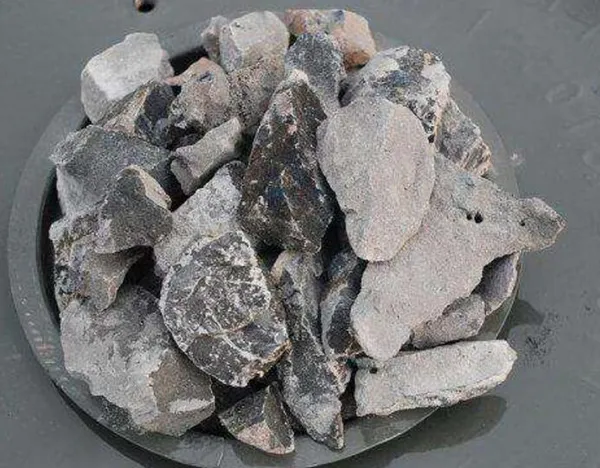
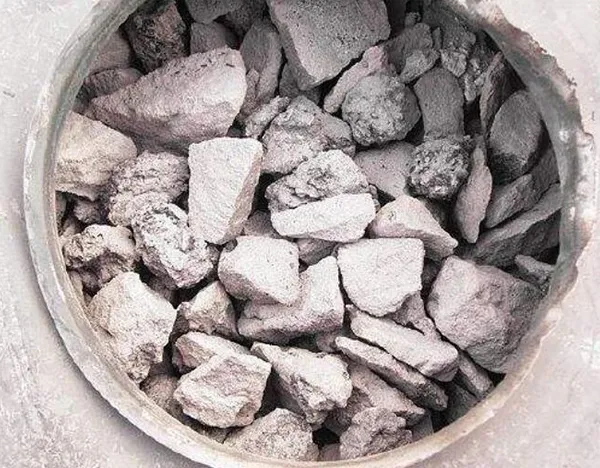
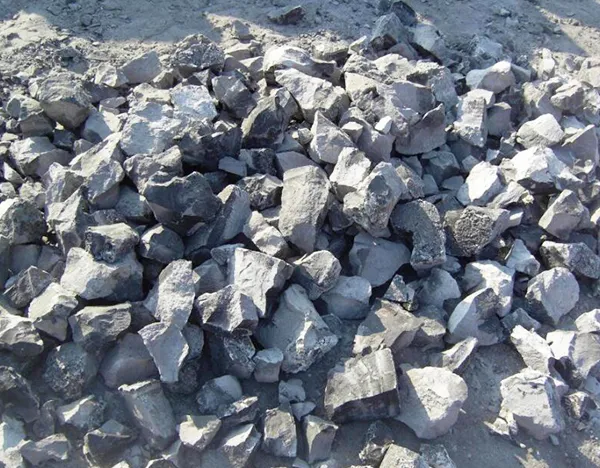
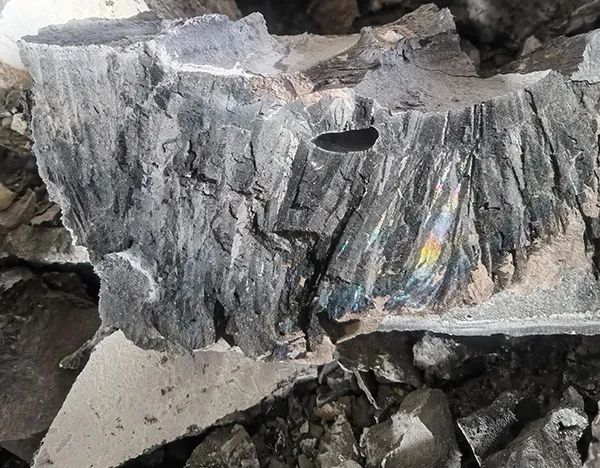
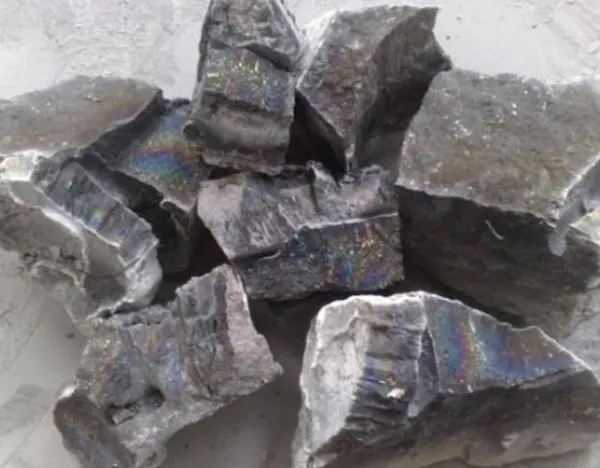
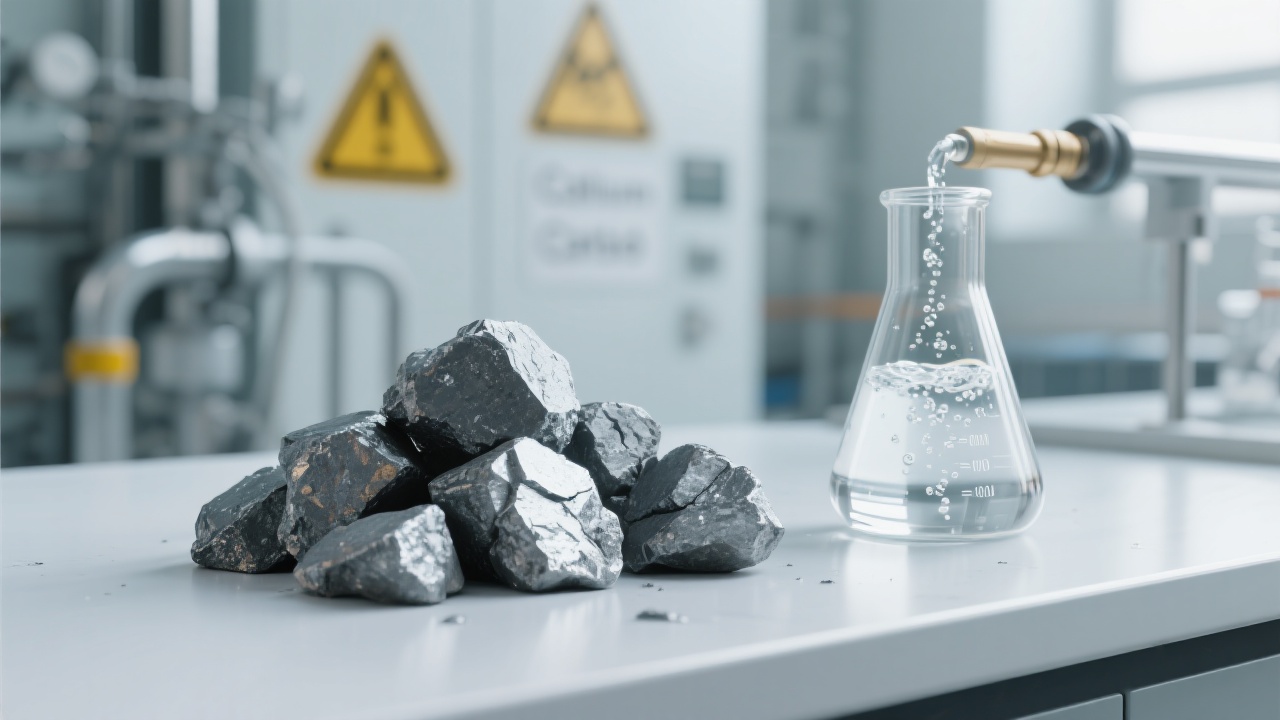
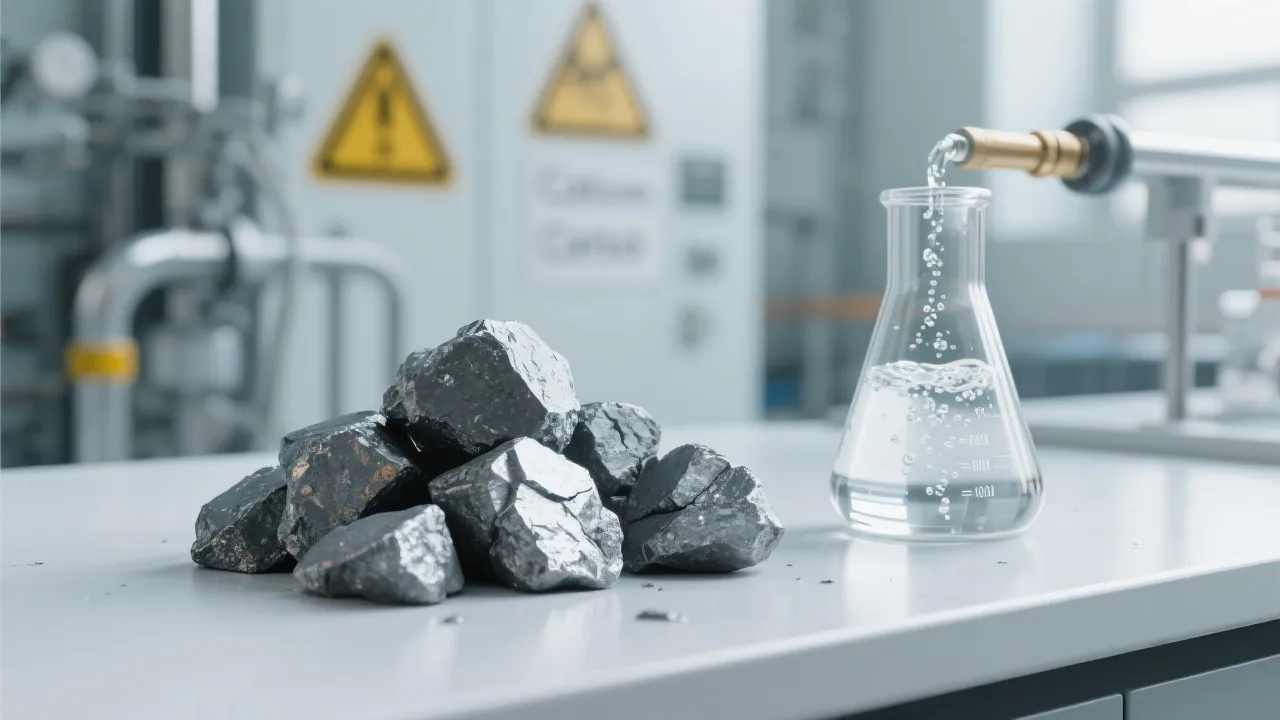
Calcium carbide (CaC₂) and water react violently to produce acetylene gas (C₂H₂) and calcium hydroxide (Ca(OH)₂), following the chemical equation: CaC₂ + 2H₂O → C₂H₂ + Ca(OH)₂. This exothermic reaction releases significant heat—approximately 120 kJ/mol—creating a potentially hazardous environment if not properly controlled.
Understanding the reaction kinetics is crucial for safe operation. The reaction rate accelerates exponentially with temperature, meaning even a small initial temperature increase can quickly escalate into a dangerous situation. At 25°C, the reaction typically takes 2-3 minutes to complete, but at 80°C, this time decreases to under 30 seconds, often leading to thermal runaway.

A mid-sized chemical facility in Texas experienced a catastrophic explosion when an operator added water to calcium carbide at a rate 30% higher than recommended. The reaction temperature spiked from 25°C to 180°C in under two minutes, causing the pressure vessel to rupture. The resulting acetylene-air mixture ignited, destroying the production line and injuring six workers.
Another incident in a welding workshop in Germany (2019) demonstrates the dangers of poor ventilation. Despite correct water addition rates, inadequate air exchange allowed acetylene gas to accumulate in the workspace. A spark from nearby welding equipment ignited the gas, resulting in a flash fire that caused extensive burns to two employees.

The most critical factor in safe acetylene production is controlling the water-to-calcium carbide ratio. For industrial applications, the optimal ratio is 1.5:1 (water:calcium carbide by weight). This ratio balances reaction efficiency with safety, preventing excessive heat buildup.
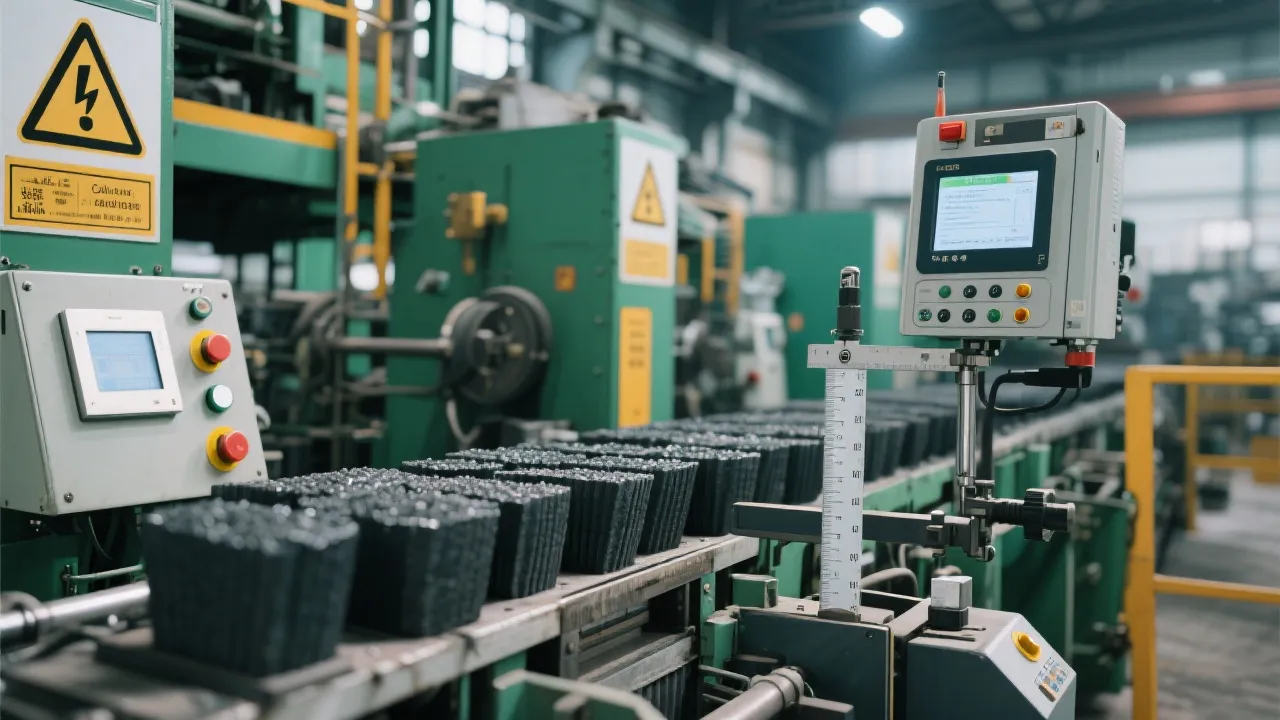
Implementing automated water addition systems with flowmeters (calibrated to ±2% accuracy) is strongly recommended. Manual addition should only be performed by trained personnel using graduated vessels and strict timing protocols.
Effective ventilation is essential to prevent acetylene accumulation. The system should provide a minimum air exchange rate of 12 air changes per hour in enclosed spaces. Local exhaust ventilation should be positioned within 30 cm of the reaction vessel to capture gases at the source.
Industry Standard ISO 14114: "Acetylene generating areas shall maintain oxygen levels between 19.5-23.5% and acetylene concentrations below 2.5% by volume to prevent explosive atmospheres."
All equipment in the reaction area must be rated for Class I, Division 1, Group B hazardous locations. Key safety components include:
Despite all precautions, emergencies can still occur. Every facility handling calcium carbide should have a documented emergency response plan with these critical steps:
Monthly emergency drills are recommended to ensure all personnel can execute these steps within the required timeframes. A study by the Chemical Safety Board found that facilities conducting regular drills had 67% fewer severe incidents compared to those without structured training programs.
Dr. Elena Markov, Chemical Process Safety Specialist with 15 years of experience, notes: "The transition from laboratory-scale to industrial production introduces unique challenges. Laboratory settings typically use 50-100g quantities with extensive manual monitoring, while industrial operations process 50-100kg batches requiring fully automated systems with multiple redundant safety controls."
Key differences include extended reaction times (30-60 minutes vs. 2-5 minutes in labs) and the need for continuous temperature profiling across larger reaction volumes to prevent hot spots.
We'd love to hear about your experiences with calcium carbide and acetylene production safety. What challenges have you faced in controlling reaction rates? Share your insights in the comments section below.
Our expert consultants can conduct a comprehensive safety audit of your calcium carbide handling processes, identifying risks and implementing industry-leading controls.
Schedule Your Safety Assessment Today 294
|
294
|
 calcium carbide application
acetylene production
chemical export market
safe storage of calcium carbide
industrial chemical safety
153
|
calcium carbide supply chain
safe chemical transport
industrial calcium carbide packaging
acetylene gas production
calcium carbide logistics
455
|
calcium carbide industrial safety
acetylene explosion risk
calcium phosphide hazards
emergency response procedures for calcium carbide
safe handling of calcium carbide
327
|
High-performance calcium carbide
acetylene production
industrial chemicals
Longwei Chemical
calcium carbide supplier
79
|
Calcium carbide
Safe use of calcium carbide
Acetylene gas explosion
Risk prevention
Quality of chemical products
calcium carbide application
acetylene production
chemical export market
safe storage of calcium carbide
industrial chemical safety
153
|
calcium carbide supply chain
safe chemical transport
industrial calcium carbide packaging
acetylene gas production
calcium carbide logistics
455
|
calcium carbide industrial safety
acetylene explosion risk
calcium phosphide hazards
emergency response procedures for calcium carbide
safe handling of calcium carbide
327
|
High-performance calcium carbide
acetylene production
industrial chemicals
Longwei Chemical
calcium carbide supplier
79
|
Calcium carbide
Safe use of calcium carbide
Acetylene gas explosion
Risk prevention
Quality of chemical products





.png?x-oss-process=image/resize,h_600,m_lfit/format,webp)