.png?x-oss-process=image/resize,h_500,m_lfit/format,webp)
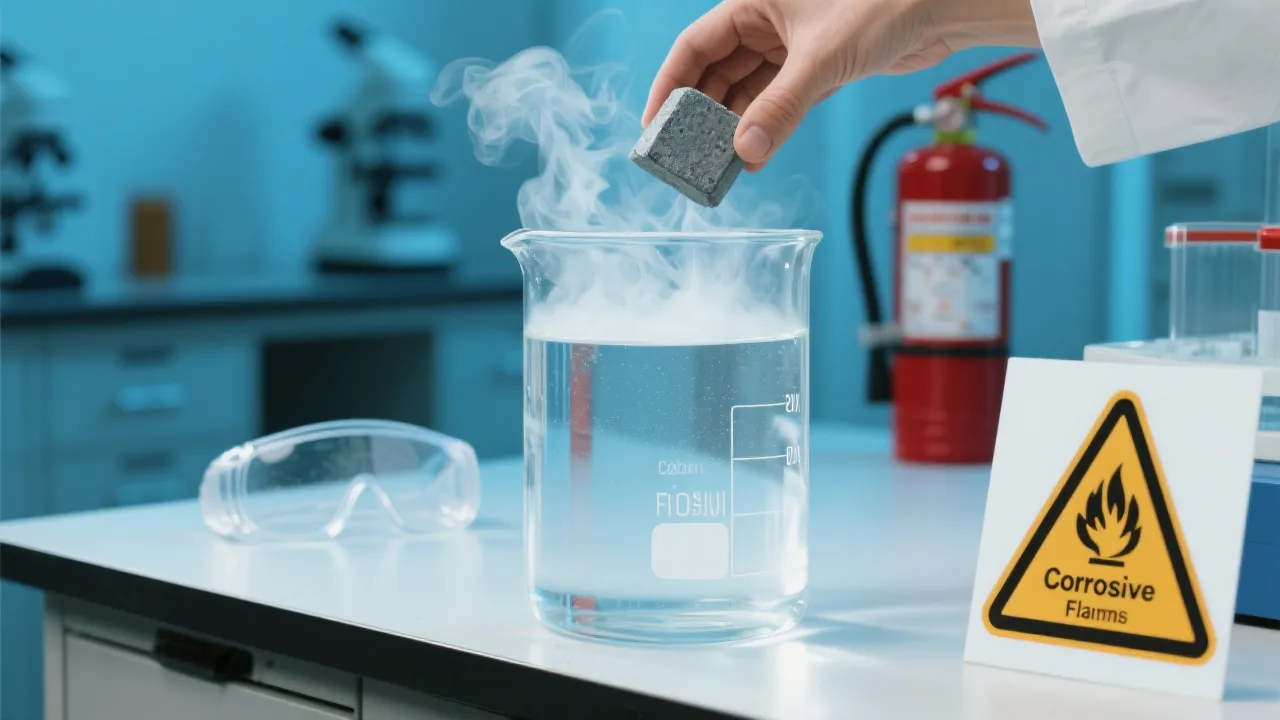
The reaction between calcium carbide (CaC₂) and water to produce acetylene (C₂H₂) remains a cornerstone in industrial chemical manufacturing. This process not only underpins acetylene synthesis but also demands a comprehensive grasp of reaction mechanics to optimize yield and ensure operational safety. The fundamental reaction—Calcium Carbide reacting with water to form acetylene gas and calcium hydroxide (Ca(OH)₂)—is represented by the equation:
CaC₂ + 2H₂O → C₂H₂ + Ca(OH)₂
The efficiency of acetylene production is highly dependent on variables including temperature control, ambient humidity, and the use of catalytic agents. Maintaining an optimal temperature range—typically between 25°C and 35°C—ensures consistent reaction rates and prevents dangerous exothermic spikes that could compromise safety.
Humidity levels directly affect the reaction kinetics because water concentration is a limiting reagent. Excess moisture may lead to uncontrolled reactions, while insufficient water reduces acetylene output. Employing catalysts such as finely ground calcium carbide enhances surface area, accelerating gas evolution.
In regions like Xinjiang, where large-scale calcium carbide usage is prevalent, specialized engineering controls are vital. Closed reaction vessels combined with precise temperature regulation systems mitigate risks of explosive acetylene accumulations. Additionally, robust ventilation systems reduce gas concentrations to below the lower explosive limit (LEL) of 2.5% by volume in air.
Waste management is equally critical. Calcined lime (Ca(OH)₂) residues must be handled per local environmental regulations to prevent soil and water contamination, supporting green manufacturing goals aligned with China’s industrial compliance standards.
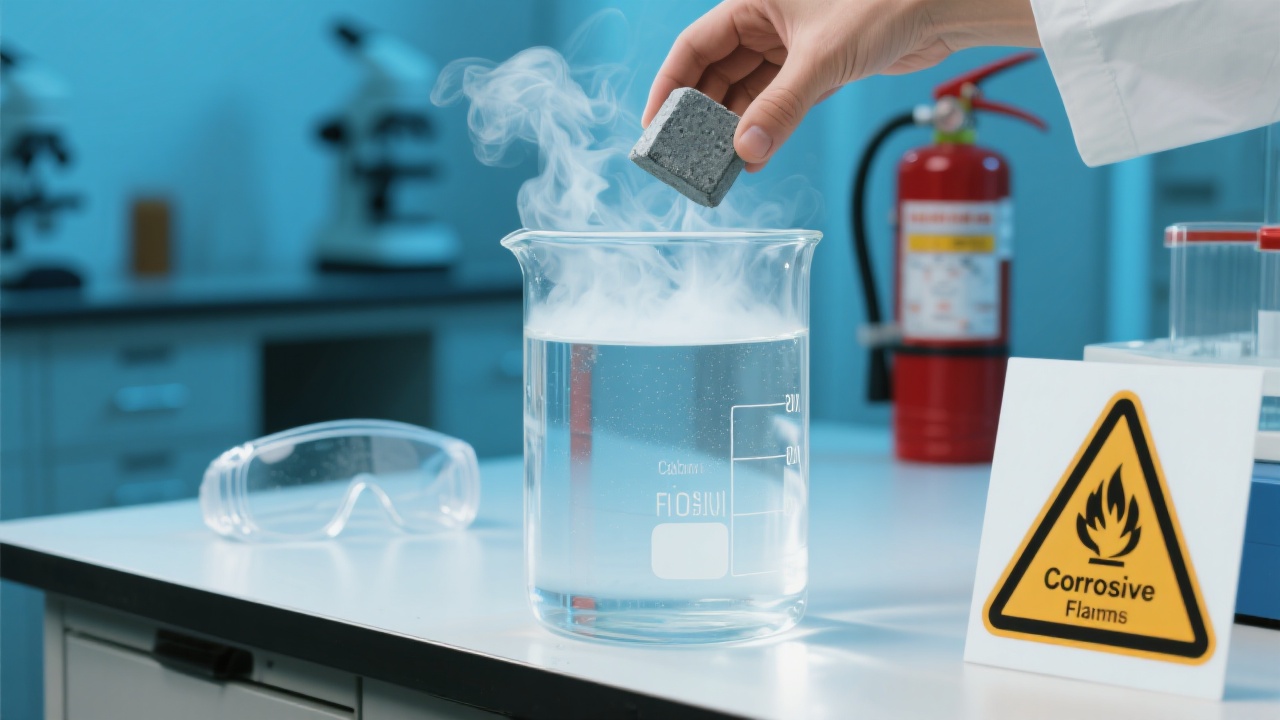
An engineering report from a leading Xinjiang plant demonstrated that fine-tuning moisture input and integrating automated temperature monitoring enhanced acetylene yields by up to 12% while reducing incident rates by approximately 30%. Such process optimizations underscore the value of precise environmental controls combined with operator training in safety protocols.
Moreover, modular reaction units equipped with fail-safes and emergency gas venting channels are becoming industry benchmarks for mitigating occupational hazards during high-volume production cycles.
Waste residue treatment is an integral component of sustainable acetylene production. Recycling calcium hydroxide slurry through neutralization or repurposing in soil stabilization exemplifies practices that align with environmental mandates. Additionally, continuous gas detectors and explosion-proof monitoring devices form the backbone of compliant facility operations.
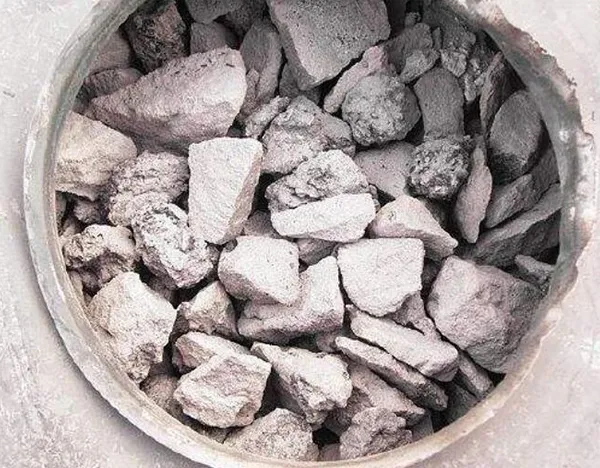
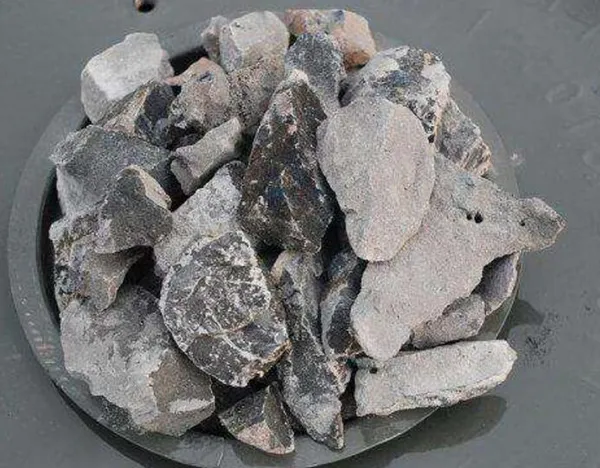
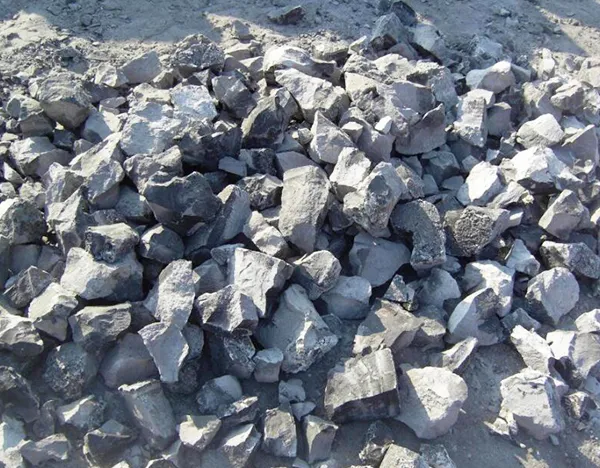
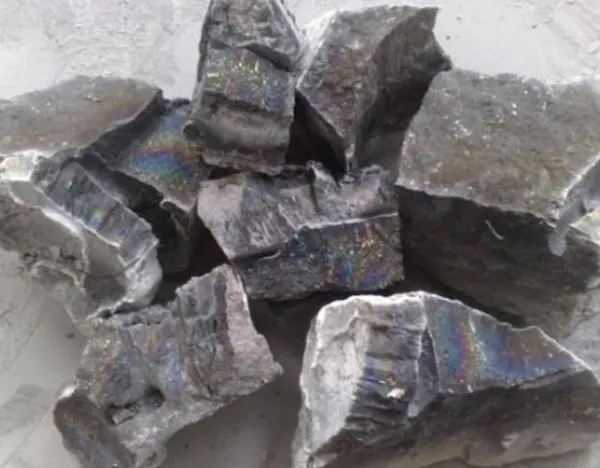
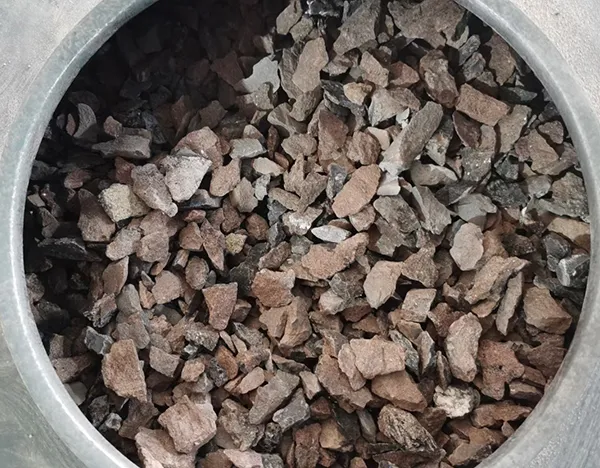
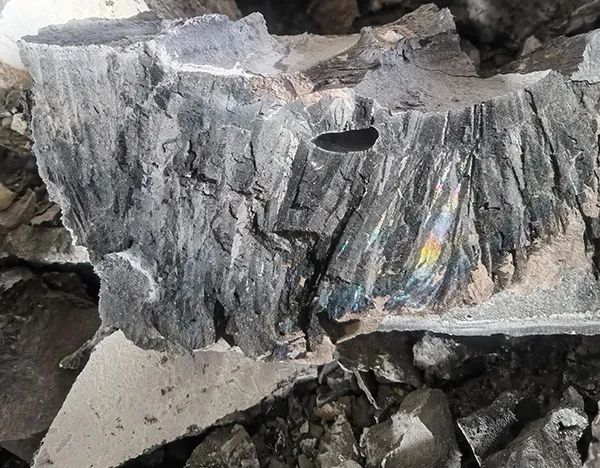
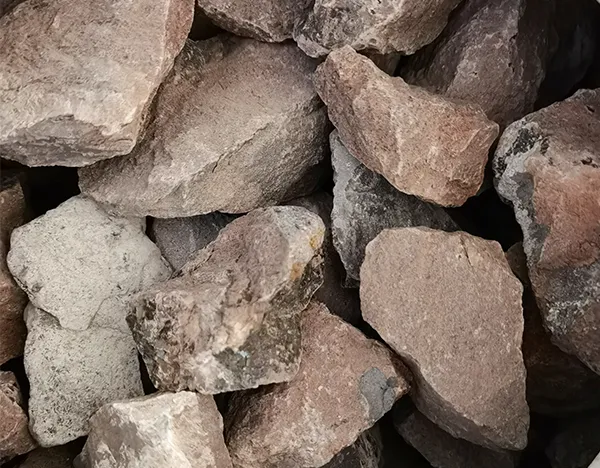
Selecting premium calcium carbide feedstock significantly impacts process stability and product consistency. Superior purity levels reduce by-product generation and allow smoother reaction dynamics, minimizing downtime and maintenance costs. This quality advantage translates into reliable acetylene supply chains critically needed for industrial end-users.
“According to the China National Chemical Industry Safety Standard GB 12358-2020, acetylene generation units must integrate both automatic cutoffs and continuous gas monitoring to prevent accidental ignition and ensure operation within safe limits.”
 39
|
39
|
 32
|
High - purity calcium carbide
Calcium carbide selection
Metallurgical raw materials
Process stability
Chemical raw materials
413
|
high purity calcium carbide
calcium carbide for metallurgy
calcium carbide supply chain
metallurgical process stability
calcium carbide applications
315
|
High - performance calcium carbide
International chemical market
Longwei Chemical
Acetylene gas production
Industrial chemical export
145
|
calcium carbide production
high purity calcium carbide
industrial calcium carbide applications
32
|
High - purity calcium carbide
Calcium carbide selection
Metallurgical raw materials
Process stability
Chemical raw materials
413
|
high purity calcium carbide
calcium carbide for metallurgy
calcium carbide supply chain
metallurgical process stability
calcium carbide applications
315
|
High - performance calcium carbide
International chemical market
Longwei Chemical
Acetylene gas production
Industrial chemical export
145
|
calcium carbide production
high purity calcium carbide
industrial calcium carbide applications


.png?x-oss-process=image/resize,h_600,m_lfit/format,webp)