.png?x-oss-process=image/resize,h_500,m_lfit/format,webp)
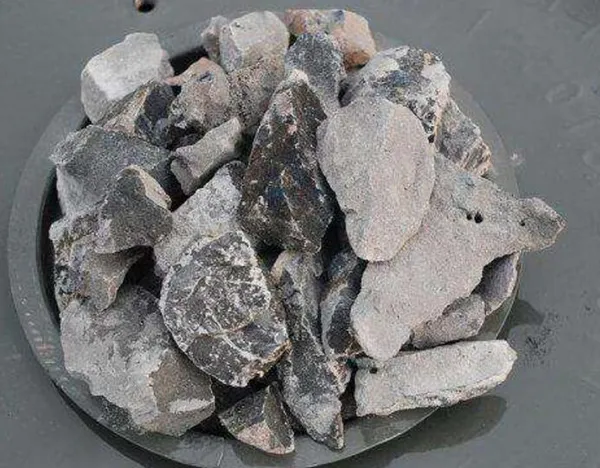
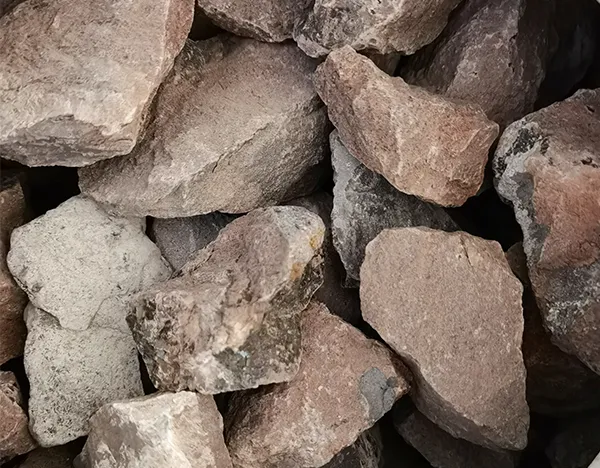
Calcium carbide (CaC₂), a key raw material for acetylene gas production, plays a critical role across industries—from steelmaking to welding and organic synthesis. However, improper storage can lead to serious safety risks, operational delays, and supply chain disruptions. For international buyers sourcing from manufacturers like Longwei Chemical Technology Co., Ltd., understanding the fundamentals of safe calcium carbide handling isn’t just good practice—it’s essential for compliance, efficiency, and long-term partnership trust.
When calcium carbide comes into contact with moisture—even trace amounts—it reacts violently to produce acetylene gas (C₂H₂) and calcium hydroxide:
CaC₂ + 2H₂O → C₂H₂↑ + Ca(OH)₂ + Heat
This exothermic reaction can ignite if not controlled—especially in enclosed spaces where acetylene builds up. According to GB 190 (UN Recommendations on the Transport of Dangerous Goods), calcium carbide must be stored under conditions that prevent exposure to water vapor, humidity above 60%, or any source of ignition.
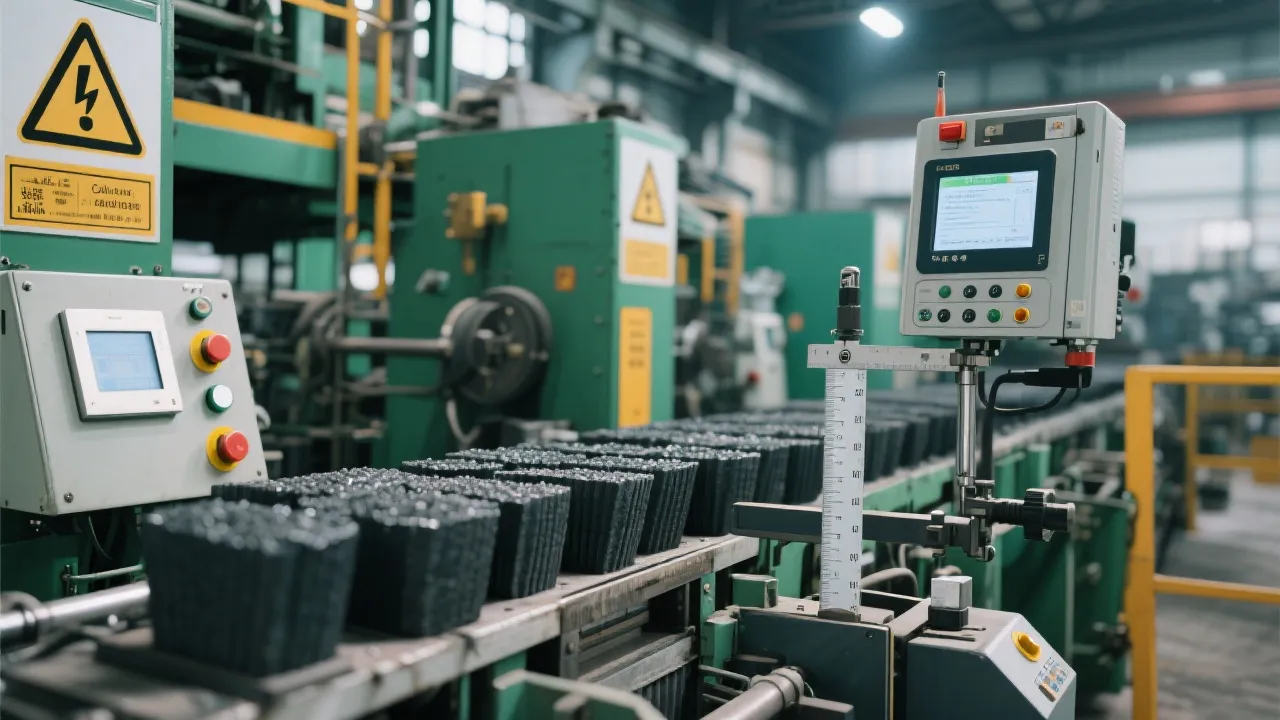
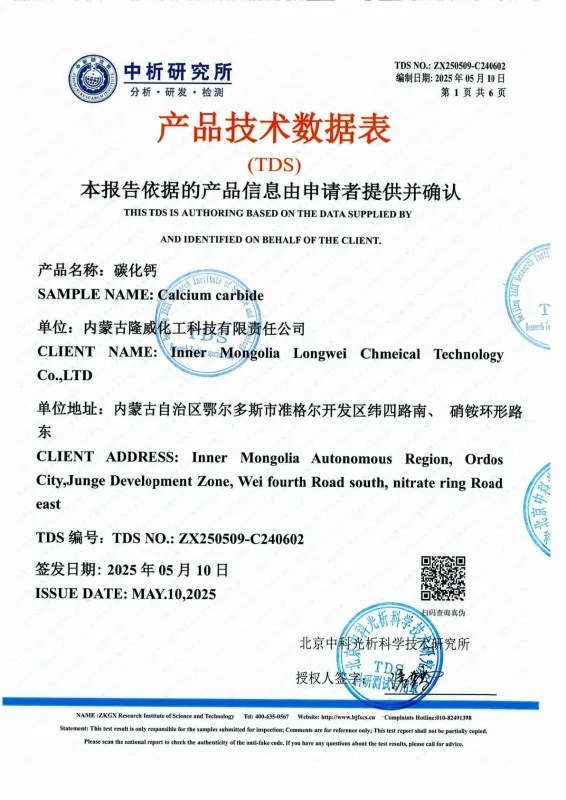
At Longwei Chemical, every batch undergoes rigorous quality control—including moisture content testing (< 0.5% max) and purity verification (>98%). This consistency means less variability during storage, fewer unexpected reactions, and greater confidence when managing inventory across global warehouses.
In one case study involving a European steel plant, incorrect storage led to a 3-day shutdown due to acetylene buildup. Meanwhile, our client in Saudi Arabia reported zero incidents over 18 months using our recommended protocols—with consistent delivery performance and no quality degradation.
Pro Tip: If you're planning large-scale procurement, ask your supplier about their storage certification process—this often reveals how seriously they take product integrity beyond the factory gate.
Whether you’re a procurement manager, warehouse supervisor, or chemical engineer, proper calcium carbide storage impacts safety, cost, and continuity. We’d love to hear what challenges you’ve faced—or what best practices you follow. Drop a comment below!
Download Our Free Calcium Carbide Storage Checklist 497
|
497
|
 High-purity calcium carbide
Calcium carbide production process
Calcium carbide quality control
Industrial-grade calcium carbide
Calcium carbide supplier
166
|
calcium carbide for welding
high-purity calcium carbide
calcium carbide manufacturing process
metallurgy calcium carbide applications
calcium carbide quality control
120
|
calcium carbide
acetylene gas production
oxy-fuel welding
high-purity calcium carbide
chemical raw material supply
319
|
Calcium carbide storage
Temperature and humidity control
Calcium carbide warehouse management
Safe storage
Inner Mongolia Longwei Chemical
493
|
High-performance Calcium Carbide
Acetylene Production Efficiency
International Industrial Market
Customer Case Study
Longwei Chemical
High-purity calcium carbide
Calcium carbide production process
Calcium carbide quality control
Industrial-grade calcium carbide
Calcium carbide supplier
166
|
calcium carbide for welding
high-purity calcium carbide
calcium carbide manufacturing process
metallurgy calcium carbide applications
calcium carbide quality control
120
|
calcium carbide
acetylene gas production
oxy-fuel welding
high-purity calcium carbide
chemical raw material supply
319
|
Calcium carbide storage
Temperature and humidity control
Calcium carbide warehouse management
Safe storage
Inner Mongolia Longwei Chemical
493
|
High-performance Calcium Carbide
Acetylene Production Efficiency
International Industrial Market
Customer Case Study
Longwei Chemical





.png?x-oss-process=image/resize,h_600,m_lfit/format,webp)