.png?x-oss-process=image/resize,h_500,m_lfit/format,webp)
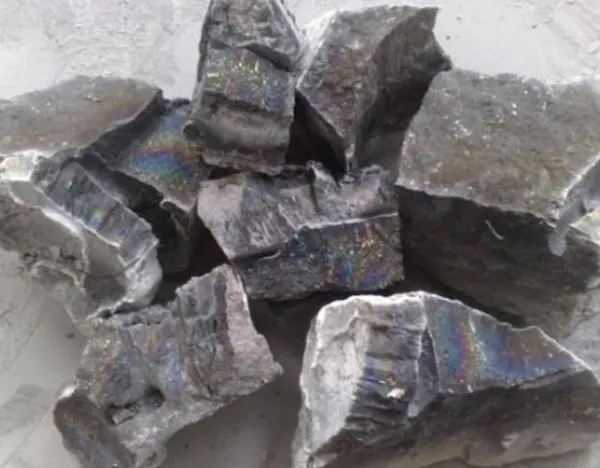
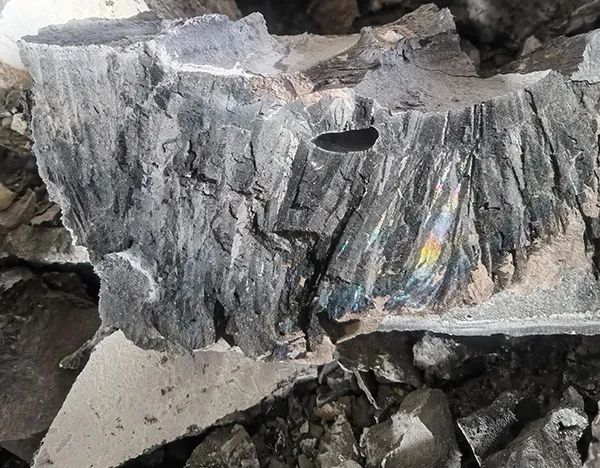
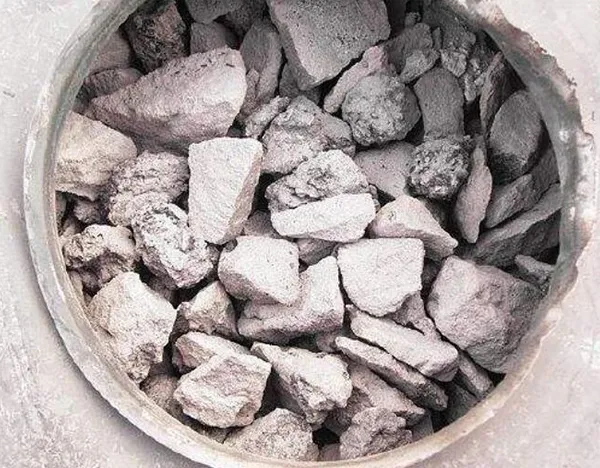
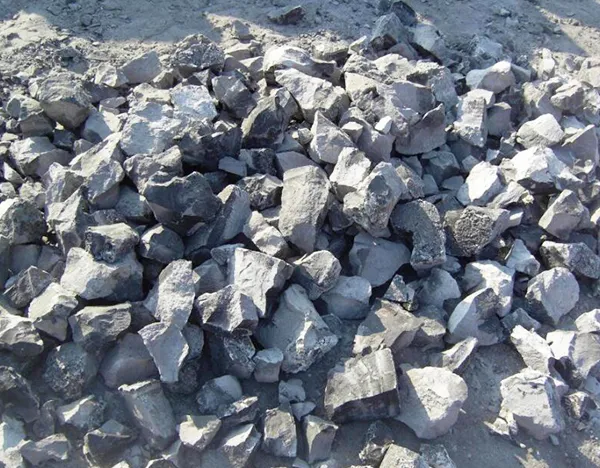
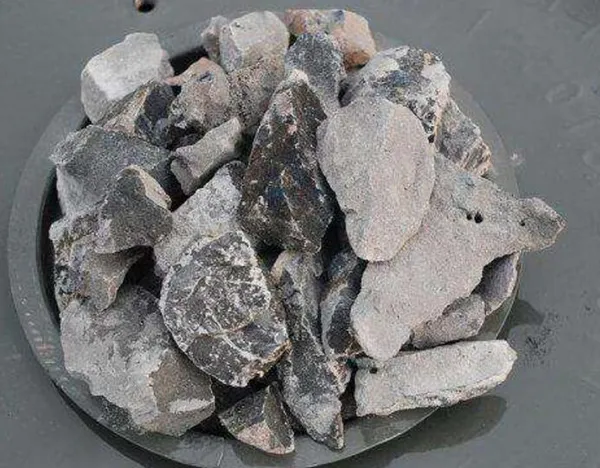
Calcium carbide (CaC₂), commonly known as 电石, is a critical raw material in the chemical industry—especially for acetylene gas production used in welding, cutting, and organic synthesis. However, improper storage can lead to dangerous reactions with moisture, producing flammable acetylene gas that poses serious explosion risks. According to OSHA’s Hazard Communication Standard, over 40% of industrial chemical incidents stem from inadequate storage practices.
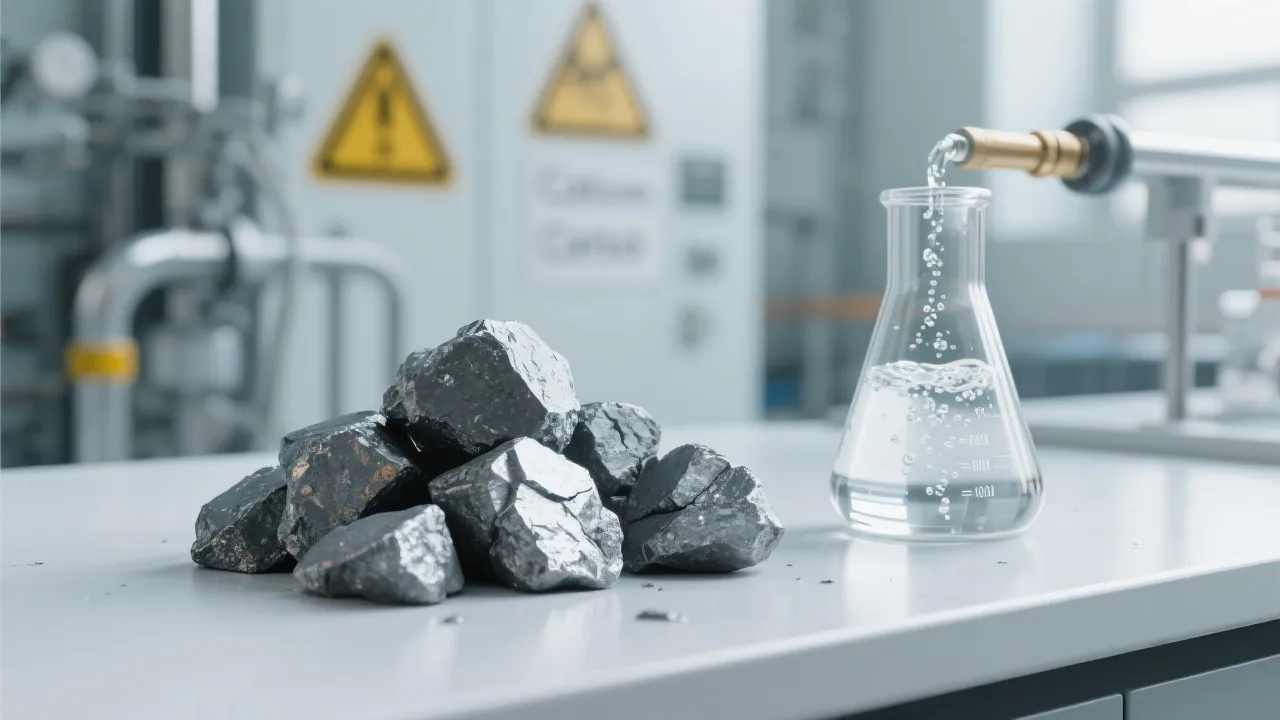
When calcium carbide comes into contact with water—even trace amounts—it reacts rapidly: CaC₂ + 2H₂O → C₂H₂ (acetylene) + Ca(OH)₂. Acetylene is highly flammable (lower explosive limit at ~2.5%) and can ignite spontaneously under pressure or heat. In one documented case in 2021, a warehouse in India experienced an explosion due to rainwater infiltration—a preventable incident that resulted in $1.2 million in damages and temporary plant shutdowns.
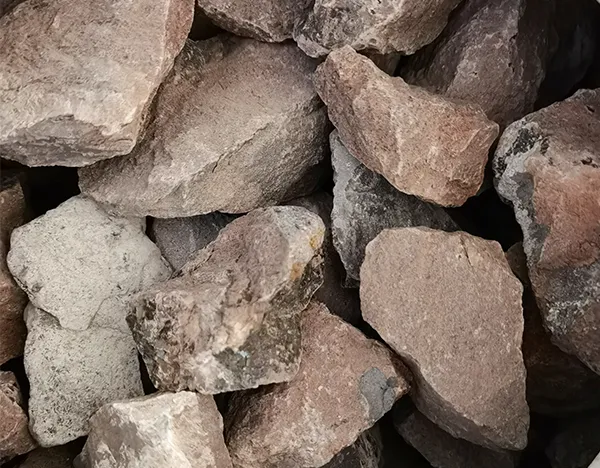
At Inner Mongolia Longwei Chemical Technology Co., Ltd., we produce carbonized calcium with purity exceeding 95%, which significantly reduces impurities like sulfur and phosphorus that accelerate decomposition. Our rigorous quality control ensures consistent performance during long-term storage—critical for industries requiring stable acetylene supply, such as metal fabrication and PVC manufacturing.
Environment: Store in dry, well-ventilated warehouses with humidity below 60%. Temperature should be maintained between 15–25°C (59–77°F). A study by the National Fire Protection Association shows that storing above 30°C increases reaction rates by up to 3x.
Sealing: Use sealed containers made of moisture-resistant materials (e.g., HDPE drums). Even small leaks can introduce air and moisture—leading to slow but steady acetylene buildup. Always inspect seals before loading and after unloading.
Isolation: Never store near chlorinated compounds (e.g., bleach, disinfectants). These react violently with acetylene and may cause spontaneous combustion. The EU’s REACH regulation mandates strict separation protocols for incompatible chemicals.
In contrast to the Indian incident, a Korean petrochemical plant implemented our recommended storage guidelines—including regular humidity monitoring using IoT sensors—and reported zero safety incidents over two years. Their success highlights how proactive measures reduce both risk and operational downtime.
If your business handles calcium carbide, don’t wait for an accident to learn the hard way. Choose suppliers who prioritize purity, packaging integrity, and clear handling instructions—not just price. With the right product and proper procedures, you can avoid costly accidents while maintaining reliable production flow.
Ready to Upgrade Your Calcium Carbide Supply Chain?
Get a free sample kit and detailed storage manual tailored to your facility's conditions — no obligation, just peace of mind.
Download Free Safety Guide NowHave you faced challenges with calcium carbide storage? Share your experiences below—we’re always learning from real-world insights.
 315
|
315
|
 calcium carbide export regulations
calcium carbide transportation safety
industrial chemical storage standards
acetylene gas raw material handling
hazardous material shipping compliance
98
|
calcium carbide applications
industrial calcium carbide
acetylene generation process
safe chemical transportation
calcium carbide production technology
200
|
calcium carbide applications
oxy-acetylene welding materials
industrial calcium carbide procurement
high purity calcium carbide
chemical raw material supply
230
|
high-capacity calcium carbide
calcium carbide quality control
calcium carbide applications
inner mongolia calcium carbide supply
global chemical raw materials
157
|
calcium carbide safety solutions
calcium carbide risk mitigation methods
high-quality calcium carbide products
calcium carbide export regulations
calcium carbide transportation safety
industrial chemical storage standards
acetylene gas raw material handling
hazardous material shipping compliance
98
|
calcium carbide applications
industrial calcium carbide
acetylene generation process
safe chemical transportation
calcium carbide production technology
200
|
calcium carbide applications
oxy-acetylene welding materials
industrial calcium carbide procurement
high purity calcium carbide
chemical raw material supply
230
|
high-capacity calcium carbide
calcium carbide quality control
calcium carbide applications
inner mongolia calcium carbide supply
global chemical raw materials
157
|
calcium carbide safety solutions
calcium carbide risk mitigation methods
high-quality calcium carbide products






.png?x-oss-process=image/resize,h_600,m_lfit/format,webp)