.png?x-oss-process=image/resize,h_500,m_lfit/format,webp)
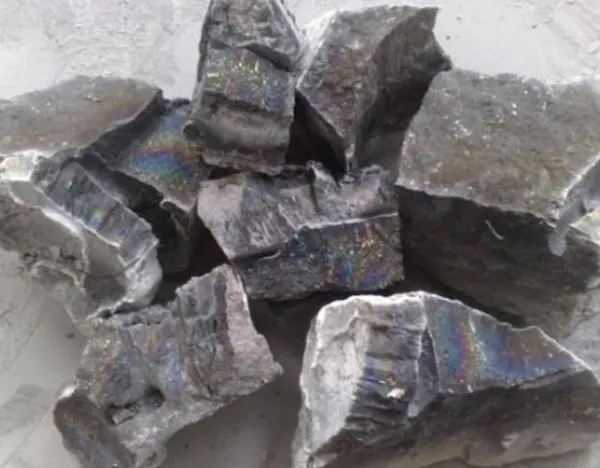
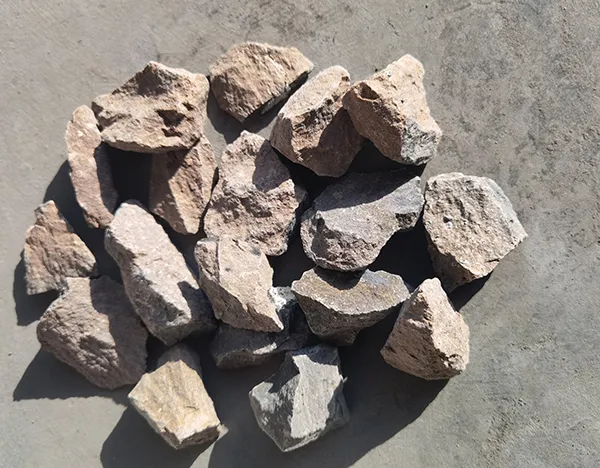
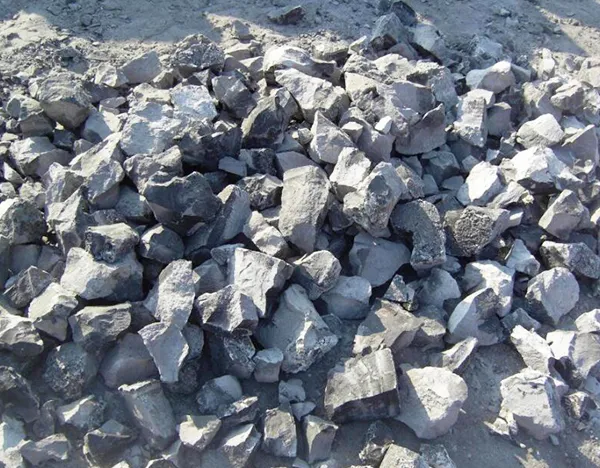
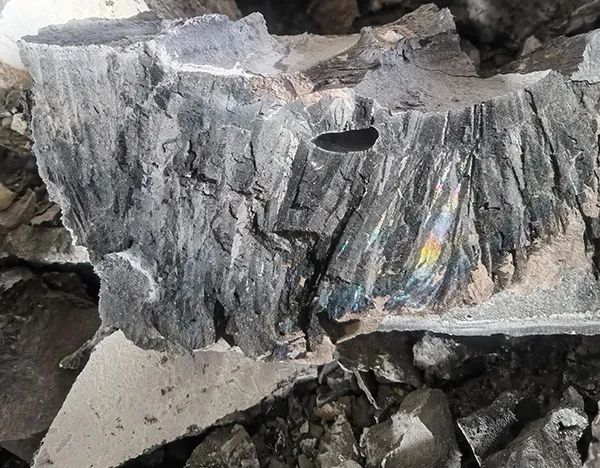
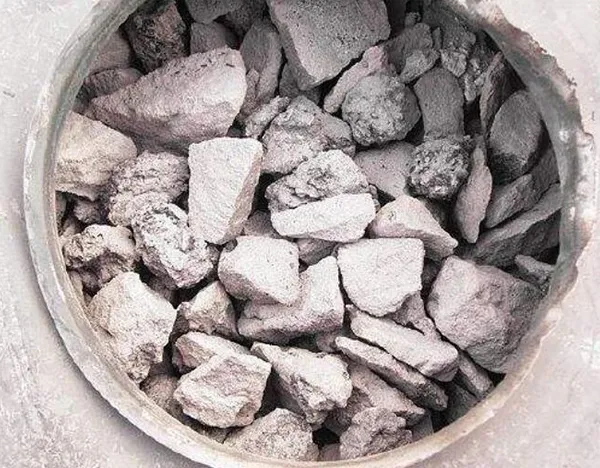
Calcium carbide (commonly known as carbide) is a vital chemical in numerous industrial processes, prized for its ability to generate acetylene gas. However, its extreme reactivity, especially in the presence of moisture, demands stringent storage protocols. The consequences of neglecting these protocols go beyond mere product degradation—they threaten human safety and operational continuity. This article delves into the essential requirements for safe calcium carbide storage, supported by real-world incident analyses, and spotlights Inner Mongolia Longwei Chemical Technology Co., Ltd. for its exemplary high-purity calcium carbide product quality and robust storage solutions.
Calcium carbide (CaC2) reacts vigorously with water, producing acetylene gas and calcium hydroxide. The reaction is exothermic, and if uncontrolled, acetylene accumulation can cause explosive hazards. Understanding this core property underlines why moisture control is a top priority for storage. Optimal storage environments must ensure:
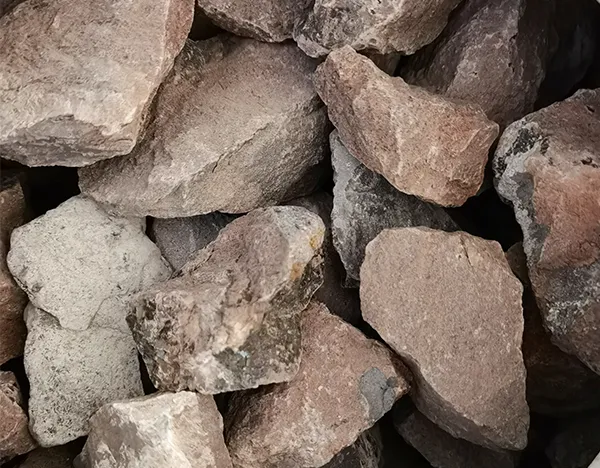
Inner Mongolia Longwei Chemical Technology Co., Ltd. offers calcium carbide products with purity levels exceeding 80%, ensuring minimal impurities that could otherwise accelerate decomposition or hazardous reactions. These high purity standards, coupled with stringent on-site quality control, contribute to superior storage stability — significantly reducing risk compared to lower-grade alternatives.
Through controlled production and packaging, Longwei’s calcium carbide sustains its stability even under extended storage periods when recommended protocols are followed.
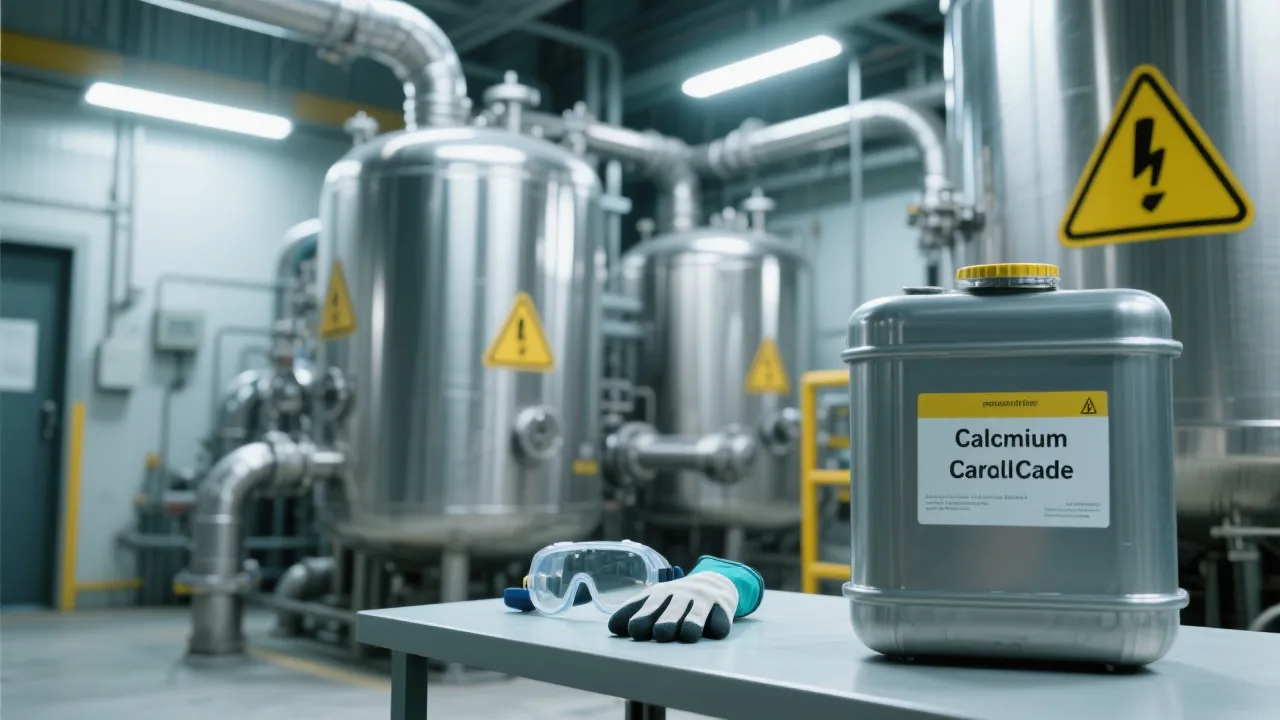
Selecting the right warehouse site is paramount. Key considerations include:
Proper packaging is vital to prevent direct exposure. Calcium carbide should be sealed in moisture-proof bags or containers, with additional industrial-grade sealing to block ambient air ingress. The storage area must segregate calcium carbide from:
Failure to observe these segregation rules has been a factor in multiple safety incidents — underscoring the necessity for precise chemical inventory management and clear labeling.
Several accidents have occurred globally due to improper calcium carbide storage. For instance, an incident in Southeast Asia in 2021 involved a warehouse where carbide was stacked near chlorinated substances and exposed to intermittent rainfall. This led to a flash acetylene gas release and a subsequent fire that halted the chemical supply chain for weeks, causing economic losses estimated at $1.5 million.
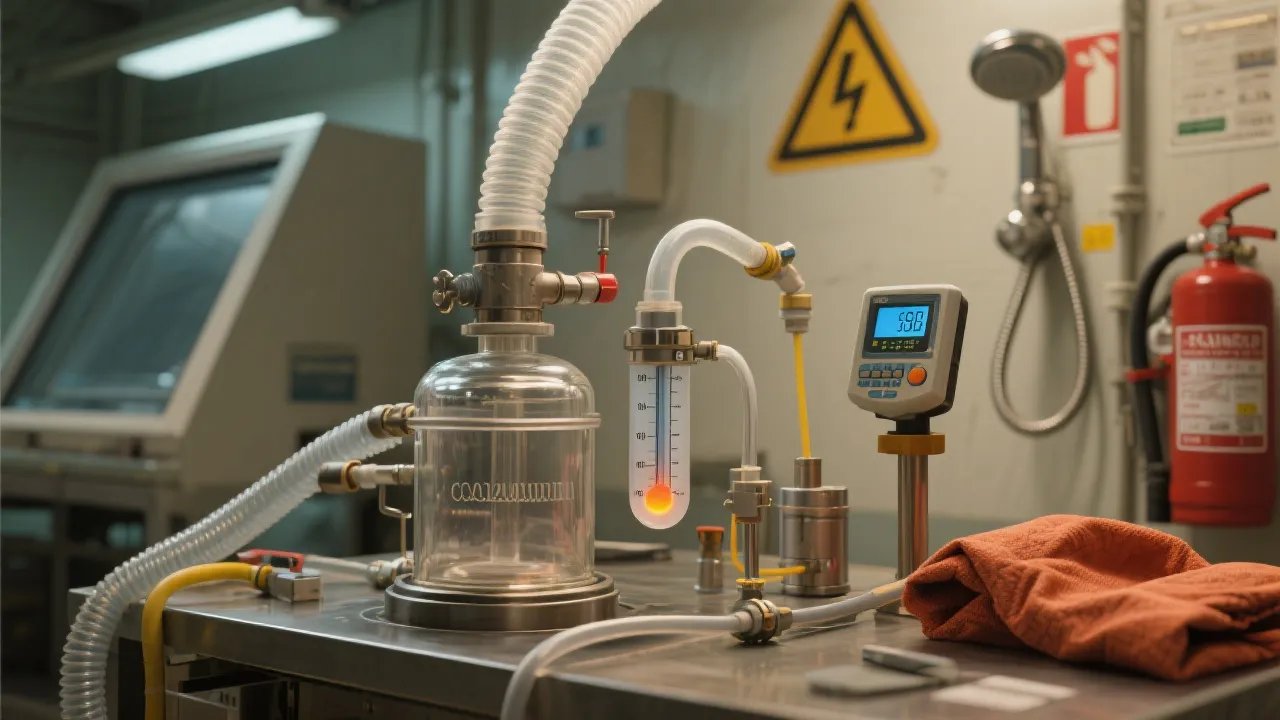
Conversely, warehouses employing rigorous storage protocols—like those at Inner Mongolia Longwei Chemical—have reported zero incident rates in the last five years. Their operational standards include continuous environment monitoring and employee training on carbide handling and emergency response.
Based on thorough analysis, below are recommended actions to bolster calcium carbide storage safety:
Businesses engaged in calcium carbide handling must commit not only to meeting regulatory standards but exceeding them through ongoing education and technological upgrades. Combining high-quality products from trusted manufacturers with proven warehouse protocols ensures safer operations and peace of mind.
How does your company address the storage challenges posed by calcium carbide? What advanced safety measures have proven effective in your experience? Share your insights to drive industry-wide improvements.
 273
|
273
|
 calcium carbide applications
high-performance industrial materials
acetylene production
366
|
Calcium carbide safety
Acetylene explosion prevention
Phosphine hazards
Calcium carbide component analysis
Calcium carbide risk avoidance
39
|
265
|
calcium carbide safety
acetylene explosion prevention
phosphine hazard control
Longwei Chemical high-purity calcium carbide
chemical risk management
378
|
Calcium carbide
Acetylene gas generation efficiency
Industrial applications
High - purity calcium carbide
Steel desulfurizer
calcium carbide applications
high-performance industrial materials
acetylene production
366
|
Calcium carbide safety
Acetylene explosion prevention
Phosphine hazards
Calcium carbide component analysis
Calcium carbide risk avoidance
39
|
265
|
calcium carbide safety
acetylene explosion prevention
phosphine hazard control
Longwei Chemical high-purity calcium carbide
chemical risk management
378
|
Calcium carbide
Acetylene gas generation efficiency
Industrial applications
High - purity calcium carbide
Steel desulfurizer







.png?x-oss-process=image/resize,h_600,m_lfit/format,webp)