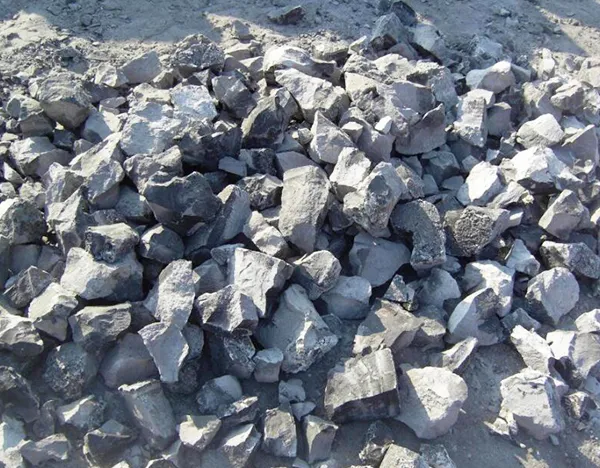
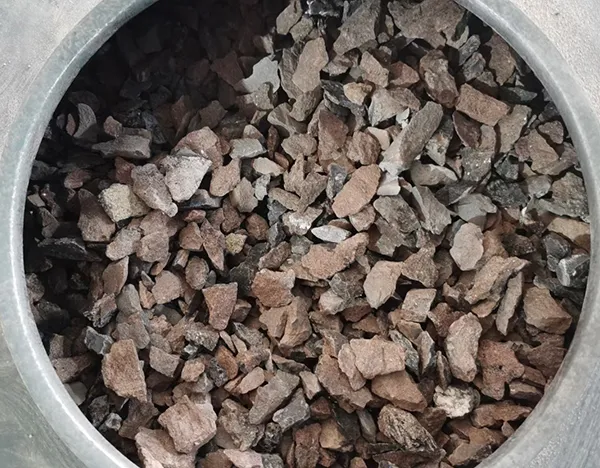
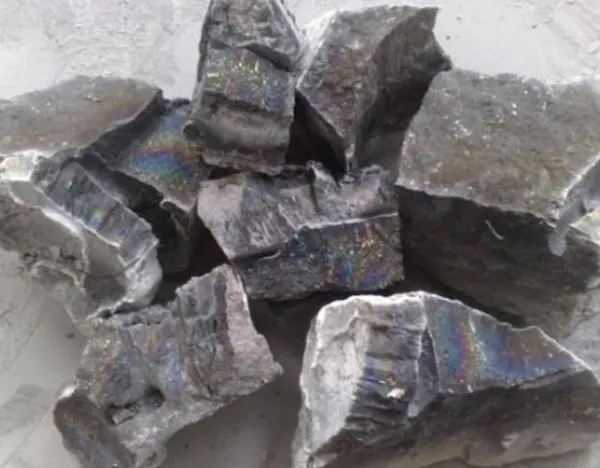
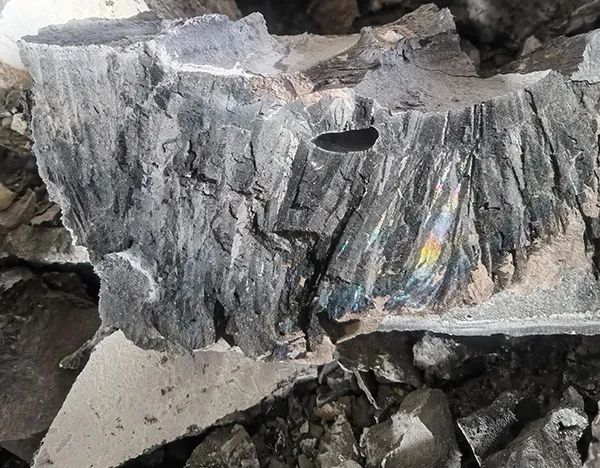
.png?x-oss-process=image/resize,h_500,m_lfit/format,webp)
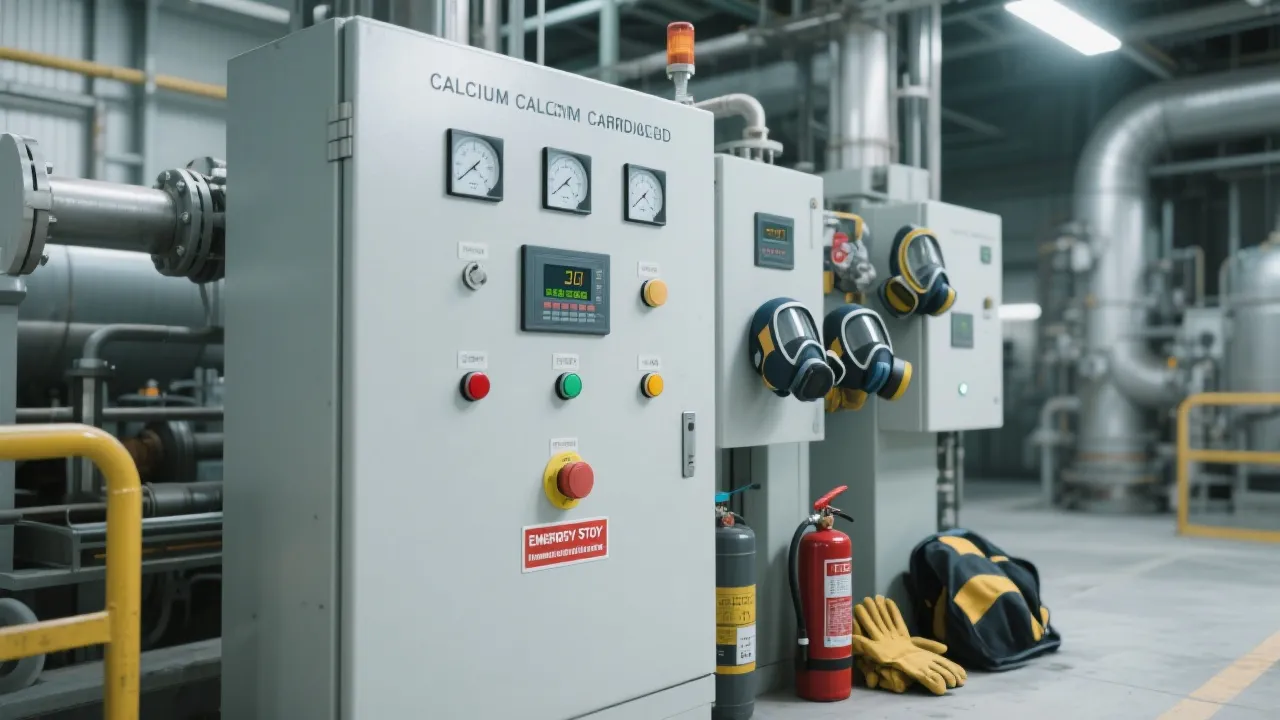
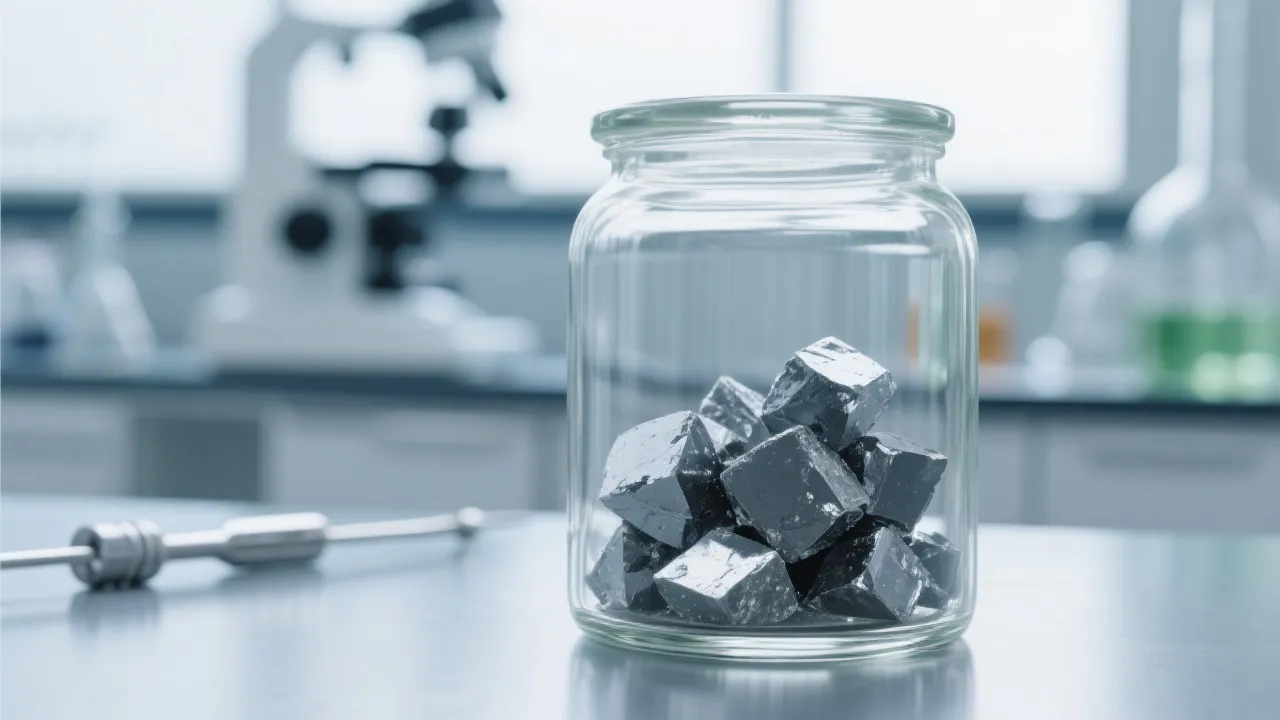
Calcium carbide (CaC₂), a critical raw material in the chemical industry for acetylene production, demands precise handling and storage conditions. Yet many manufacturers still fall into preventable errors—leading to safety hazards, product degradation, and costly downtime.
Calcium carbide is highly reactive with moisture—even trace amounts can trigger violent reactions:
A 2023 incident at a South Asian chemical plant revealed how poor storage led to a fire that damaged $1.2M worth of inventory. Here’s what went wrong:
At Inner Mongolia Longwei Chemical Technology Co., Ltd., our carbonized calcium has an average purity of 97.5%, verified through ICP-OES testing across batches. This means:
Pro Tip: Always store calcium carbide in sealed, moisture-proof drums (ISO 1496 compliant). Use desiccant packs inside containers and maintain warehouse RH below 50%. Keep away from acids, oxidizers, and flammable materials.
A European PVC manufacturer reported zero incidents over 2 years after switching to high-purity calcium carbide from Longwei. Their key changes:
These practices not only improved safety but also boosted production efficiency by minimizing batch rejection due to impurities.
Discover why global buyers trust Longwei's premium-grade carbonized calcium for reliable, safe, and efficient operations.
Explore Our High-Purity Calcium Carbide Solutions 390
|
390
|
 High purity barrel calcium carbide
calcium carbide
synthetic rubber raw material
synthetic resin raw material
high stability chemicals for international trade
164
|
Industrial calcium carbide
Calcium carbide supply
Acetylene gas production
Steel desulfurizer
Inner Mongolia chemical raw materials
480
|
calcium carbide safety
acetylene explosion risk
phosphine hazard mitigation
high-purity calcium carbide
chemical risk management
139
|
high purity calcium carbide
calcium carbide safety
calcium carbide conductivity
industrial calcium carbide
calcium carbide sourcing
478
|
high purity calcium carbide
calcium carbide safety guidelines
electric stone handling tips
calcium carbide quality control
acetylene generator applications
High purity barrel calcium carbide
calcium carbide
synthetic rubber raw material
synthetic resin raw material
high stability chemicals for international trade
164
|
Industrial calcium carbide
Calcium carbide supply
Acetylene gas production
Steel desulfurizer
Inner Mongolia chemical raw materials
480
|
calcium carbide safety
acetylene explosion risk
phosphine hazard mitigation
high-purity calcium carbide
chemical risk management
139
|
high purity calcium carbide
calcium carbide safety
calcium carbide conductivity
industrial calcium carbide
calcium carbide sourcing
478
|
high purity calcium carbide
calcium carbide safety guidelines
electric stone handling tips
calcium carbide quality control
acetylene generator applications




.png?x-oss-process=image/resize,h_600,m_lfit/format,webp)