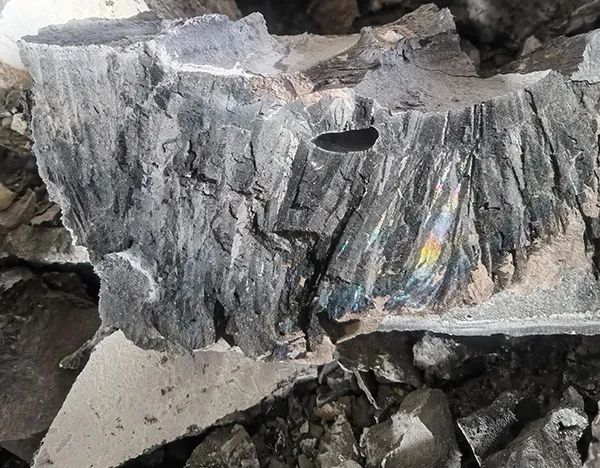
.png?x-oss-process=image/resize,h_500,m_lfit/format,webp)
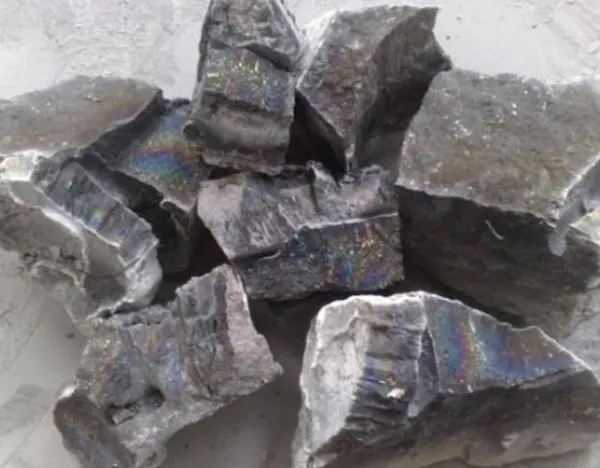
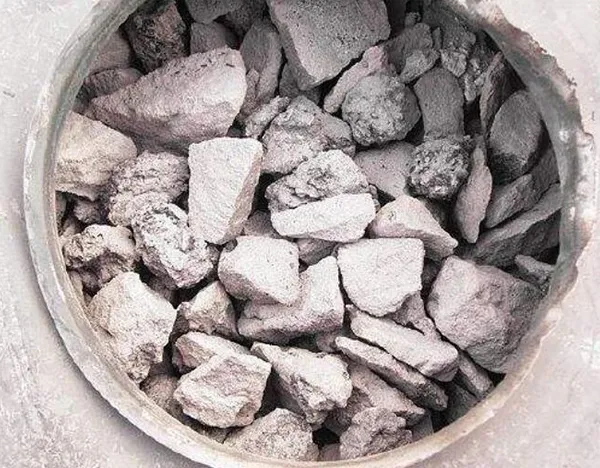
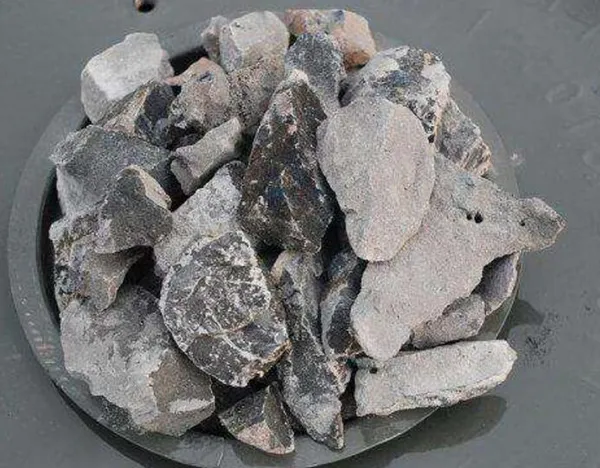
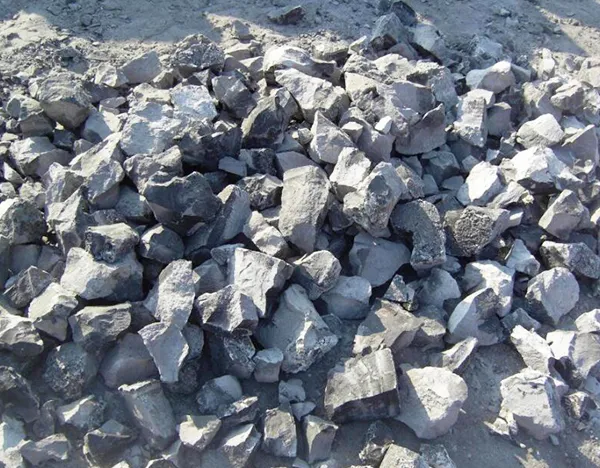
In the steelmaking process, desulfurization is a crucial step to improve the quality of steel products. Calcium carbide, also known as calcium acetylide or simply carbide, has been widely used as an effective desulfurizing agent. This article aims to provide a comprehensive analysis of the chemical reaction mechanism and key process parameters of calcium carbide in steel desulfurization.
The desulfurization process using calcium carbide mainly relies on the reaction between calcium carbide and sulfur in the molten iron. At high temperatures, calcium carbide (CaC₂) reacts with sulfur (S) in the iron to form calcium sulfide (CaS) and carbon (C). The chemical equation for this reaction is as follows:
CaC₂ + S = CaS + C
This reaction occurs in a high - temperature environment, usually above 1300°C. The formed calcium sulfide is insoluble in the molten iron and can be easily separated from the iron through slagging, thereby achieving the purpose of desulfurization.
Several factors can significantly affect the desulfurization efficiency when using calcium carbide in the steelmaking process. These factors are discussed in detail below:
Temperature plays a vital role in the desulfurization reaction. Generally, a higher temperature can accelerate the reaction rate. Research shows that when the temperature is increased from 1300°C to 1500°C, the desulfurization efficiency can be improved by about 15 - 20%. However, an excessively high temperature may also cause side reactions and increase energy consumption. Therefore, the optimal temperature range for the desulfurization reaction using calcium carbide is usually between 1400°C and 1500°C.
The particle size of calcium carbide also has a significant impact on desulfurization efficiency. Smaller particle sizes provide a larger specific surface area, which allows for more contact between calcium carbide and sulfur, thus promoting the reaction. Experiments have shown that when the particle size of calcium carbide is reduced from 10 - 20 mm to 1 - 5 mm, the desulfurization rate can be increased by about 10 - 15%.
The timing of adding calcium carbide to the molten iron is crucial. Adding calcium carbide at the right time can ensure that it fully reacts with sulfur. In general, it is recommended to add calcium carbide at the early stage of the desulfurization process when the sulfur content in the molten iron is relatively high. This can maximize the utilization rate of calcium carbide and improve desulfurization efficiency.
In Xinjiang, several steel mills have adopted calcium carbide desulfurization technology. For example, a steel mill in Xinjiang optimized its desulfurization process by adjusting the process parameters. They increased the temperature of the molten iron to 1450°C, used calcium carbide with a particle size of 2 - 3 mm, and added calcium carbide at the beginning of the desulfurization operation. As a result, the desulfurization efficiency was increased from the original 60% to over 80%, and the sulfur content in the final steel product was significantly reduced.
During the optimization process, they also encountered some common problems, such as the formation of excessive slag and the uneven distribution of calcium carbide in the molten iron. Through continuous practice and improvement, they finally found solutions. For example, they adjusted the slagging agent to control the amount of slag, and used mechanical stirring to ensure the uniform distribution of calcium carbide in the molten iron.
In recent years, the steel industry has been constantly exploring new desulfurization technologies and improving the existing calcium carbide desulfurization process. Some new research focuses on the combination of calcium carbide with other desulfurizing agents to further improve desulfurization efficiency. For example, the combination of calcium carbide and magnesium powder has shown better desulfurization performance in some experiments.
In addition, the application of intelligent control systems in the desulfurization process is also an emerging trend. These systems can monitor and adjust process parameters in real - time, ensuring the stability and efficiency of the desulfurization process.
If you want to learn more about how calcium carbide can optimize your steel desulfurization process and improve the quality of your steel products, click here to explore our comprehensive solutions.
 65
|
65
|
 Calcium carbide characteristics
Calcium carbide storage methods
Calcium carbide application fields
Industrial acetylene raw materials
Chemical safety management
121
|
calcium carbide metallurgy applications
high purity calcium carbide
acetylene gas production
electric arc process
industrial grade calcium carbide
386
|
calcium carbide applications
calcium carbide quality control
organic synthesis raw materials
acetylene gas generation
industrial grade calcium carbide
84
|
High-performance calcium carbide
Calcium carbide production process
Acetylene gas generation
Industrial chemical supply
International calcium carbide market
98
|
calcium carbide
calcium carbide desulfurizer
steel manufacturing calcium carbide
industrial raw material supply
acetylene gas production
Calcium carbide characteristics
Calcium carbide storage methods
Calcium carbide application fields
Industrial acetylene raw materials
Chemical safety management
121
|
calcium carbide metallurgy applications
high purity calcium carbide
acetylene gas production
electric arc process
industrial grade calcium carbide
386
|
calcium carbide applications
calcium carbide quality control
organic synthesis raw materials
acetylene gas generation
industrial grade calcium carbide
84
|
High-performance calcium carbide
Calcium carbide production process
Acetylene gas generation
Industrial chemical supply
International calcium carbide market
98
|
calcium carbide
calcium carbide desulfurizer
steel manufacturing calcium carbide
industrial raw material supply
acetylene gas production





.png?x-oss-process=image/resize,h_600,m_lfit/format,webp)