.png?x-oss-process=image/resize,h_500,m_lfit/format,webp)
In modern steelmaking processes, sulfur control remains a critical factor determining product quality and performance. While traditional desulfurization agents like lime and magnesia have been industry staples, calcium carbide (CaC₂) has emerged as a superior alternative offering enhanced efficiency and cost-effectiveness. This technical analysis explores the scientific principles behind calcium carbide desulfurization and demonstrates its practical advantages through industrial case studies.
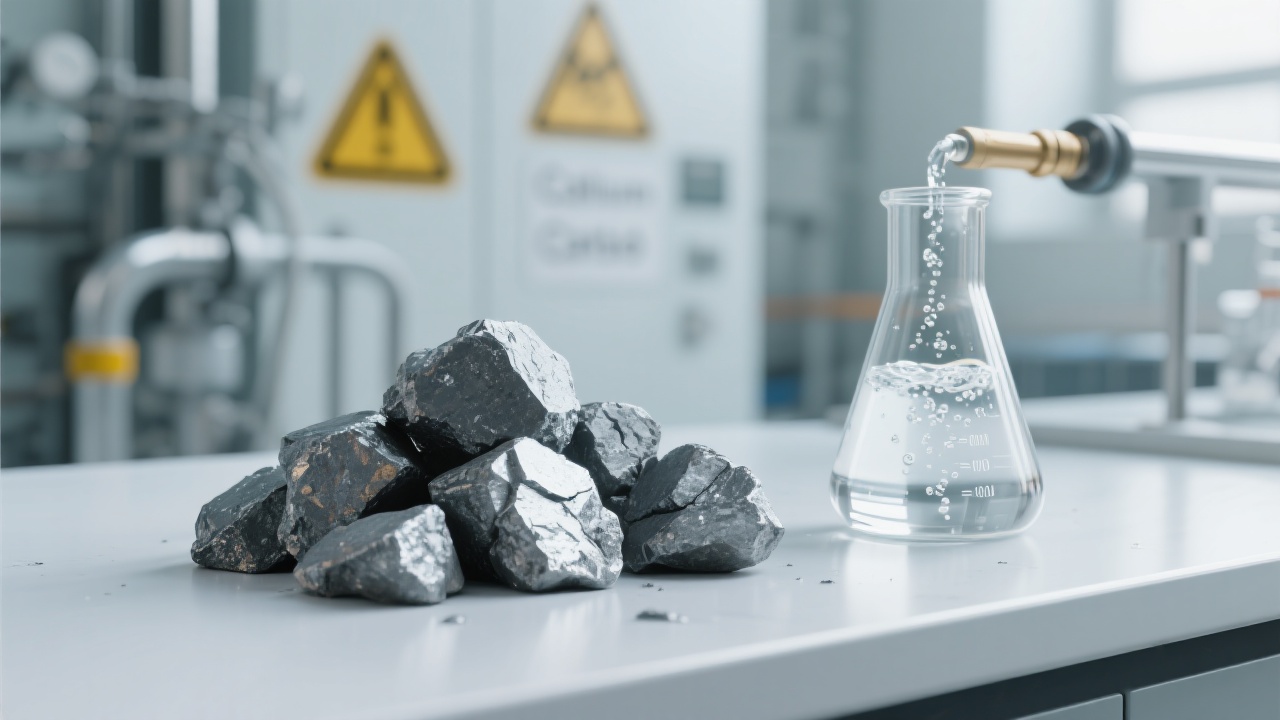
The desulfurization process with calcium carbide operates through a well-defined chemical reaction that transforms harmful iron sulfide (FeS) into stable calcium sulfide (CaS) while releasing acetylene gas (C₂H₂). The primary reaction can be expressed as:
This reaction offers several key advantages: it occurs at lower temperatures compared to lime-based desulfurization, produces a stable solid byproduct (CaS) that is easily removable, and generates acetylene gas which can be captured and utilized as an energy source in other industrial processes.
Optimal desulfurization performance with calcium carbide depends on precise control of three critical parameters:
| Performance Metric | Calcium Carbide | Lime | Magnesia |
|---|---|---|---|
| Desulfurization Efficiency | 85-95% | 60-75% | 70-80% |
| Reaction Time | 5-8 minutes | 15-25 minutes | 10-15 minutes |
| Required Dosage (kg/ton) | 3-5 | 10-15 | 6-8 |
| Byproduct Handling | Low | High | Medium |
A leading Chinese steel producer specializing in high-grade construction steel implemented calcium carbide desulfurization in their 180-ton converters in Q1 2023. The results were compelling:
Key Performance Improvements:
The steelmaker reported that Longwei Chemical calcium carbide contributed significantly to these improvements, particularly noting its high purity (98.5% minimum) and consistent reaction performance compared to previous suppliers. The implementation also reduced slag generation by 35%, providing additional environmental benefits.
For on-site verification of desulfurization effectiveness, two reliable methods are recommended:
Myth: Calcium carbide desulfurization increases explosive risks in steel mills
Fact: When properly handled, calcium carbide poses no greater risk than other desulfurizing agents. The acetylene gas generated is released in controlled amounts and can be safely vented or captured.
Myth: Higher calcium carbide dosage always improves desulfurization results
Fact: Optimal dosage exists based on initial sulfur content. Excessive use increases costs without proportional efficiency gains and may introduce unwanted carbon into the steel.
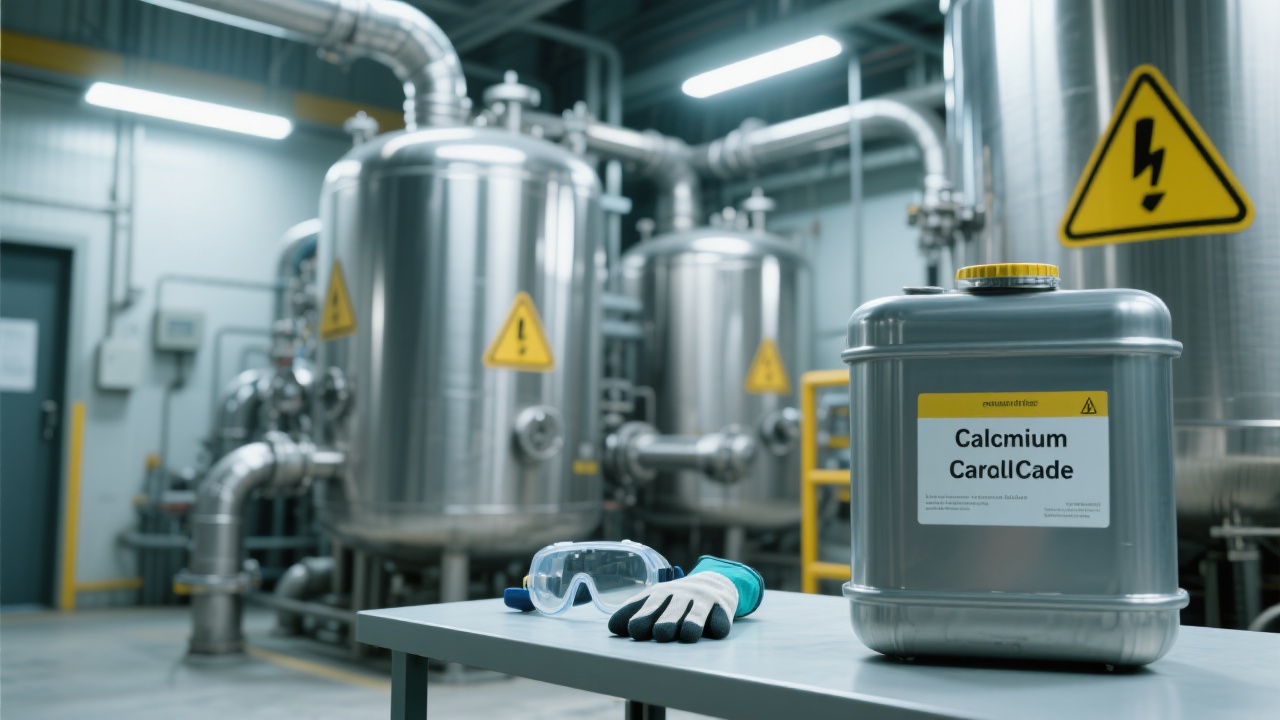
Environmental conditions affect desulfurization efficiency. During winter months, when ambient temperatures drop, steelmakers should consider:
Discover how high-purity calcium carbide can transform your steel quality while reducing production costs
Download the Complete Calcium Carbide Desulfurization GuideAs steel manufacturers face increasing pressure to produce higher quality products while reducing environmental impact, calcium carbide desulfurization offers a proven solution that delivers both performance and economic benefits. By understanding the reaction mechanisms and optimizing process parameters, steel producers can achieve consistent sulfur control and gain a competitive edge in the global marketplace.
 483
|
483
|
 calcium carbide reaction mechanism
calcium carbide safety operation
acetylene production safety
Xinjiang chemical processing
industrial risk prevention
194
|
calcium carbide safety
oxy-acetylene cutting acetylene generation
calcium carbide moisture control
flashback blowback prevention
acetylene generator safety
145
|
calcium carbide desulfurization
steelmaking desulfurization process
CaC2 particle size control
desulfurization temperature effect
addition timing in desulfurization
481
|
Calcium carbide desulfurization
Application of calcium carbide in steel smelting
Optimization of steel desulfurization process
Calcium carbide addition timing
Desulfurization cases of Xinjiang steel plants
361
|
calcium carbide
acetylene gas production
chemical reaction principles
safety operation
industrial catalysis
calcium carbide reaction mechanism
calcium carbide safety operation
acetylene production safety
Xinjiang chemical processing
industrial risk prevention
194
|
calcium carbide safety
oxy-acetylene cutting acetylene generation
calcium carbide moisture control
flashback blowback prevention
acetylene generator safety
145
|
calcium carbide desulfurization
steelmaking desulfurization process
CaC2 particle size control
desulfurization temperature effect
addition timing in desulfurization
481
|
Calcium carbide desulfurization
Application of calcium carbide in steel smelting
Optimization of steel desulfurization process
Calcium carbide addition timing
Desulfurization cases of Xinjiang steel plants
361
|
calcium carbide
acetylene gas production
chemical reaction principles
safety operation
industrial catalysis






.png?x-oss-process=image/resize,h_600,m_lfit/format,webp)