.png?x-oss-process=image/resize,h_500,m_lfit/format,webp)
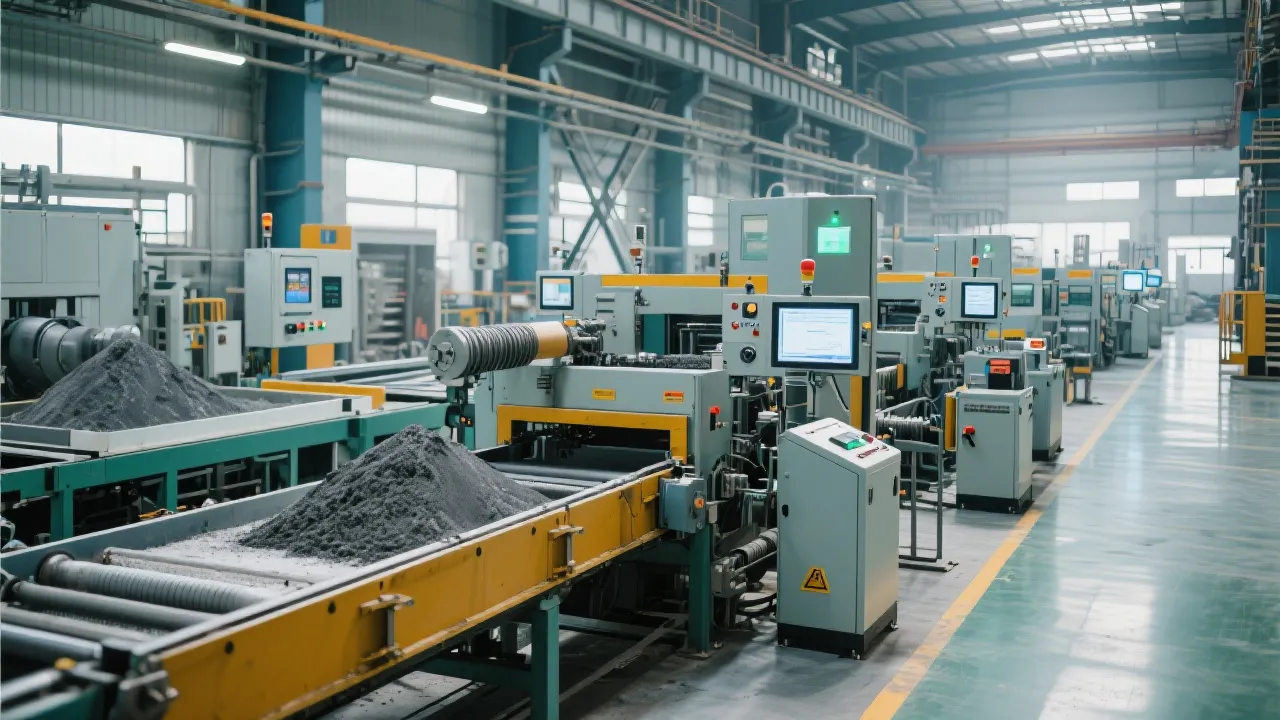
Calcium carbide (CaC2) plays an indispensable role in metal cutting operations, primarily by generating acetylene gas through controlled hydrolysis. This process supports oxyacetylene flame cutting — a widely adopted industrial technique. Nevertheless, the inherently reactive nature of calcium carbide presents safety challenges, especially concerning explosion and fire hazards. Thus, ensuring safe usage alongside performance optimization is paramount for industrial technicians and engineers operating in metal fabrication.
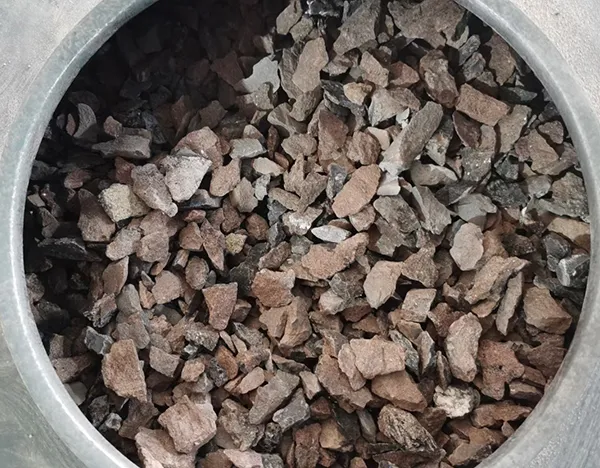
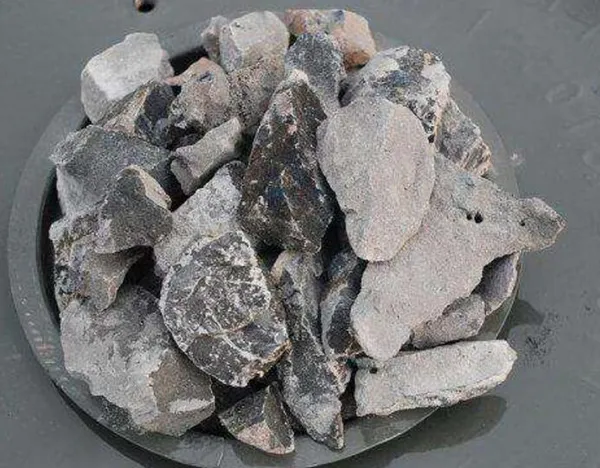
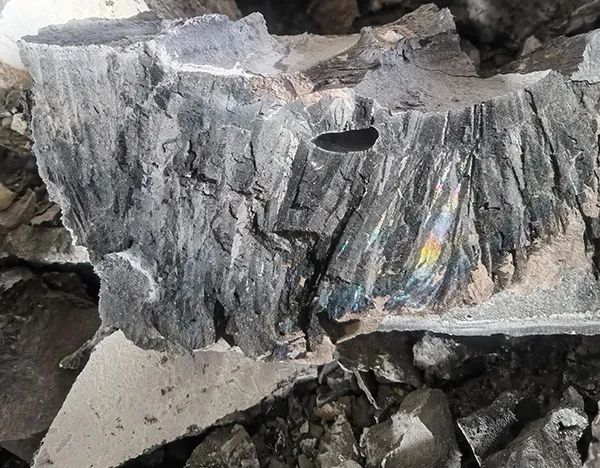
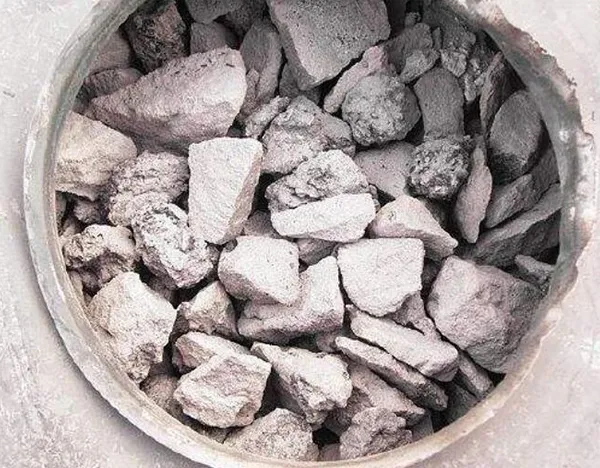
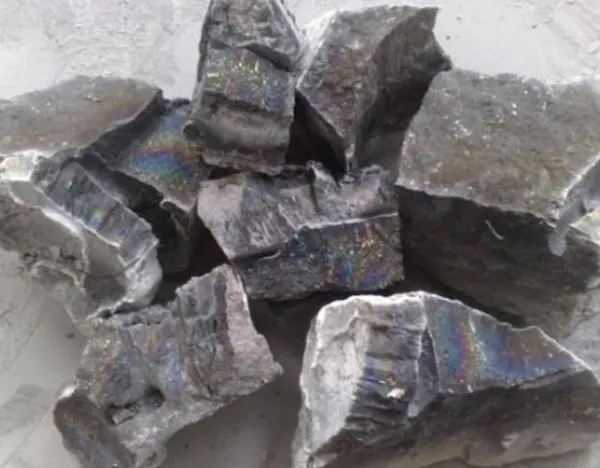
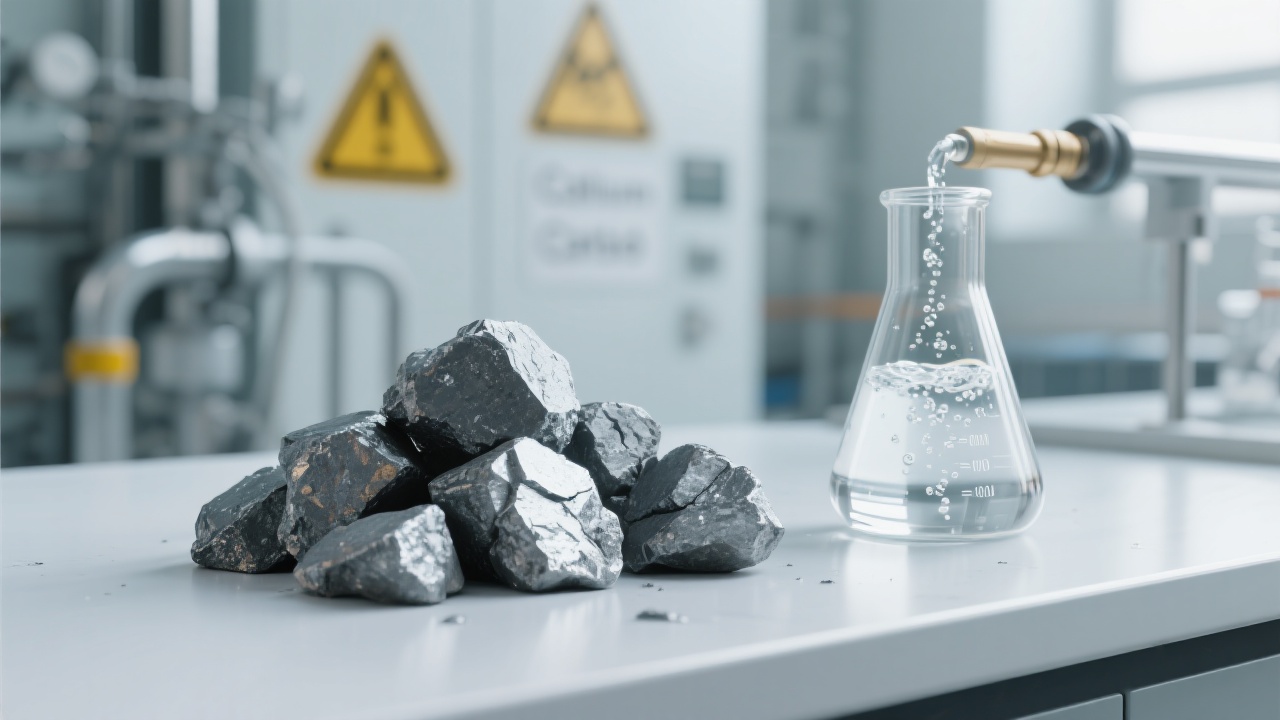
Calcium carbide is a grayish solid composed of Ca2+ and C22- ions. Upon contact with water, it undergoes a vigorous exothermic reaction producing acetylene (C2H2) and calcium hydroxide:
CaC₂ + 2H₂O → C₂H₂ + Ca(OH)₂ + heat
The rapid generation of acetylene gas coupled with heat release can, if unmanaged, precipitate flash fires or even explosion incidents. The ability to regulate reaction parameters—including water content, reaction vessel design, and acetylene gas flow rate—is crucial for safeguarding workers while maximizing acetylene yield.
Water quantity and quality directly affect reaction kinetics. Excessive or uneven moisture can accelerate hydrolysis, causing unstable acetylene release and pressure spikes within reaction containers. Industrial standards recommend maintaining water concentrations precisely between 2–5% by weight relative to calcium carbide feedstock to achieve steady gas evolution.
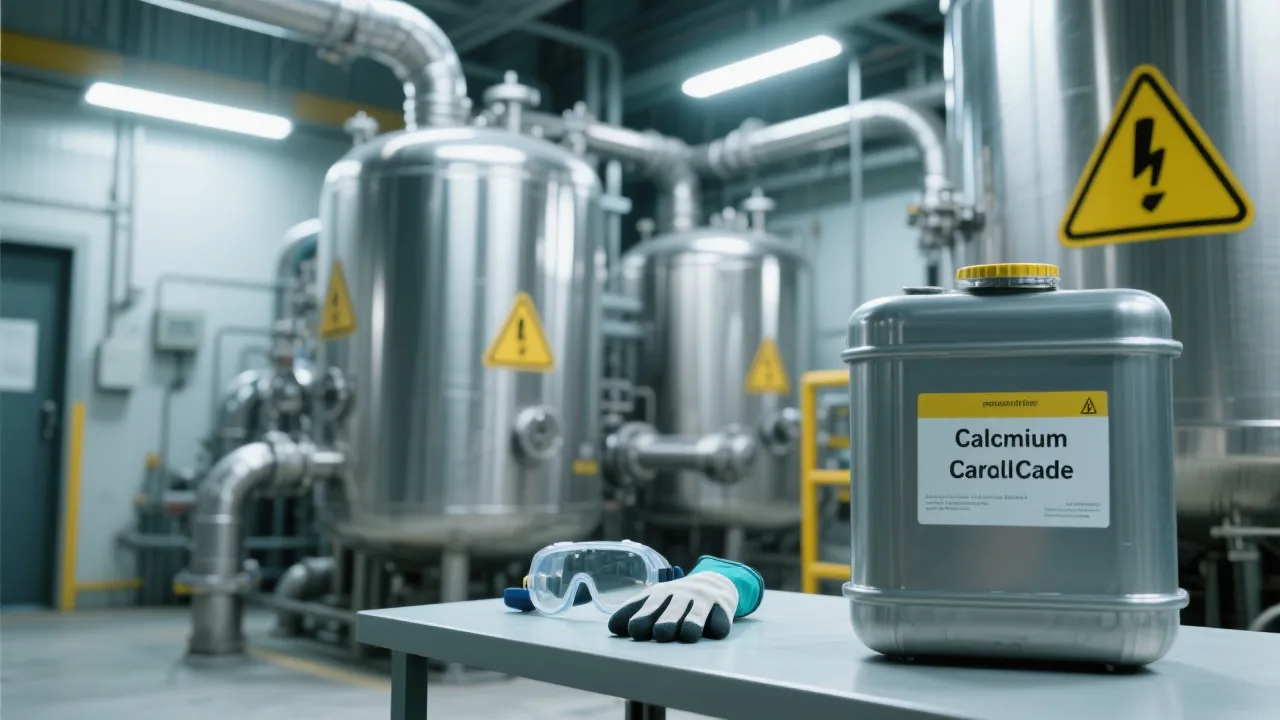
The reaction chamber must enable uniform water-calcium carbide contact and facilitate acetylene venting without backflow. Robust materials resistant to corrosion and heat are essential, with vessel volume tailored to batch size for optimal safety margin. Features such as pressure relief valves, anti-flashback devices, and thermal insulation reduce the risk of flame propagation and overpressure incidents.
Controlling acetylene gas flow rate is vital to avoid pressure buildup that could cause explosive decompression. Typically, gas flow meters and valves adjust output from 0.5 to 3 m³/h according to cutting requirements. Monitoring real-time flow with integrated sensors enables proactive response to fluctuations, ensuring continuous, safe operation.
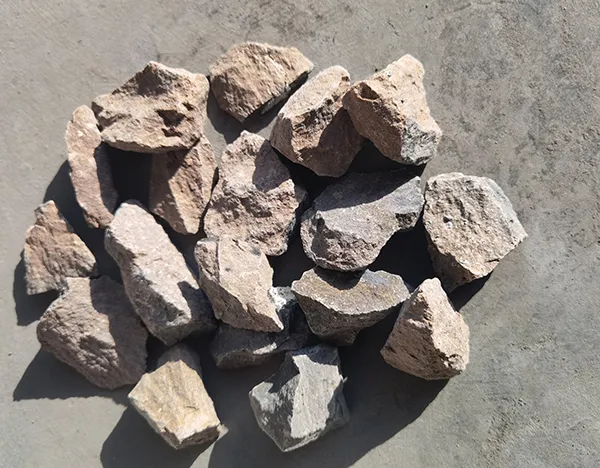
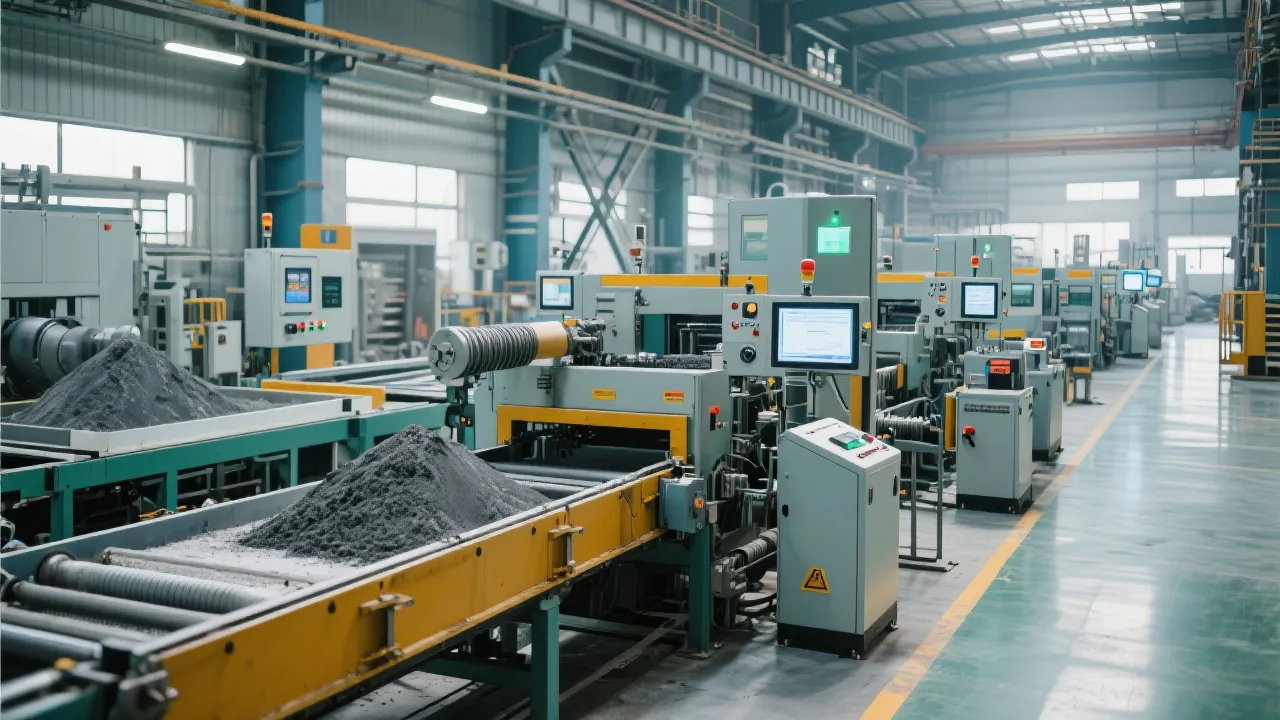
High-purity calcium carbide (> 78% CaC2) minimizes impurities such as calcium sulfate and carbonaceous residues, which can inhibit acetylene generation or introduce hazardous byproducts. Particle size distribution also governs surface area availability; an optimal range between 3–10 mm diameter ensures controlled reaction rates. Particles too fine may cause rapid hydrolysis and enhanced explosion risk, while overly coarse grains reduce gas output efficiency.
Routine pretreatment methods, including drying storage in low-humidity environments (less than 20% relative humidity) and size screening with vibratory sieves, are industry best practices. These enhance operational stability and maintain consistent acetylene flow, directly impacting welding and cutting quality.

Despite best practices, improper handling can lead to serious consequences:
Safety audits must cover equipment integrity, continuous monitoring of gas metrics, and stringent operator training aligned with industrial safety codes such as NFPA 51B and ASTM G251.
Enhance your industrial oxyacetylene cutting efficiency and safety with expert insights from Lomwei Chemical’s Technical Resource Center
Stay ahead with data-backed operational guidelines and industry-proven risk mitigation strategies.
 72
|
72
|
 industrial calcium carbide storage
calcium carbide moisture control
solid carbide warehousing safety
calcium carbide storage mistakes
carbide packaging sealing standards
483
|
calcium carbide reaction mechanism
calcium carbide safety operation
acetylene production safety
Xinjiang chemical processing
industrial risk prevention
147
|
calcium carbide desulfurization
steelmaking脱硫工艺
iron pretreatment
desulfurization efficiency optimization
Xinjiang steel plant case study
245
|
calcium carbide acetylene production
unstable acetylene gas flow
acetylene generator types
welding safety procedures
carbide water ratio adjustment
430
|
Calcium carbide desulfurization process optimization
Calcium carbide desulfurization principle
Steel smelting desulfurization technology
Calcium carbide usage parameters
Steel mill desulfurization operation guide
industrial calcium carbide storage
calcium carbide moisture control
solid carbide warehousing safety
calcium carbide storage mistakes
carbide packaging sealing standards
483
|
calcium carbide reaction mechanism
calcium carbide safety operation
acetylene production safety
Xinjiang chemical processing
industrial risk prevention
147
|
calcium carbide desulfurization
steelmaking脱硫工艺
iron pretreatment
desulfurization efficiency optimization
Xinjiang steel plant case study
245
|
calcium carbide acetylene production
unstable acetylene gas flow
acetylene generator types
welding safety procedures
carbide water ratio adjustment
430
|
Calcium carbide desulfurization process optimization
Calcium carbide desulfurization principle
Steel smelting desulfurization technology
Calcium carbide usage parameters
Steel mill desulfurization operation guide




.png?x-oss-process=image/resize,h_600,m_lfit/format,webp)