.png?x-oss-process=image/resize,h_500,m_lfit/format,webp)
Calcium carbide (CaC₂) reacting with water is a well-established method for producing acetylene—a key feedstock in welding, chemical synthesis, and polymer manufacturing. While the basic reaction appears simple—CaC₂ + 2H₂O → C₂H₂ + Ca(OH)₂—it’s the optimization of reaction conditions that determines yield, safety, and cost-effectiveness in real-world operations.
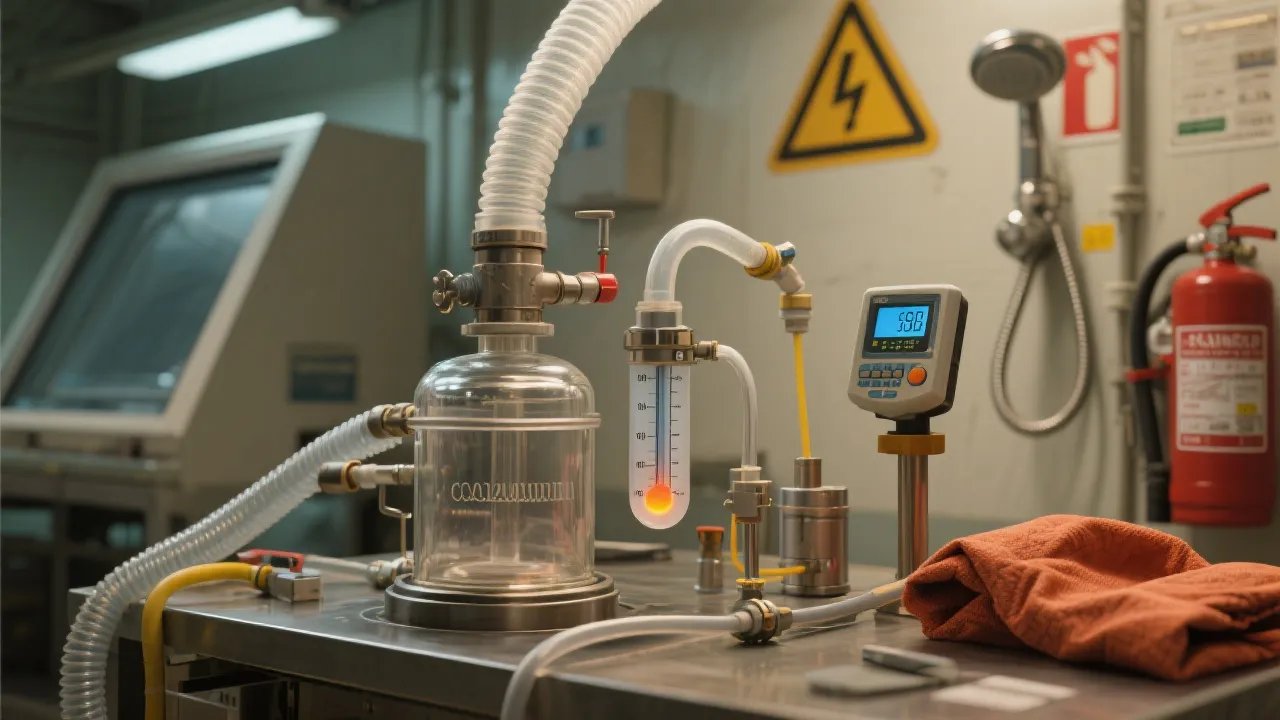
The hydrolysis of calcium carbide typically occurs at ambient temperatures (20–30°C), but industrial efficiency demands more precise control. Studies show that maintaining an optimal temperature range between 25°C and 35°C can boost acetylene yield by up to 15% compared to uncontrolled reactions. This is because higher temperatures accelerate reaction kinetics without promoting excessive heat buildup that could cause pressure spikes or even explosions in closed systems.
Temperature isn’t the only variable. In arid regions like Xinjiang and Ningxia—where many Chinese acetylene plants are located—humidity control becomes critical. Low humidity increases dust formation during raw material handling, which may lead to clogging or inefficient mixing. Industry benchmarks suggest keeping relative humidity above 40% in storage areas to reduce airborne particulates and ensure consistent reaction rates.
Adding catalysts such as sodium chloride (NaCl) or potassium carbonate (K₂CO₃) can further enhance yield. Research from the China National Chemical Industry Association shows these additives increase acetylene production by 8–12% by lowering activation energy and improving gas diffusion. Importantly, they also reduce the formation of undesirable byproducts like phosphine (PH₃), which poses serious health risks if not properly managed.
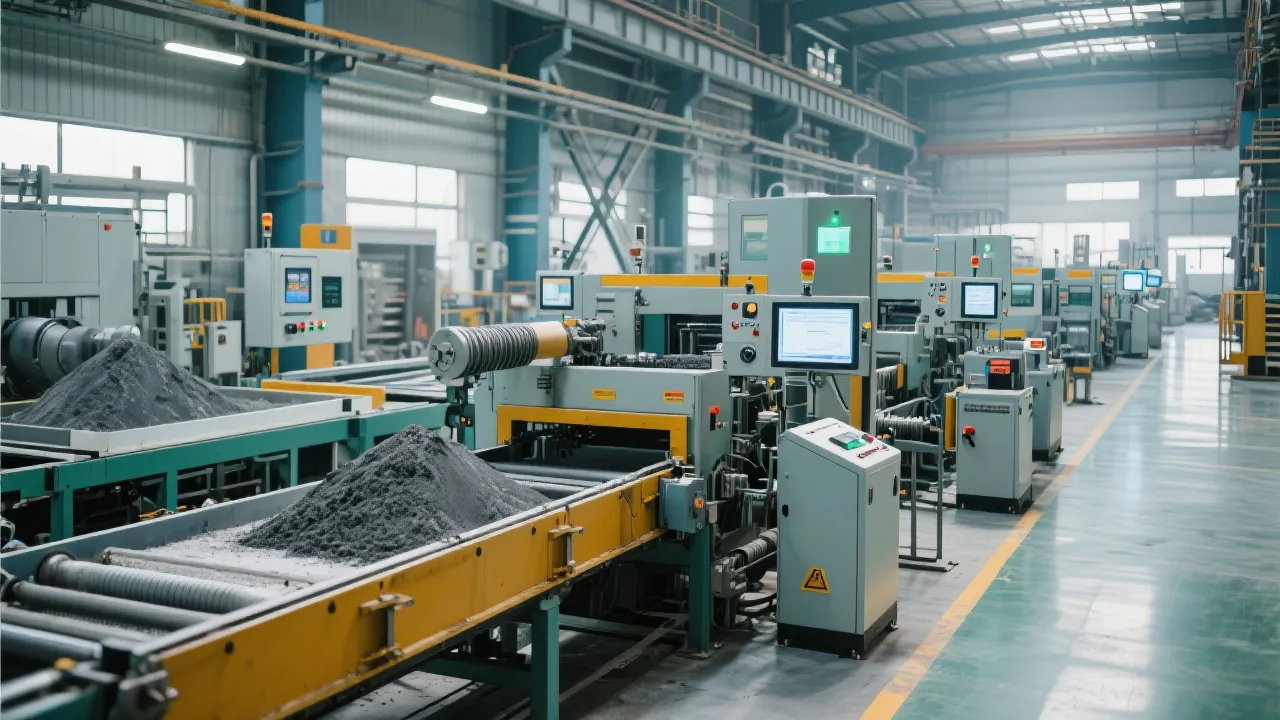
In high-volume settings, especially those operating under tight schedules, safety must be embedded into every step. A sealed reactor system with continuous gas monitoring and explosion-proof ventilation ensures compliance with ISO 80079 standards. According to a 2023 audit by the Chinese Ministry of Emergency Management, facilities using such designs reported zero major incidents over two years—compared to 4.7 incidents per year in non-compliant setups.
Proper waste management is equally vital. The sludge produced—calcium hydroxide—can be repurposed in cement production or neutralized for safe disposal. This not only meets environmental regulations but also supports circular economy principles, making your operation more sustainable and investor-friendly.
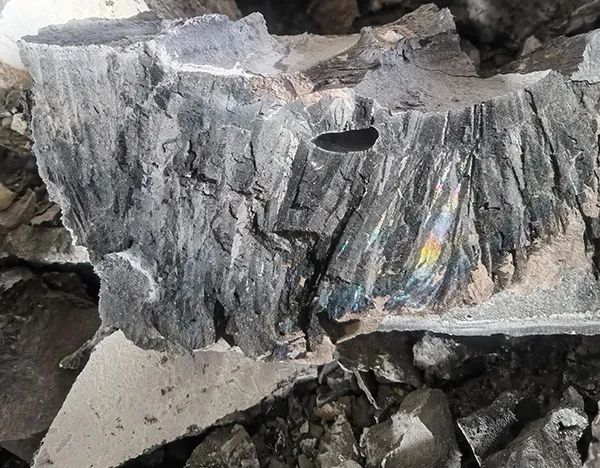
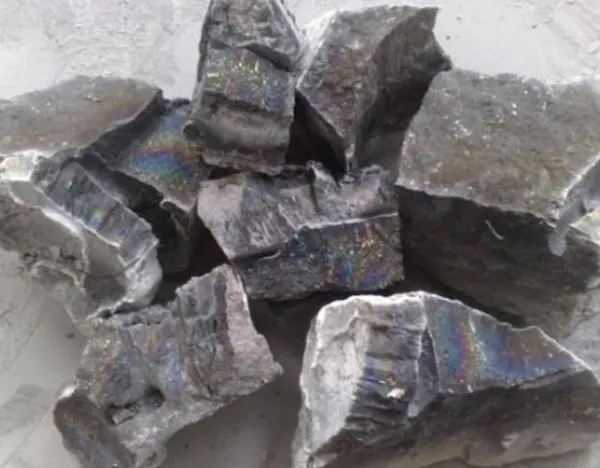
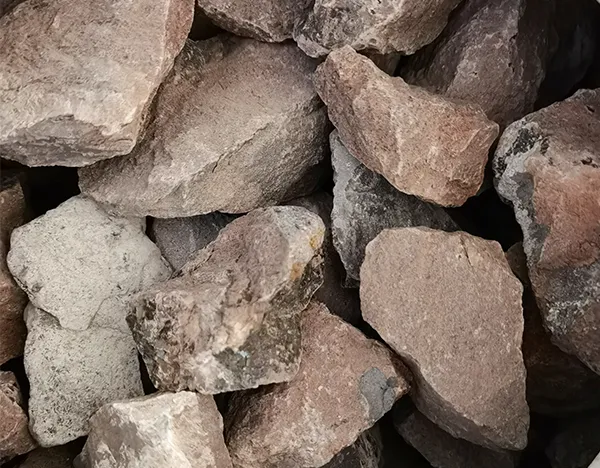
Not all calcium carbide performs equally. Impurities such as sulfur, phosphorus, or moisture content significantly impact both safety and output quality. For example, carbide with >0.5% phosphorus levels has been linked to increased toxic emissions and lower acetylene purity—leading to downstream process failures in PVC manufacturing.
That’s why selecting high-grade calcium carbide isn’t just a recommendation—it’s a strategic choice for reliable, efficient, and compliant production. Whether you’re scaling up a new plant or optimizing an existing one, starting with premium materials sets the foundation for long-term success.
Get expert insights, technical guides, and case studies delivered straight to your inbox—no spam, just value.
Download Our Free Acetylene Optimization Checklist 480
|
480
|
 calcium carbide
high stability chemicals
multi-industry applications
258
|
calcium carbide storage
electrical calcium safety
carbonized calcium storage
chemical raw material handling
industrial storage best practices
471
|
calcium carbide production optimization
electric calcium carbide quality control
industrial chemical raw materials
acetylene gas preparation
calcium carbide transport safety
315
|
High - performance calcium carbide
International chemical market
Longwei Chemical
Acetylene gas production
Industrial chemical export
265
|
calcium carbide safety
acetylene explosion prevention
phosphine hazard control
Longwei Chemical high-purity calcium carbide
chemical risk management
calcium carbide
high stability chemicals
multi-industry applications
258
|
calcium carbide storage
electrical calcium safety
carbonized calcium storage
chemical raw material handling
industrial storage best practices
471
|
calcium carbide production optimization
electric calcium carbide quality control
industrial chemical raw materials
acetylene gas preparation
calcium carbide transport safety
315
|
High - performance calcium carbide
International chemical market
Longwei Chemical
Acetylene gas production
Industrial chemical export
265
|
calcium carbide safety
acetylene explosion prevention
phosphine hazard control
Longwei Chemical high-purity calcium carbide
chemical risk management






.png?x-oss-process=image/resize,h_600,m_lfit/format,webp)