.png?x-oss-process=image/resize,h_500,m_lfit/format,webp)
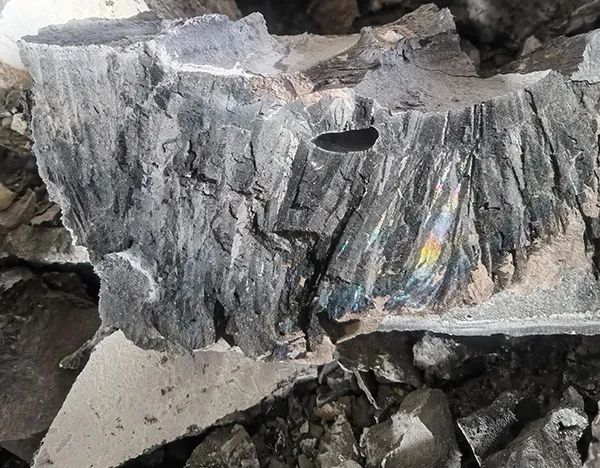
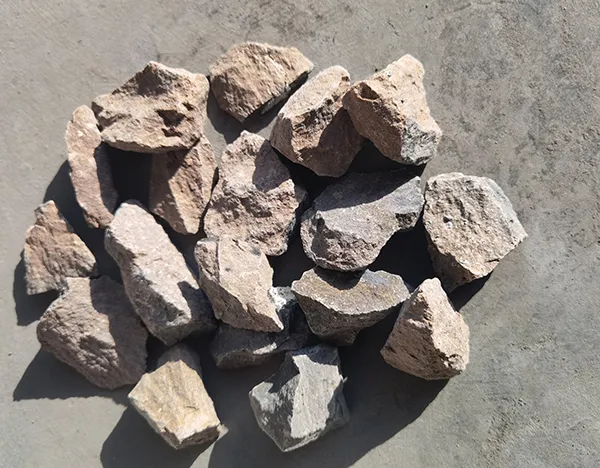
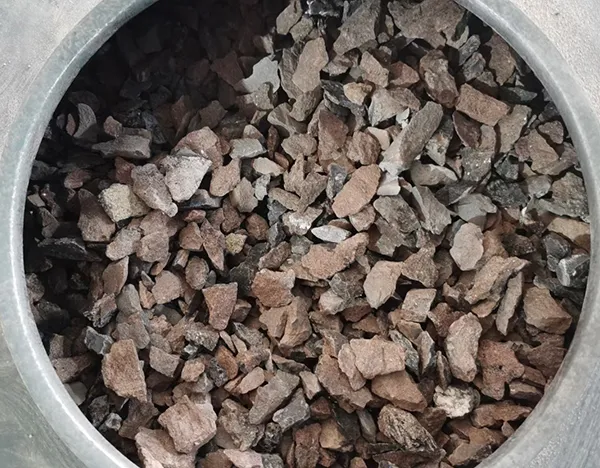
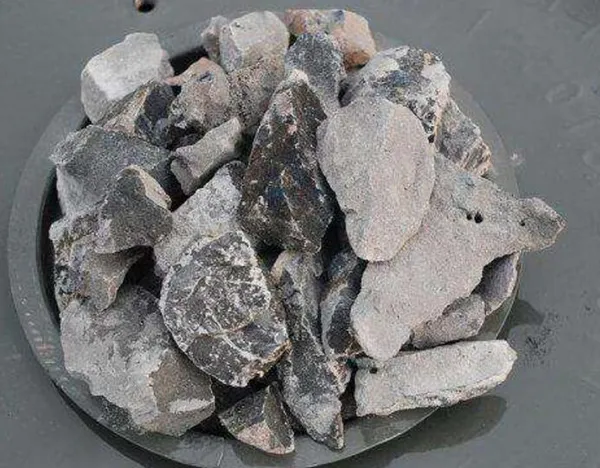
In industrial chemistry, the reaction between calcium carbide (CaC₂) and water remains a cornerstone process in acetylene generation—a key feedstock for synthetic rubber, PVC resins, and various organic chemicals. This article provides a clear, data-driven overview of the mechanism, critical parameters affecting yield, and real-world safety practices, particularly relevant to manufacturers in Xinjiang and Ningxia regions where high-purity acetylene production is essential.
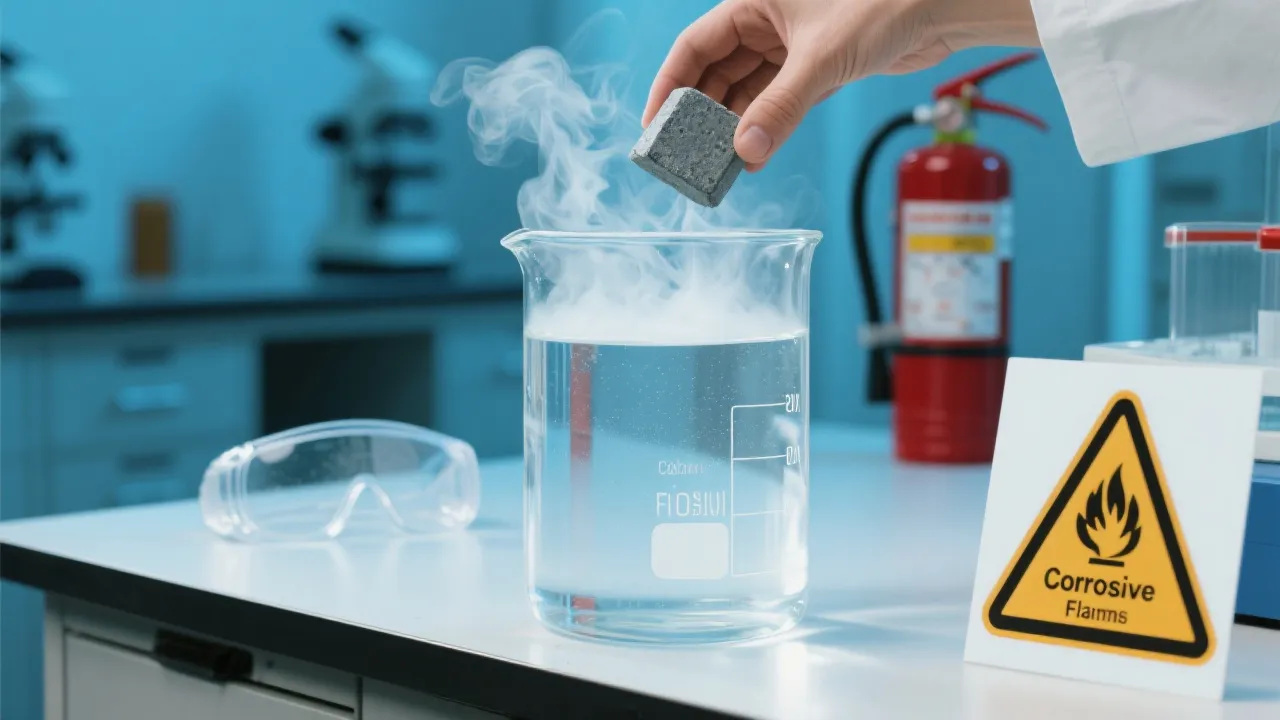
The primary chemical equation is:
CaC₂ + 2H₂O → C₂H₂ + Ca(OH)₂
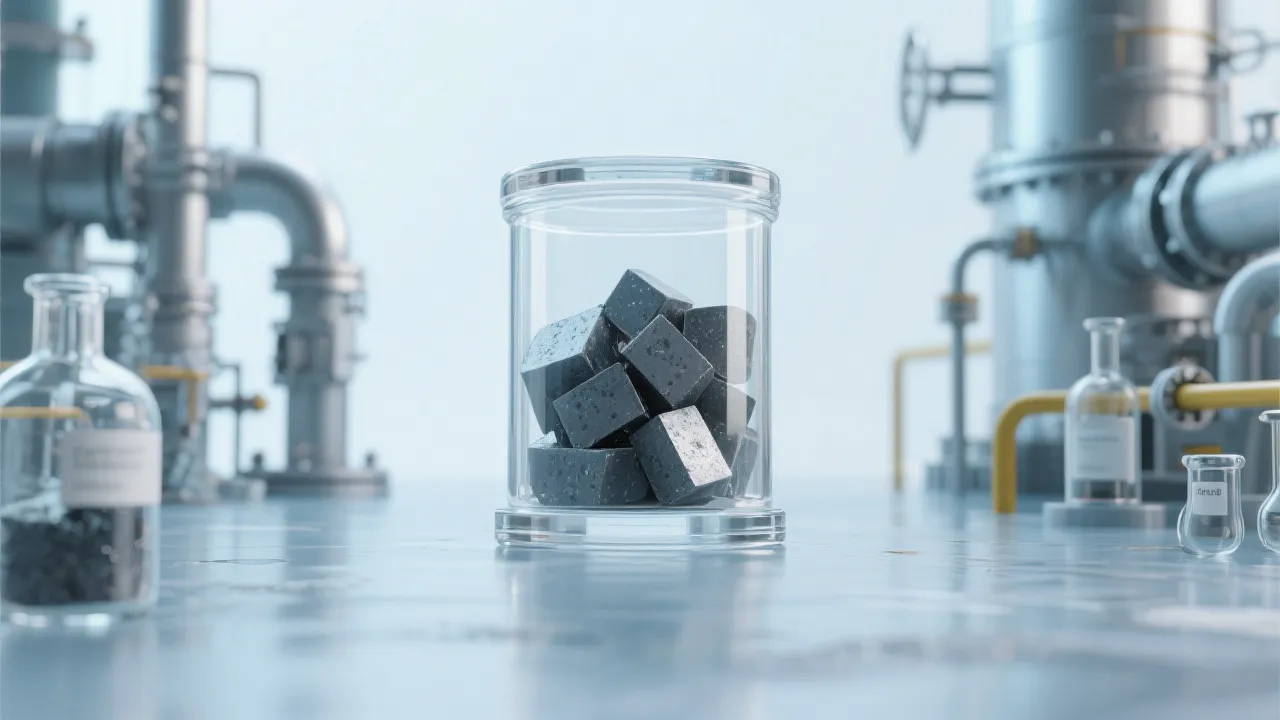
For every 1 kg of pure calcium carbide, approximately 500–550 liters of acetylene gas can be produced under optimal conditions. However, impurities in raw materials or suboptimal reaction environments can reduce this yield by up to 20%. Studies from Chinese state-owned chemical plants show that using high-grade calcium carbide increases acetylene output by an average of 12% compared to lower-grade alternatives—directly impacting both cost-efficiency and operational stability.
Temperature control is crucial: at 25°C, the reaction proceeds steadily; however, above 40°C, excessive heat accelerates side reactions, leading to unwanted byproducts like methane and carbon monoxide. Optimal range: 25–35°C.
Humidity also plays a role—moisture levels above 70% RH in the reactor chamber may cause premature hydrolysis, reducing effective CaC₂ utilization by up to 15%. In arid regions like Xinjiang, this factor must be carefully managed through controlled air intake systems.
Catalysts such as iron(III) chloride (FeCl₃) have been shown to boost reaction efficiency by up to 8%, especially when used in batch reactors. Yet, their use requires strict monitoring due to potential corrosion risks on equipment surfaces over time.
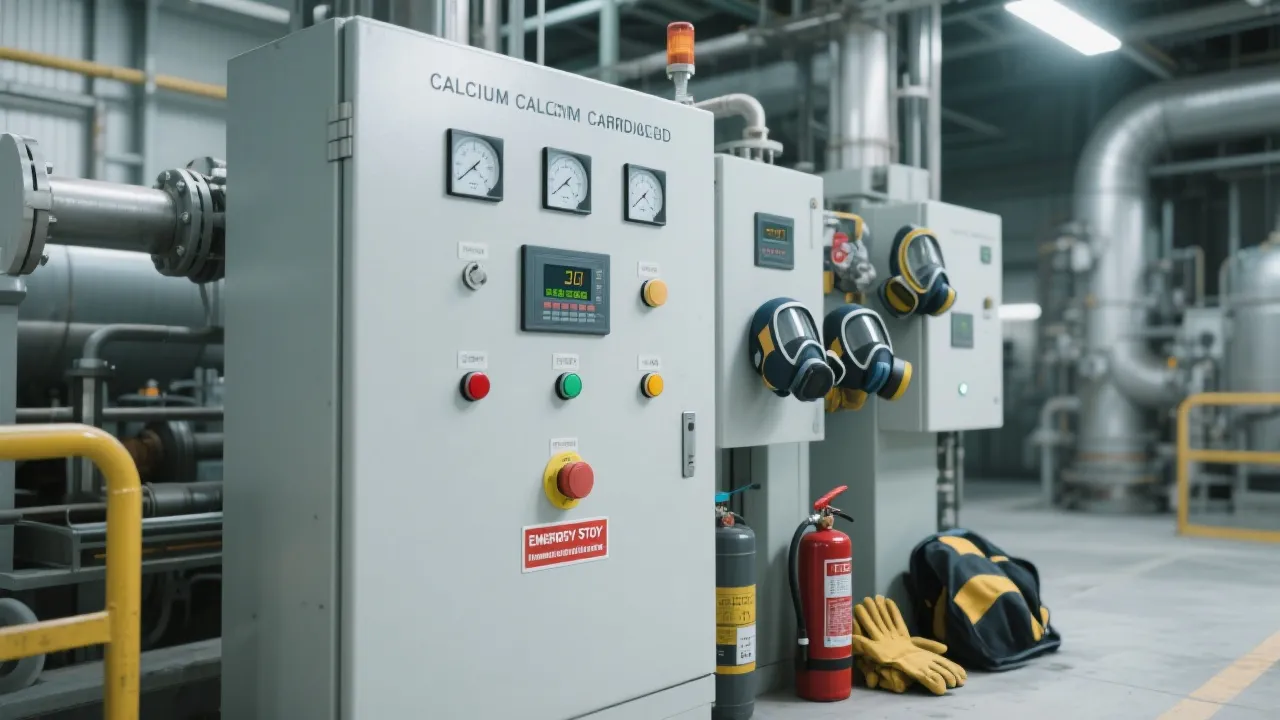
According to NIOSH guidelines, acetylene is highly flammable (LEL: 2.5%, UEL: 100%). Proper ventilation, explosion-proof lighting, and sealed reactor designs are non-negotiable. In Xinjiang’s ethylene-based industries, failure to comply has led to 3 major incidents in the past five years—each costing over $500k in downtime and fines.
Waste slurry from the reaction—calcium hydroxide—is alkaline (pH ~12). Disposal must follow local environmental codes. Some facilities now recover Ca(OH)₂ for use in cement manufacturing, turning waste into value—a practice gaining traction across China’s western provinces.
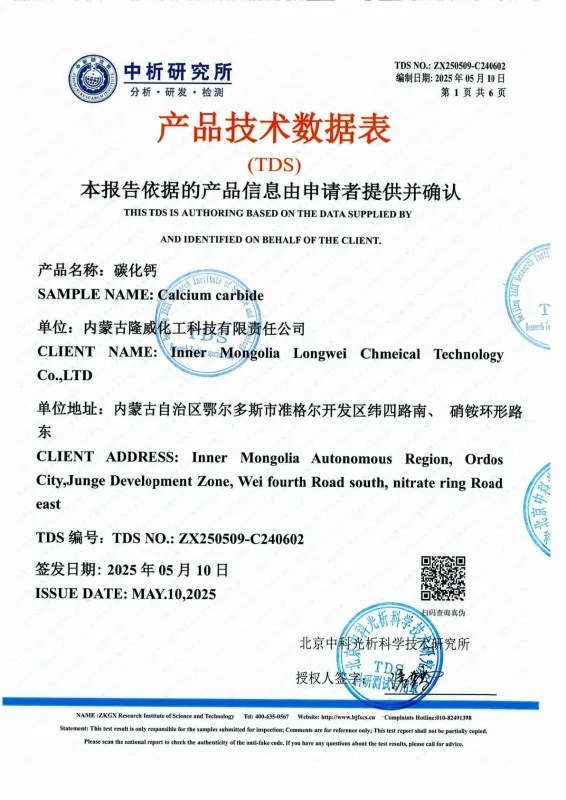
A facility in Yinchuan upgraded its calcium carbide sourcing from regional suppliers to a certified international supplier with consistent purity (>92% CaC₂). Within six months, they reported:
This case underscores how choosing reliable raw materials directly impacts production quality, safety, and long-term ROI—not just immediate performance.
 133
|
133
|
 High - performance calcium carbide
Acetylene gas generation
Longwei Chemical
Quality assurance
International market export
251
|
Calcium carbide safety operation guide
Precautions for calcium carbide use
Calcium carbide storage and transportation specifications
Acetylene gas safety management
Industrial chemical compliance use
315
|
High - performance calcium carbide
International chemical market
Longwei Chemical
Acetylene gas production
Industrial chemical export
264
|
calcium carbide demand growth
high capacity calcium carbide
Inner Mongolia Longwei Chemical
chemical raw material supply
organic compound synthesis
46
|
calcium carbide safety management
carbonated calcium handling protocols
phosphine explosion prevention
ethylene gas generation risk
high purity calcium carbide
High - performance calcium carbide
Acetylene gas generation
Longwei Chemical
Quality assurance
International market export
251
|
Calcium carbide safety operation guide
Precautions for calcium carbide use
Calcium carbide storage and transportation specifications
Acetylene gas safety management
Industrial chemical compliance use
315
|
High - performance calcium carbide
International chemical market
Longwei Chemical
Acetylene gas production
Industrial chemical export
264
|
calcium carbide demand growth
high capacity calcium carbide
Inner Mongolia Longwei Chemical
chemical raw material supply
organic compound synthesis
46
|
calcium carbide safety management
carbonated calcium handling protocols
phosphine explosion prevention
ethylene gas generation risk
high purity calcium carbide






.png?x-oss-process=image/resize,h_600,m_lfit/format,webp)