.png?x-oss-process=image/resize,h_500,m_lfit/format,webp)
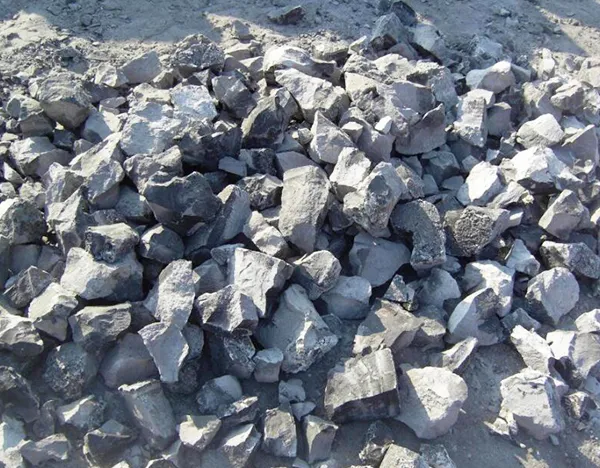
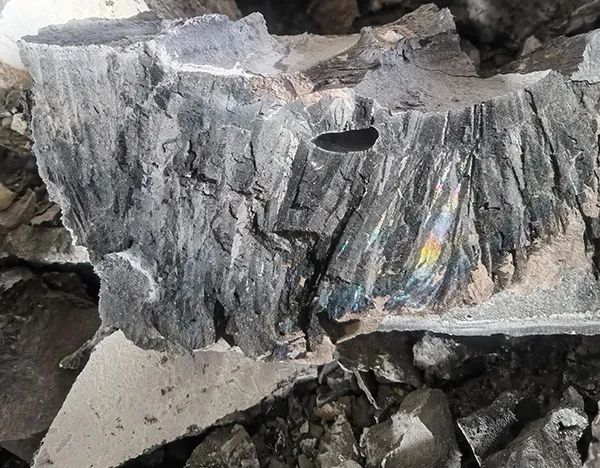
Industrial-grade desulfurization calcium carbide (CaC₂) serves as a critical reagent in various industrial desulfurization processes. The purity of calcium carbide directly influences desulfurization efficiency, operational safety, and downstream equipment longevity. This article delivers a detailed exploration of the essential purity metrics—including calcium carbide content, moisture, ash, and impurity metal elements such as phosphorus and sulfur—that govern product quality. Combining laboratory methods like titration and X-ray fluorescence (XRF) spectroscopy with practical, on-site rapid assessment techniques, the discussion equips procurement and technical professionals with reliable approaches to evaluate and secure high-quality calcium carbide supplies, particularly within the Xinjiang region's industrial context.
The performance of industrial desulfurization is highly sensitive to the purity of calcium carbide. Key purity indicators include:
Precision in purity detection underpins quality control. Two standard analytical methods are emphasized:
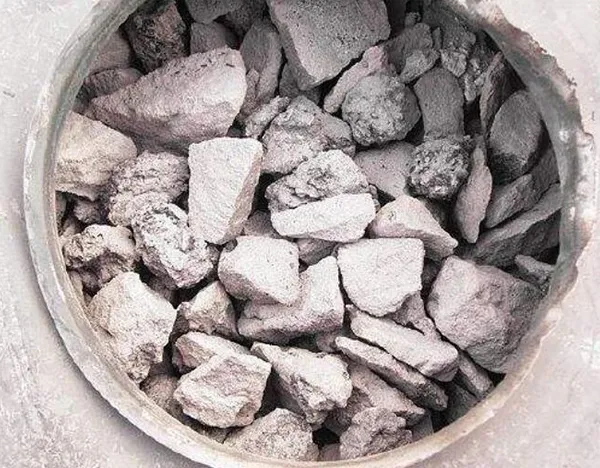
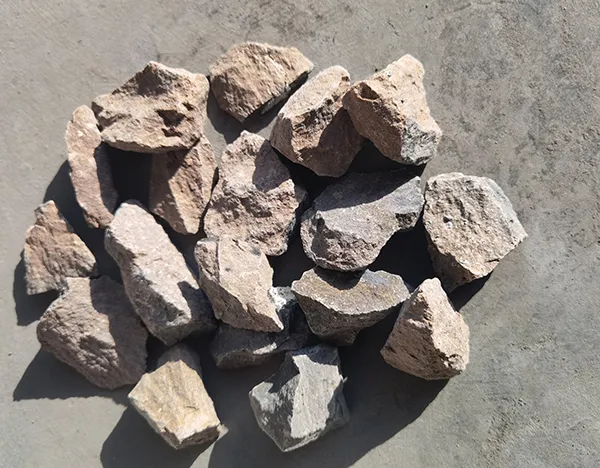
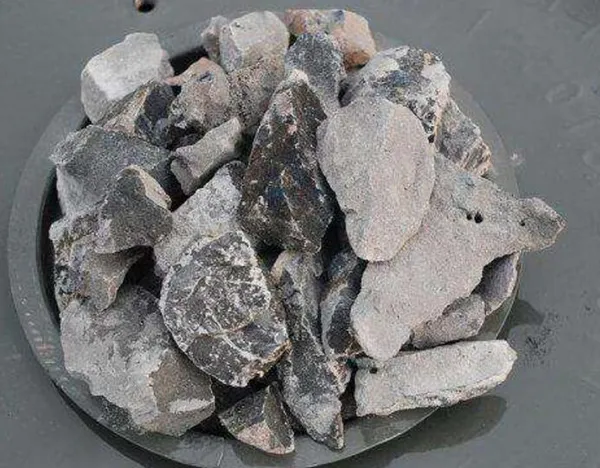
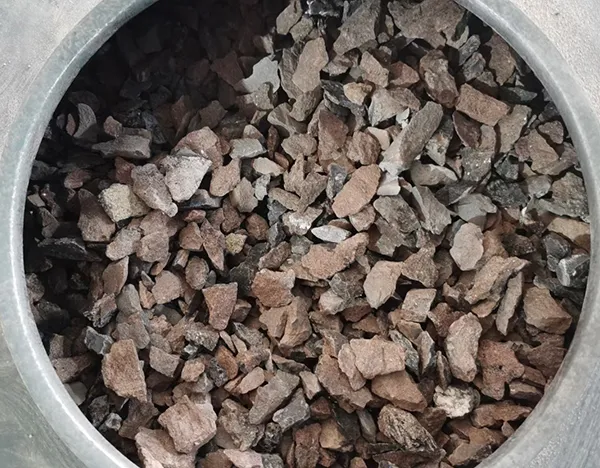
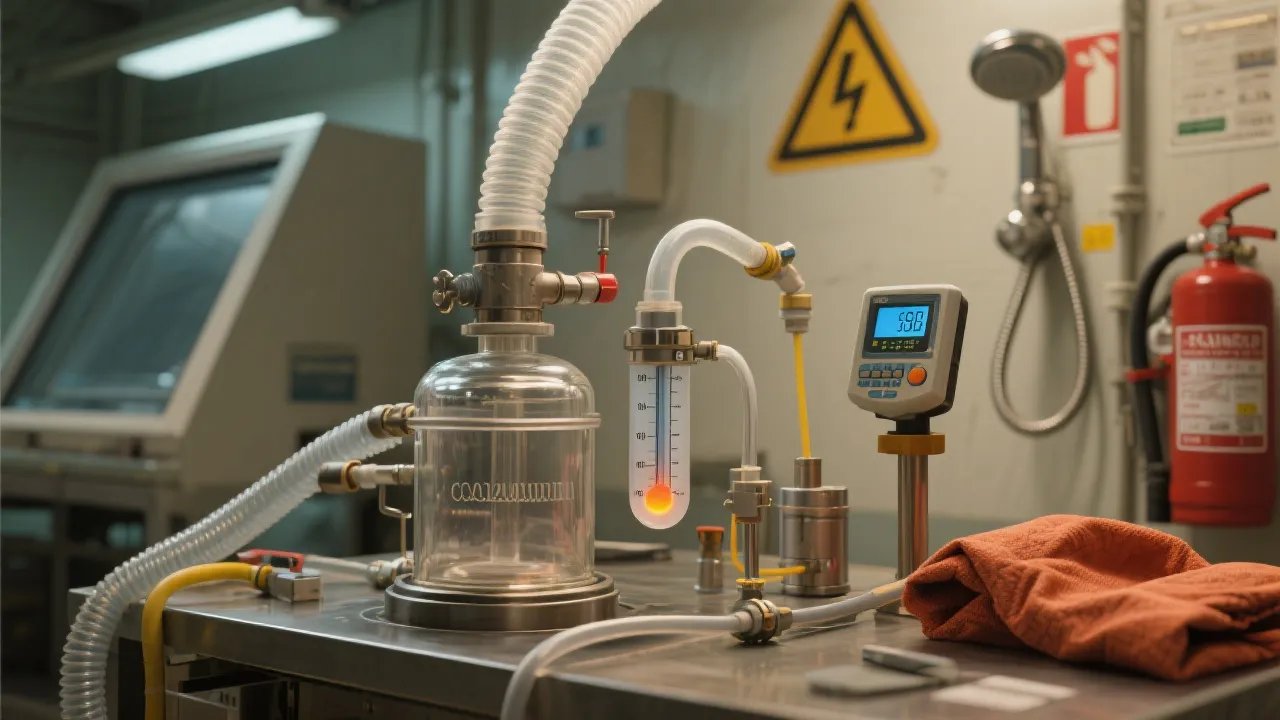
For operational environments where laboratory facilities are limited, practical on-site evaluation methods are invaluable:
These empirical indicators allow frontline technicians to quickly flag substandard batches, preventing costly process disruptions.
Xinjiang's calcium carbide procurement environment faces unique challenges due to regional raw material variability and transportation logistics. Experienced technical personnel recommend integrating laboratory testing with field assessments to establish comprehensive quality baselines. Emphasis is placed on avoiding impurity levels that can trigger equipment corrosion and steel defects—a critical concern given the substantial capital investment in desulfurization infrastructure in the region.
Collaborative supplier audits and transparency in certificate of analysis (COA) sharing are advocated best practices. Establishing such a rigorous quality assurance pipeline supports reliable supply chains and enhances operational predictability.
An optimized testing workflow typically includes:
Adhering to such a comprehensive scheme helps mitigate risks of process inefficiencies, unplanned downtimes, and costly equipment repairs.
| Purity Metric | Industrial Grade Standard | Testing Method | Acceptable Limit |
|---|---|---|---|
| Calcium Carbide (CaC₂) Content | Quantitative, reactive | Acid-base titration | ≥78% mass fraction |
| Moisture | Non-reactive water content | Gravimetric loss on drying | <0.5% |
| Ash (Inert Residue) | Indicative of impurities | Combustion analysis | <3% |
| Metallic Impurities (P, S, Fe) | Corrosion and contamination risk | XRF spectroscopy | <0.05% total |
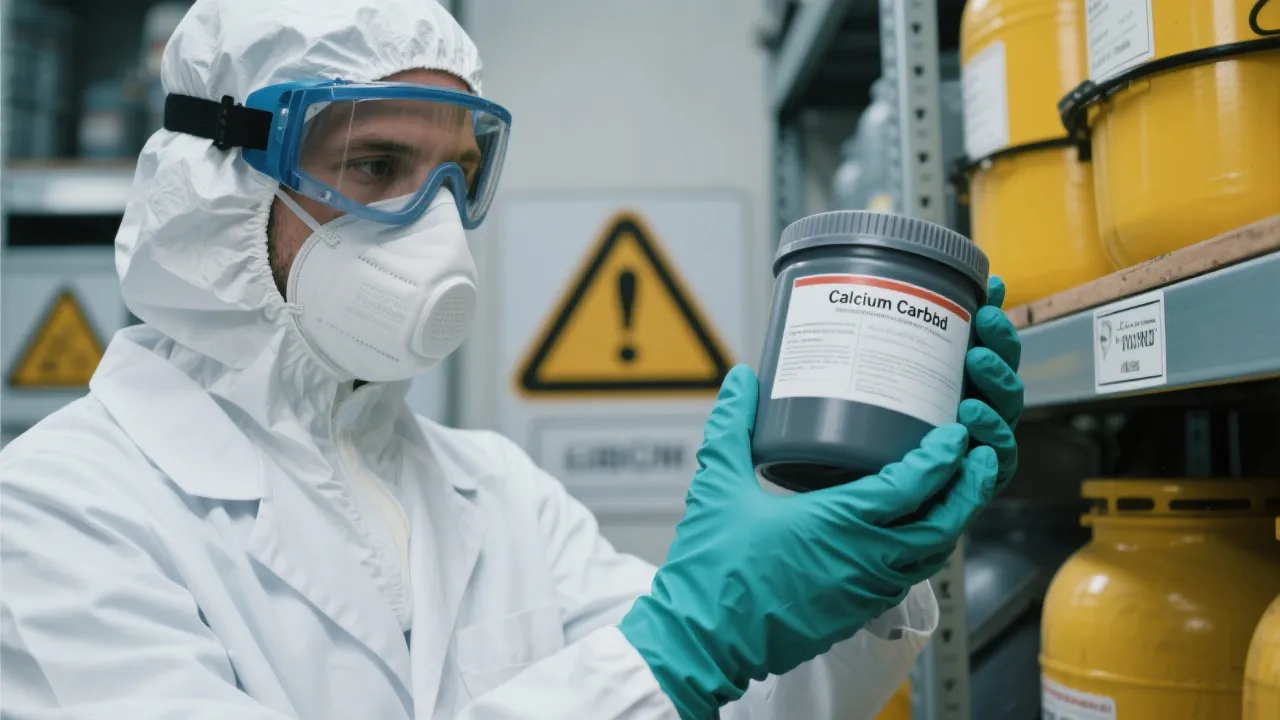
Procuring calcium carbide with documented purity compliance minimizes operational risks and elevates desulfurization process consistency. Leading suppliers often provide comprehensive certificates of analysis, including titration purity, moisture, and impurity profiles, alongside batch-specific testing reports. Buyers in Xinjiang and similar industrial hubs are encouraged to:
These practices build resilient supply chains that underpin sustainable industrial operations.
 446
|
446
|
 Calcium carbide storage safety
Acetylene gas leakage prevention
Calcium carbide storage
Chemical raw material safety
Calcium carbide fire protection
449
|
export calcium carbide
calcium carbide production stability
ordos supply chain advantage
industrial calcium carbide
high purity calcium carbide
388
|
calcium carbide applications
high purity calcium carbide
calcium carbide production process
acetylene gas generation
industrial calcium carbide
173
|
calcium carbide application cases
calcium carbide industrial uses
acetylene gas raw material
calcium carbide export experience
calcium carbide chemical applications
387
|
Calcium carbide
Calcium carbide storage
Acetylene gas safety
Leakage emergency treatment
Chemical safety management
Calcium carbide storage safety
Acetylene gas leakage prevention
Calcium carbide storage
Chemical raw material safety
Calcium carbide fire protection
449
|
export calcium carbide
calcium carbide production stability
ordos supply chain advantage
industrial calcium carbide
high purity calcium carbide
388
|
calcium carbide applications
high purity calcium carbide
calcium carbide production process
acetylene gas generation
industrial calcium carbide
173
|
calcium carbide application cases
calcium carbide industrial uses
acetylene gas raw material
calcium carbide export experience
calcium carbide chemical applications
387
|
Calcium carbide
Calcium carbide storage
Acetylene gas safety
Leakage emergency treatment
Chemical safety management


.png?x-oss-process=image/resize,h_600,m_lfit/format,webp)