.png?x-oss-process=image/resize,h_500,m_lfit/format,webp)

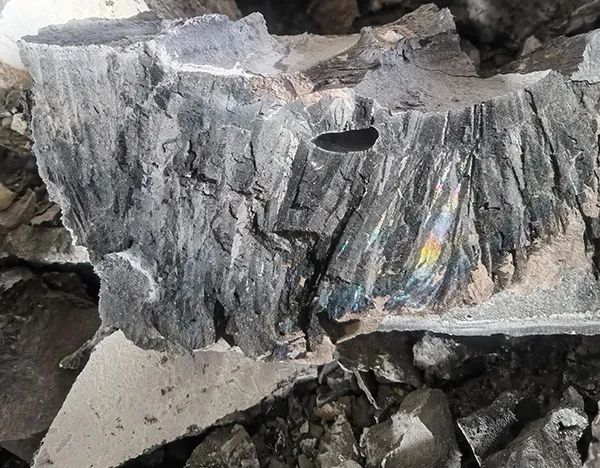
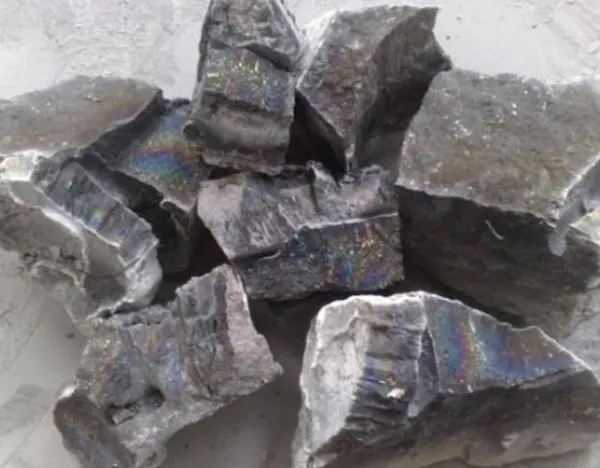
In industrial acetylene generation, “carbide is carbide” is one of the most expensive myths still circulating. In practice, calcium carbide purity directly shapes acetylene yield, reaction stability, slurry behavior, and the hidden maintenance burden on generators and scrubbers. For production teams, the difference between a consistent, high-yield run and a stop-and-clean incident often starts with what is inside the drum—especially the impurity profile.
This analysis explains the reaction fundamentals, compares typical purity grades with reference data, and translates lessons from real industrial settings into actionable operating guidance—so decision-makers can link industrial acetylene preparation performance to procurement standards with fewer surprises.
The core reaction is well-known: calcium carbide + water reaction produces acetylene gas and calcium hydroxide: CaC2 + 2H2O → C2H2 + Ca(OH)2 In an ideal world, every kilogram of CaC2 converts cleanly and predictably into acetylene.
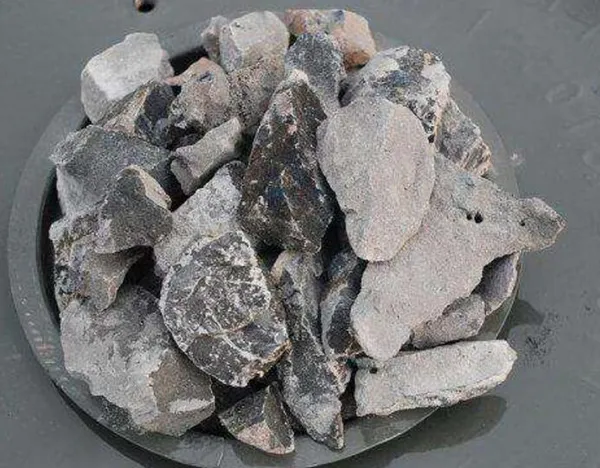
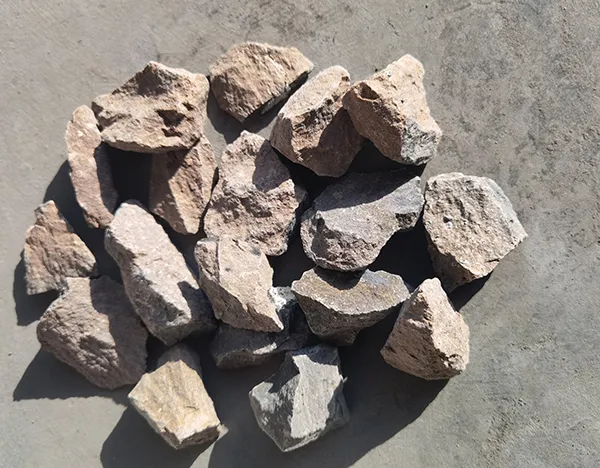
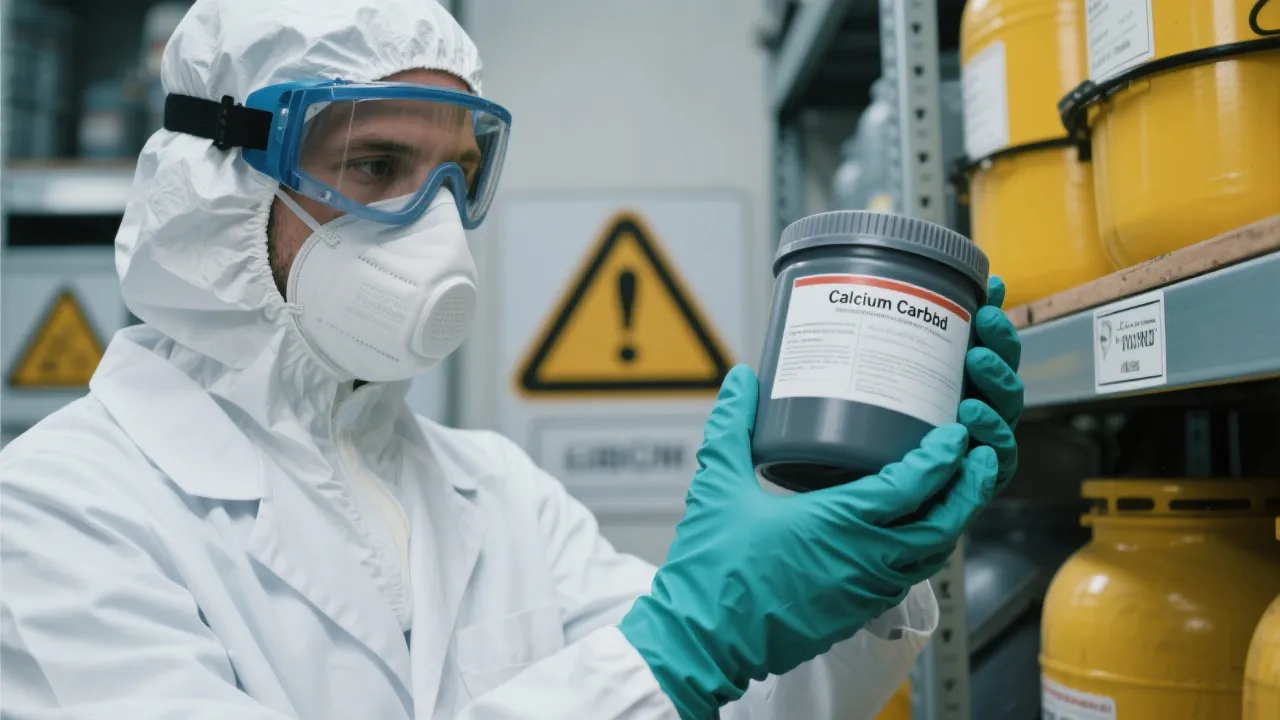
In the real world, commercial carbide contains varying levels of non-reactive or side-reactive components (e.g., CaO/CaCO3, silicates, sulfides, phosphides). These impurities do not just “dilute” yield—they can change heat release behavior, foaming tendency, sludge texture, and the load on purification (H2S/PH3 removal). That is why calcium carbide impurities impact is best treated as a process parameter, not a footnote.
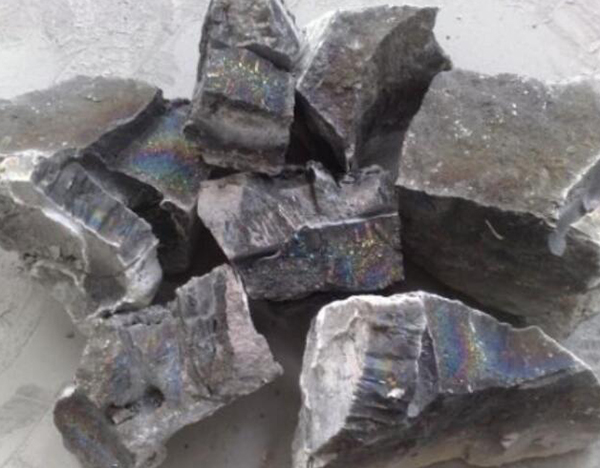
For procurement and plant engineering teams, the most practical metric is acetylene output per kilogram of product under standardized conditions. A common theoretical reference is approximately 0.35 m³ C2H2 per kg of pure CaC2 (at standard conditions). Real yields are lower due to purity, particle size, wetting, and generator design.
For technical teams, it helps to think of purity as “how much controlled chemistry is available.” Impurities can also influence the formation and texture of Ca(OH)2 solids, which then dictates whether the generator runs like a clean pumpable slurry— or like a slow-moving cement mixer.
Most plants evaluate carbide on yield, but the larger operational impact often comes from reaction kinetics and by-product formation. Lower-grade material may show fast initial gas release (due to fines and irregular wetting), followed by incomplete conversion pockets that “burp” later, complicating pressure control and downstream acetylene supply stability.
In short: higher purity carbide usually buys more than yield. It buys controllability, which is what keeps acetylene generators boring—in a good way.
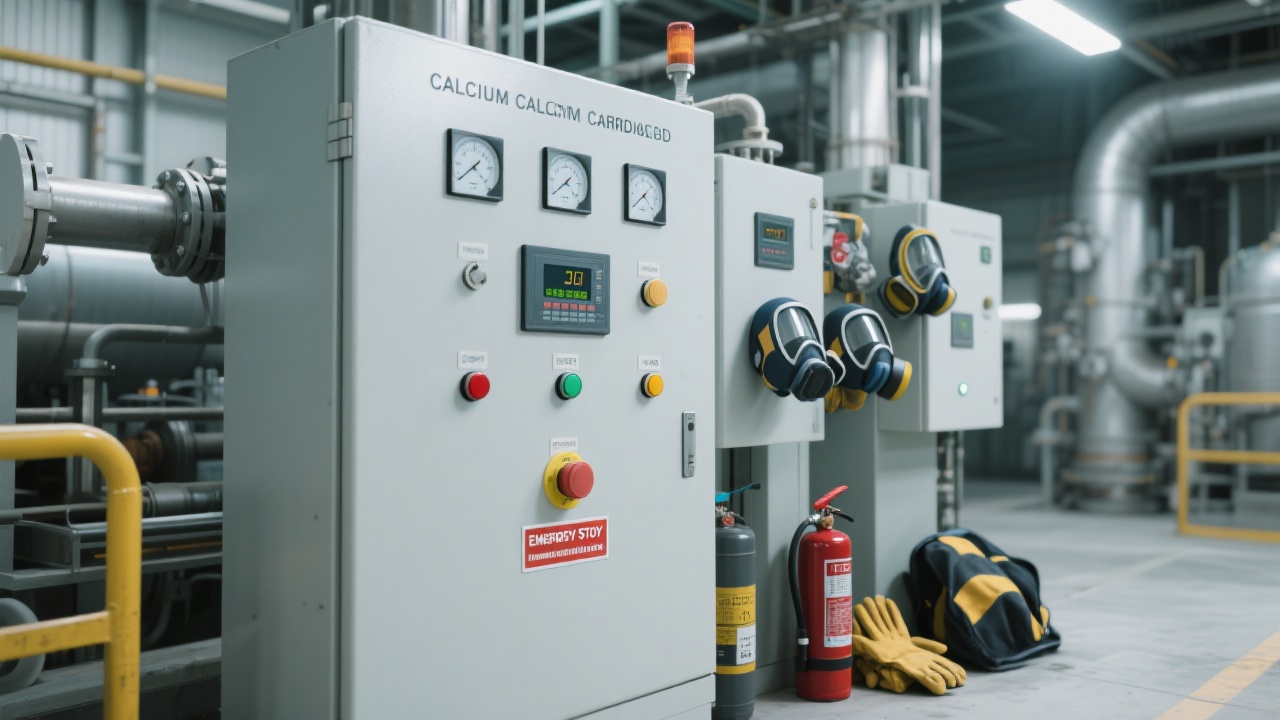
For acetylene for welding, users care about steady gas pressure and predictable flow. Shops that generate gas onsite often experience that “small instability” is rarely small: fluctuating generator output can show up as inconsistent torch behavior, more frequent regulator adjustments, and a higher chance of flashback incidents triggered by pressure dips. In these contexts, high purity carbide reduces variability, not just cost per cubic meter.
In acetylene-to-chemicals applications (e.g., acetaldehyde derivatives, vinyl intermediates in some regional processes), trace impurities can amplify downstream problems. Many operators observe that when carbide quality drifts, scrubbers are forced into shorter replacement cycles, and the plant compensates by running conservatively—effectively leaving capacity on the table. In these lines, choosing higher purity carbide is often a risk-control decision as much as a yield decision.
Calcium carbide is also used as a steel desulfurization agent in specific practices. Here, consistent reactive content supports predictable desulfurization efficiency and reduces slag variability. Plants that standardize on a tighter carbide specification typically find it easier to stabilize consumption rates and keep process KPIs within control limits.
In one mid-sized metal fabrication cluster running wet-type acetylene generators, switching from a mixed-lot 78–82% grade to a consistent ≥85% grade reduced unplanned generator cleanouts from roughly every 10–12 days to about every 18–22 days. The measurable acetylene output improved by about ~10% per kg, while the less visible benefit was steadier pressure during peak demand hours—meaning fewer manual interventions and fewer “gas shortage” pauses on the shop floor.
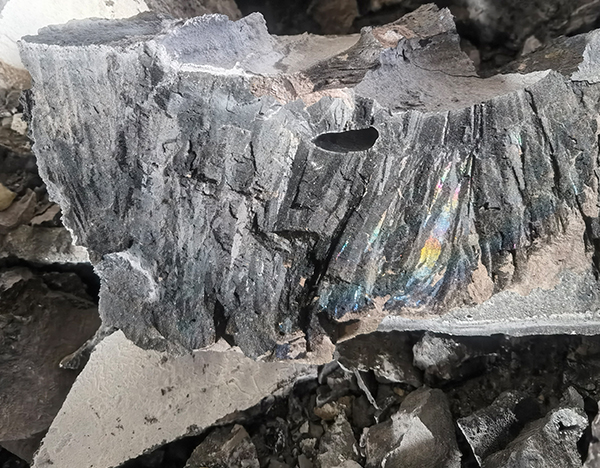
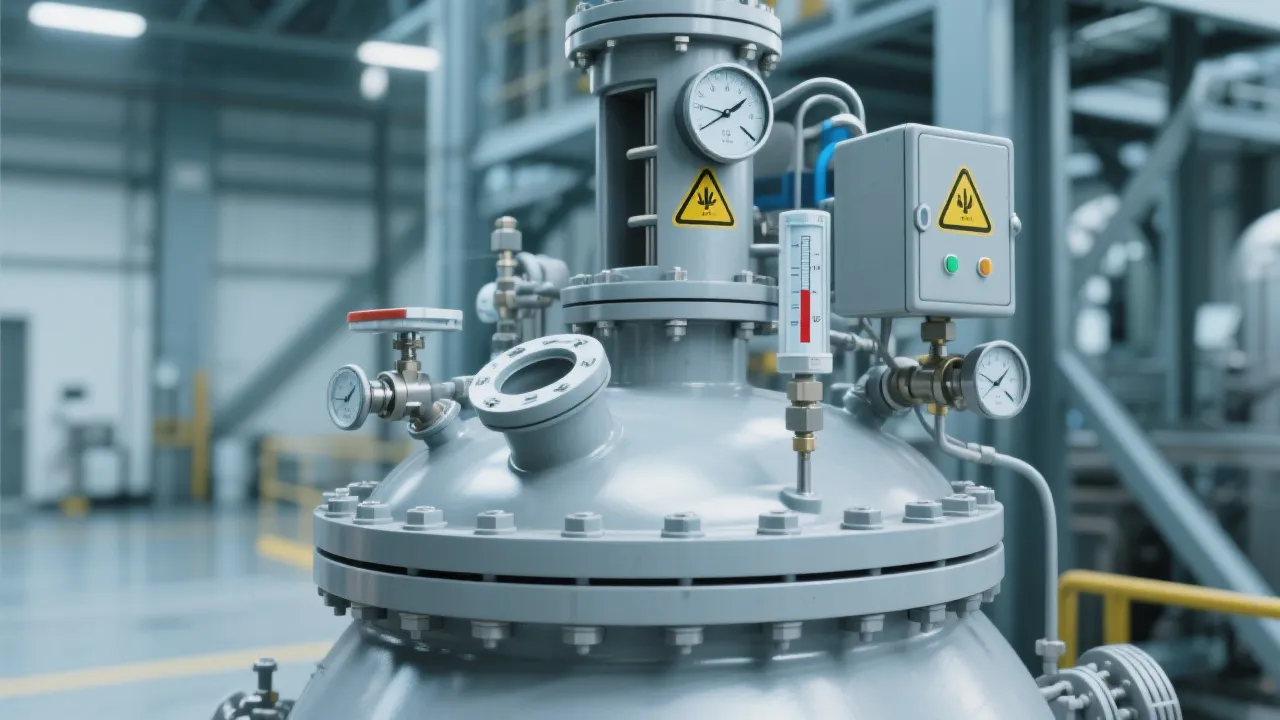
Even premium carbide can underperform if operating discipline is loose. The aim is to keep hydrolysis controlled, maintain consistent wetting, and avoid sudden thermal/pressure excursions—especially in continuous or semi-continuous generators.
Many wet generators perform more predictably when reaction mass is held around 40–70°C depending on design and loading. Higher temperatures can accelerate reaction locally, increase foaming, and push more contaminants into the gas stream. Stability usually beats peak-rate output over a shift.
A controlled calcium carbide feed rate helps prevent pressure spikes. Excess fines can cause rapid initial gas release and poor slurry handling. Many plants standardize feed size ranges (for example, 15–50 mm depending on generator) and screen out excessive fines to keep the reaction curve smooth.
Scaling, stuck valves, and partially blocked discharge lines turn into yield losses and safety risk. A practical routine includes checking water distribution, cleaning strainers, verifying pressure relief functionality, and tracking scrubber differential pressure. If residue becomes unusually sticky, it is often a quality signal—document lot numbers and correlate with downtime.
A useful analogy for teams: carbide purity is like fuel octane in a high-load engine. The machine may still run on lower grade, but the control window narrows, deposits build faster, and the operator ends up compensating manually—until a “minor” fluctuation becomes a shutdown.
Lonway Chemical (隆威化工) supports industrial users with consistent calcium carbide specifications and practical process guidance—covering acetylene reaction optimization, impurity risk control, and operating parameter tuning for your specific generator type.
Recommended to prepare: generator type, target gas flow range, current carbide grade, and recent cleanout frequency—so engineering feedback can be specific and immediately actionable.
 244
|
244
|
 ["high-performance calcium carbide"
"calcium carbide supply chain"
"acetylene gas production"
"industrial chemical exports"
"customer-centric service"]
480
|
calcium carbide
high stability chemicals
multi-industry applications
367
|
Calcium carbide safety
Acetylene explosion prevention
Phosphine hazards
Calcium carbide component analysis
Calcium carbide risk avoidance
416
|
calcium carbide desulfurization
steelmaking脱硫工艺
iron desulfurization chemistry
calcium carbide in metallurgy
desulfurization efficiency optimization
475
|
High-purity calcium carbide
Calcium carbide export
Middle East chemical raw materials
Calcium carbide supply advantages
Industrial-grade calcium carbide
["high-performance calcium carbide"
"calcium carbide supply chain"
"acetylene gas production"
"industrial chemical exports"
"customer-centric service"]
480
|
calcium carbide
high stability chemicals
multi-industry applications
367
|
Calcium carbide safety
Acetylene explosion prevention
Phosphine hazards
Calcium carbide component analysis
Calcium carbide risk avoidance
416
|
calcium carbide desulfurization
steelmaking脱硫工艺
iron desulfurization chemistry
calcium carbide in metallurgy
desulfurization efficiency optimization
475
|
High-purity calcium carbide
Calcium carbide export
Middle East chemical raw materials
Calcium carbide supply advantages
Industrial-grade calcium carbide






.png?x-oss-process=image/resize,h_600,m_lfit/format,webp)