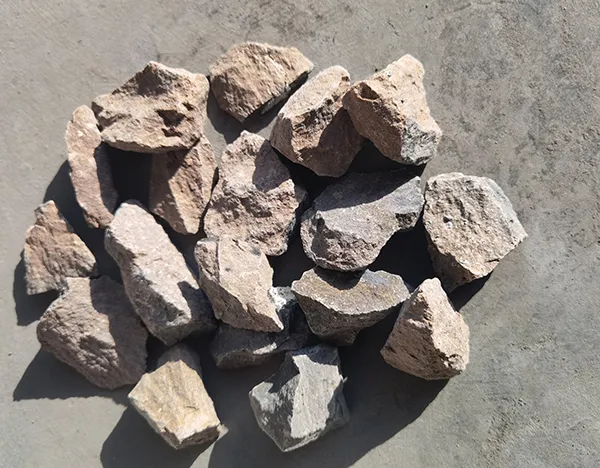
.png?x-oss-process=image/resize,h_500,m_lfit/format,webp)
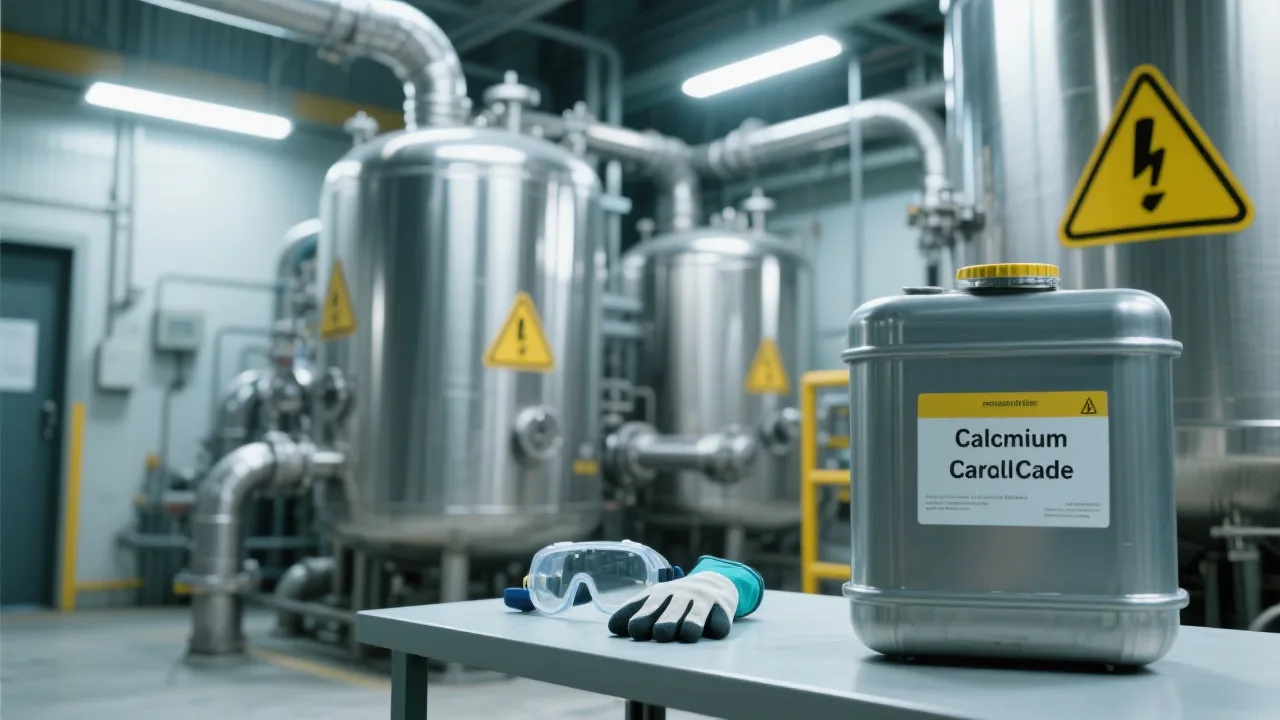
In industrial gas production, even minor variations in raw material quality can lead to significant differences in operational efficiency, safety, and costs. For professionals in welding, chemical synthesis, and steel metallurgy, understanding how calcium carbide (CaC₂) purity affects acetylene yield isn't just technical knowledge—it's a strategic advantage that directly impacts bottom-line results.
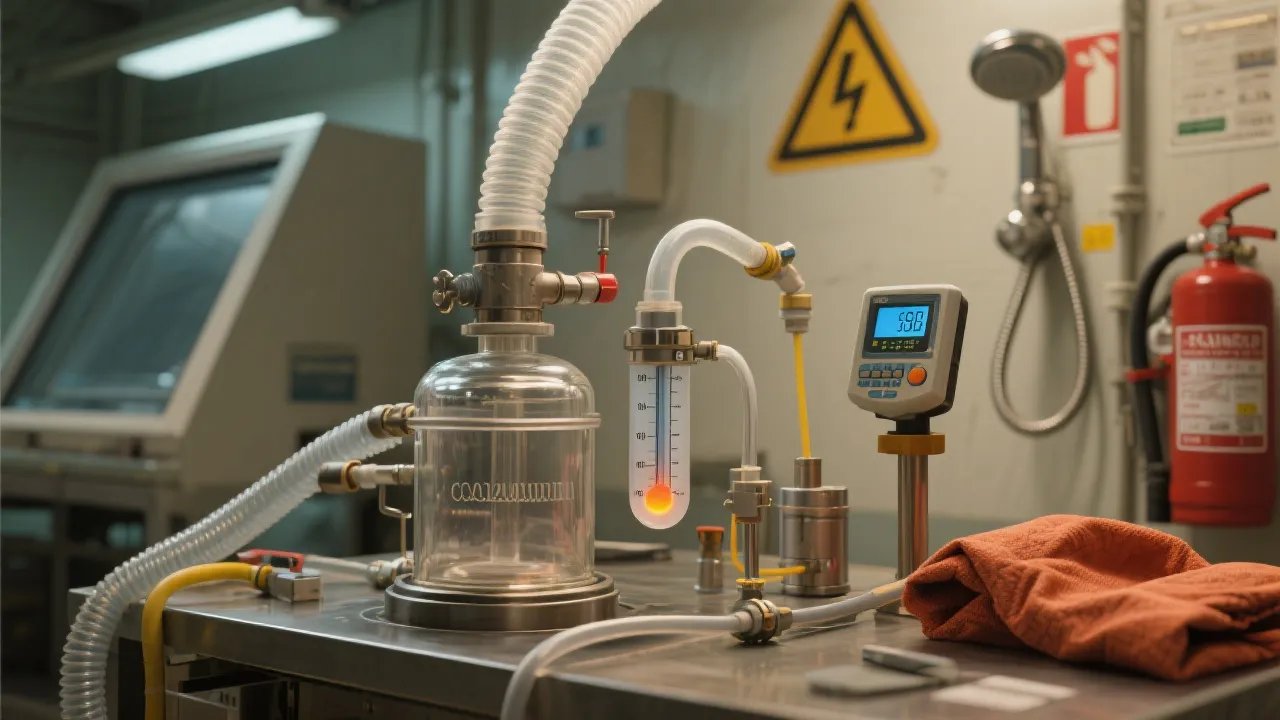
Calcium carbide reacts with water to produce acetylene gas through the exothermic reaction: CaC₂ + 2H₂O → C₂H₂ + Ca(OH)₂. While this chemical equation appears straightforward, real-world production tells a more complex story. Industrial-grade calcium carbide rarely exists in pure form, and impurities can dramatically alter reaction dynamics.
"We used to accept 85% purity as standard until switching to high-purity calcium carbide. The difference was remarkable—our acetylene output increased by 12% while reducing sludge disposal costs by nearly 30%."
— Chief Process Engineer, Mid-sized Chemical Plant
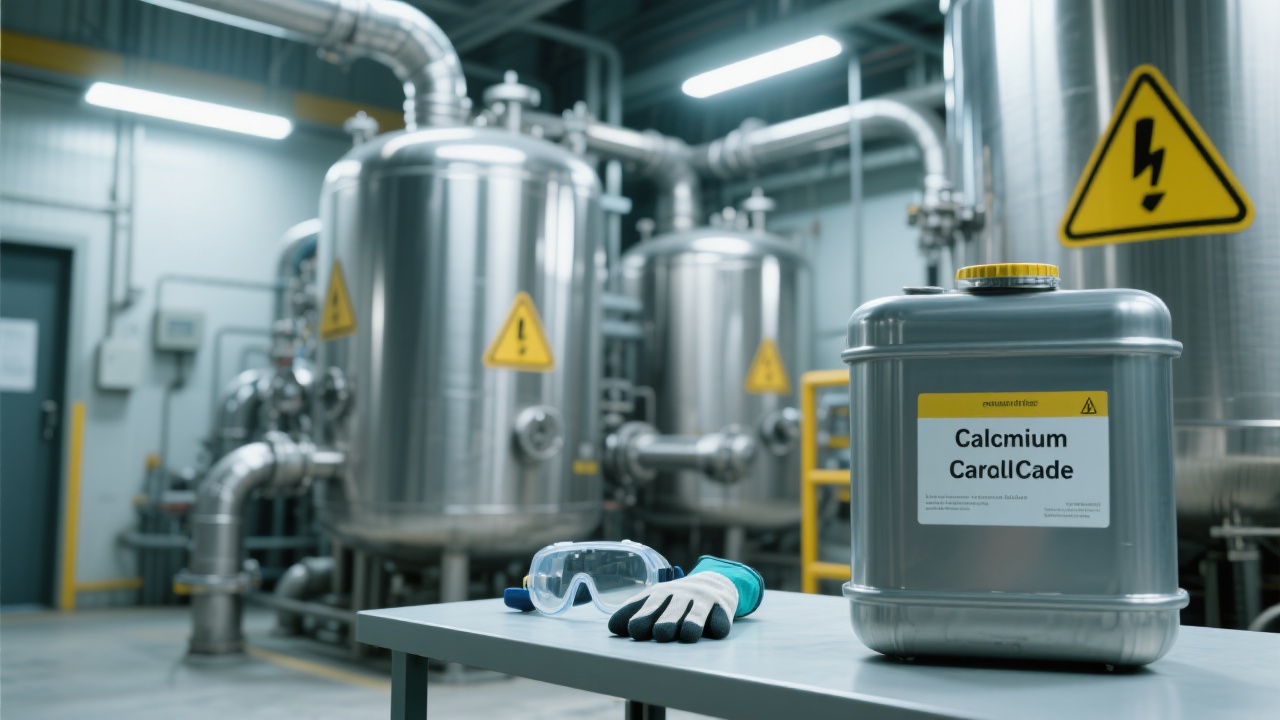
Controlled laboratory tests and industrial data consistently demonstrate a direct correlation between calcium carbide purity and acetylene production efficiency. The following table illustrates typical performance differences across common purity grades:
| Calcium Carbide Purity | Acetylene Yield (m³/ton) | Reaction Completion Time | Byproduct Formation |
|---|---|---|---|
| 75-80% | 280-300 | 180-210 minutes | High (18-22% of input weight) |
| 85-90% | 315-335 | 140-160 minutes | Moderate (12-15% of input weight) |
| 95%+ (Premium Grade) | 350-370 | 90-110 minutes | Low (6-8% of input weight) |
Common impurities in calcium carbide—primarily sulfides, phosphides, and oxides—create multiple operational challenges beyond simple yield reduction:
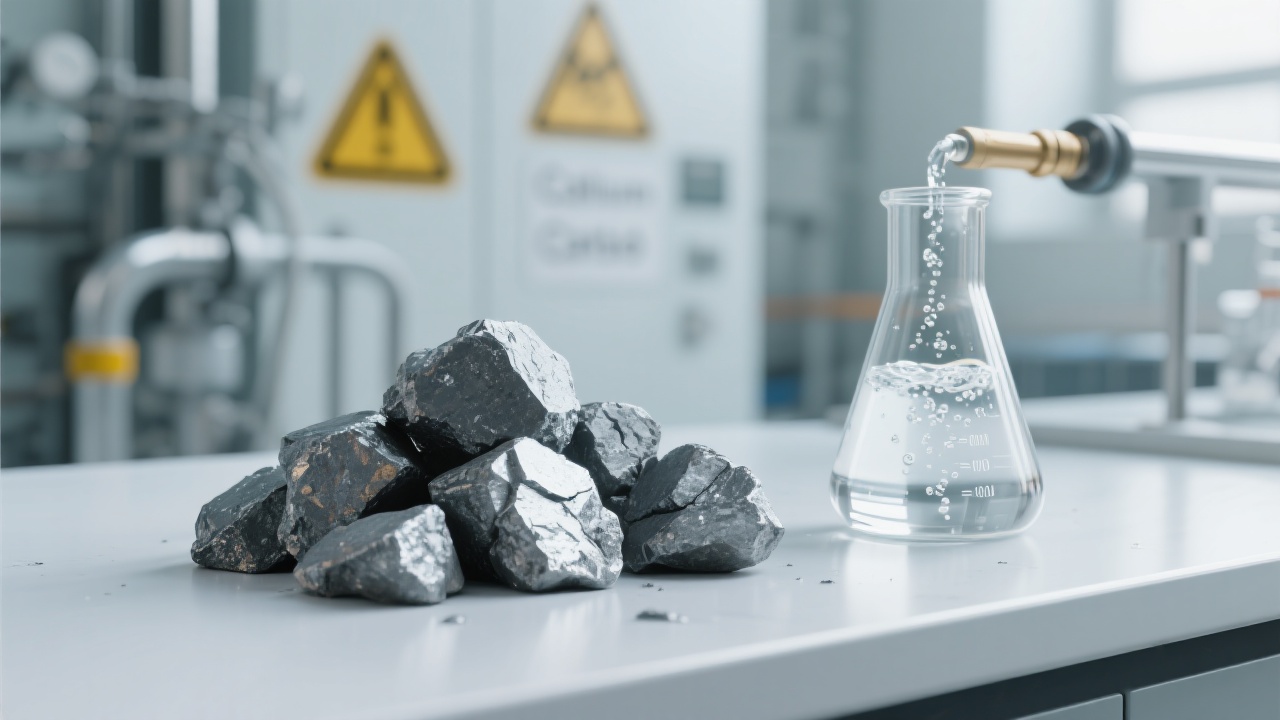
One steel mill in the Midwest learned the high cost of low-quality calcium carbide the hard way. After switching to a cheaper 80% purity product to reduce material costs, they experienced:
Within six months, the mill switched back to premium-grade calcium carbide, recognizing that the initial 15% material cost savings were dwarfed by operational expenses and lost production.
For facilities using 隆威化工 high-purity calcium carbide, implementing these operational techniques can further optimize results:
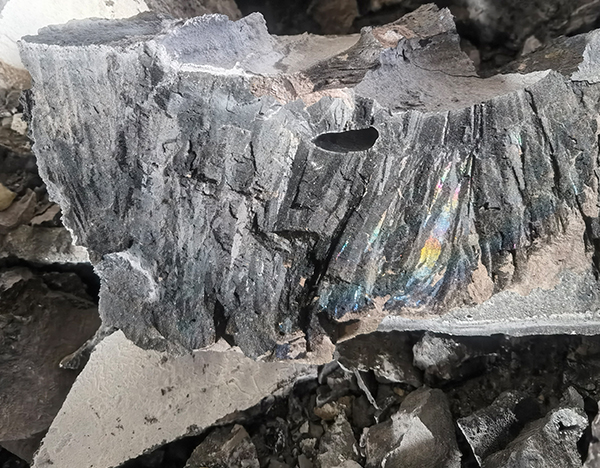
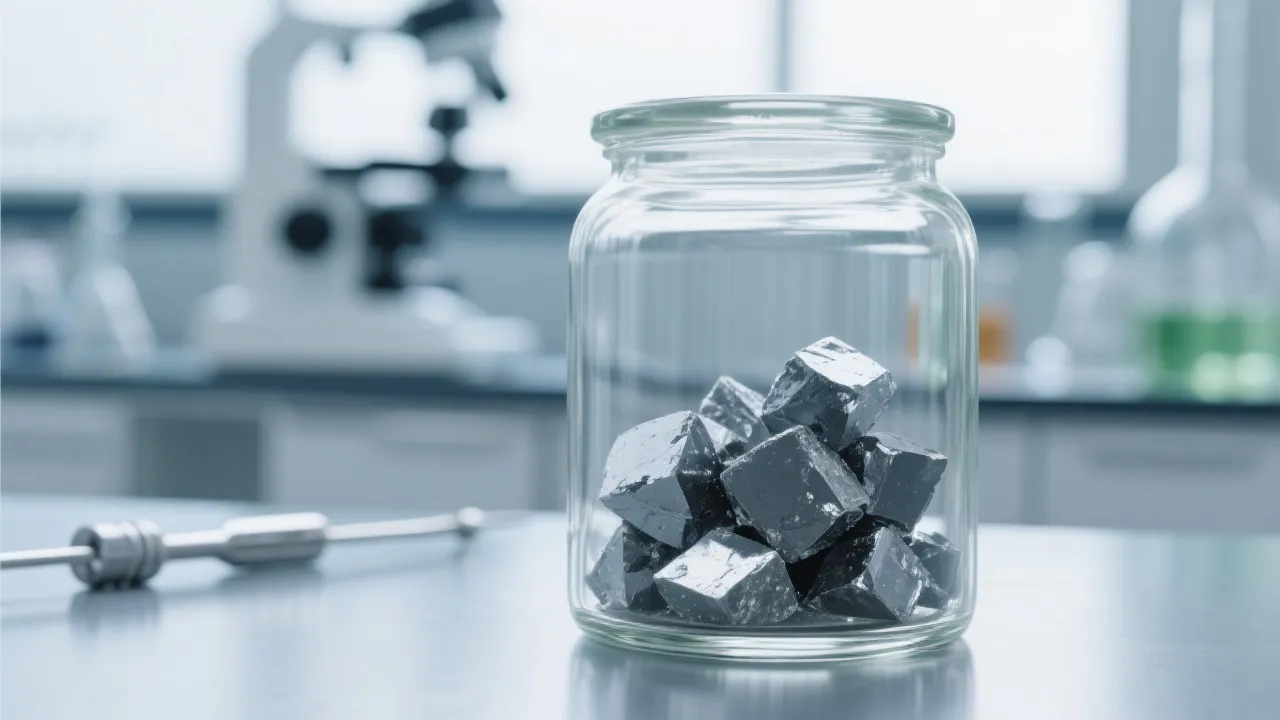
High-purity calcium carbide delivers compounding benefits across multiple industrial applications:
Consistent gas quality reduces weld defects by up to 40% and improves penetration depth uniformity
Purer feedstock translates to higher catalyst efficiency and reduced purification steps
Precision dosing and reaction control enable more consistent sulfur removal with less material
Download our comprehensive technical whitepaper featuring detailed case studies, laboratory test results, and implementation guides for calcium carbide purity optimization.
Access Full Technical WhitepaperFor production managers and procurement professionals, the decision regarding calcium carbide quality extends beyond simple material costs. It's an investment in operational efficiency, product quality, and workplace safety. As one plant manager noted after upgrading to high-purity calcium carbide: "The difference isn't just in the numbers—it's in the peace of mind knowing our process is reliable, our output is consistent, and our maintenance schedule is predictable."
 124
|
124
|
 Calcium carbide safety use
Calcium carbide protection
Calcium carbide risk prevention
Inner Mongolia Longwei Chemical
Acetylene generation
458
|
calcium carbide acetylene gas generation
industrial calcium carbide applications
calcium carbide for steel脱硫剂
organic synthesis raw materials
high purity calcium carbide
178
|
calcium carbide storage safety
acetylene gas production
chemical raw material handling
industrial chemical storage guidelines
calcium carbide safety precautions
232
|
High - purity calcium carbide
Calcium carbide applications
Calcium carbide quality control
Calcium carbide suppliers
Industrial - grade calcium carbide
386
|
calcium carbide supply
acetylene gas production raw material
steel desulfurization agent
industrial chemicals export
B2B chemical products
Calcium carbide safety use
Calcium carbide protection
Calcium carbide risk prevention
Inner Mongolia Longwei Chemical
Acetylene generation
458
|
calcium carbide acetylene gas generation
industrial calcium carbide applications
calcium carbide for steel脱硫剂
organic synthesis raw materials
high purity calcium carbide
178
|
calcium carbide storage safety
acetylene gas production
chemical raw material handling
industrial chemical storage guidelines
calcium carbide safety precautions
232
|
High - purity calcium carbide
Calcium carbide applications
Calcium carbide quality control
Calcium carbide suppliers
Industrial - grade calcium carbide
386
|
calcium carbide supply
acetylene gas production raw material
steel desulfurization agent
industrial chemicals export
B2B chemical products






.png?x-oss-process=image/resize,h_600,m_lfit/format,webp)