.png?x-oss-process=image/resize,h_500,m_lfit/format,webp)
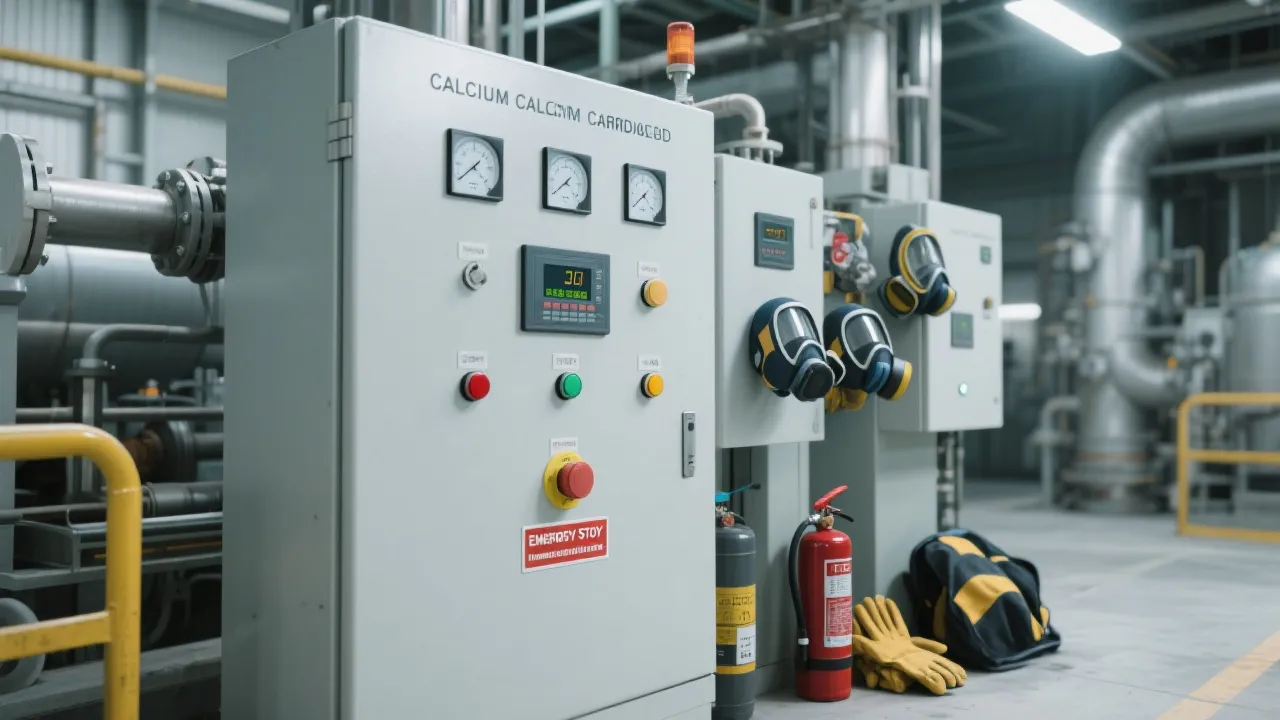
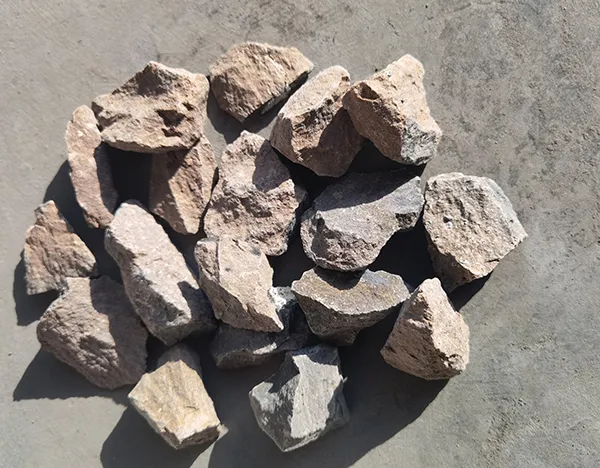
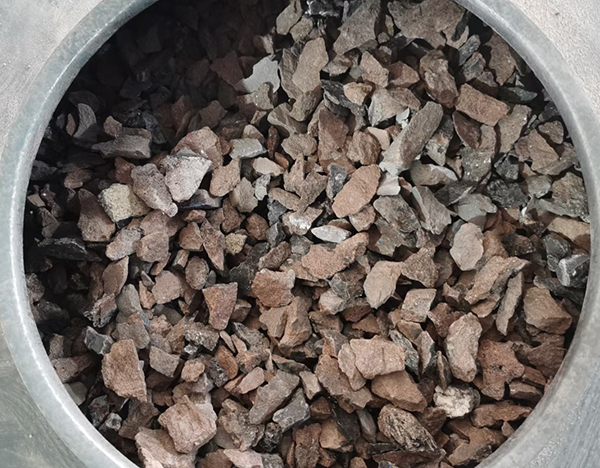
In industrial gas manufacturing, few materials play as pivotal a role as calcium carbide (CaC₂). This compound's reaction with water to produce acetylene gas powers everything from metal fabrication to chemical synthesis. However, what many industry professionals overlook is how dramatically calcium carbide purity affects this process—impacting yield, reaction efficiency, and operational safety in ways that directly influence bottom-line results.
"Our production line experienced 37% fewer interruptions after switching to high-purity calcium carbide. The reduction in slag formation alone justified the investment within three months." — Steel manufacturing plant technical director, Ohio
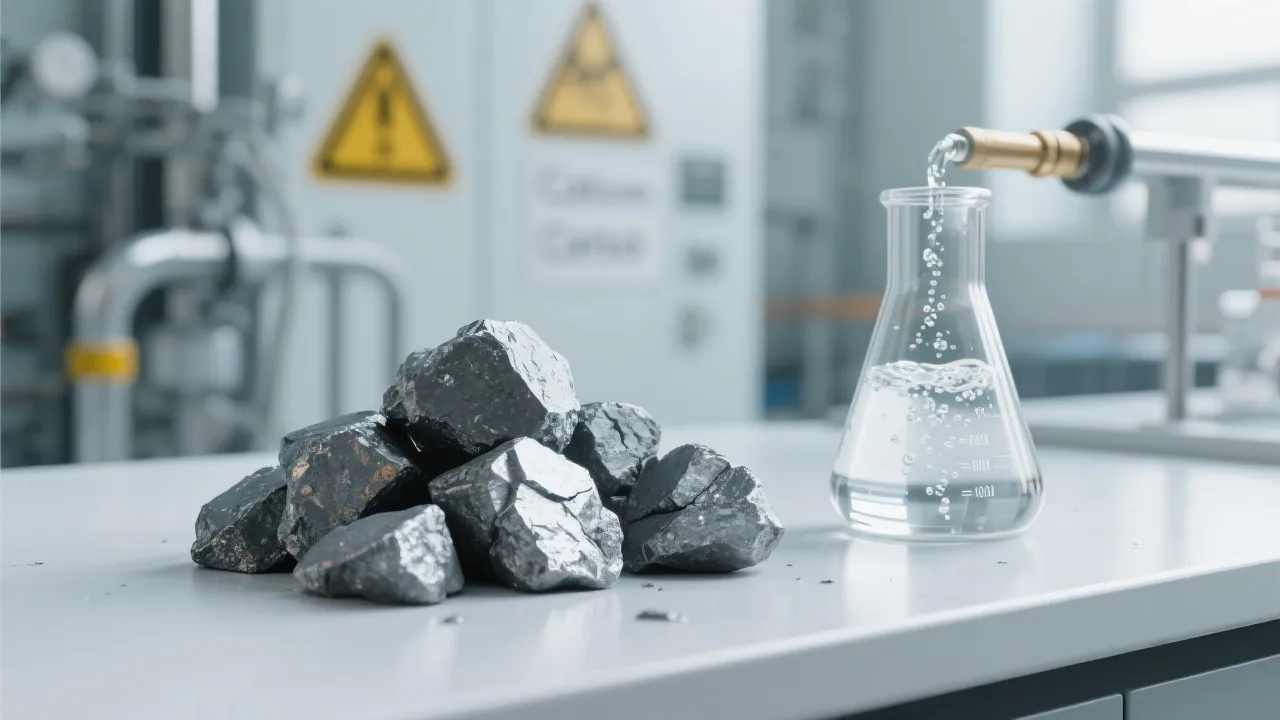
The hydrolysis reaction of calcium carbide follows a straightforward chemical equation: CaC₂ + 2H₂O → C₂H₂ + Ca(OH)₂. While seemingly simple, this reaction's efficiency hinges on the absence of impurities that can disrupt the process. Industrial-grade calcium carbide typically contains varying levels of contaminants including sulfur compounds, phosphides, and metallic oxides—each posing unique challenges.
Sulfur impurities, for instance, react to form hydrogen sulfide (H₂S), a toxic gas that not only reduces acetylene yield but also causes corrosion in equipment. Phosphorus compounds create phosphine (PH₃), which is highly flammable and can lead to spontaneous combustion in high concentrations. These impurities don't just affect product quality—they create significant safety hazards.
Laboratory testing conducted across multiple industrial sites reveals a clear correlation between calcium carbide purity and process efficiency. The following data represents average results from manufacturing facilities producing acetylene for metal welding applications:
| Calcium Carbide Purity (%) | Acetylene Yield (%) | Reaction Time (minutes) | 副产物含量 (%) |
|---|---|---|---|
| 85-88% | 72-76% | 18-22 | 12-15 |
| 90-92% | 81-84% | 14-16 | 8-10 |
| 94-96% | 88-91% | 10-12 | 4-6 |
| 98%+ | 93-95% | 7-9 | 1-3 |
In welding applications, the consequences of using low-purity calcium carbide become immediately apparent. A manufacturing facility in Texas reported that switching from 88% to 96% purity calcium carbide reduced weld porosity by 42% and decreased electrode consumption by 18%. The smoother, more consistent gas flow eliminated the need for rework on nearly 20% of welded components.
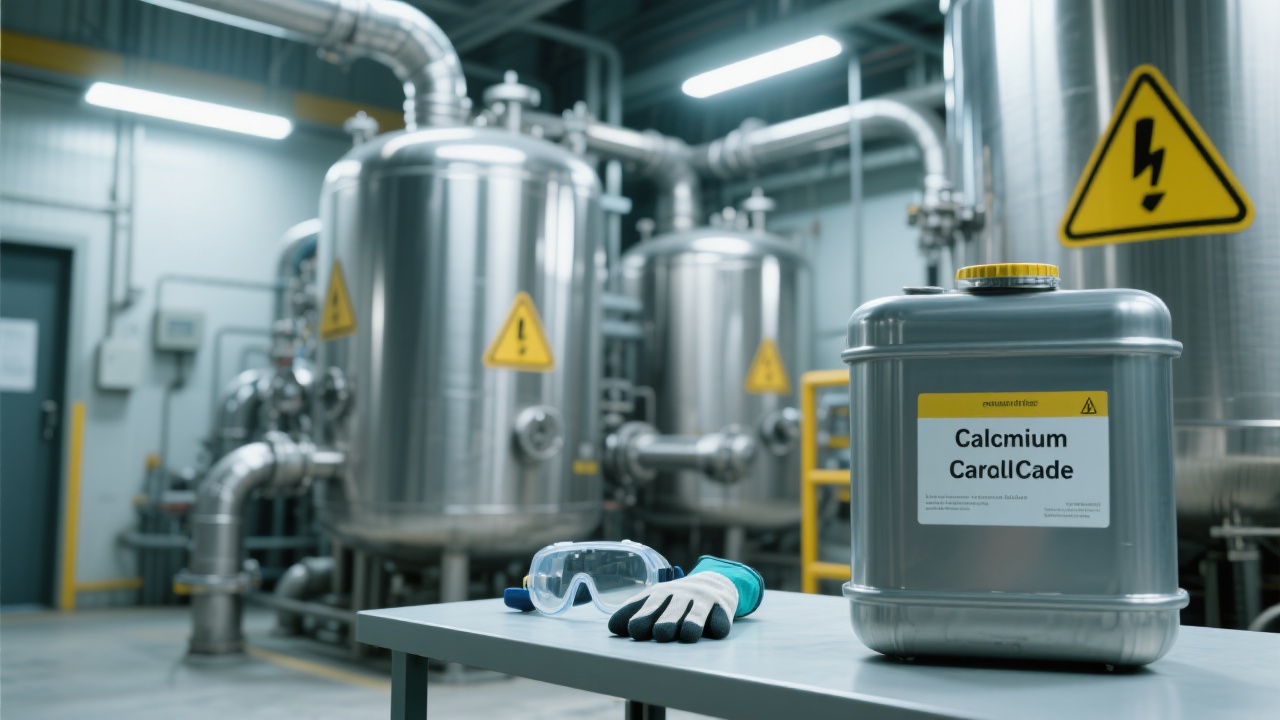
Chemical synthesis presents even more critical purity requirements. A pharmaceutical intermediate producer in Germany found that low-purity calcium carbide introduced trace contaminants that reacted with their catalyst, reducing its effectiveness by 35% and requiring premature replacement. After implementing 98% purity calcium carbide from 隆威化工, catalyst life extended by 70%, dramatically reducing production costs.
"All calcium carbide products are essentially the same." This dangerous assumption leads many operations to prioritize cost over quality, ignoring the hidden expenses of lower purity: increased waste disposal, equipment maintenance, production downtime, and quality control issues that often far exceed the initial savings.
While selecting high-purity calcium carbide is foundational, optimizing your process requires attention to several key factors:
Steel desulfurization applications particularly benefit from these optimization strategies. A Midwest steel mill documented that combining 96% purity calcium carbide with optimized feeding techniques reduced sulfur content in their steel by an additional 23% compared to their previous process with lower purity material.
Download our comprehensive guide featuring industry-tested methods to enhance efficiency, reduce waste, and improve safety in your calcium carbide applications.
Get Your Free "Calcium Carbide Industrial Application Optimization Guide"The data is clear: investing in high-purity calcium carbide delivers measurable returns through improved yield, reduced waste, and enhanced process stability. As industrial processes become more precise and quality requirements more stringent, the purity of your calcium carbide will only grow in importance. By understanding these relationships and implementing best practices, manufacturers can position themselves for greater operational efficiency and competitive advantage in their respective markets.
 392
|
392
|
 calcium carbide storage
calcium carbide moisture control
carbide sealed packaging
chemical warehouse humidity management
calcium carbide safety handling
63
|
calcium carbide desulfurization
steelmaking desulfurization process
Xinjiang steel plant case study
calcium carbide for sulfur removal
desulfurization optimization
33
|
calcium carbide storage safety
high purity calcium carbide
calcium carbide handling guidelines
inner mongolia longwei chemical
carbonated calcium products
79
|
calcium carbide reaction optimization
acetylene production efficiency
catalyst use in ethylene synthesis
industrial safety for calcium carbide processing
green chemical manufacturing
352
|
10-15mm calcium carbide advantages
calcium carbide application scenarios
calcium carbide reaction efficiency improvement
industrial calcium carbide selection guide
calcium carbide storage and transportation precautions
calcium carbide storage
calcium carbide moisture control
carbide sealed packaging
chemical warehouse humidity management
calcium carbide safety handling
63
|
calcium carbide desulfurization
steelmaking desulfurization process
Xinjiang steel plant case study
calcium carbide for sulfur removal
desulfurization optimization
33
|
calcium carbide storage safety
high purity calcium carbide
calcium carbide handling guidelines
inner mongolia longwei chemical
carbonated calcium products
79
|
calcium carbide reaction optimization
acetylene production efficiency
catalyst use in ethylene synthesis
industrial safety for calcium carbide processing
green chemical manufacturing
352
|
10-15mm calcium carbide advantages
calcium carbide application scenarios
calcium carbide reaction efficiency improvement
industrial calcium carbide selection guide
calcium carbide storage and transportation precautions









.png?x-oss-process=image/resize,h_600,m_lfit/format,webp)