.png?x-oss-process=image/resize,h_500,m_lfit/format,webp)

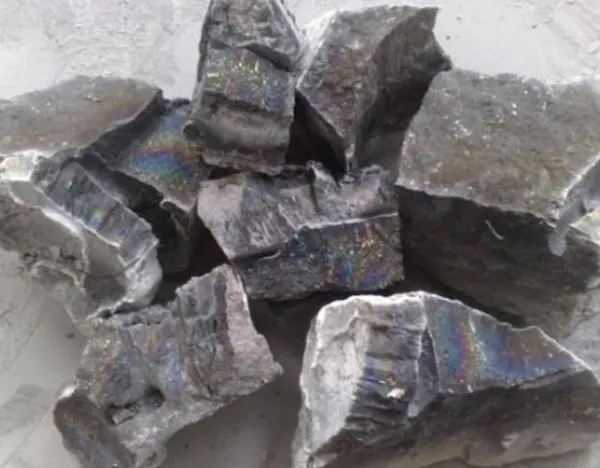
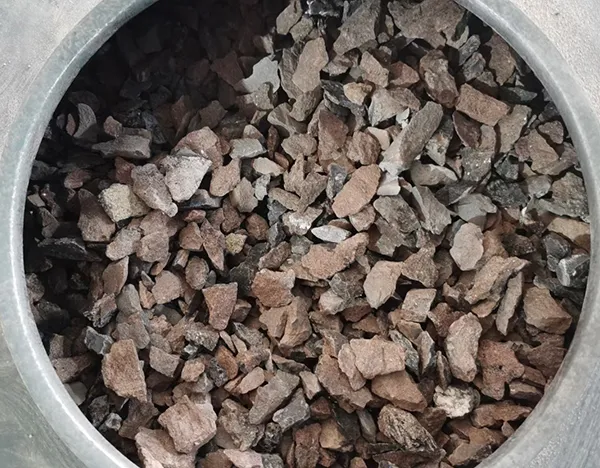
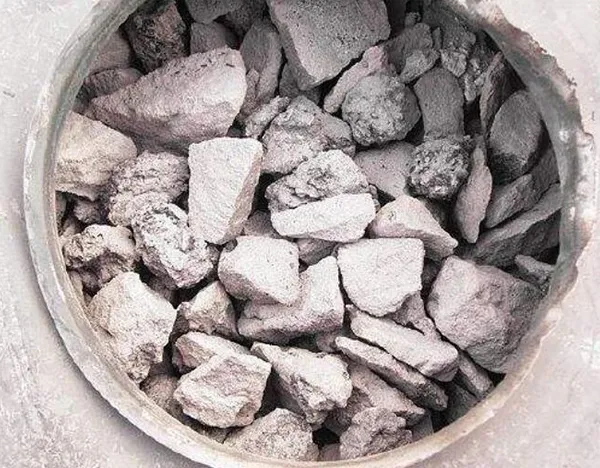
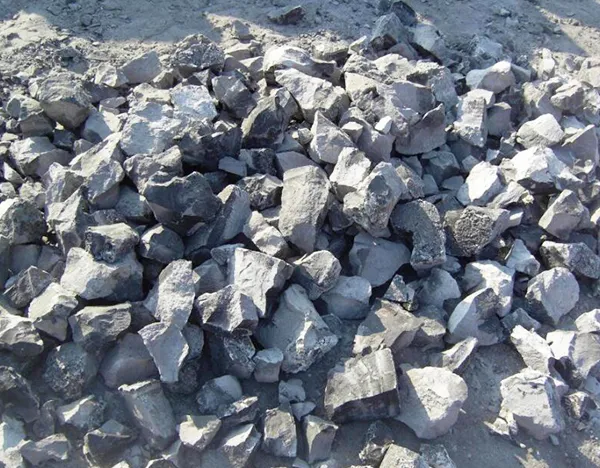
The production of high-quality calcium carbide (CaC₂) pellets, especially in the critical 10-15mm size range, is a complex yet meticulously controlled process that directly impacts industrial efficiency—particularly in acetylene generation. This article systematically explores each stage of the production line, revealing essential parameters and quality control technologies that guarantee consistent batch stability and superior pellet performance. Whether you are a production engineer, a quality control specialist, or a procurement decision-maker, this guide offers valuable insights to enhance your industrial processes.
Every successful batch starts with top-notch raw materials. The primary inputs—high-purity limestone and coke—must be carefully selected, with precise mix ratios typically maintained between 87-90% limestone and 10-13% coke by weight. Impurities such as silica, alumina, and iron oxides are rigorously controlled below 2% combined to avoid detrimental effects on product purity and reactivity.
Preprocessing involves crushing and sieving limestone to an optimal particle size (usually 3-5mm) and removing surface contaminants through washing and drying techniques. This step ensures that the feedstock entering the electric arc furnace maintains consistent chemical composition and moisture content under 1.5%—a critical parameter to minimize furnace fluctuations.
The electric arc furnace is where the raw mix transforms into calcium carbide through a high-temperature carbothermal reaction. Maintaining the reaction temperature within a tightly controlled window of 850°C to 950°C is paramount. Temperatures below 850°C lead to incomplete calcination and lower purity, while exceeding 950°C risks excessive grain growth reducing mechanical strength.
Additionally, the holding time or retention period inside the furnace, typically set between 2.5 to 3.5 hours, ensures stable crystal formation and uniform pellet density. Continuous monitoring through thermocouples and automated control systems enables rapid response to any deviation, safeguarding batch consistency.
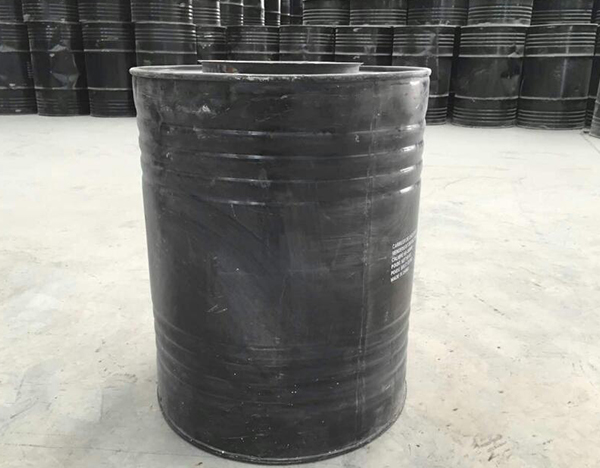
Achieving uniform pellet size distribution between 10-15mm significantly contributes to predictable performance during acetylene generation. This is accomplished through advanced vibrating sieve technology that efficiently separates oversized chunks and fine dust. Selecting sieves with mesh apertures calibrated to ±0.5mm tolerance range enhances precision.
Modern production lines employ multi-deck vibrating sieves combined with pneumatic conveying systems to increase throughput beyond 200 tons per day, while simultaneously improving screening efficiency by over 15% compared to traditional equipment. Regular maintenance and real-time vibration frequency adjustment prevent clogging and maintain consistent pellet gradation.
Proper packaging is as vital as the manufacturing process itself. Moisture is the main enemy of calcium carbide; even minor exposure can trigger premature hydrolysis, reducing product shelf life and safety. Therefore, moisture-resistant kraft paper bags reinforced with polyethylene liners are industry standards.
Sealing integrity is verified via standardized leak tests and humidity chamber exposure, ensuring water vapor transmission rates remain below 3 g/m²/day. Furthermore, protective measures during transportation include shock-absorbing pallet stacking and waterproof covers, effectively mitigating mechanical damage and environmental exposure.
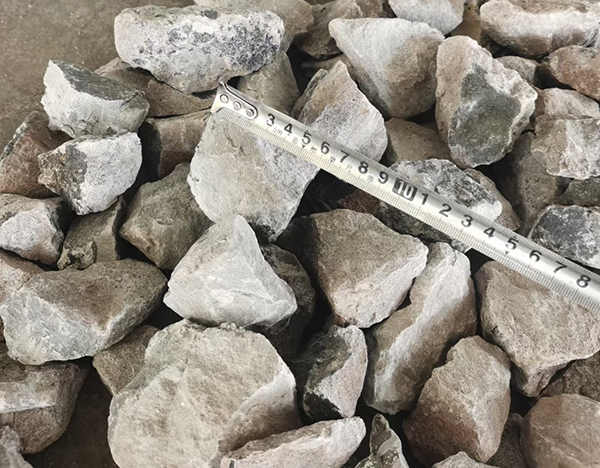
We insist on every pellet meeting the highest standards of purity and size consistency to ensure your acetylene gas stays reliably stable throughout its application — a commitment that reinforces our brand's trustworthiness in every shipment.
Continuous improvements backed by real production data and case studies reveal tangible benefits, including up to 8% enhancement in acetylene yield and reduced operational downtime due to pellet impurities. By partnering with suppliers who rigorously control each link of this intricate chain, industrial users unlock superior performance and safety.
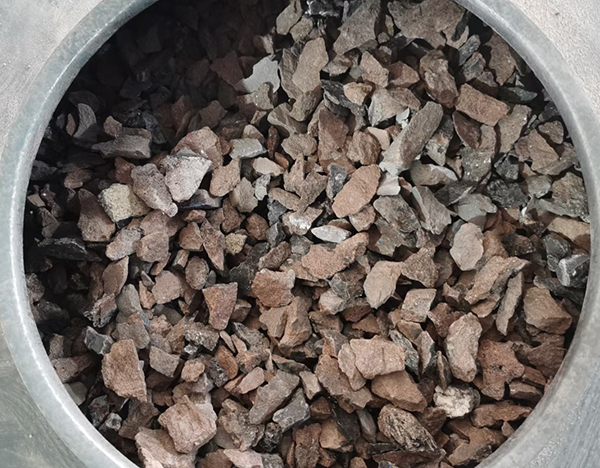
What challenges have you encountered with calcium carbide pellet quality in your production? Share your experiences and questions in the comments below—we’re eager to discuss proven solutions tailored to your needs.
 299
|
299
|
 calcium carbide storage
calcium carbide safety
carbonized calcium handling
chemical warehouse management
carbide transportation safety
82
|
calcium carbide safety handling
acetylene gas explosion prevention
phosphine poisoning control
chemical storage best practices
calcium carbide safety guidelines
499
|
Calcium carbide welding and cutting application
High - purity calcium carbide manufacturer
Calcium carbide production advantages
Acetylene gas generation principle
Industrial - grade calcium carbide supplier
427
|
High-Performance Calcium Carbide
Longwei Chemical
Acetylene Gas Production
Industrial Chemicals
International Chemical Supplier
270
|
calcium carbide
high stability chemicals
industrial welding and cutting
acetylene synthesis
precious metal extraction
supply assurance
calcium carbide storage
calcium carbide safety
carbonized calcium handling
chemical warehouse management
carbide transportation safety
82
|
calcium carbide safety handling
acetylene gas explosion prevention
phosphine poisoning control
chemical storage best practices
calcium carbide safety guidelines
499
|
Calcium carbide welding and cutting application
High - purity calcium carbide manufacturer
Calcium carbide production advantages
Acetylene gas generation principle
Industrial - grade calcium carbide supplier
427
|
High-Performance Calcium Carbide
Longwei Chemical
Acetylene Gas Production
Industrial Chemicals
International Chemical Supplier
270
|
calcium carbide
high stability chemicals
industrial welding and cutting
acetylene synthesis
precious metal extraction
supply assurance







.png?x-oss-process=image/resize,h_600,m_lfit/format,webp)