.png?x-oss-process=image/resize,h_500,m_lfit/format,webp)

Calcium carbide, a critical industrial compound with the chemical formula CaC₂, serves as a vital raw material in numerous manufacturing processes—from acetylene gas production to steelmaking and chemical synthesis. However, this versatile compound presents unique storage challenges due to its extreme reactivity with water. Even minimal moisture exposure can trigger hazardous chemical reactions, compromising product quality, creating safety risks, and leading to significant financial losses. In fact, industry data shows that improper storage conditions account for approximately 23% of calcium carbide quality issues in international trade, with moisture-related damages costing manufacturers an estimated $4.2 million annually in product losses and shipping claims.
Critical Reality:
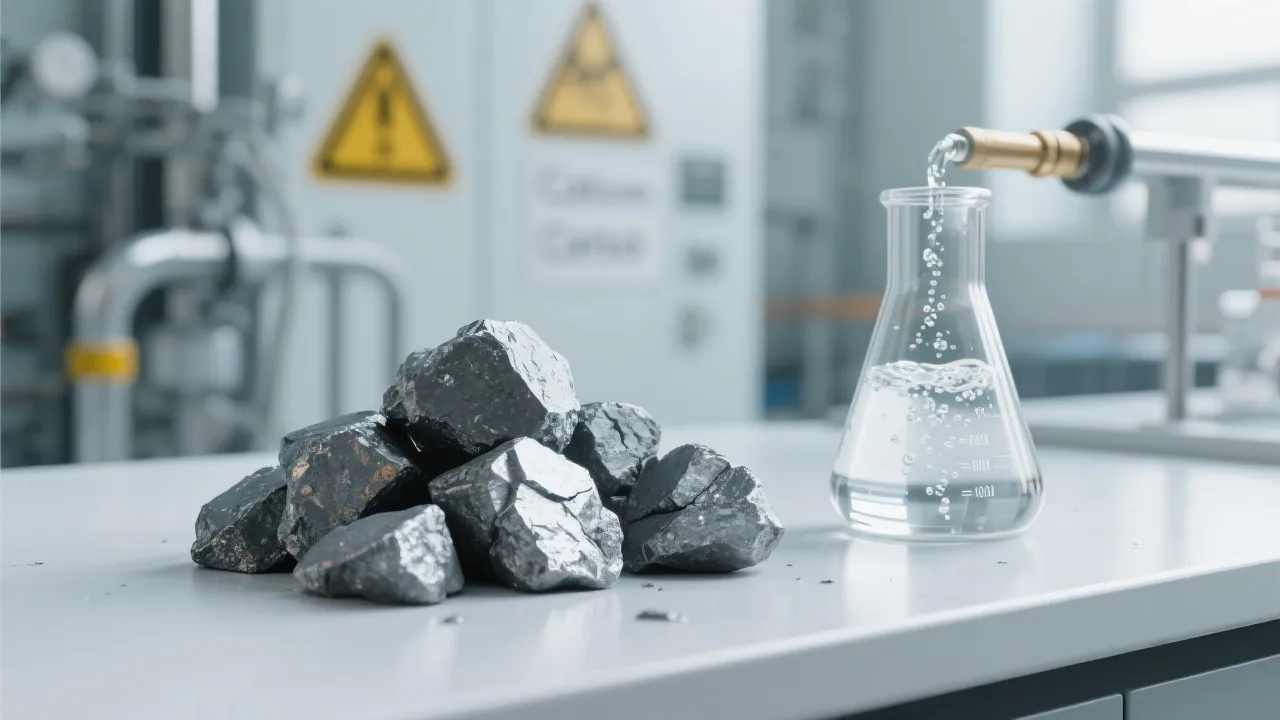
Calcium carbide reacts violently with water to produce acetylene gas—highly flammable with an ignition temperature of just 305°C (581°F). A single 50kg drum exposed to 65% relative humidity can generate up to 300 liters of acetylene within 72 hours, creating explosive pressure buildup.
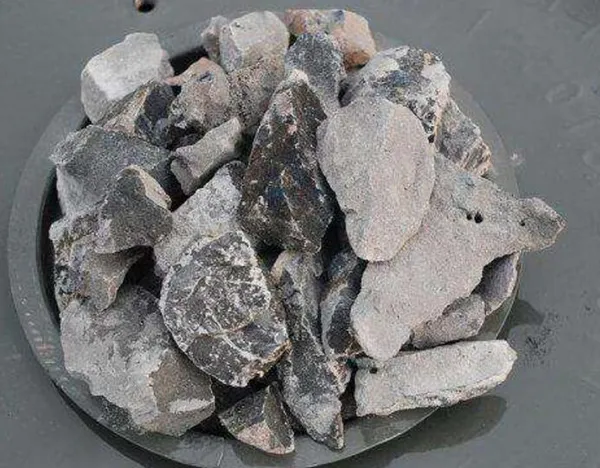
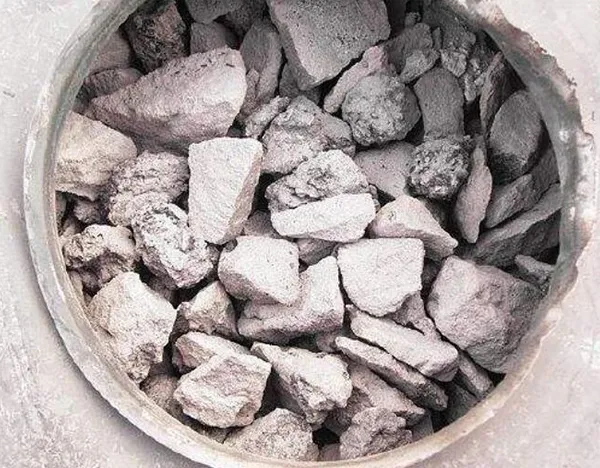
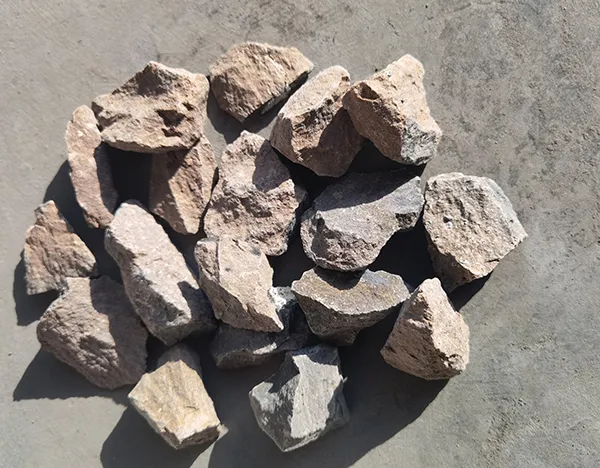
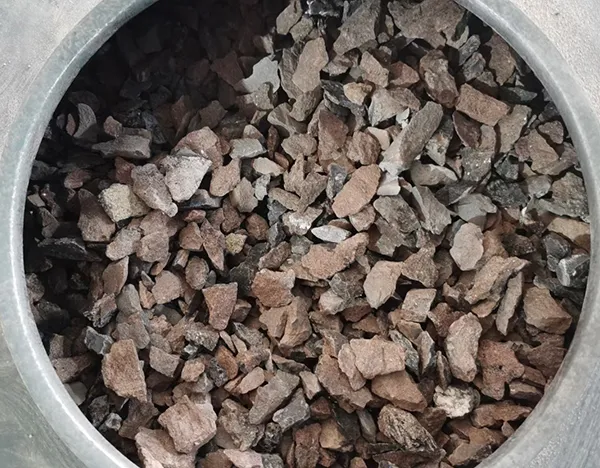
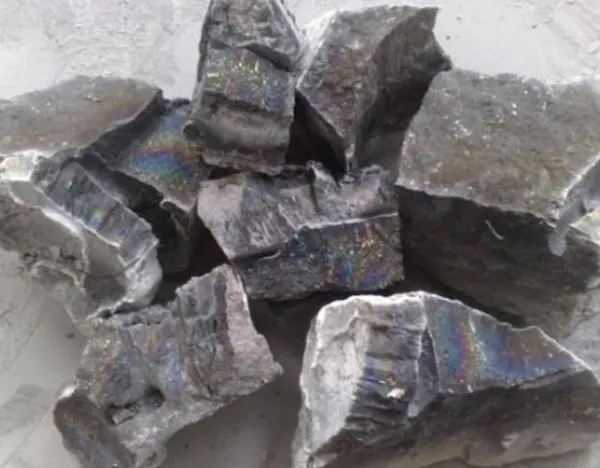
Solid calcium carbide exists as hard, crystalline lumps ranging from 2-50mm in size, with a specific gravity of 2.22. Its moisture sensitivity stems from a fundamental chemical property: when exposed to water vapor or liquid water, it undergoes an exothermic reaction producing acetylene gas (C₂H₂) and calcium hydroxide (Ca(OH)₂). The reaction formula is:
This reaction doesn't require liquid water—ambient humidity alone can initiate it. Studies show that at 75% relative humidity and 25°C, calcium carbide will start hydrolyzing at a rate of 0.03% per hour, leading to progressive degradation of product quality and increased acetylene gas accumulation. For export shipments, which typically take 25-45 days for transoceanic transport, even minimal moisture ingress can result in significant quality deterioration before reaching destination markets.

Maintaining precise humidity levels is the cornerstone of effective calcium carbide storage. Based on ISO 10230:2017 standards for calcium carbide storage, the optimal environmental conditions are:
To achieve these conditions, industrial-grade dehumidification systems are essential. Desiccant dehumidifiers with a capacity of 150-200 liters per day are recommended for storage facilities up to 500m². For larger warehouses, centralized dehumidification systems with humidity monitoring sensors provide the most reliable control. Continuous data logging of humidity levels is mandatory for quality assurance, with digital monitoring systems offering real-time alerts when conditions exceed threshold limits.
Even with optimal warehouse conditions, packaging serves as the first line of defense against moisture intrusion. The packaging must provide an impermeable barrier while allowing for any trace acetylene gas to vent safely. Industry best practices include:
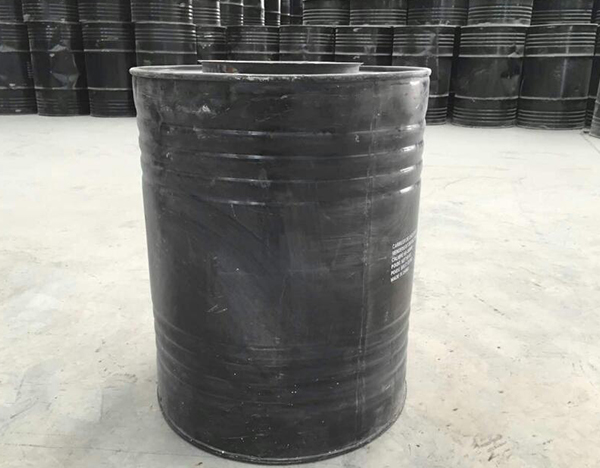
The physical layout and environmental control systems of storage facilities play a critical role in calcium carbide preservation. Key design elements include:
Facility Location and Orientation: Warehouses should be situated on elevated ground with proper drainage to prevent groundwater seepage. Roof design should minimize condensation, with a minimum slope of 3:12 for effective water runoff. South-facing facilities in northern latitudes maximize natural light while minimizing direct sun exposure that could cause temperature fluctuations.
Layout Optimization: Storage areas should be organized to maintain 1.5m clearance between pallet stacks and walls, with 3m aisles for ventilation and emergency access. Calcium carbide should be stored at least 5m away from any water sources, including fire sprinklers, and separated from incompatible materials (acids, oxidizers) by a minimum 10m buffer zone or fire-rated partition.
Ventilation Systems: Mechanical ventilation should operate continuously, with air intakes filtered to remove moisture. For humid climates, pre-conditioning incoming air through cooling coils to reduce absolute humidity before distribution is recommended. Positive pressure within storage areas (5-10 Pa) prevents external moist air infiltration.
Even the best storage infrastructure requires rigorous operational protocols to maintain optimal conditions. A comprehensive management system includes:
Regular training of personnel is equally important. All staff should be certified in chemical handling procedures, with annual refresher courses on calcium carbide properties and emergency response. A study by the Chemical Safety Board found that facilities with documented training programs experienced 67% fewer storage-related incidents compared to those without structured training.
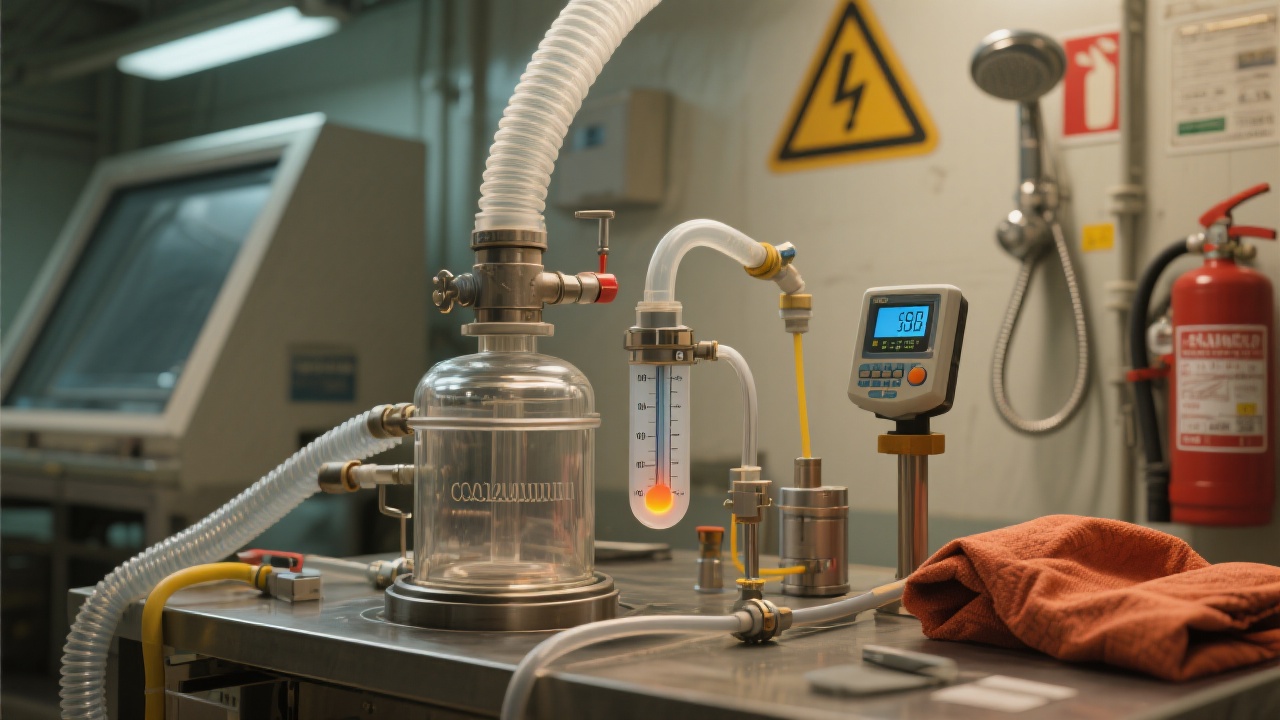
A leading Asian chemical manufacturer recently implemented these moisture control protocols when expanding to European markets. By retrofitting their storage facility with desiccant dehumidification, upgrading to double-sealed drum packaging, and implementing real-time humidity monitoring, they reduced product rejection rates from 8.3% to 1.2% within six months. This improvement translated to approximately $380,000 in annual savings from reduced waste and improved customer satisfaction.
Key to their success was the integration of IoT sensors that provided continuous environmental data, allowing for predictive maintenance of dehumidification systems and early detection of potential moisture issues. The system generated automated alerts when conditions approached threshold limits, enabling proactive intervention before product quality was affected.
Download our comprehensive Calcium Carbide Storage Best Practices Guide featuring detailed technical specifications, equipment选型 recommendations, and audit checklists developed specifically for export-oriented manufacturers.
Access Technical Resource CenterOur team of chemical storage specialists is available for personalized facility assessments and optimization recommendations.
As global supply chains become increasingly complex, maintaining product integrity during storage and transportation has never been more critical. By implementing these science-based moisture control strategies, manufacturers can ensure their calcium carbide products meet the highest quality standards upon arrival at international destinations. The investment in proper storage infrastructure and protocols not only protects against financial losses but also strengthens customer trust and competitive advantage in global markets.
Remember that effective calcium carbide storage is a continuous process requiring regular review and adjustment of protocols based on environmental conditions, product characteristics, and transportation requirements. By staying vigilant and proactive, companies can minimize risks while maximizing the value of their calcium carbide products in the global marketplace.
 476
|
476
|
 calcium carbide reaction with water
acetylene generation mechanism
industrial calcium carbide production
chemical raw materials quality control
oxy-acetylene welding applications
194
|
Calcium carbide reaction mechanism
Calcium carbide application
Acetylene production safety
Rubber and plastic synthesis
Green production management
382
|
calcium carbide storage safety
acetylene gas handling
industrial chemical storage guidelines
electric stone leak response
hazardous material warehouse management
84
|
High-performance calcium carbide
Calcium carbide production process
Acetylene gas generation
Industrial chemical supply
International calcium carbide market
374
|
calcium carbide
organic synthesis
acetylene gas production
chemical raw materials
industrial efficiency
calcium carbide reaction with water
acetylene generation mechanism
industrial calcium carbide production
chemical raw materials quality control
oxy-acetylene welding applications
194
|
Calcium carbide reaction mechanism
Calcium carbide application
Acetylene production safety
Rubber and plastic synthesis
Green production management
382
|
calcium carbide storage safety
acetylene gas handling
industrial chemical storage guidelines
electric stone leak response
hazardous material warehouse management
84
|
High-performance calcium carbide
Calcium carbide production process
Acetylene gas generation
Industrial chemical supply
International calcium carbide market
374
|
calcium carbide
organic synthesis
acetylene gas production
chemical raw materials
industrial efficiency









.png?x-oss-process=image/resize,h_600,m_lfit/format,webp)