.png?x-oss-process=image/resize,h_500,m_lfit/format,webp)

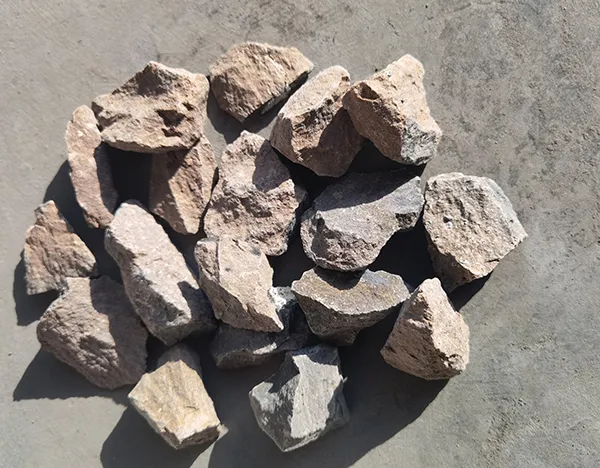
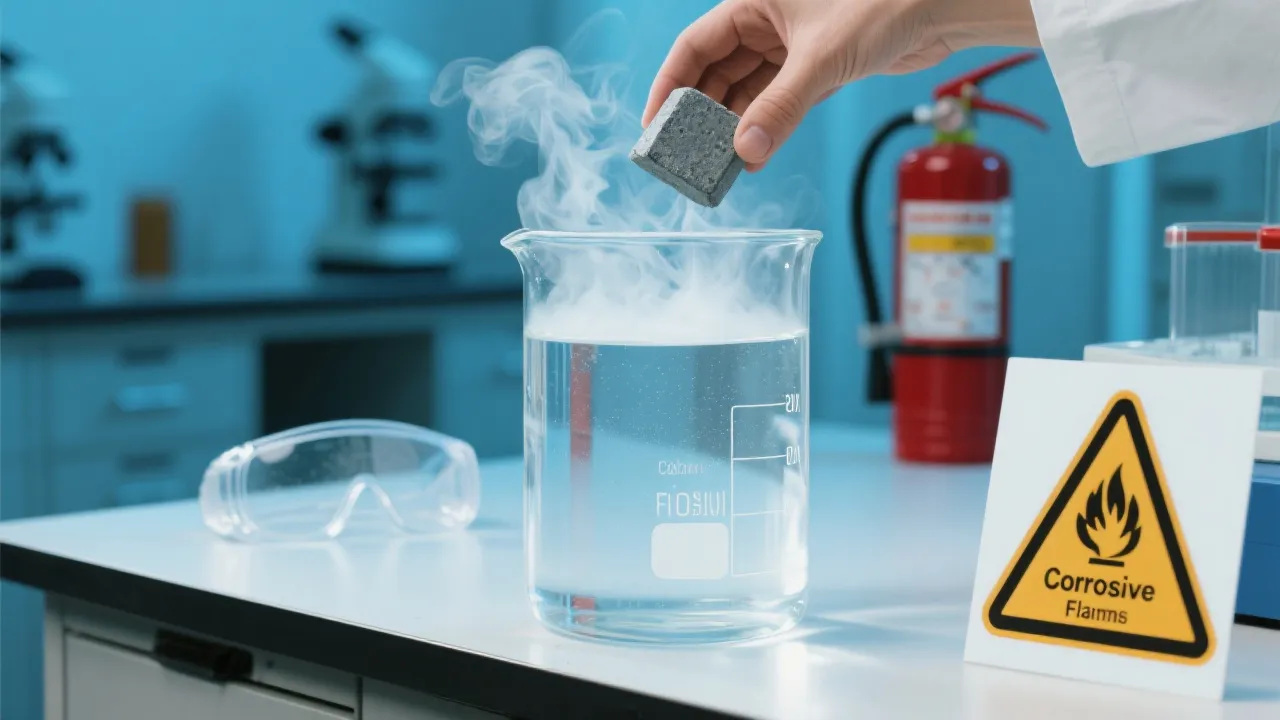
In oxy-acetylene cutting, calcium carbide is often treated as a “simple” raw material—until moisture turns it into a high-energy hazard. Most flash incidents do not start at the torch; they start upstream, when wet carbide reacts too fast, floods the system with acetylene, and pulls the process beyond what the generator, piping, and flashback arrestors can safely handle.
This guide focuses on practical, engineer-friendly control points: raw-material moisture, reactor/generator design, and gas flow discipline. The goal is to reduce the probability of explosive combustion, flashback, and violent pressure surges while keeping cut quality stable.
The fundamental reaction is straightforward:
CaC2 + 2H2O → C2H2 (acetylene) + Ca(OH)2 + heat
Every kilogram of pure calcium carbide can theoretically yield ~0.35 m³ acetylene at standard conditions (practical yields depend on grade, particle size, and generator efficiency).
Moisture beyond the expected level changes the reaction kinetics in two dangerous ways:
In field investigations, “unexpected moisture” is frequently linked with storage failures (humid air ingress, leaking drums, wet scoops) and uncontrolled particle size distribution (too many fines behaving like “instant reaction powder”).
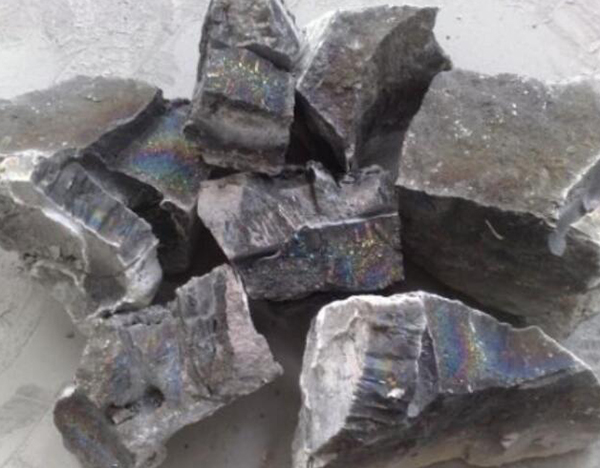
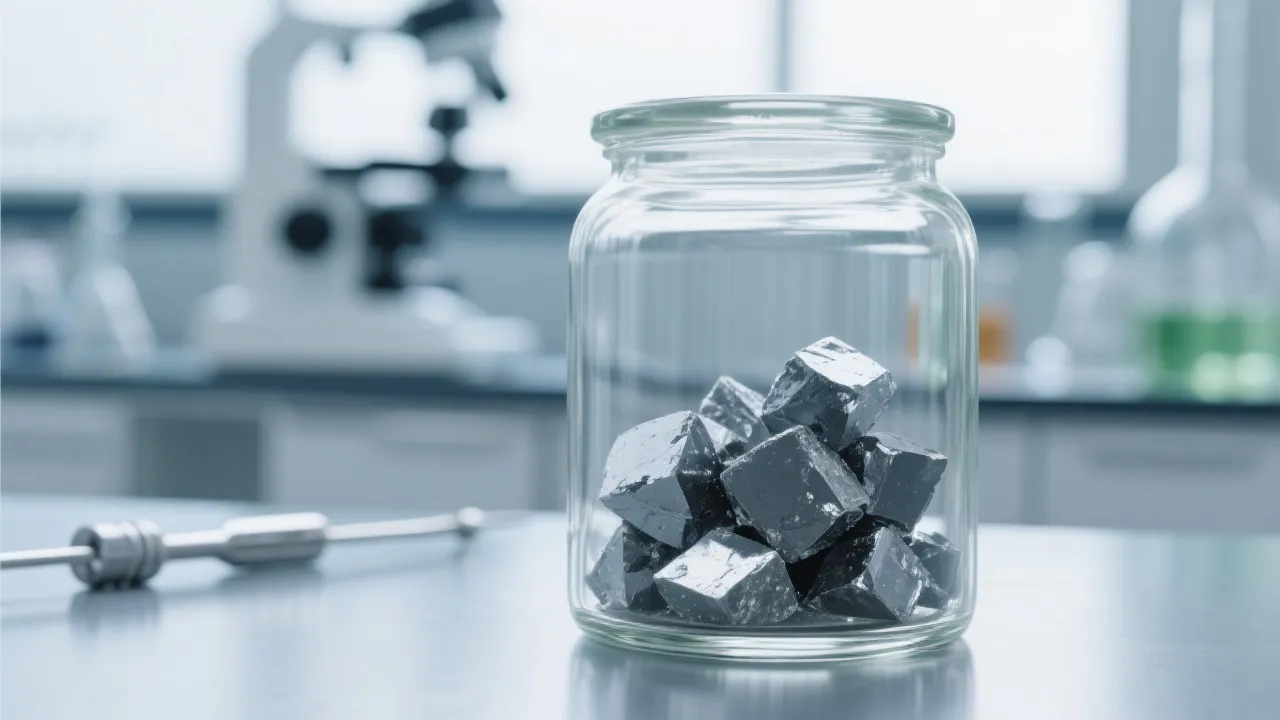
For cutting shops, the best safety ROI typically comes from controlling what enters the generator. A practical moisture program should include incoming inspection, storage discipline, and pre-use conditioning.
Many buyers focus on gas yield (L/kg) but ignore moisture-related handling behavior. Consider adding these checks to receiving:
| Control Item | Typical Target (Reference) | Why It Matters for Safety |
|---|---|---|
| Moisture content (as received) | ≤ 0.2% for stable handling (shop reference baseline) | Reduces “instant wetting” reaction spikes and pressure surges |
| Fines fraction (< 5 mm) | < 10–15% depending on generator type | Fines react fast, can overwhelm flow control and clog lime slurry paths |
| Packaging integrity | No dents, no pinholes, dry seals | Micro-leaks allow humidity uptake; wet drums can trigger runaway reaction on opening |
| Smell/heat on opening | No “garlic-like” acetylene odor, no warmth | Indicates pre-reaction and moisture contact—treat as a near-miss indicator |
Note: Targets vary by national standards and generator design; treat the table as a practical reference to build internal controls and supplier agreements.
Most moisture incidents are not dramatic; they are slow and cumulative. Best-performing shops treat carbide storage like a controlled chemical, not a bulk mineral:
Pre-use conditioning should focus on particle grading and avoiding accidental water introduction, rather than “drying” carbide with heat (which can be unsafe if not engineered properly). Common, field-proven measures include:
If a batch is suspected to be wet (odor, warmth, clumping), isolate it and follow your site’s hazardous materials procedure. In many plants, that means treating it as a controlled disposal item—not a “use it up quickly” opportunity.
Even with good carbide, poor generator design (or poor maintenance) can turn normal reaction heat into an ignition pathway. In oxy-acetylene cutting, key design concepts include heat removal, pressure buffering, and flashback isolation.
Temperature management matters more than many teams realize. When the reaction zone climbs, acetylene output rises, and the likelihood of unstable flow increases. As a reference, many operations aim to keep generator reaction conditions in a stable band (often around 50–80°C depending on equipment), using correct feed rate and water management to prevent hotspots.
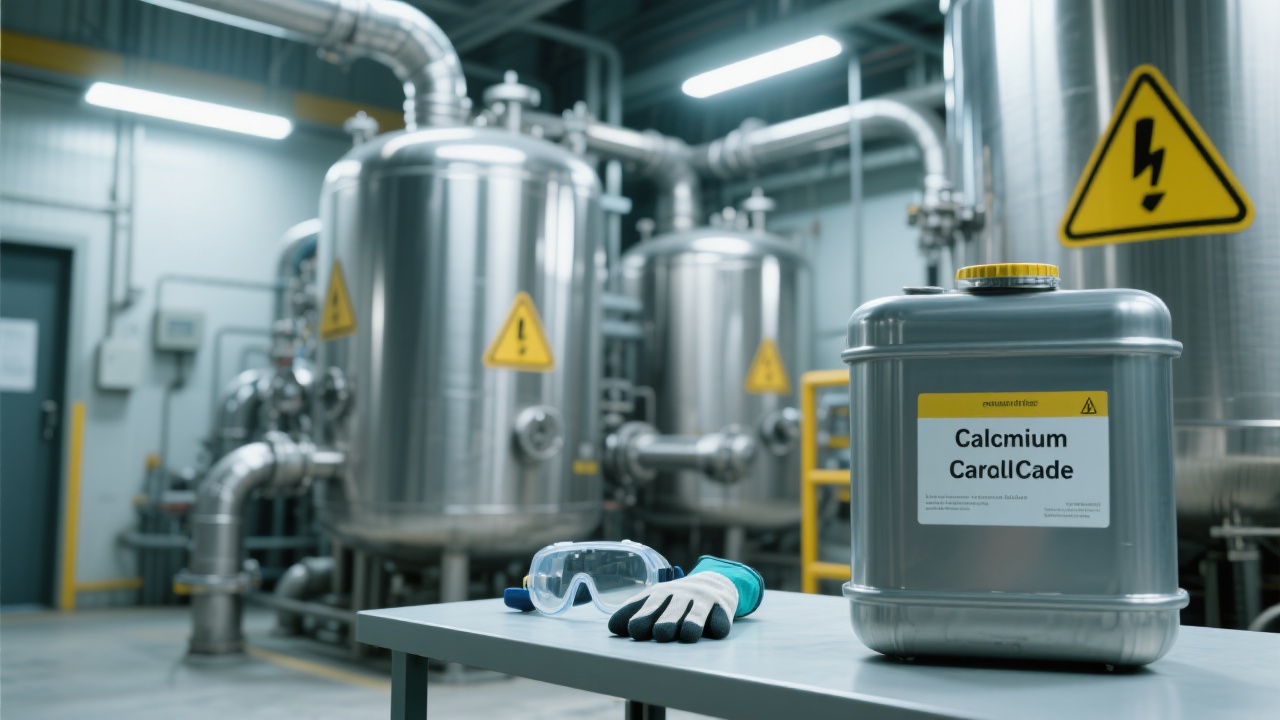
Moisture-driven over-generation becomes dangerous when downstream demand and upstream generation lose synchronization. Good teams standardize flow discipline as an operating culture: stable setpoints, controlled valve actions, and strict attention to abnormal sounds or torch behavior.
Acetylene has a wide flammability range in air—commonly cited around 2.5% to 82% by volume under standard conditions. That wide window is one reason strict leak control and flame isolation are non-negotiable in cutting environments.
(Use local standards and your EHS team’s references for final safety documentation and training materials.)
In practice, “safe flow” is not one number—it’s the relationship between (1) carbide feed rate, (2) water availability and temperature, and (3) the torch’s instantaneous draw. For many cutting lines, a disciplined approach is:
The strongest safety systems are the ones that fit real workflows. The following steps are commonly adopted in metal fabrication shops to reduce moisture-triggered incidents without slowing production.
Where equipment allows, maintaining a consistent size fraction can dramatically smooth gas output. Excess fines often correlate with quicker reaction and higher slurry management burden. Screening is a low-tech step that can prevent high-energy surprises.
Many serious events are preceded by small warnings that get normalized over time. Treat these as stop-work triggers until the cause is identified:
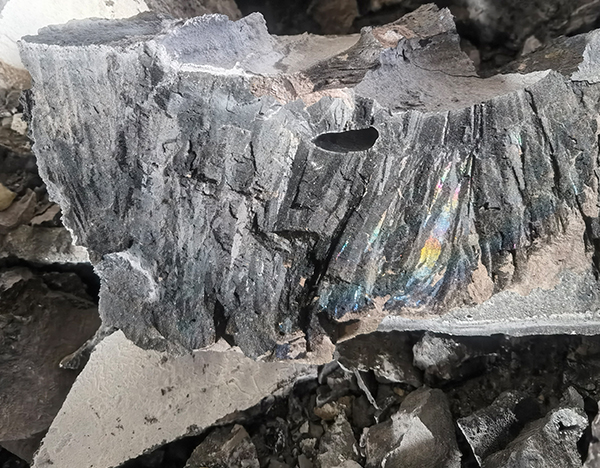
Below is a practical risk checklist used by supervisors to audit routines. The goal is not blame; it is building a system that makes the safe action the easy action.
| Common High-Risk Practice | Why It’s Dangerous | Practical Block |
|---|---|---|
| Storing opened carbide drums near washdown/coolant areas | Humidity and splashes initiate rapid reaction on the surface | Separate “dry zone” with signage and floor markings |
| Feeding carbide in large, irregular batches | Creates acetylene surges, temperature spikes, pressure fluctuations | Batch standardization; smaller charge intervals |
| Ignoring “minor” torch backfires | Backfire can precede flashback if conditions persist | Stop-work rule + inspection checklist + arrestor maintenance |
| Running with clogged slurry discharge | Blockage increases internal pressure and instability | PM schedule; visual level checks; cleaning procedure |
While no material alone guarantees safety, more consistent carbide quality can reduce volatility in gas generation and simplify process control. Many industrial teams specify tighter limits on fines and moisture because it leads to fewer pressure swings, less unplanned maintenance, and smoother torch behavior—especially during long cutting cycles.
As 隆威化工 sees in customer feedback loops, the difference between “usable” and “stable” carbide often shows up in how predictable the generator feels shift after shift—not only in lab numbers.
Learn more calcium carbide best practices for oxy-fuel welding and cutting—material handling, moisture control, particle grading, and generator stability methods used by industrial teams.
Explore our calcium carbide technical columnFor engineering discussions and process-specific recommendations, share your generator type, typical torch load, and current carbide size range.
 204
|
204
|
 calcium carbide desulfurization
electric carbide steel desulfurization
steel quality improvement
Xinjiang steel plant case
desulfurization process optimization
256
|
High-purity calcium carbide
Stable supply of calcium carbide
Quality control of calcium carbide
Calcium carbide for chemical industry
Market advantages of calcium carbide
132
|
High - performance calcium carbide
Calcium carbide export
Acetylene gas production
Longwei Chemical Technology
International industrial chemicals
58
|
calcium carbide
acetylene gas production
safety operation guidelines
chemical reaction mechanisms
reaction equipment selection
117
|
calcium carbide applications
calcium carbide metallurgy use
calcium carbide electrical conductivity
calcium carbide electrode materials
carbide in steelmaking
calcium carbide desulfurization
electric carbide steel desulfurization
steel quality improvement
Xinjiang steel plant case
desulfurization process optimization
256
|
High-purity calcium carbide
Stable supply of calcium carbide
Quality control of calcium carbide
Calcium carbide for chemical industry
Market advantages of calcium carbide
132
|
High - performance calcium carbide
Calcium carbide export
Acetylene gas production
Longwei Chemical Technology
International industrial chemicals
58
|
calcium carbide
acetylene gas production
safety operation guidelines
chemical reaction mechanisms
reaction equipment selection
117
|
calcium carbide applications
calcium carbide metallurgy use
calcium carbide electrical conductivity
calcium carbide electrode materials
carbide in steelmaking






.png?x-oss-process=image/resize,h_600,m_lfit/format,webp)