.png?x-oss-process=image/resize,h_500,m_lfit/format,webp)
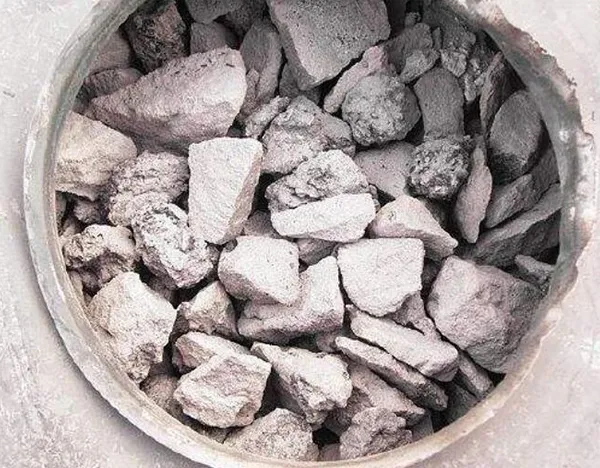
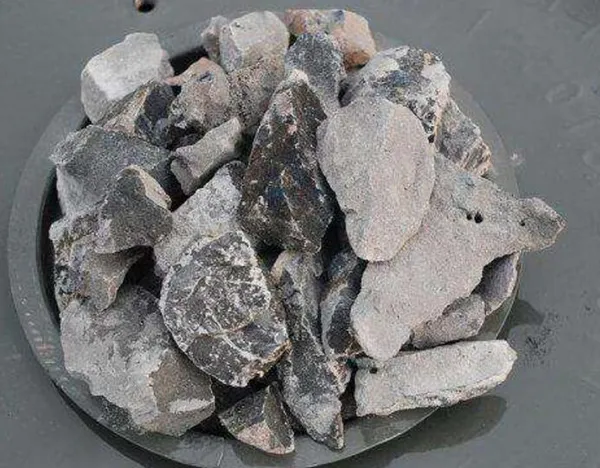
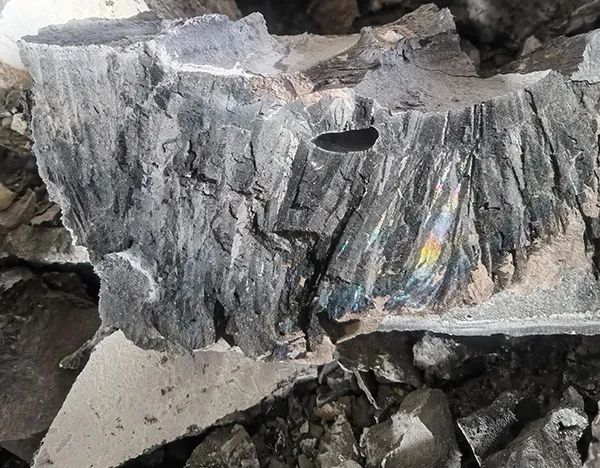
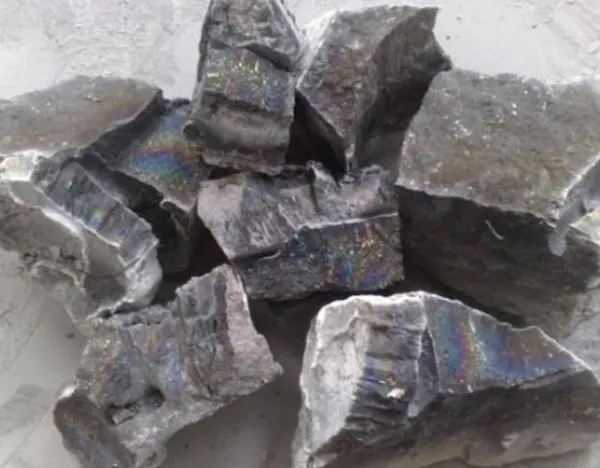
Calcium carbide, also known as calcium acetylide, is a chemical compound with the formula CaC₂. Physically, it is a grayish - black solid with a high melting point of around 2300°C. Chemically, it is highly reactive, especially when it comes into contact with water. When calcium carbide reacts with water, it produces acetylene gas (C₂H₂) and calcium hydroxide (Ca(OH)₂). This reaction is exothermic, releasing a significant amount of heat. Safety is of utmost importance when handling calcium carbide. It should be stored in a dry place, as even a small amount of moisture can trigger the reaction. In industrial settings, workers are required to wear appropriate protective equipment to avoid potential risks.
In the electronics industry, calcium carbide's conductivity properties make it a valuable material. Some electronic components require materials with specific conductive characteristics, and calcium carbide can be used in the production of certain types of electrodes. Its high - temperature stability also allows it to withstand the harsh conditions in some electronic manufacturing processes. In the metallurgy industry, calcium carbide's high melting point is a key advantage. It can be used as a desulfurizing agent in steelmaking. According to industry data, using calcium carbide as a desulfurizing agent can reduce the sulfur content in steel by up to 30%, improving the quality and performance of the steel products.
The production of acetylene gas is one of the most important applications of calcium carbide in the chemical industry. Acetylene is a crucial raw material for the synthesis of various organic compounds. It is used in the production of plastics, rubber, and solvents. For example, in the production of polyvinyl chloride (PVC), acetylene is an essential intermediate. The global demand for PVC is increasing steadily, with an estimated annual growth rate of 5%. This directly drives the demand for calcium carbide as the primary source of acetylene production.
In a large - scale steelmaking plant in Europe, the use of calcium carbide as a desulfurizing agent has significantly improved the quality of steel products. The plant has reported a 25% increase in the production of high - quality steel grades after adopting calcium carbide in its desulfurization process. In the chemical industry, a plastic manufacturing company in Asia has achieved a 20% increase in production efficiency by using acetylene produced from calcium carbide in its PVC production line.
The global calcium carbide market is showing a positive growth trend. The increasing demand from the electronics, metallurgy, and chemical industries is the main driving force. According to market research, the global calcium carbide market size is expected to reach $X billion by 2025, with an average annual growth rate of 4%. In terms of exports, countries in Asia and the Middle East are major exporters. The export volume has been increasing steadily in recent years, driven by the growing demand in emerging economies.
Technological innovation plays a vital role in the development of the calcium carbide industry. New production processes are being developed to improve the efficiency and quality of calcium carbide production. For example, some companies are researching ways to reduce the energy consumption in the production process. Industry cooperation is also crucial. By collaborating with research institutions and other companies, the calcium carbide industry can share knowledge and resources, promoting the overall development of the industry.
Calcium carbide is an indispensable material in multiple key industrial sectors. Its unique physical and chemical properties make it suitable for a wide range of applications. As the global economy continues to develop, the demand for calcium carbide is expected to grow further. We invite you to share your opinions and ask questions about calcium carbide. If you are interested in exploring the potential of calcium carbide in your business, click here to learn more.


.png?x-oss-process=image/resize,h_600,m_lfit/format,webp)