.png?x-oss-process=image/resize,h_500,m_lfit/format,webp)
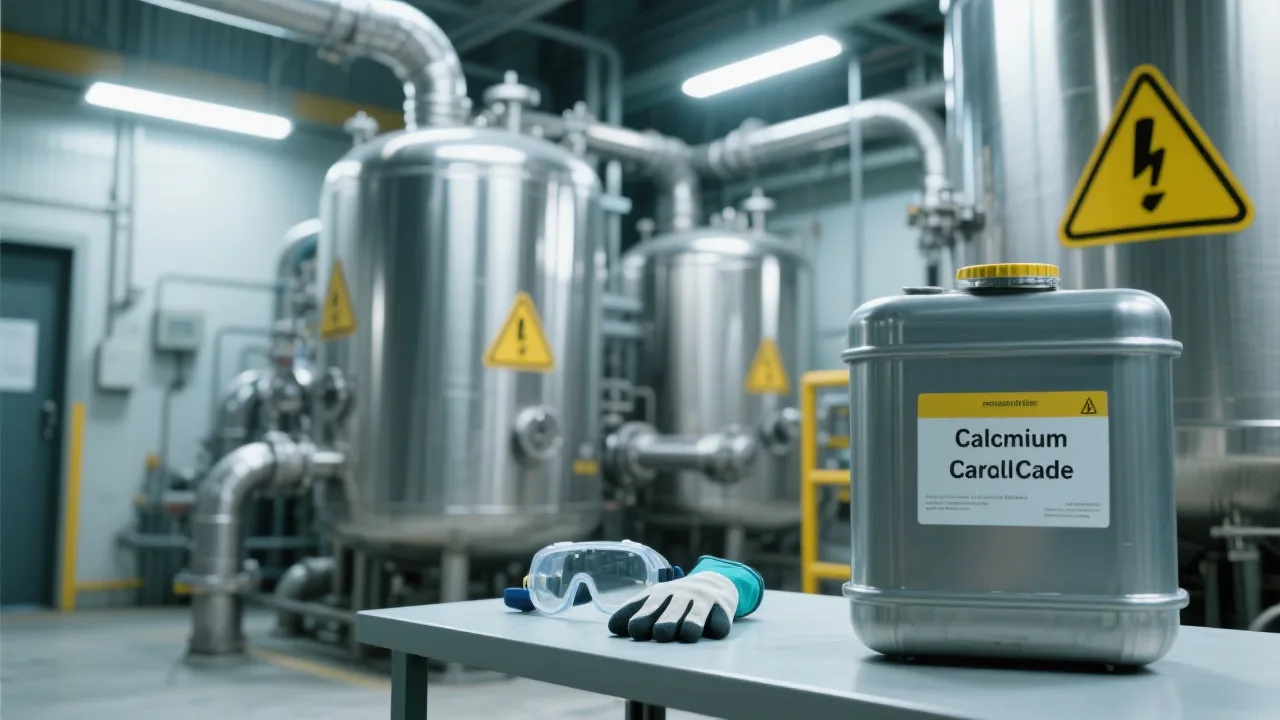
In the steel industry, managing sulfur content in hot metal is critical for achieving superior steel quality. Selecting an effective desulfurization agent can dramatically influence product performance and production costs. This guide offers an in-depth exploration of calcium carbide, lime, and magnesite as desulfurizing agents, focusing on their chemical reaction mechanisms, operational parameters, efficiency, costs, and byproduct management, with particular emphasis on treating high-sulfur hot metal.
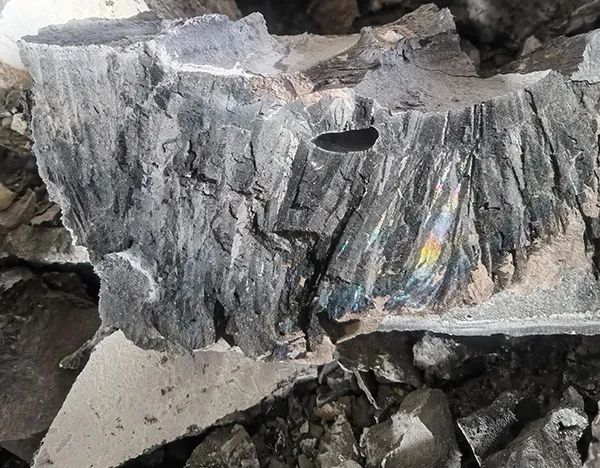
Calcium carbide (CaC2) reacts with the sulfur dissolved in molten iron through the reaction:
CaC2 + S → CaS + 2C
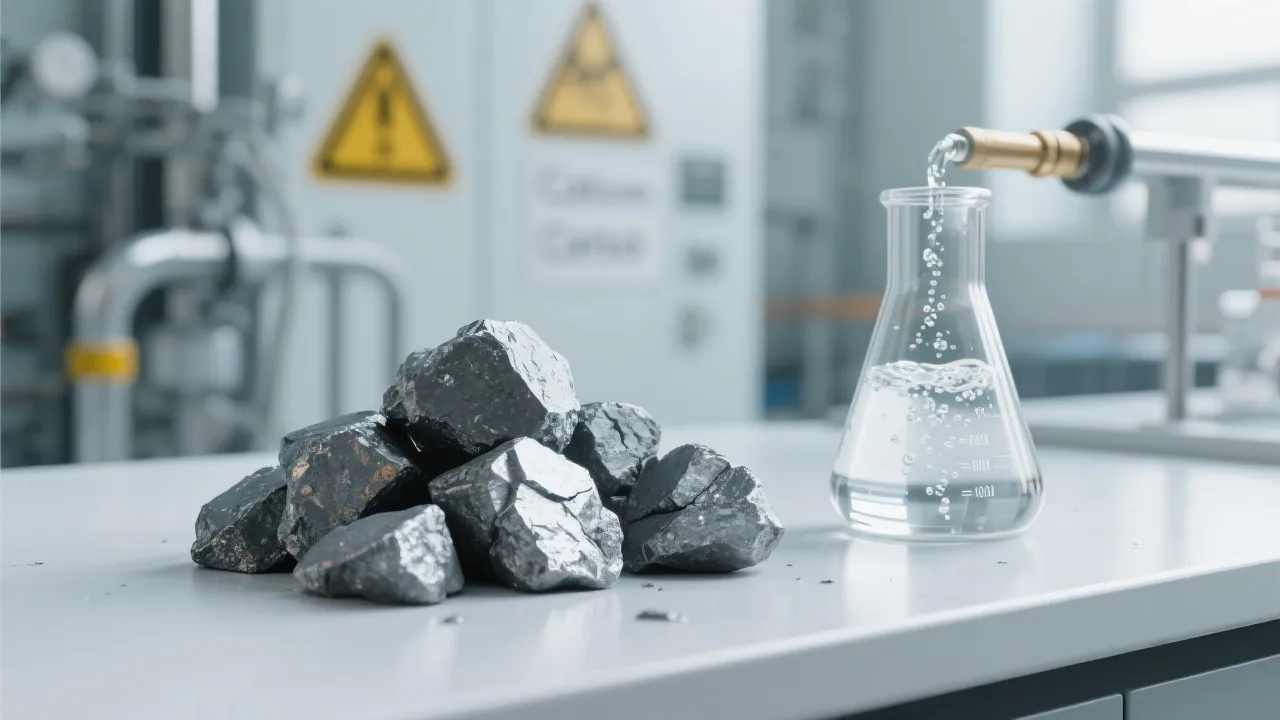
The reaction produces calcium sulfide (CaS), a slag component, and carbon, which can further contribute to raising carbon content in steel. The acetylene gas (C2H2) generation is a side reaction under certain conditions and requires careful safety management. The strong affinity of calcium ions for sulfur facilitates highly efficient sulfur removal, especially in hot metal with sulfur content exceeding 0.05%.
| Parameter | Calcium Carbide | Lime (CaO) | Magnesite (MgCO3) |
|---|---|---|---|
| Desulfurization Efficiency | High (up to 85-90%) | Moderate (60-70%) | Moderate to Low (50-65%) |
| Operational Cost | Medium (competitive pricing) | Low | High (energy intensive processing) |
| Byproduct Handling | Requires acetylene gas safety management | Slag management straightforward | Slag contains magnesium compounds; moderate complexity |
| Suitability for High-Sulfur Hot Metal | Excellent | Limited | Limited |
Accurate sulfur content measurement is vital for process control. Several analytical techniques are recommended:
A steel plant treating hot metal with 0.12% sulfur switched from lime to calcium carbide-based desulfurizers. Within three months:
Ambient temperature and humidity affect agent storage and reaction rates. During colder months, preheating calcium carbide before addition enhances efficiency. Adjusting dosage based on daily laboratory sulfur monitoring stabilizes output quality despite environmental fluctuations.
Interested in maximizing your steel desulfurization efficiency and cost-effectiveness? Explore Longwei Chemical’s premium calcium carbide products, featuring robust production capacity, competitive pricing, and reliable on-time delivery. Empower your steelmaking process with tailored technical support and ensure optimal sulfur control.
 200
|
200
|
 high purity calcium carbide
calcium carbide safety
calcium carbide for chemical industry
calcium carbide conductivity
calcium carbide supplier
456
|
Calcium Carbide
high-stability chemicals
industrial raw materials
65
|
Calcium carbide characteristics
Calcium carbide storage methods
Calcium carbide application fields
Industrial acetylene raw materials
Chemical safety management
422
|
solid calcium carbide storage
calcium carbide moisture control
industrial chemical storage standards
calcium carbide safety storage
carbide leakage emergency response
232
|
High - purity calcium carbide
Calcium carbide applications
Calcium carbide quality control
Calcium carbide suppliers
Industrial - grade calcium carbide
high purity calcium carbide
calcium carbide safety
calcium carbide for chemical industry
calcium carbide conductivity
calcium carbide supplier
456
|
Calcium Carbide
high-stability chemicals
industrial raw materials
65
|
Calcium carbide characteristics
Calcium carbide storage methods
Calcium carbide application fields
Industrial acetylene raw materials
Chemical safety management
422
|
solid calcium carbide storage
calcium carbide moisture control
industrial chemical storage standards
calcium carbide safety storage
carbide leakage emergency response
232
|
High - purity calcium carbide
Calcium carbide applications
Calcium carbide quality control
Calcium carbide suppliers
Industrial - grade calcium carbide







.png?x-oss-process=image/resize,h_600,m_lfit/format,webp)