.png?x-oss-process=image/resize,h_500,m_lfit/format,webp)

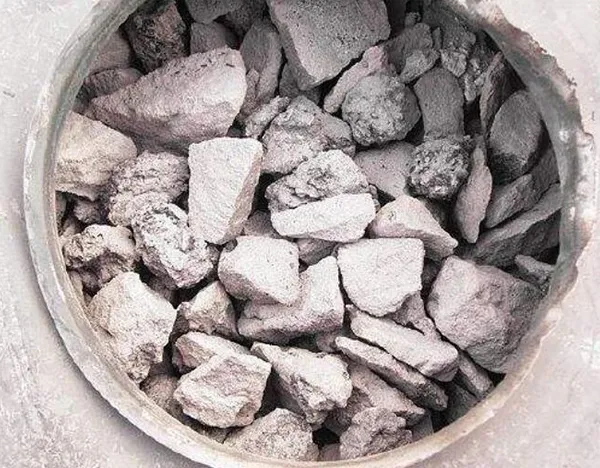
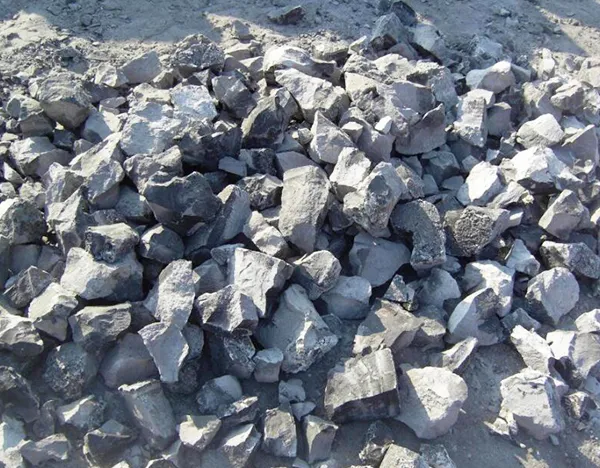
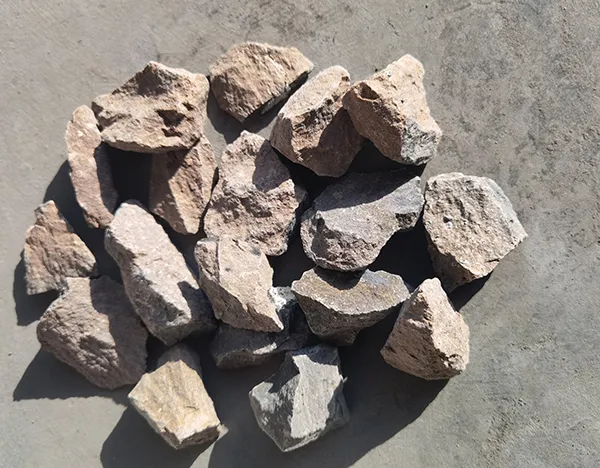
Calcium carbide, a chemical compound composed of calcium and carbon, is a key industrial raw material. Its chemical formula is CaC₂. With a high melting point and strong chemical reactivity, calcium carbide has unique advantages in various industrial applications. According to a report from the International Chemical Industry Association, the global demand for calcium carbide has been growing steadily at an annual rate of about 5% in the past five years.
One of the most significant advantages of calcium carbide is its ability to react with water to produce acetylene gas. Acetylene is a crucial industrial gas used in welding, cutting, and as a raw material for the synthesis of various organic compounds. In addition, high - purity calcium carbide can improve the stability and safety of industrial processes, reducing the occurrence of production accidents.
Calcium carbide is widely used in steel mills. In a large - scale steel mill in Europe, the use of high - purity calcium carbide has increased the efficiency of the steelmaking process by 15%. By adding calcium carbide to the molten steel, impurities such as sulfur and phosphorus can be effectively removed, improving the quality of the steel. The steel mill has reported a significant reduction in production costs and an increase in product competitiveness in the international market.
Acetylene producers rely heavily on calcium carbide as a raw material. A leading acetylene producer in Asia has been using our high - quality calcium carbide for many years. The use of high - purity calcium carbide has increased the yield of acetylene production by 12% and improved the purity of acetylene to over 99%. This has enabled the producer to meet the strict quality requirements of customers in the electronics and automotive industries.
Calcium carbide also plays an important role in the production of electronic materials. A well - known electronic materials manufacturer in North America has successfully used calcium carbide in the synthesis of a new type of semiconductor material. The use of calcium carbide has improved the performance of the semiconductor material, increasing its conductivity by 20%. This has opened up new opportunities for the development of high - performance electronic devices.
The demand for calcium carbide in the metallurgical, chemical, and electronics industries is expected to continue to grow in the coming years. According to a market research report, the global market for calcium carbide is expected to reach $XX billion by 2025, with a compound annual growth rate of 6%. Although there are some substitute materials in the market, calcium carbide still has strong competitiveness due to its unique chemical properties and cost - effectiveness.
Looking ahead, calcium carbide has great potential in new application scenarios. For example, in the field of new energy, calcium carbide can be used in the production of new - type batteries. In addition, with the development of nanotechnology, the use of calcium carbide in the synthesis of nanomaterials is also an area worthy of exploration.
High - purity calcium carbide is crucial for improving process stability and safety. In industrial production, the use of high - purity calcium carbide can reduce the occurrence of side reactions, improve product quality, and ensure the safety of workers. A study has shown that the use of high - purity calcium carbide can reduce the accident rate in the production process by 30%.
Now, here's a question for you: Have you considered using calcium carbide in your industry? If you have any questions or need more information, feel free to leave a comment below.


.png?x-oss-process=image/resize,h_600,m_lfit/format,webp)