.png?x-oss-process=image/resize,h_500,m_lfit/format,webp)
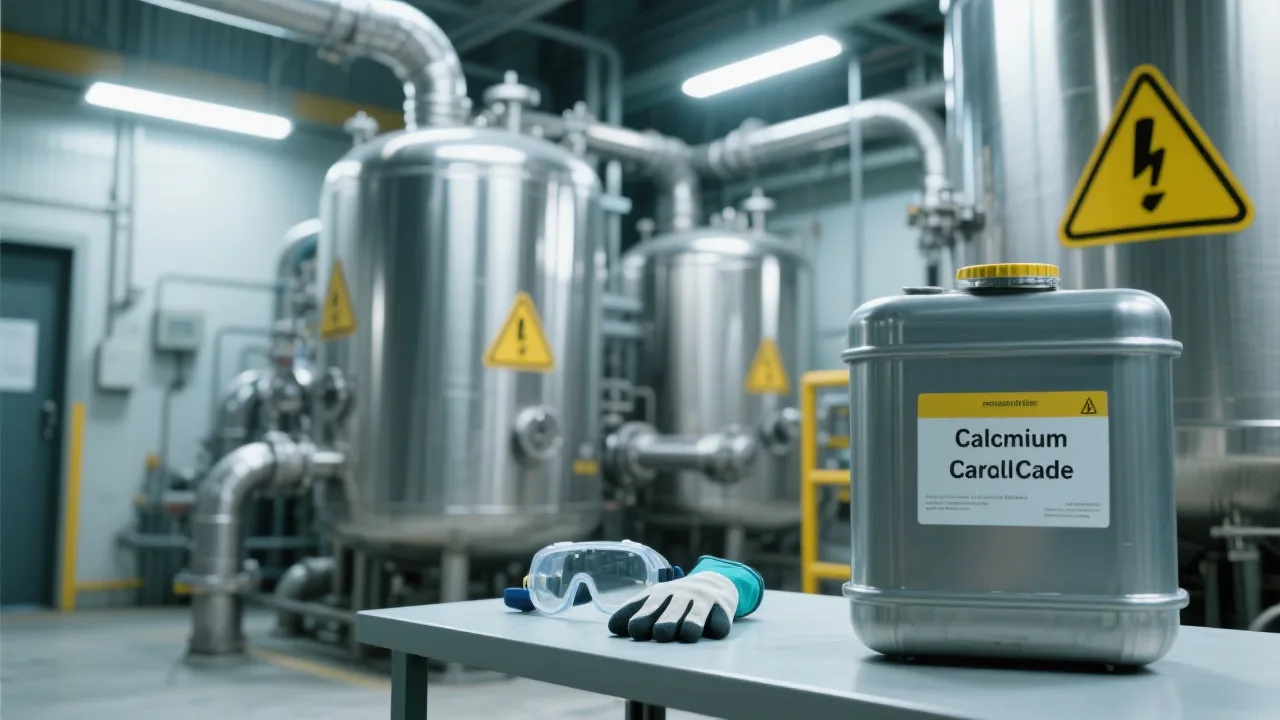
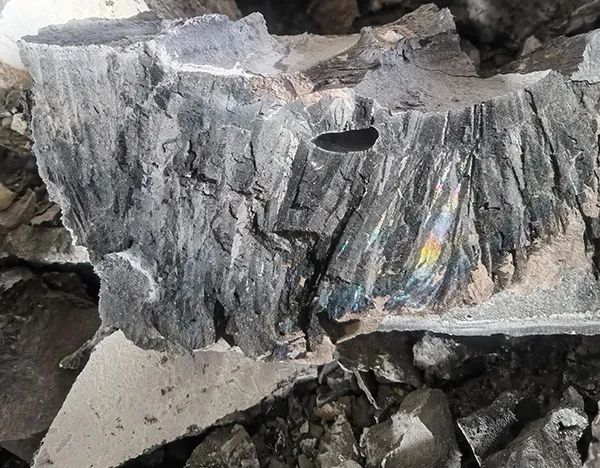
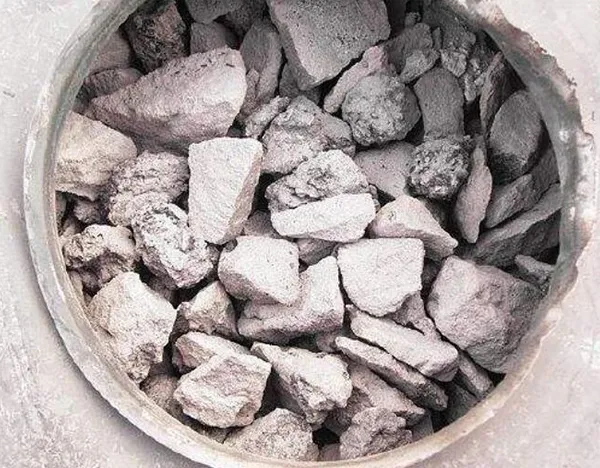
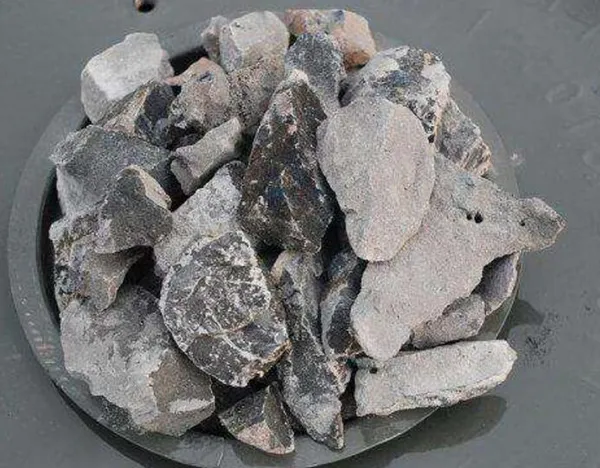
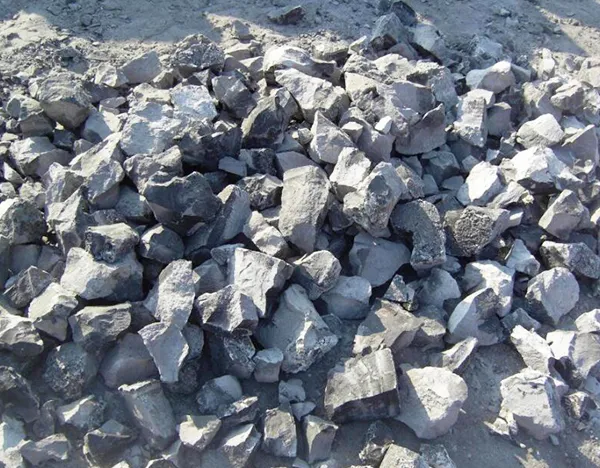
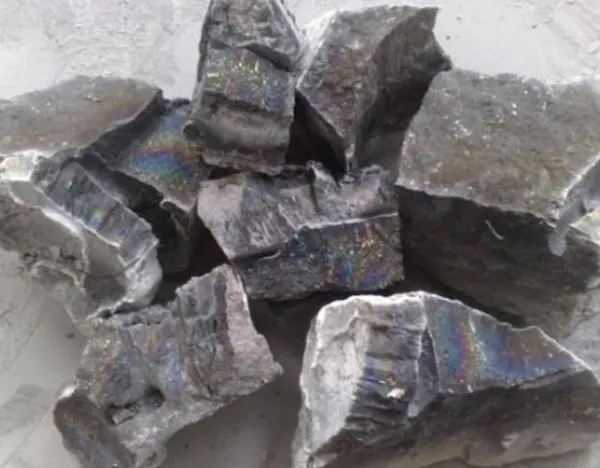
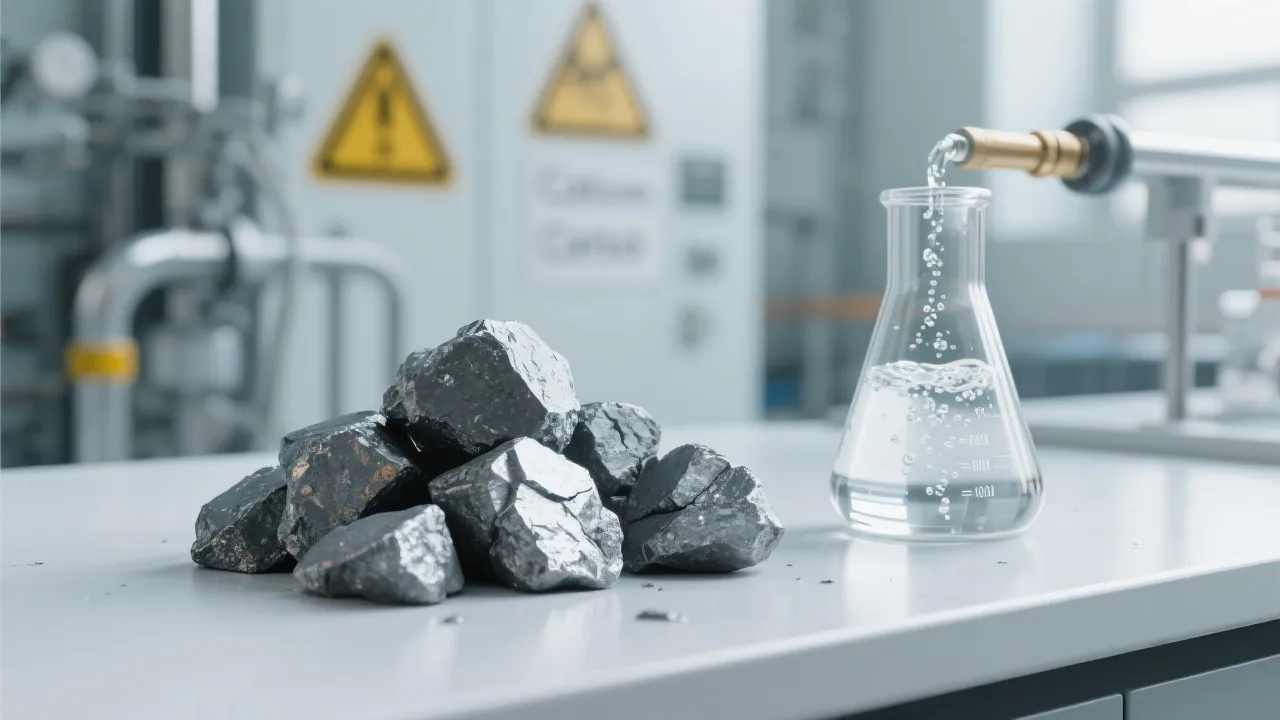
Calcium carbide (CaC2), commonly known as carbide or “electric stone,” reacts vigorously with water to produce acetylene gas (C2H2) and calcium hydroxide, as per the chemical equation:
CaC2 + 2H2O → C2H2 + Ca(OH)2 + heat
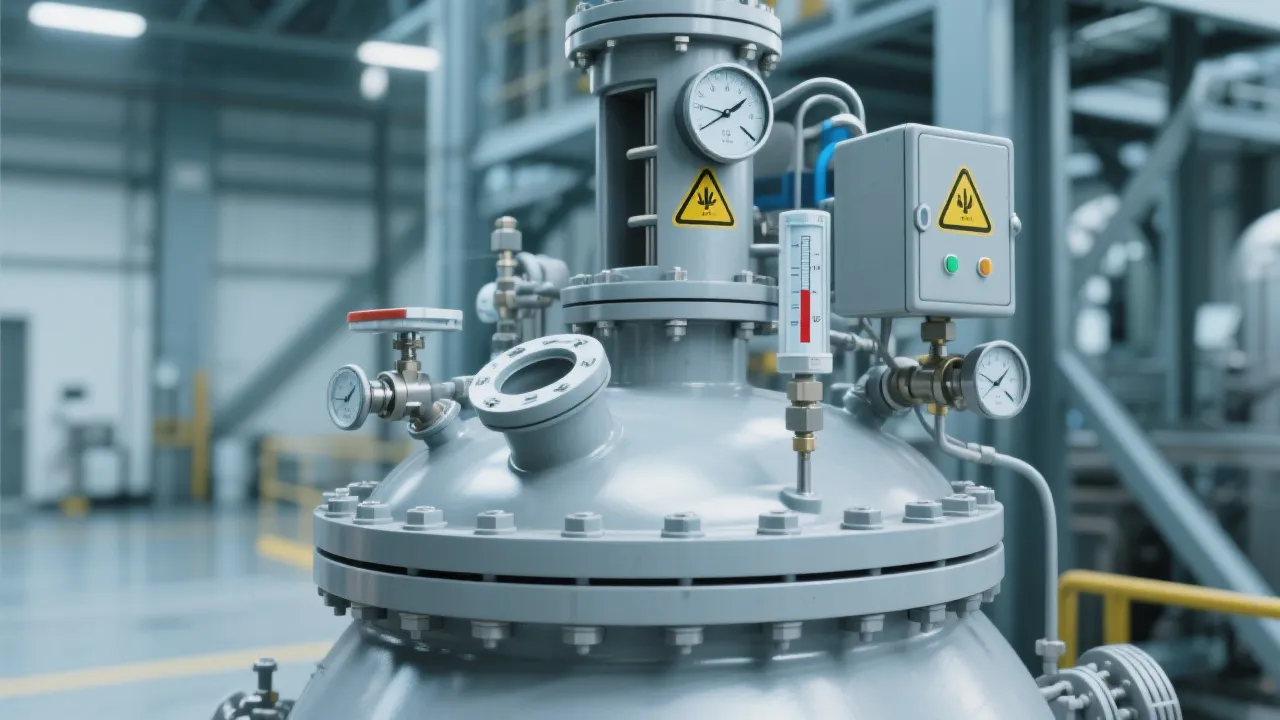
This reaction is highly exothermic, releasing significant heat which can increase pressure inside containment vessels and pose risks including equipment damage, gas accumulation, and potential explosions if improperly managed.
Industrial-scale acetylene production uses this reaction but carries inherent hazards due to acetylene’s explosive nature when mixed with air. Accidents often arise from uncontrolled water addition, poor ventilation, or lack of proper explosion-proof equipment.
Case Highlight: In one documented incident, rapid over-addition of water caused a sudden pressure spike leading to vessel rupture and fire. Fortunately, prior compliance with safety protocols minimized casualties and damage.
To mitigate risks, strict control over water dosing is essential. The recommended water-to-calcium carbide mass ratio should be maintained precisely (typically near 2:1 stoichiometric ratio) to control reaction rate and heat generation. Gradual dosing combined with continuous stirring prevents localized overheating.
Environmental parameters like temperature and humidity directly affect reaction kinetics. Industrial plants should maintain ambient temperatures between 15–25 °C and relative humidity below 60% to stabilize reaction rates and reduce moisture ingress in storage.
Robust ventilation systems designed per GB 190 and HG/T 2537 standards are crucial. These include explosion-proof fans, gas monitoring systems, and automatic shutdown controls for hazardous acetylene concentration detection.
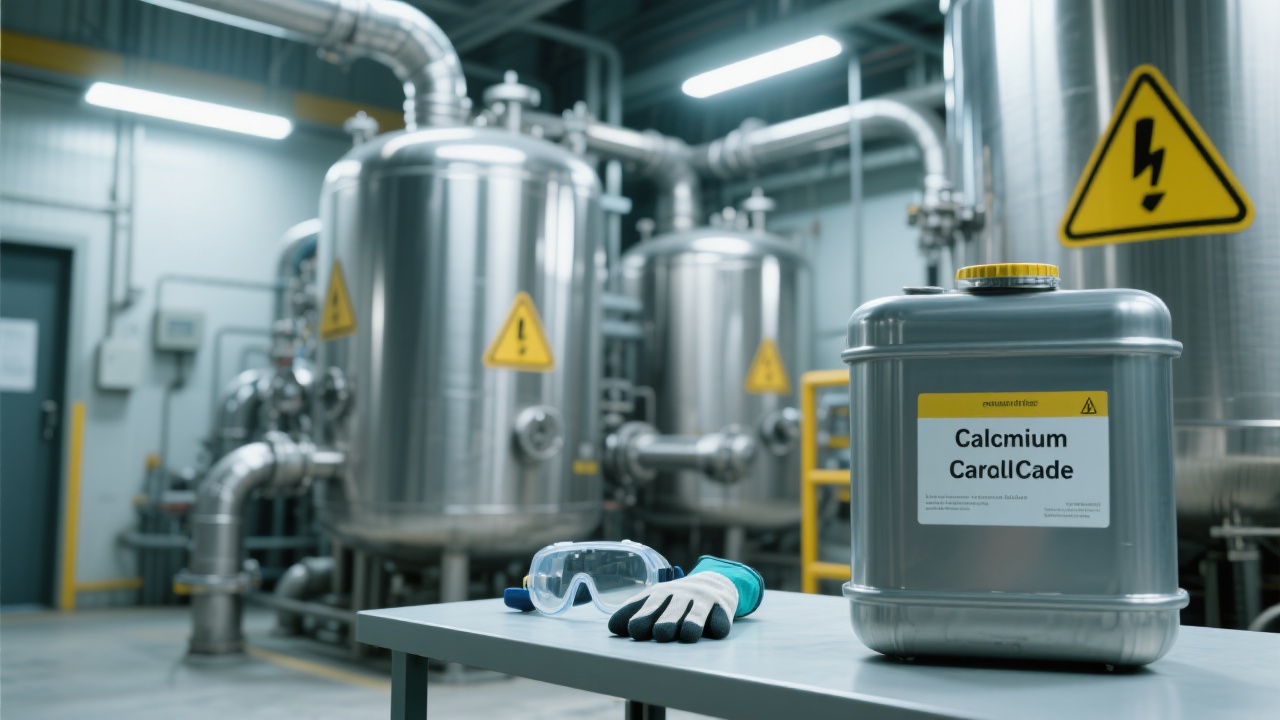
Immediate steps on detecting abnormal conditions include:
Regular drills and clear signage enhance operator preparedness. Online monitoring of gas concentration and temperature offers real-time feedback, enabling proactive intervention.
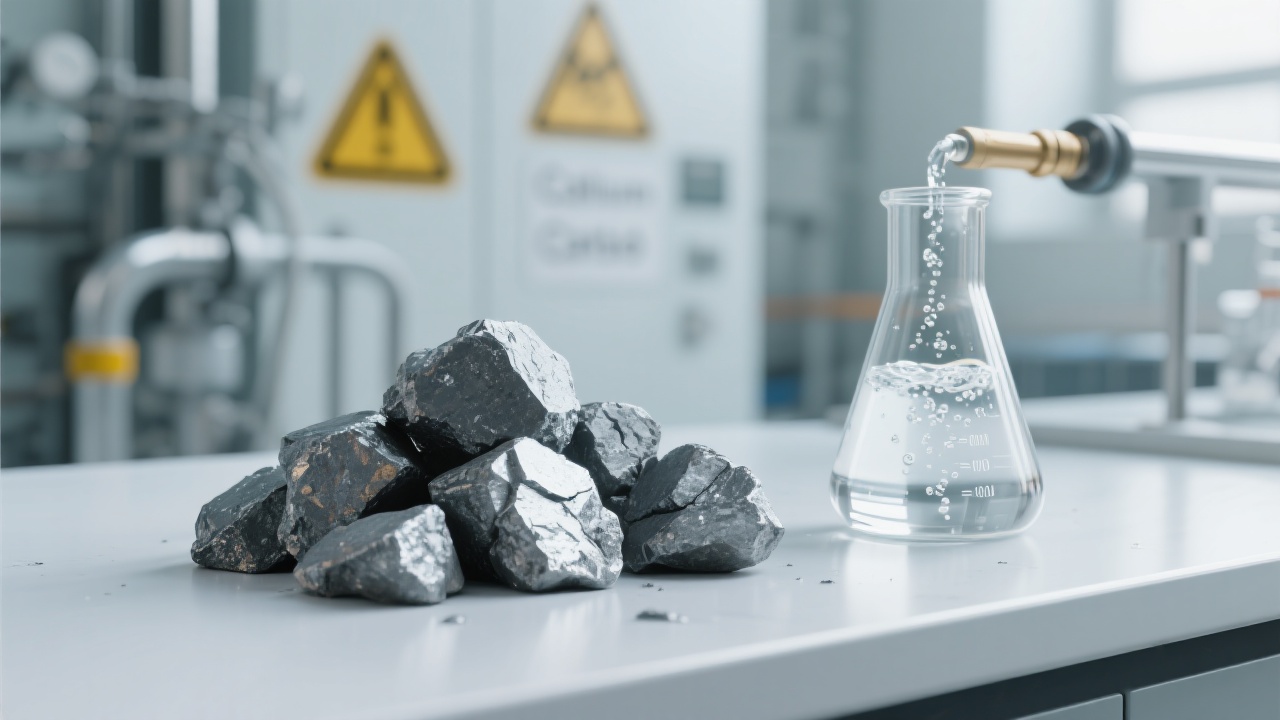
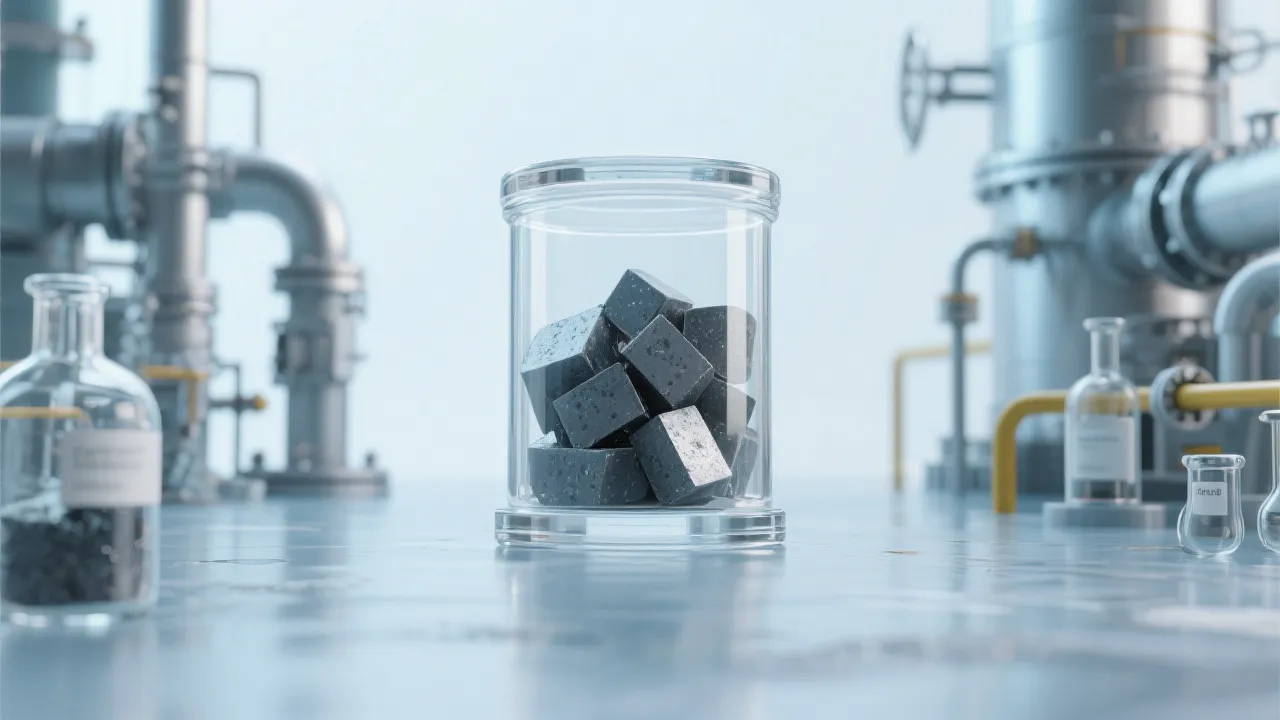
Calcium carbide must be stored in dry, well-ventilated, and sealed containers to prevent moisture contact which triggers unwanted reactions. It should be located away from acids, oxidizers, and ignition sources.
Routine inspections include checking for container integrity, humidity control systems, and proper labeling per relevant regulations. Documentation of inspections and corrective actions supports compliance and continuous safety improvement.

Adhering to Chinese GB 190 for hazardous chemicals handling and HG/T 2537 for acetylene production processes ensures legal compliance and heightened operational safety. These standards provide detailed guidelines on equipment certification, process controls, and emergency preparedness.
Our company rigorously follows these safety protocols, backed by our annual calcium carbide production capacity exceeding 100,000 tons, guaranteeing stable supply without compromising on safety and quality standards.
Have you encountered challenges with calcium carbide handling or acetylene generation? Share your insights or questions below to join the discussion and improve industry safety together.
 433
|
433
|
 calcium carbide desulfurization
steel industry desulfurization
calcium carbide slag removal
desulfurization process optimization
electric arc furnace desulfurization
319
|
Calcium carbide storage
Temperature and humidity control
Calcium carbide warehouse management
Safe storage
Inner Mongolia Longwei Chemical
35
|
High - purity calcium carbide
Inner Mongolia calcium carbide
Chemical raw material supply
Calcium carbide customer cases
Calcium carbide quality control
186
|
calcium carbide production capacity
high purity calcium carbide
global calcium carbide supply chain
calcium carbide for welding
industrial calcium carbide applications
332
|
calcium carbide
high-stability chemicals
industrial conductive materials
calcium carbide desulfurization
steel industry desulfurization
calcium carbide slag removal
desulfurization process optimization
electric arc furnace desulfurization
319
|
Calcium carbide storage
Temperature and humidity control
Calcium carbide warehouse management
Safe storage
Inner Mongolia Longwei Chemical
35
|
High - purity calcium carbide
Inner Mongolia calcium carbide
Chemical raw material supply
Calcium carbide customer cases
Calcium carbide quality control
186
|
calcium carbide production capacity
high purity calcium carbide
global calcium carbide supply chain
calcium carbide for welding
industrial calcium carbide applications
332
|
calcium carbide
high-stability chemicals
industrial conductive materials






.png?x-oss-process=image/resize,h_600,m_lfit/format,webp)