.png?x-oss-process=image/resize,h_500,m_lfit/format,webp)
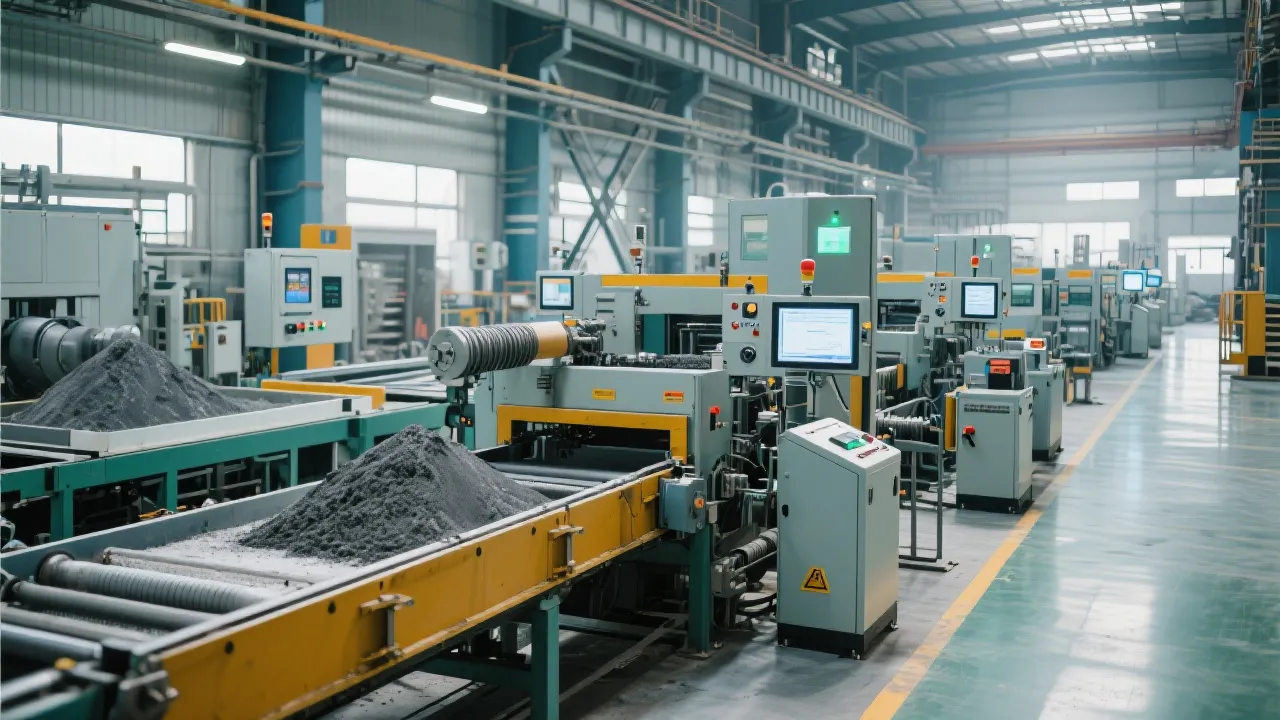
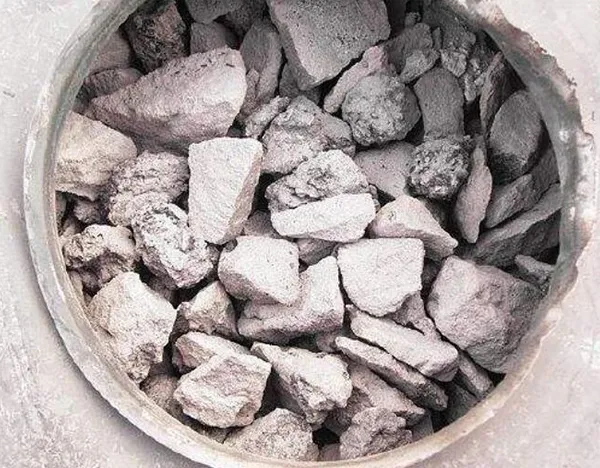
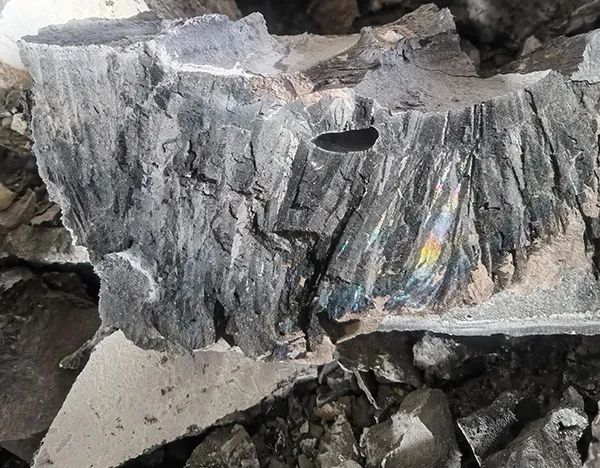
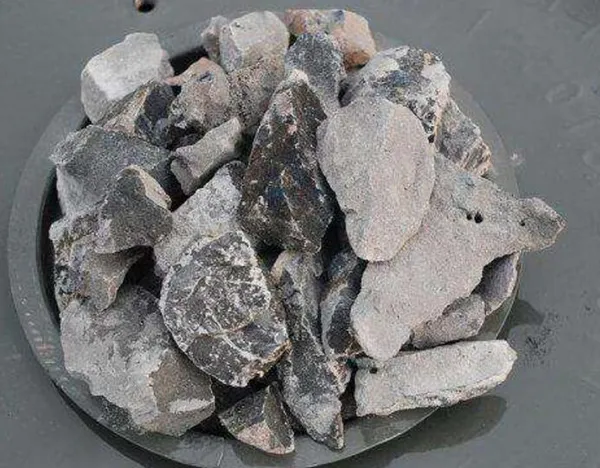
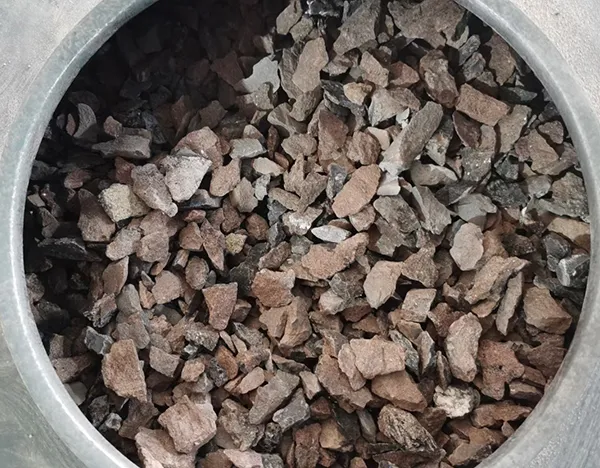
In the competitive realm of steel manufacturing, effective desulfurization is a critical step to ensure superior steel quality. Calcium carbide (CaC₂), commonly known as electric stone or “carbide,” plays a pivotal role in sulfur removal during steel production. This article explores the chemical mechanism underpinning calcium carbide’s interaction with sulfur within high-temperature environments, focusing on operational parameters that significantly influence desulfurization efficiency in Xinjiang steel factories.
Calcium carbide acts as a sulfur scavenger in molten steel, engaging in complex chemical reactions that transform sulfur impurities into calcium sulfide (CaS), which can then be removed. The primary reaction can be summarized as:
CaC₂ + S → CaS + C
This reaction occurs efficiently in high-temperature molten steel environments generally above 1600°C. The reactivity and kinetics of this process are sensitive to variables such as temperature stability, particle size of calcium carbide, and the precise timing of its introduction into the molten metal.
Based on case analyses from Xinjiang steel plants, several crucial parameters directly affect the desulfurization outcome:
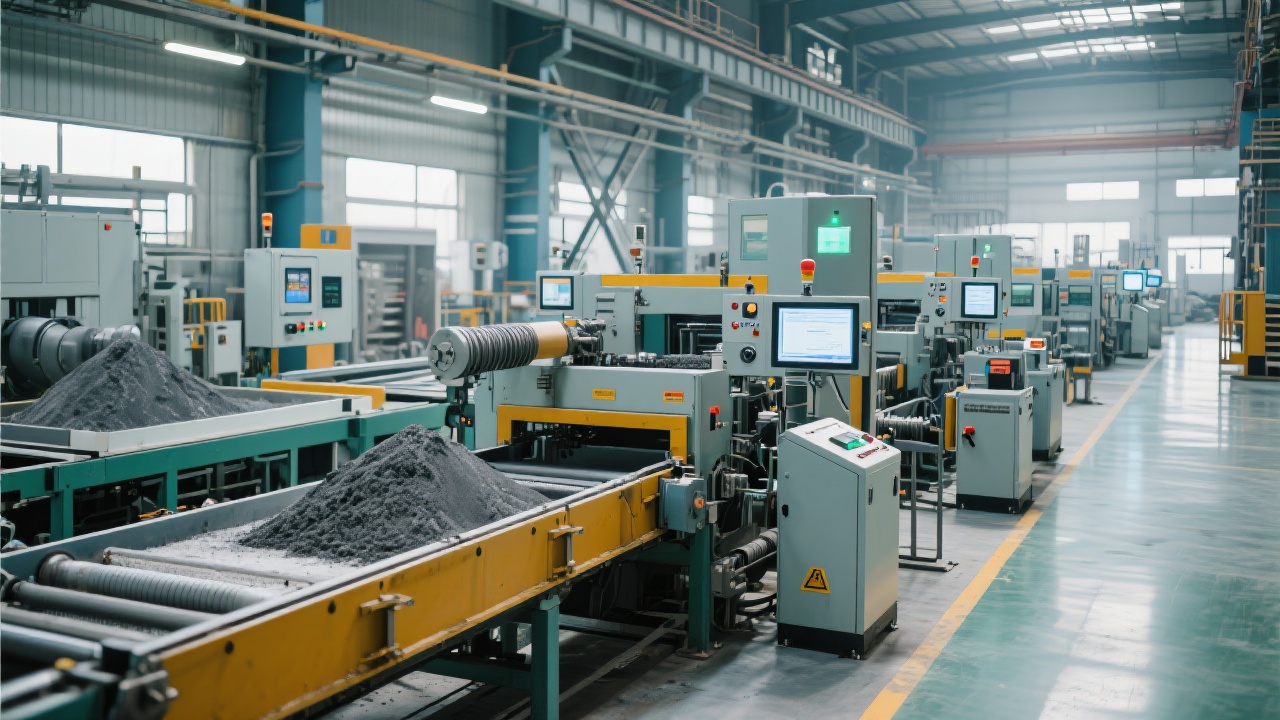
Applying these optimized parameters has led Xinjiang steel manufacturers to realize tangible improvements:
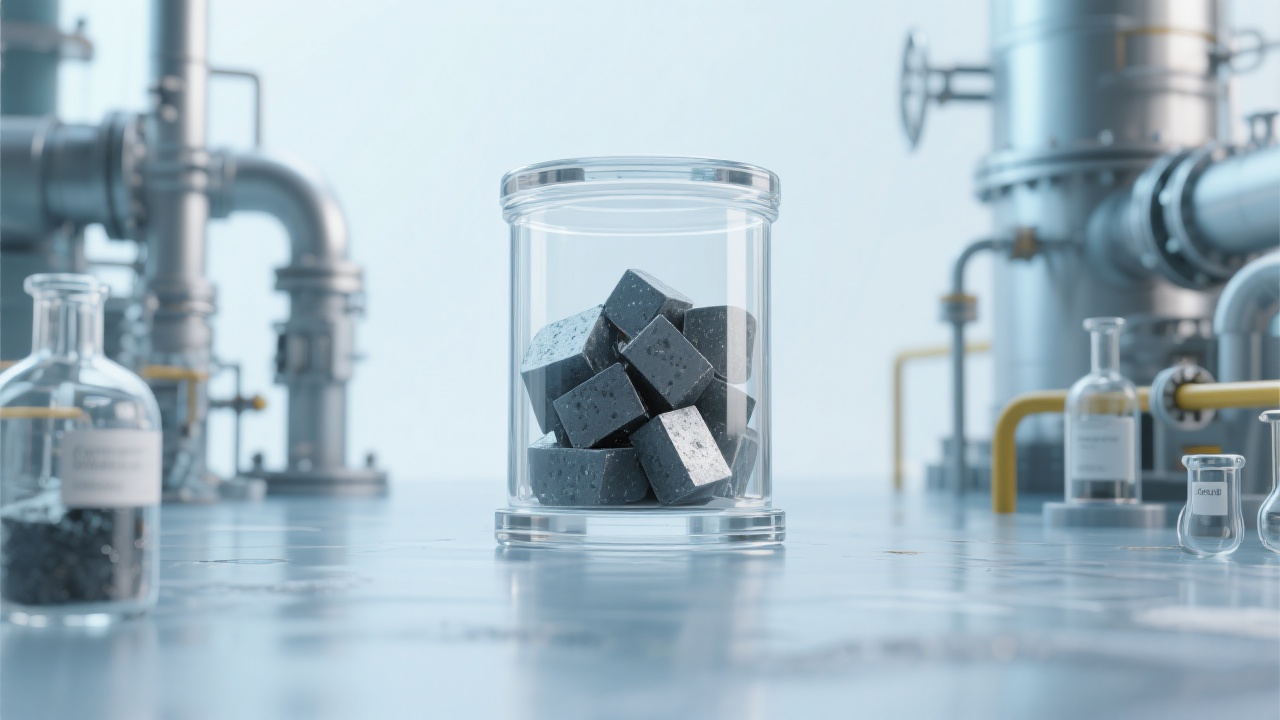
Quantitative data from Xinjiang demonstrates the positive impact of these operational refinements:
| Parameter | Before Optimization | After Optimization | Improvement (%) |
|---|---|---|---|
| Sulfur Content in Final Steel (%) | 0.015 | 0.0098 | -34.7% |
| Calcium Carbide Usage (kg/ton steel) | 3.2 | 2.94 | -8.1% |
| Process Consistency (Sulfur Removal Rate Variability %) | ±12% | ±5% | -58.3% |
Despite best practices, operators occasionally encounter the following issues:
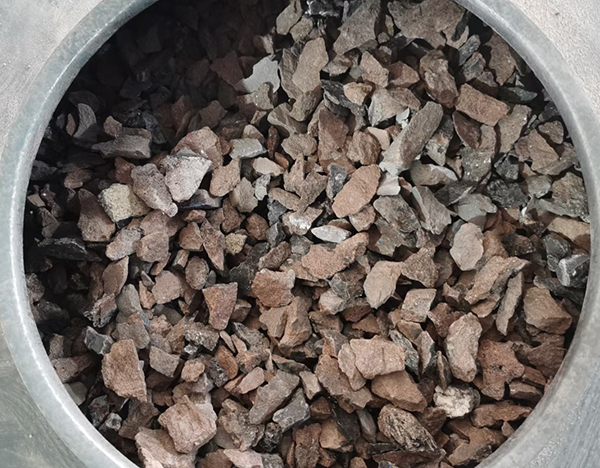
Discover how our premium calcium carbide products can enhance your steel refining processes. Explore detailed product specifications and request tailored solutions today.
 312
|
312
|
 high-performance calcium carbide
calcium carbide quality inspection
acetylene gas production
international chemical supply
Longwei Chemical calcium carbide
178
|
calcium carbide storage safety
acetylene gas production
chemical raw material handling
industrial chemical storage guidelines
calcium carbide safety precautions
116
|
High-purity calcium carbide supplier
Calcium carbide procurement guide
Chemical raw material safety standards
Metallurgical industry raw materials
Pharmaceutical industry chemical supply
426
|
Calcium Carbide
CaC2
High-Stability Chemicals
Industrial Development
Acetylene Synthesis
Precious Metal Extraction
Wholesale Supply
46
|
calcium carbide safety management
carbonated calcium handling protocols
phosphine explosion prevention
ethylene gas generation risk
high purity calcium carbide
high-performance calcium carbide
calcium carbide quality inspection
acetylene gas production
international chemical supply
Longwei Chemical calcium carbide
178
|
calcium carbide storage safety
acetylene gas production
chemical raw material handling
industrial chemical storage guidelines
calcium carbide safety precautions
116
|
High-purity calcium carbide supplier
Calcium carbide procurement guide
Chemical raw material safety standards
Metallurgical industry raw materials
Pharmaceutical industry chemical supply
426
|
Calcium Carbide
CaC2
High-Stability Chemicals
Industrial Development
Acetylene Synthesis
Precious Metal Extraction
Wholesale Supply
46
|
calcium carbide safety management
carbonated calcium handling protocols
phosphine explosion prevention
ethylene gas generation risk
high purity calcium carbide







.png?x-oss-process=image/resize,h_600,m_lfit/format,webp)