.png?x-oss-process=image/resize,h_500,m_lfit/format,webp)
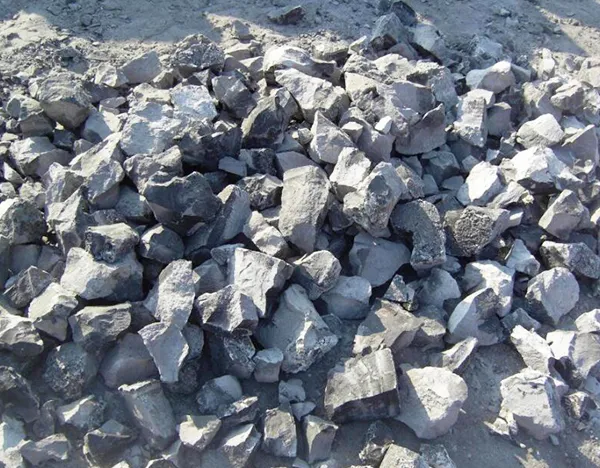
Steel production efficiency hinges on precise control of sulfur content—an often overlooked but critical factor affecting material strength, weldability, and corrosion resistance. In Xinjiang’s high-output steel mills, where raw materials vary significantly and environmental conditions challenge consistency, calcium carbide (CaC₂) has emerged as a cost-effective solution for desulfurization during the iron-making process.
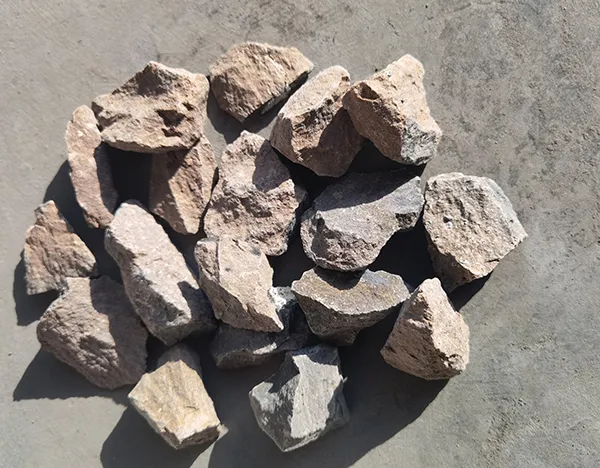
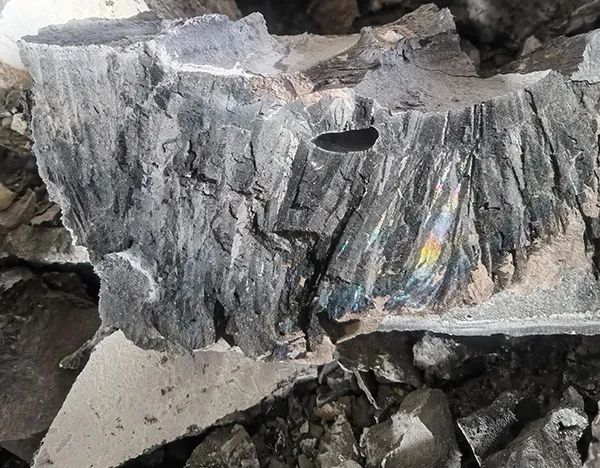
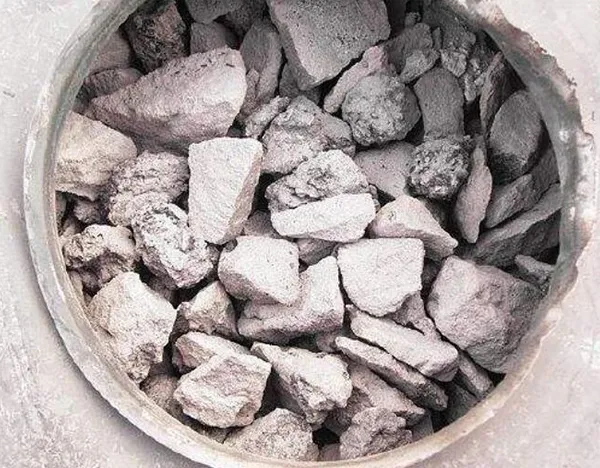
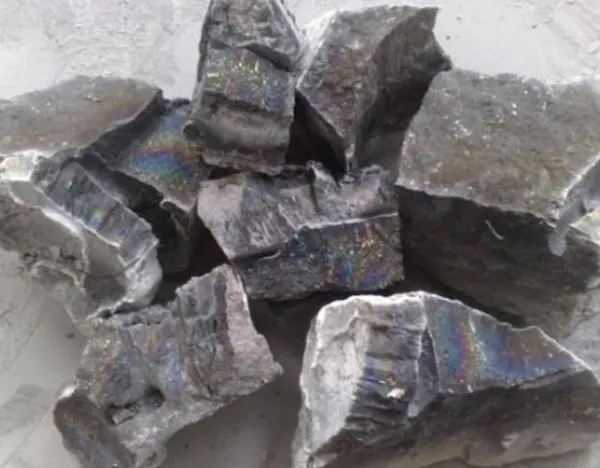
When added to molten pig iron, calcium carbide reacts with sulfur to form calcium sulfide (CaS), which floats into the slag phase. This reaction is exothermic and typically occurs at temperatures between 1,450°C and 1,550°C. According to field data from three major Xinjiang steel plants, optimal sulfur reduction reaches 78–85% when CaC₂ purity exceeds 85% and particle size ranges from 5–15 mm.
Key Variables That Influence Efficiency:
A mid-sized steel mill in Turpan implemented a structured desulfurization protocol based on real-time temperature monitoring and adjusted CaC₂ dosage using automated dosing systems. Over six months, they reduced sulfur levels from an average of 0.042% to 0.018%, while cutting CaC₂ consumption by 18%. Their scrap rework rate dropped from 4.7% to 2.1%, directly boosting yield and profitability.
This case illustrates how small adjustments—like optimizing particle size distribution or timing—can deliver significant ROI without heavy capital investment. It also highlights the importance of continuous operator training and consistent quality checks for raw materials.
Operators often face issues such as uneven sulfur removal or excessive slag formation. These are usually linked to inconsistent CaC₂ quality or poor mixing. Based on our analysis of 12 steel plants across Northwest China:
Pro Tip: Maintain a logbook tracking CaC₂ batch numbers, temperature profiles, and sulfur readings per heat. This simple practice helps identify patterns and prevents repeat errors—especially valuable in seasonal operations like those in Xinjiang.
As global steelmakers seek sustainable and efficient processes, calcium carbide remains a proven, scalable option—not just for Xinjiang, but for any region facing sulfur challenges in ironmaking. With proper implementation, it delivers measurable gains in both product quality and operational economics.
Explore our premium-grade calcium carbide solutions designed for consistent performance in demanding environments.
Get Technical Guidance & Product Samples 200
|
200
|
 calcium carbide applications
oxy-acetylene welding materials
industrial calcium carbide procurement
high purity calcium carbide
chemical raw material supply
165
|
calcium carbide safety precautions
high-quality calcium carbide applications
calcium carbide risk management techniques
271
|
Calcium carbide
High - purity calcium carbide
Acetylene gas generation
Steel desulfurizer
Inner Mongolia supply chain
232
|
High - purity calcium carbide
Calcium carbide applications
Calcium carbide quality control
Calcium carbide suppliers
Industrial - grade calcium carbide
478
|
Calcium carbide safety use guide
Calcium acetylide safe operation
Risks of calcium carbide reacting with water
Industrial chemical safety management
Acetylene gas generation principle
calcium carbide applications
oxy-acetylene welding materials
industrial calcium carbide procurement
high purity calcium carbide
chemical raw material supply
165
|
calcium carbide safety precautions
high-quality calcium carbide applications
calcium carbide risk management techniques
271
|
Calcium carbide
High - purity calcium carbide
Acetylene gas generation
Steel desulfurizer
Inner Mongolia supply chain
232
|
High - purity calcium carbide
Calcium carbide applications
Calcium carbide quality control
Calcium carbide suppliers
Industrial - grade calcium carbide
478
|
Calcium carbide safety use guide
Calcium acetylide safe operation
Risks of calcium carbide reacting with water
Industrial chemical safety management
Acetylene gas generation principle







.png?x-oss-process=image/resize,h_600,m_lfit/format,webp)