.png?x-oss-process=image/resize,h_500,m_lfit/format,webp)
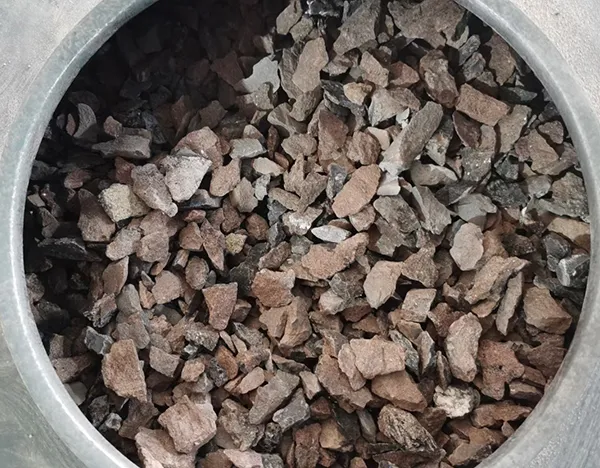
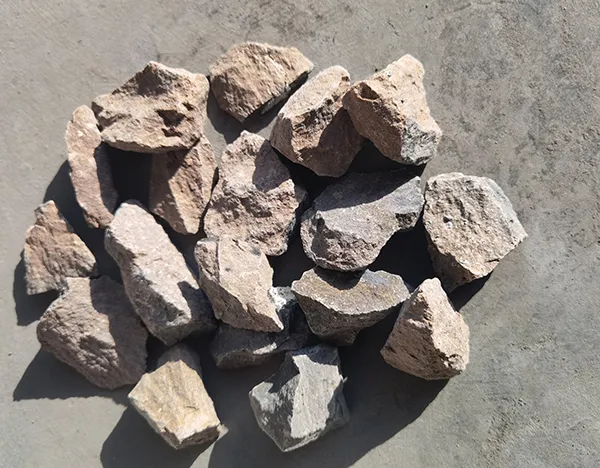
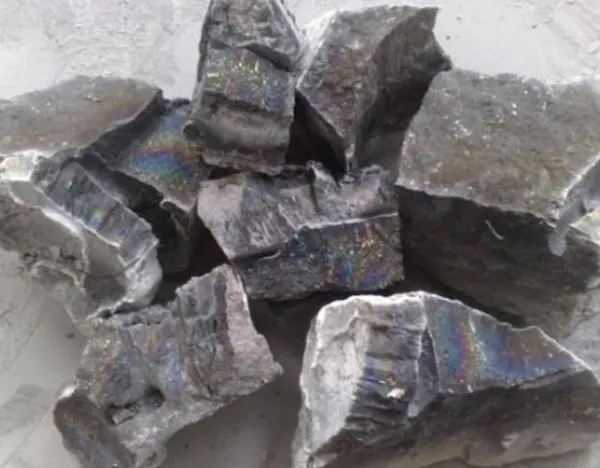
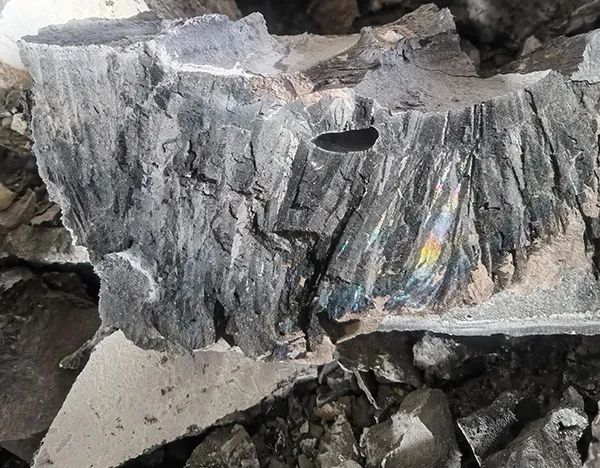
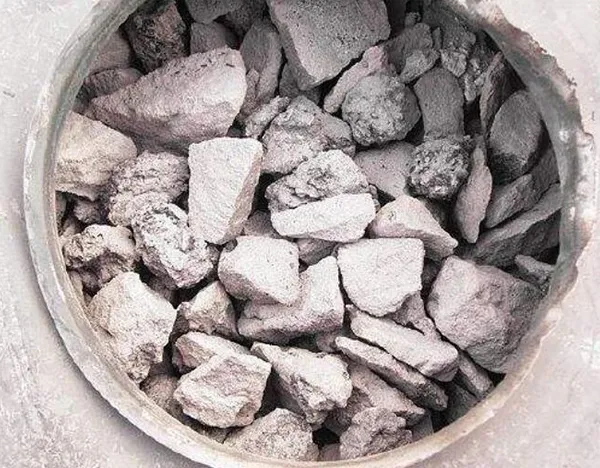
In the global steel industry, achieving consistent quality and cost efficiency remains a top priority. One often overlooked yet powerful solution is high-purity calcium carbide (CaC₂), which has proven to be an effective desulfurizing agent in both converter and iron pretreatment processes.
When introduced into molten iron or steel at temperatures above 1,500°C, calcium carbide undergoes a key chemical reaction:
CaC₂ + [O] → CaO + 2[C] → CaS + CO↑
This process effectively removes sulfur from molten metal by forming calcium sulfide (CaS), which floats to the slag layer. According to data from Xinjiang-based steel mills, using premium-grade calcium carbide (≥85% purity) can reduce sulfur content from 0.04% to under 0.015%, improving product quality while reducing reagent consumption by up to 12% compared to traditional methods.
Successful desulfurization depends on three main variables:
Case studies from two major plants in Xinjiang show that adjusting these parameters based on real-time temperature monitoring led to a 20% reduction in operational inconsistencies over six months.
Operators often face issues like uneven desulfurization or excessive slag formation. Based on field reports:
| Issue | Likely Cause | Recommended Fix |
|---|---|---|
| Incomplete desulfurization | Low temperature (<1,450°C) | Preheat ladle to 1,550°C before addition |
| Excessive slag volume | Too fine particle size (<5mm) | Use controlled crushing to maintain 8–12mm range |
These troubleshooting tips are backed by over 30 technical visits across Asia-Pacific steel facilities and have been validated through lab-scale simulations and industrial trials.
We offer certified high-purity calcium carbide tailored for your specific process conditions — with technical support, batch consistency, and delivery reliability you can count on.
Get Your Free Technical Guide & Product Sample 273
|
273
|
 calcium carbide applications
high-performance industrial materials
acetylene production
414
|
Calcium carbide storage
High - purity calcium acetylide
Inner Mongolia Longwei Chemical
Calcium carbide safety measures
Calcium carbide storage conditions
357
|
pharmaceutical grade calcium carbide
impurity control in drug manufacturing
high purity calcium carbide
chemical raw material safety
calcium carbide applications in pharma
146
|
calcium carbide
acetylene production
industrial applications
global market demand
chemical raw materials
85
|
high purity calcium carbide
calcium carbide safety
acetylene generation reaction
phosphine explosion risk
calcium carbide storage and transport
calcium carbide applications
high-performance industrial materials
acetylene production
414
|
Calcium carbide storage
High - purity calcium acetylide
Inner Mongolia Longwei Chemical
Calcium carbide safety measures
Calcium carbide storage conditions
357
|
pharmaceutical grade calcium carbide
impurity control in drug manufacturing
high purity calcium carbide
chemical raw material safety
calcium carbide applications in pharma
146
|
calcium carbide
acetylene production
industrial applications
global market demand
chemical raw materials
85
|
high purity calcium carbide
calcium carbide safety
acetylene generation reaction
phosphine explosion risk
calcium carbide storage and transport





.png?x-oss-process=image/resize,h_600,m_lfit/format,webp)