.png?x-oss-process=image/resize,h_500,m_lfit/format,webp)
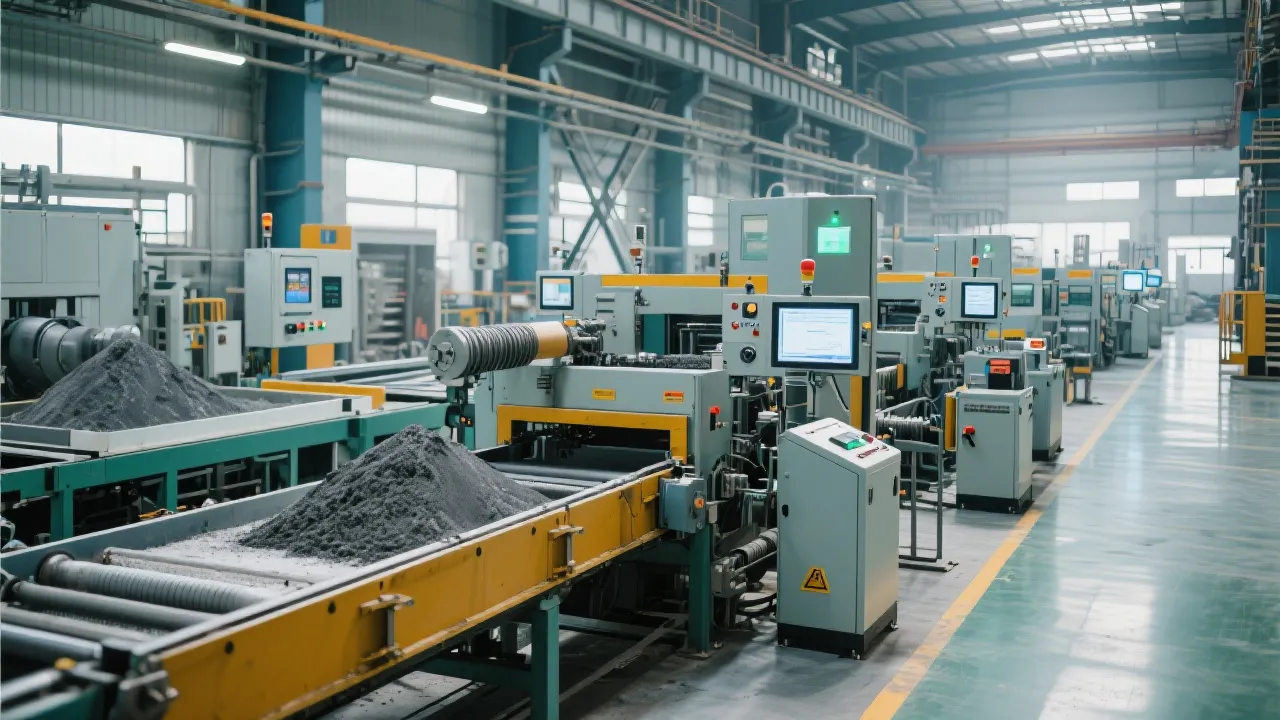
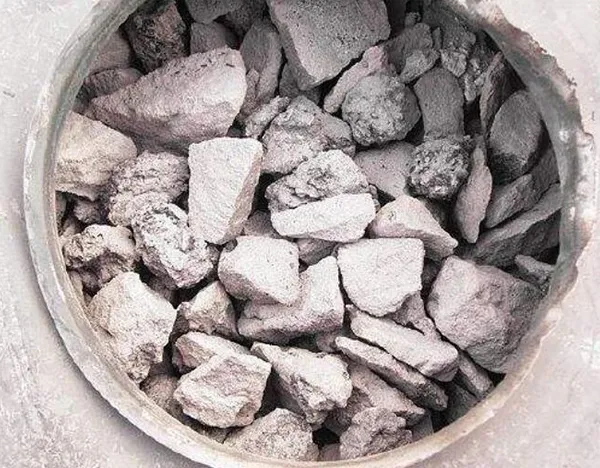
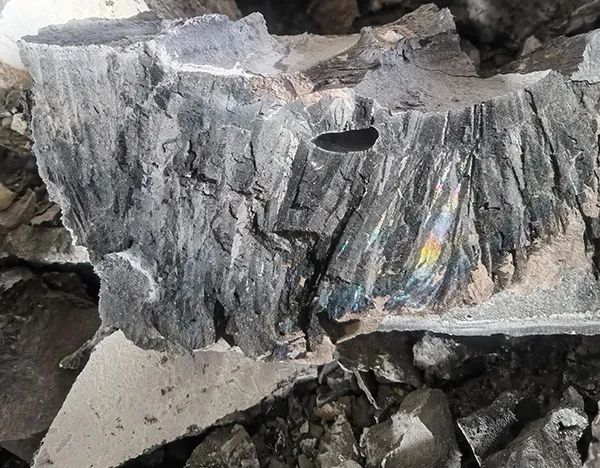
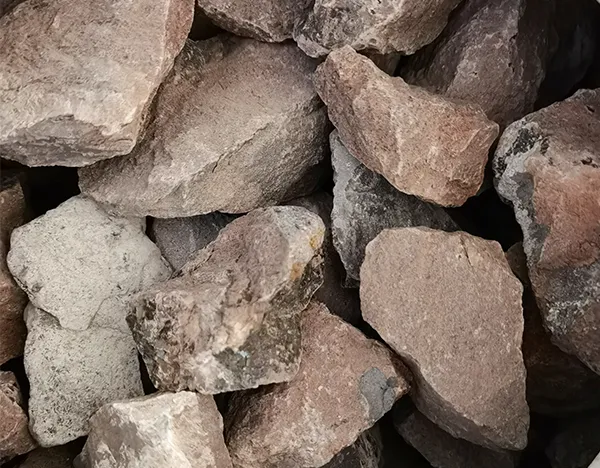
In today’s competitive steel industry, achieving consistent quality and operational efficiency hinges on precise desulfurization techniques. Among the most effective agents is calcium carbide (CaC₂), widely used in converter steelmaking and iron pretreatment processes—especially in regions like Xinjiang, where resource optimization and cost control are critical.
The chemical reaction behind calcium carbide’s effectiveness is both elegant and powerful:
CaC₂ + [S] → CaS + 2CO↑
This exothermic process not only removes sulfur from molten iron but also generates carbon monoxide gas—a byproduct that can be captured for energy recovery, adding environmental and economic value. Studies show that under optimal conditions, this method achieves up to 92% sulfur removal efficiency, outperforming traditional lime-based systems in certain applications.
Several factors significantly influence performance:
Real-world data from several Xinjiang-based steel plants confirms these trends—where optimized parameters led to an average reduction in sulfur content from 0.045% to 0.012%, while lowering overall desulfurizer consumption by 12% annually.
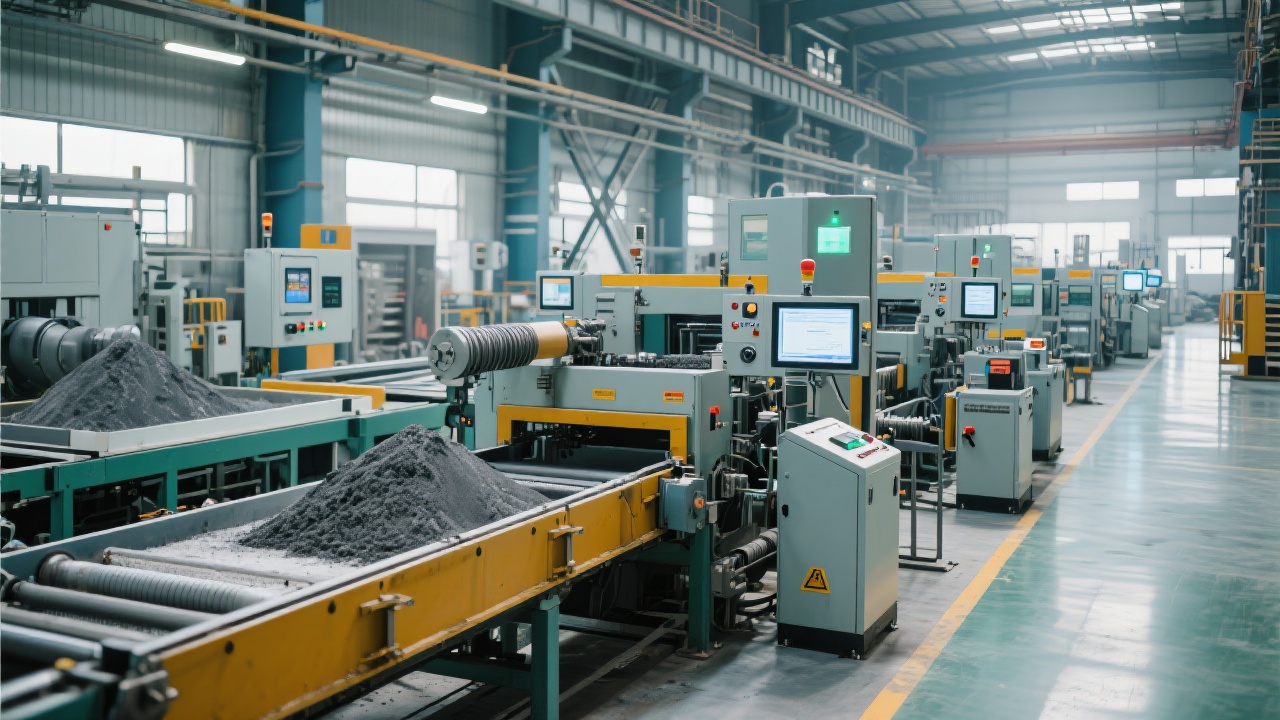
Recent research highlights two promising directions:
These innovations reflect a shift toward smarter, more adaptive desulfurization workflows—especially valuable for high-volume producers aiming to meet ISO 14001 and ASTM A703 standards.
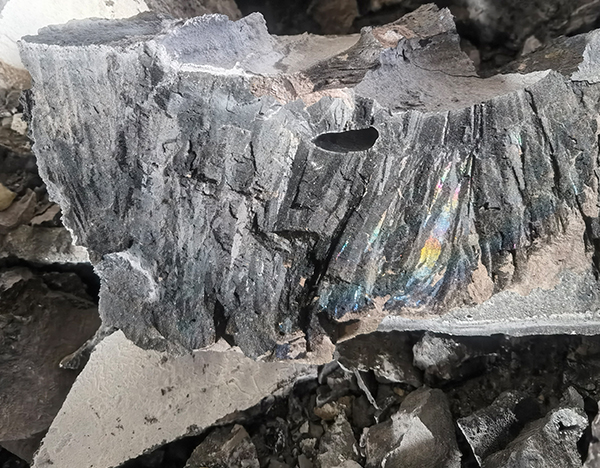
Expert Insight: “The key isn’t just using calcium carbide—it’s knowing how to use it smartly.” — Dr. Li Wei, Senior Metallurgist, China Iron & Steel Research Institute
Whether you're operating in hot climates like Xinjiang or managing cold-climate operations elsewhere, the principles remain the same: optimize inputs, reduce waste, and maximize yield. By understanding the science—and applying it systematically—you can turn a routine step into a strategic advantage.
Our high-purity calcium carbide products have been validated across multiple steel mills worldwide—including those in China, India, and the Middle East—for consistent sulfur removal and low operational variability.
Explore Technical Specifications & Supply Options 190
|
190
|
 calcium carbide storage
calcium carbide properties
chemical raw material safety
acetylene generation
export quality assurance
224
|
calcium carbide storage guidelines
electrode calcium carbide export tips
acetylene gas safety in storage
dry warehouse environment for chemicals
ventilation requirements for calcium carbide
142
|
calcium carbide acetylene production
acetylene gas manufacture
calcium carbide water reaction
industrial acetylene process
acetylene purity control
357
|
calcium carbide quality standards
high purity calcium carbide
export certification for calcium carbide
industrial applications of calcium carbide
acetylene gas production from calcium carbide
275
|
calcium carbide
industrial chemical raw materials
acetylene gas production
international chemical supply
high purity calcium carbide
calcium carbide storage
calcium carbide properties
chemical raw material safety
acetylene generation
export quality assurance
224
|
calcium carbide storage guidelines
electrode calcium carbide export tips
acetylene gas safety in storage
dry warehouse environment for chemicals
ventilation requirements for calcium carbide
142
|
calcium carbide acetylene production
acetylene gas manufacture
calcium carbide water reaction
industrial acetylene process
acetylene purity control
357
|
calcium carbide quality standards
high purity calcium carbide
export certification for calcium carbide
industrial applications of calcium carbide
acetylene gas production from calcium carbide
275
|
calcium carbide
industrial chemical raw materials
acetylene gas production
international chemical supply
high purity calcium carbide


.png?x-oss-process=image/resize,h_600,m_lfit/format,webp)