.png?x-oss-process=image/resize,h_500,m_lfit/format,webp)

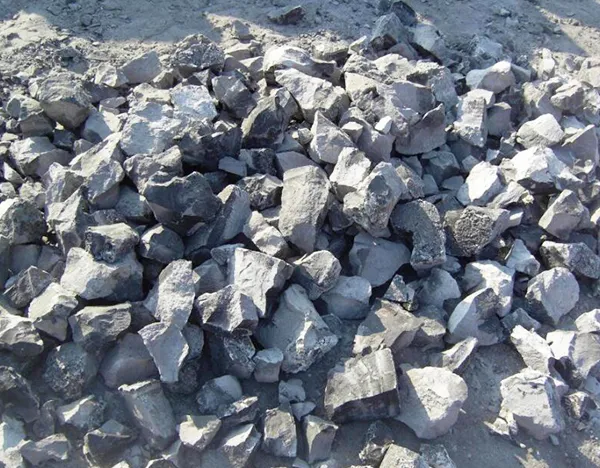
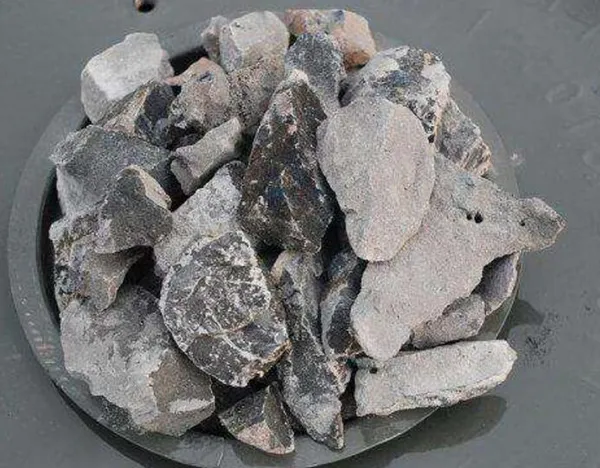
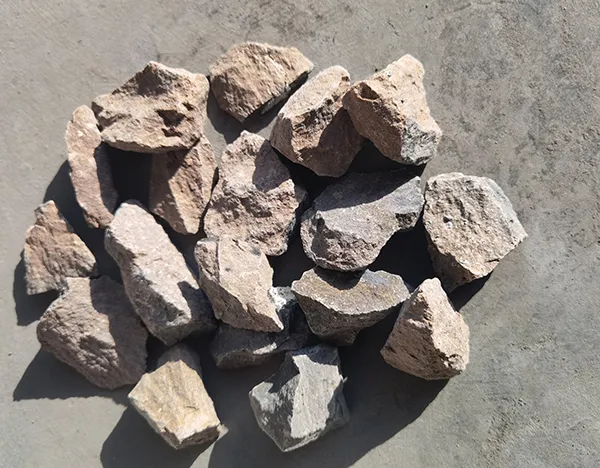
Desulfurization plays a pivotal role in steel production, directly impacting steel quality and operational efficiency. Calcium carbide (commonly referred to as electric stone or CaC2) acts as an effective desulfurizing agent in steel refining. This article delves into the chemical reaction mechanisms underpinning calcium carbide desulfurization, highlighting how key parameters like temperature and particle size optimize this process. Drawing on real-world applications from steel plants in Xinjiang, this resource serves industry engineers and decision-makers seeking scientifically validated guidance to achieve cost-effective, high-performance desulfurization.
The fundamental desulfurization path using calcium carbide can be summarized by the reaction:
CaC2 + S → CaS + 2C
When introduced into molten steel, calcium carbide reacts with sulfur dissolved in the melt to form calcium sulfide (CaS), a solid slag component easily removable from steel. This transformation reduces sulfur content, thereby enhancing steel tensile strength, toughness, and weldability.
It's worth noting that the efficiency of this reaction depends on the availability of reactive CaC2 surface area and kinetic aspects influenced by process conditions.
Optimal temperature and particle size are critical levers controlling desulfurization kinetics and reagent consumption:
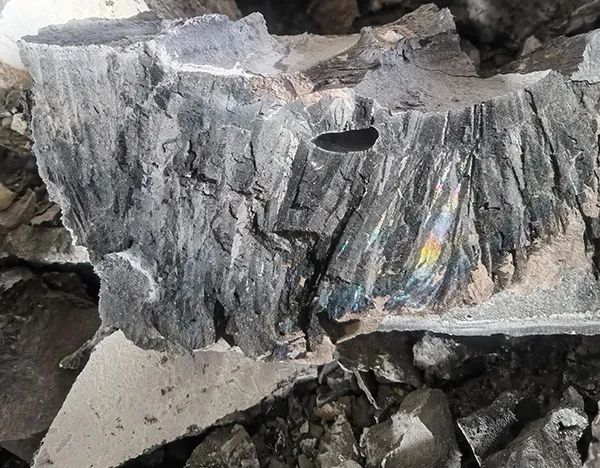
Additionally, the particle's physical integrity affects dissolution behavior, influencing how quickly CaC2 engages with sulfur in the melt.
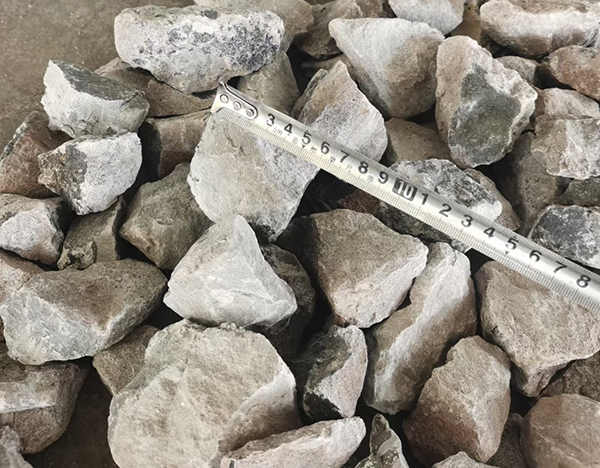
The moment of adding calcium carbide during steel refining profoundly influences sulfur reduction outcomes. Key operational insights from Xinjiang steelworks include:
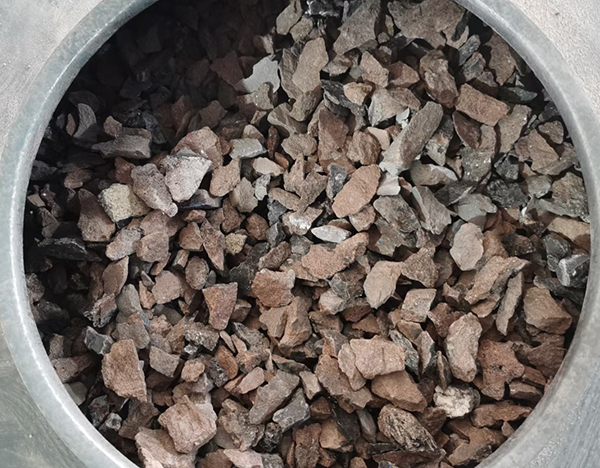
At a leading Xinjiang steel plant integrating calcium carbide desulfurization, operational data reveal:
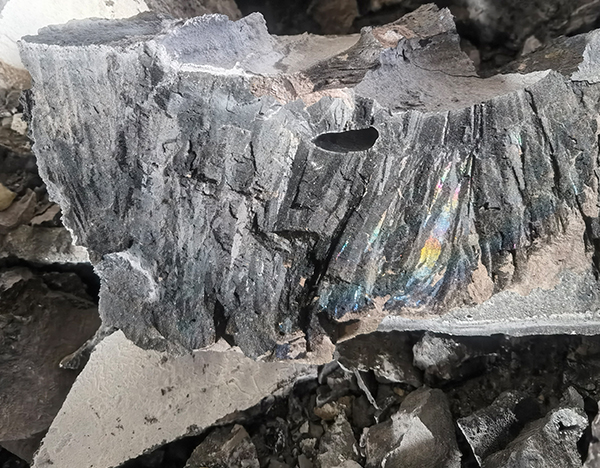
Operators often encounter issues such as incomplete sulfur removal, reagent wastage, or slag handling difficulties. Recommended solutions include:
Recent industry developments focus on hybrid desulfurization agents that blend calcium carbide with synthetic fluxes to enhance sulfur affinity. Additionally, automated feeding systems coupled with AI-powered thermal modeling now enable precise control of particle size distribution and injection timing, maximizing desulfurization while minimizing operational costs.
These innovations hint at a future where electric stone-based processes become even more efficient and environmentally sustainable.
Partner with us to optimize your steel refining process—explore tailored solutions and expert support today.
 72
|
72
|
 calcium carbide desulfurization
steelmaking additives
acetylene gas generation
industrial calcium carbide
high purity calcium carbide
315
|
calcium carbide purity testing
industrial desulfurization calcium carbide
calcium carbide content analysis
XRF analysis for calcium carbide
Xinjiang calcium carbide sourcing
180
|
Calcium carbide industrial applications
Safe use of calcium carbide
Raw materials for calcium carbide production
Raw materials for acetylene gas preparation
High-purity calcium carbide
232
|
calcium carbide in metallurgy
metal smelting efficiency
acetylene production from calcium carbide
industrial calcium carbide applications
energy saving in steelmaking
209
|
Calcium Carbide
High Stability Chemicals
Industrial Raw Materials
calcium carbide desulfurization
steelmaking additives
acetylene gas generation
industrial calcium carbide
high purity calcium carbide
315
|
calcium carbide purity testing
industrial desulfurization calcium carbide
calcium carbide content analysis
XRF analysis for calcium carbide
Xinjiang calcium carbide sourcing
180
|
Calcium carbide industrial applications
Safe use of calcium carbide
Raw materials for calcium carbide production
Raw materials for acetylene gas preparation
High-purity calcium carbide
232
|
calcium carbide in metallurgy
metal smelting efficiency
acetylene production from calcium carbide
industrial calcium carbide applications
energy saving in steelmaking
209
|
Calcium Carbide
High Stability Chemicals
Industrial Raw Materials





.png?x-oss-process=image/resize,h_600,m_lfit/format,webp)