.png?x-oss-process=image/resize,h_500,m_lfit/format,webp)
Calcium carbide (CaC₂) has long been recognized as one of the most effective desulfurizing agents in iron and steel production—particularly during pre-treatment stages. Its ability to reduce sulfur content from molten iron makes it indispensable for producing high-quality steel, especially in regions like Xinjiang where raw material purity varies widely.
The key lies in its unique chemical behavior under high temperatures. When introduced into molten iron, calcium carbide undergoes a well-defined reaction:
CaC₂ + [S] → CaS + 2CO↑
This exothermic process not only removes sulfur but also generates carbon monoxide gas—a critical factor in enhancing mixing efficiency when properly controlled. According to ISO 15475-2014, this method can achieve up to 85% sulfur removal efficiency if parameters are optimized.
| Factor | Optimal Range | Impact on Efficiency |
|---|---|---|
| Temperature | 1450–1550°C | Higher temps increase reactivity but may cause excessive CO evolution |
| Particle Size | 2–5 mm | Smaller particles improve surface area contact; larger ones risk incomplete reaction |
| Addition Timing | Before ladle treatment | Early addition ensures uniform distribution and avoids localized overheating |
A case study from a medium-sized steel plant in Xinjiang demonstrated that optimizing particle size (from 8 mm to 3 mm) and raising the pre-treatment temperature by 50°C led to an average sulfur reduction from 0.045% to 0.012%. This improvement allowed the facility to meet ASTM A572 Grade 50 standards consistently without increasing operational costs significantly.
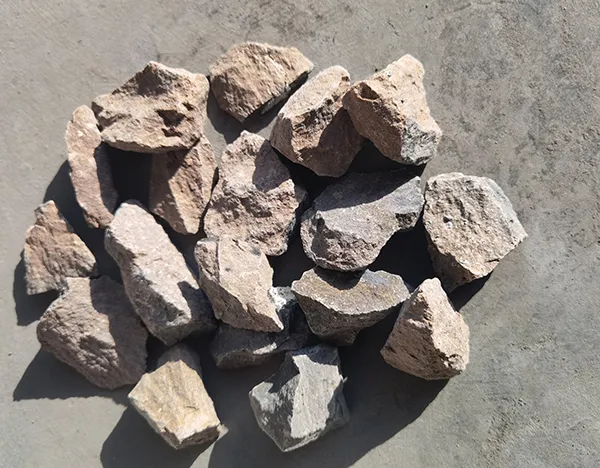
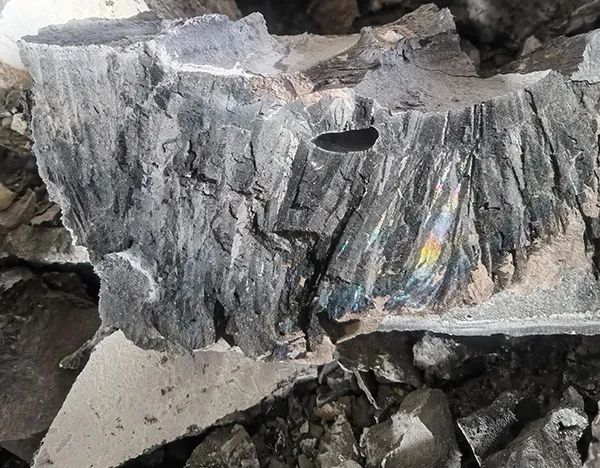
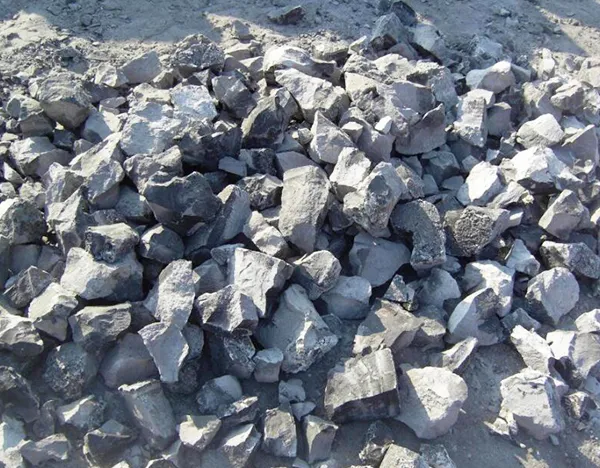
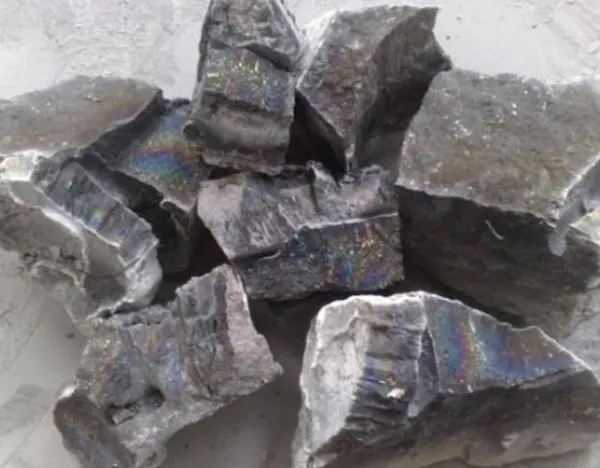
Our high-purity calcium carbide (≥95% CaC₂) is engineered for consistent desulfurization performance across diverse metallurgical conditions—from small-scale foundries to large integrated mills.
Explore Our Product Specifications 244
|
244
|
 ["high-performance calcium carbide"
"calcium carbide supply chain"
"acetylene gas production"
"industrial chemical exports"
"customer-centric service"]
473
|
ISO 9001 certification
quality management system
chemical industry standards
112
|
high-purity calcium carbide
calcium carbide suppliers
industrial chemical applications
309
|
High - capacity calcium carbide
High - purity calcium carbide
Modern manufacturing facilities
Global industry demand
Quality control
270
|
calcium carbide
high stability chemicals
industrial welding and cutting
acetylene synthesis
precious metal extraction
supply assurance
["high-performance calcium carbide"
"calcium carbide supply chain"
"acetylene gas production"
"industrial chemical exports"
"customer-centric service"]
473
|
ISO 9001 certification
quality management system
chemical industry standards
112
|
high-purity calcium carbide
calcium carbide suppliers
industrial chemical applications
309
|
High - capacity calcium carbide
High - purity calcium carbide
Modern manufacturing facilities
Global industry demand
Quality control
270
|
calcium carbide
high stability chemicals
industrial welding and cutting
acetylene synthesis
precious metal extraction
supply assurance









.png?x-oss-process=image/resize,h_600,m_lfit/format,webp)