.png?x-oss-process=image/resize,h_500,m_lfit/format,webp)
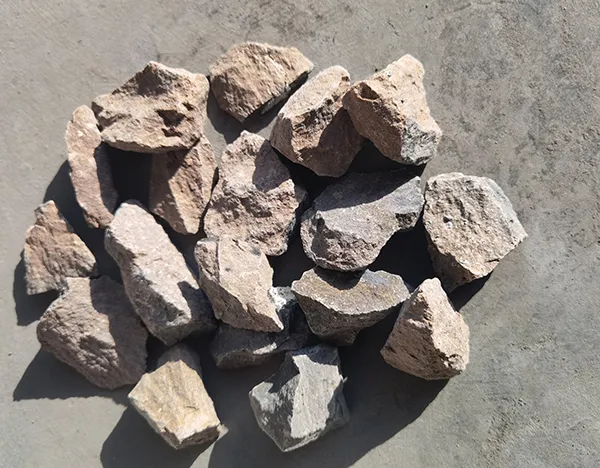
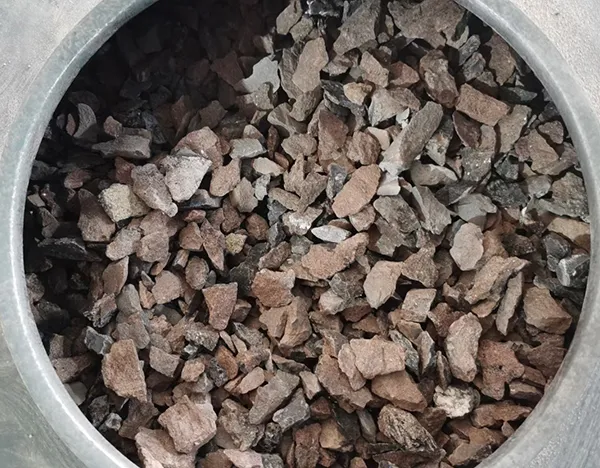
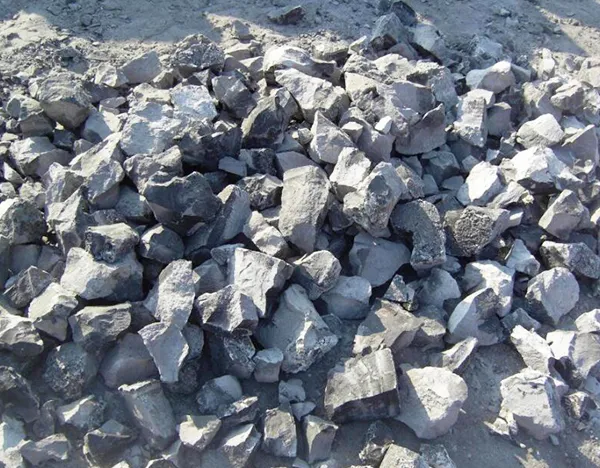
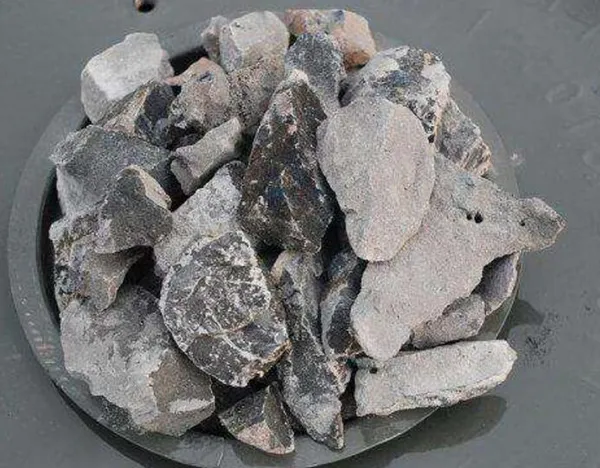
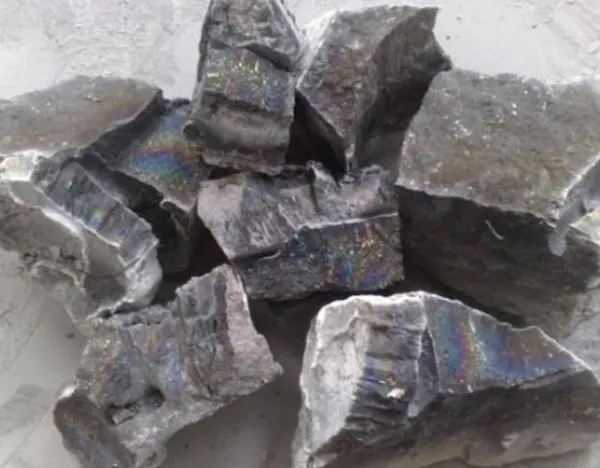
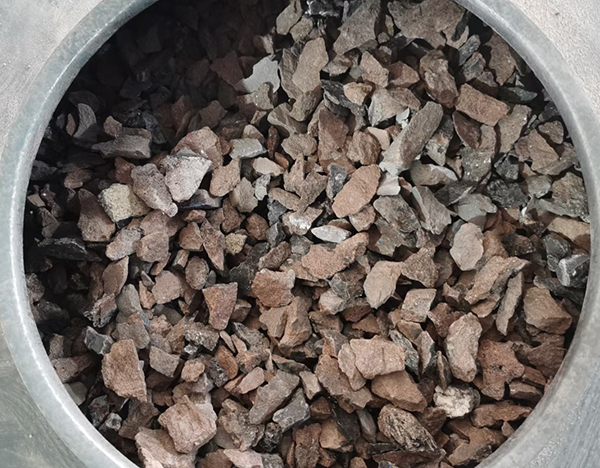
In the steel industry, sulfur removal is crucial for ensuring the production of high-quality steel with optimal mechanical properties. Calcium carbide (CaC2) has emerged as a highly efficient desulfurization agent owing to its distinctive chemical reactivity and superior performance compared to traditional agents such as lime and magnesite. This article explores the underlying reaction mechanisms of calcium carbide in steel desulfurization, operational parameters affecting its efficiency, and practical laboratory evaluation methods to optimize process outcomes. By integrating authentic steel plant data, it offers actionable insights for engineers and decision-makers aiming to enhance product quality and reduce costs.
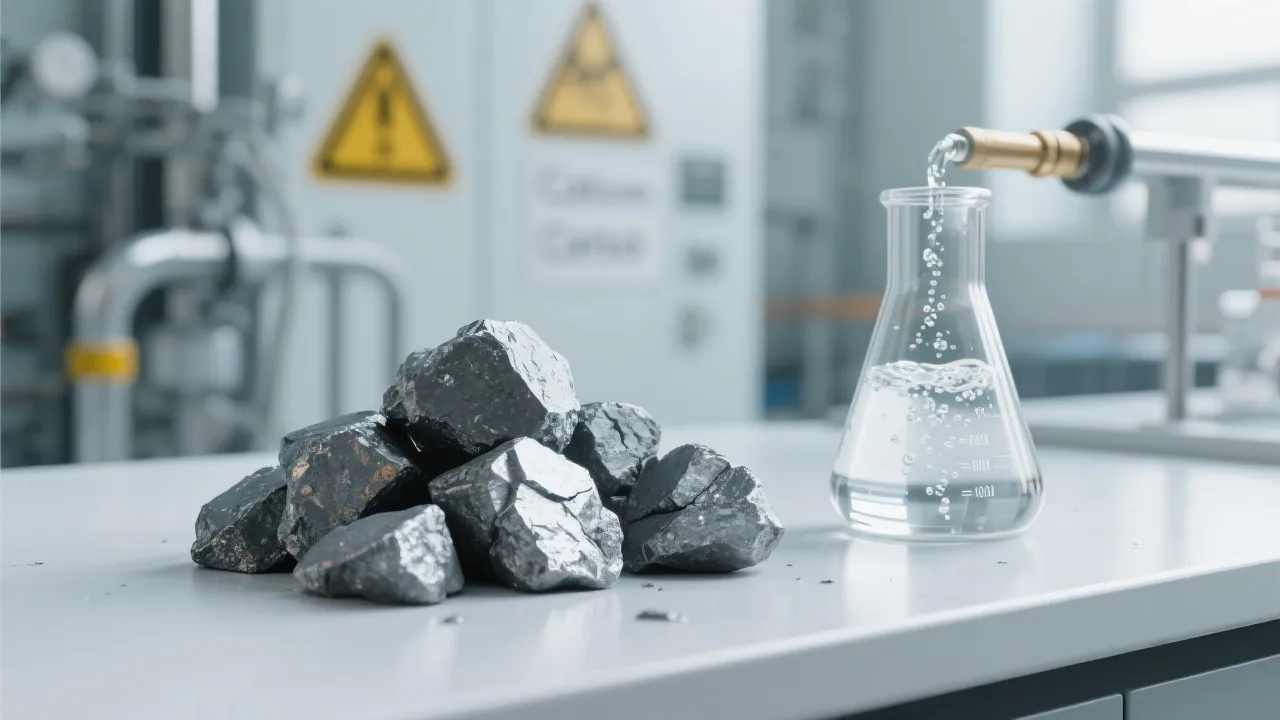
The desulfurization process using calcium carbide hinges on its ability to react with sulfur present in molten iron, forming calcium sulfide (CaS) and acetylene gas (C2H2). The overall reaction can be summarized as:
CaC2 + S (in molten iron) → CaS + C2H2↑
This reaction effectively reduces the sulfur content from typical initial levels of 0.03 wt% in hot metal to below 0.005 wt%, significantly improving steel quality by minimizing hot shortness and other sulfur-induced defects. The formation of acetylene gas also aids in stirring and dispersing the desulfurizer within molten iron, enhancing mass transfer efficiency.
Achieving high desulfurization efficiency requires meticulous control of key process parameters:
A multi-dimensional assessment based on steel mill operational data substantiates calcium carbide’s advantages over conventional desulfurizers:
| Desulfurizer | Sulfur Removal Efficiency | Consumption (kg/Tonne of Steel) | Cost Efficiency |
|---|---|---|---|
| Calcium Carbide | 85-90% | 3-4 kg | High (due to superior efficiency and lower dosage) |
| Lime (CaO) | 60-70% | 10-12 kg | Moderate |
| Magnesite (MgO) | 65-75% | 8-10 kg | Moderate-High |
The data highlights calcium carbide’s dual advantage of higher efficiency and lower consumption rates, translating into significant operational cost savings despite a marginally higher unit price.
To facilitate quick and reliable quality control, simplified lab-scale testing methods have been developed. These typically involve:
Such approaches empower technical staff to adapt dosing strategies dynamically and maintain consistent sulfur targets below 0.005 wt%, ensuring product standards.
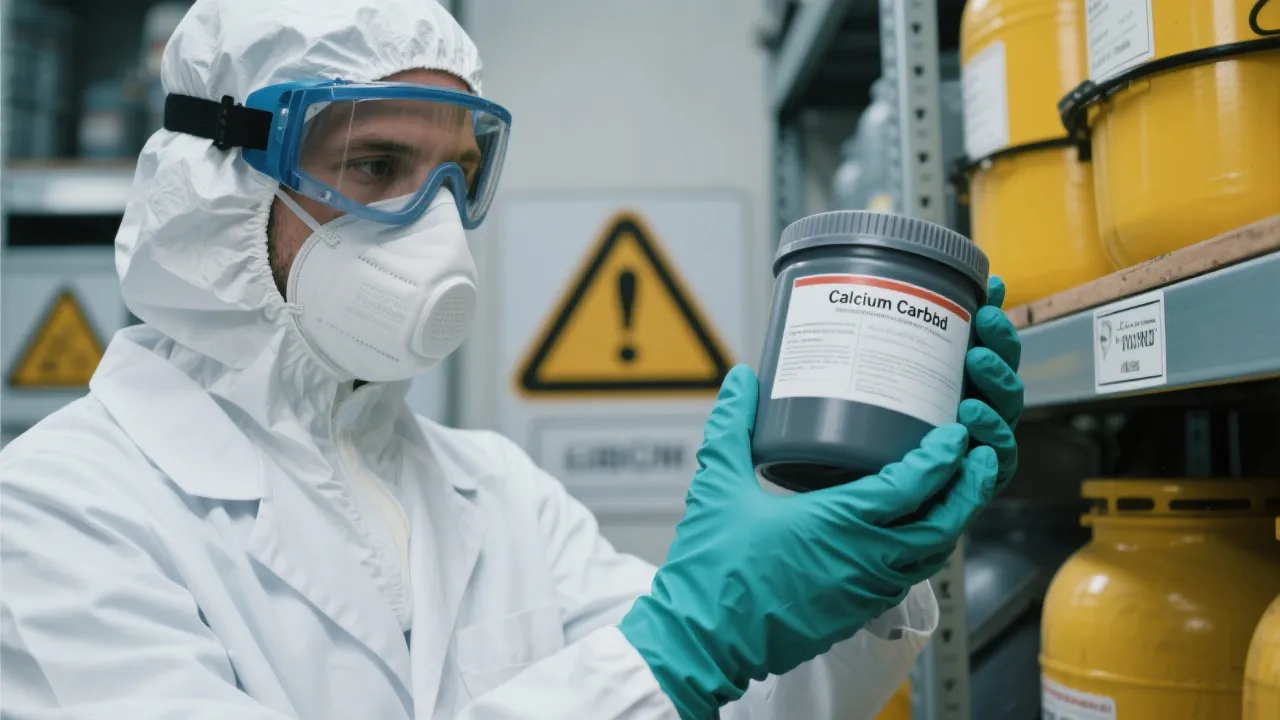
Despite its advantages, calcium carbide must be handled with caution due to its reactivity and acetylene gas byproduct. Typical misunderstanding includes:
Implementing rigorous safety measures such as controlled addition rates, forced ventilation, and continuous temperature monitoring is essential to mitigate production risks.
Industry experience shows that seasonal temperature fluctuations affect both molten iron properties and reagent behavior. For example, colder ambient conditions during winter require:
Such adaptive measures, supported by monitoring data, optimize desulfurization outcomes year-round without compromising throughput.
 299
|
299
|
 calcium carbide storage
calcium carbide safety
carbonized calcium handling
chemical warehouse management
carbide transportation safety
433
|
calcium carbide desulfurization
steel industry desulfurization
calcium carbide slag removal
desulfurization process optimization
electric arc furnace desulfurization
57
|
Calcium carbide desulfurization
Calcium carbide desulfurizer
Steel smelting desulfurization process
Impact of calcium carbide particle size
Reduction of sulfur content in steel
192
|
steel desulfurizer
calcium carbide desulfurizer
desulfurization efficiency
desulfurization cost analysis
steel quality improvement
422
|
solid calcium carbide storage
calcium carbide moisture control
industrial chemical storage standards
calcium carbide safety storage
carbide leakage emergency response
calcium carbide storage
calcium carbide safety
carbonized calcium handling
chemical warehouse management
carbide transportation safety
433
|
calcium carbide desulfurization
steel industry desulfurization
calcium carbide slag removal
desulfurization process optimization
electric arc furnace desulfurization
57
|
Calcium carbide desulfurization
Calcium carbide desulfurizer
Steel smelting desulfurization process
Impact of calcium carbide particle size
Reduction of sulfur content in steel
192
|
steel desulfurizer
calcium carbide desulfurizer
desulfurization efficiency
desulfurization cost analysis
steel quality improvement
422
|
solid calcium carbide storage
calcium carbide moisture control
industrial chemical storage standards
calcium carbide safety storage
carbide leakage emergency response




.png?x-oss-process=image/resize,h_600,m_lfit/format,webp)