.png?x-oss-process=image/resize,h_500,m_lfit/format,webp)

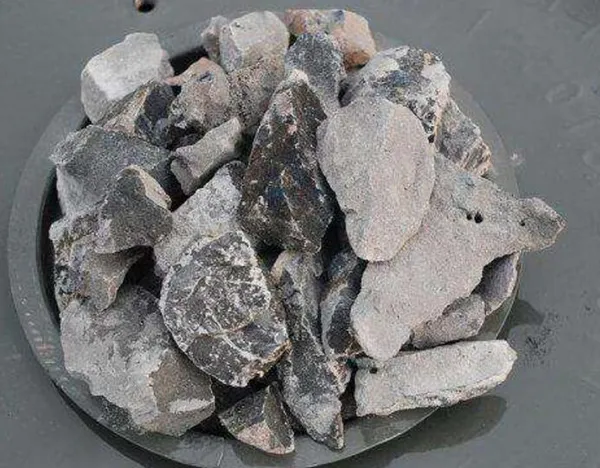
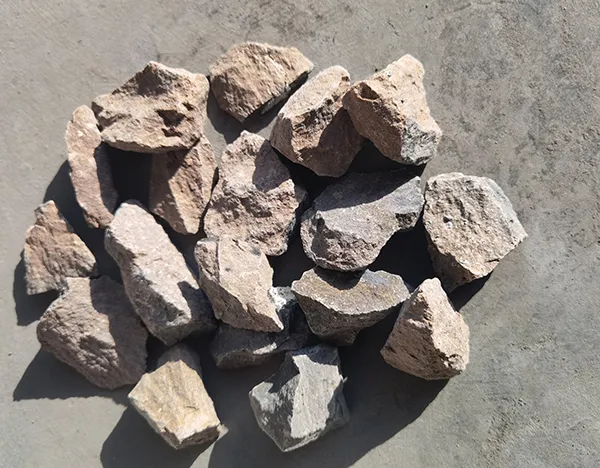
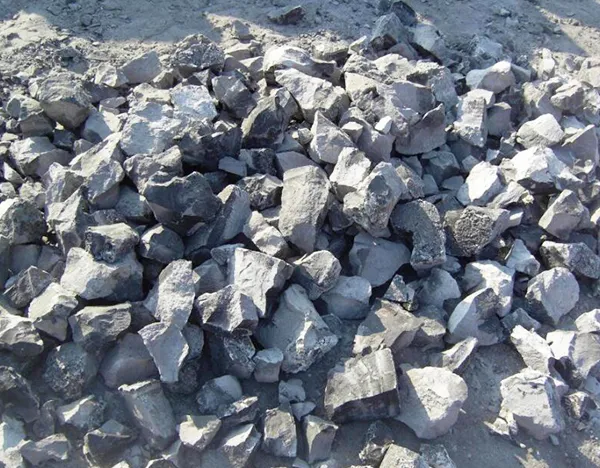
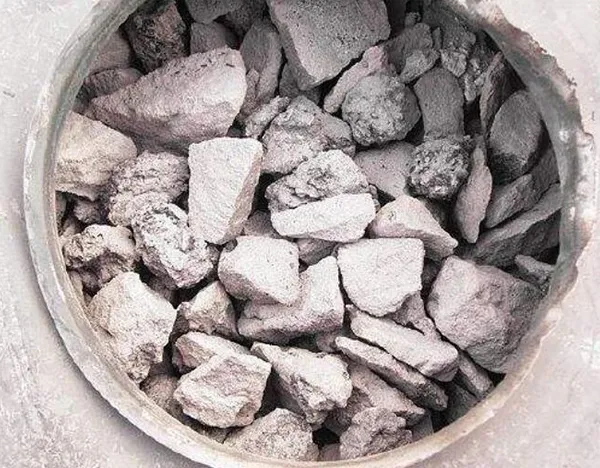
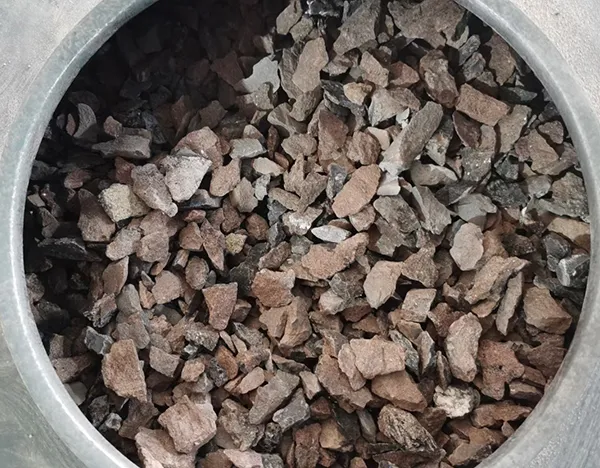
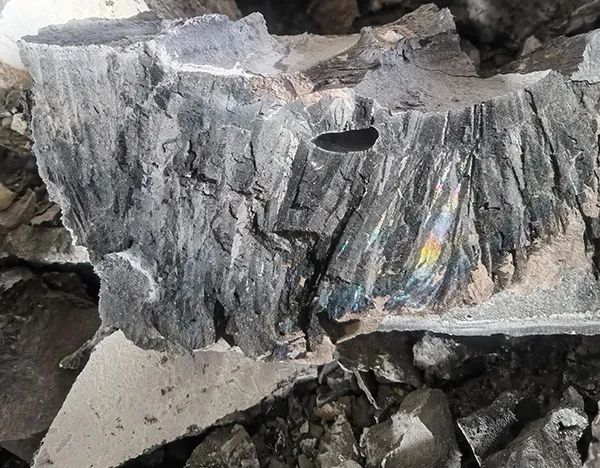
In modern steel manufacturing, efficient and cost-effective desulfurization is critical to produce high-quality steel while optimizing operational costs. Calcium carbide (CaC₂), commonly known as carbureted lime or electric stone, plays a pivotal role as a desulfurizing agent in this process. This article provides a detailed examination of calcium carbide’s chemical mechanism in steel desulfurization, key process parameters that influence its efficiency, and practical optimization strategies grounded in real-world applications from steel plants in Xinjiang, China.
The primary desulfurization reaction involving calcium carbide can be summarized as follows:
CaC₂ + S (in molten steel) → CaS + 2C
Calcium carbide reacts at high furnace temperatures (approx. 1500°C) to form calcium sulfide (CaS), which can be separated from molten steel, thereby reducing sulfur content. The solid carbon released as a by-product can contribute to refining processes as well. The effectiveness of desulfurization significantly depends on the purity and reactivity of the carbide, reaction temperature, stirring intensity, and residence time.
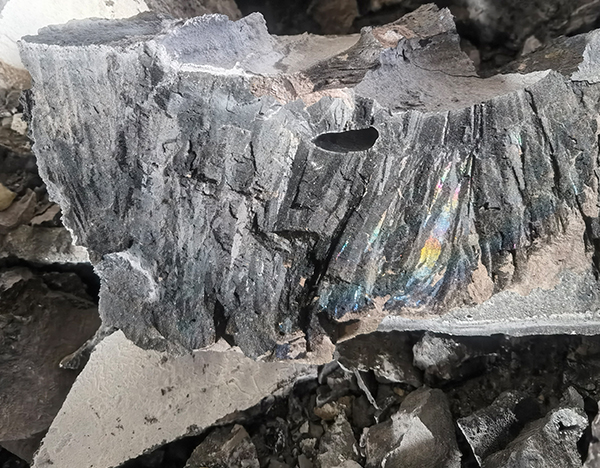
A leading steel producer in Xinjiang implemented an optimized calcium carbide desulfurization process based on precise control of injection parameters and temperature stabilization. Before optimization, sulfur content averaged 0.015% in the final steel. After refining the process — including consistent carbide quality control, dosage calibration, and enhanced stirring protocols — sulfur content was reduced to below 0.008%, representing a 47% improvement. This enhancement led to substantial cost savings by reducing scrap rates and increasing the yield of high-grade steel products.
| Issue | Cause | Recommended Solution |
|---|---|---|
| Incomplete Sulfur Removal | Low CaC₂ reactivity or inadequate mixing | Ensure high-quality carbide supply and improve molten steel stirring via mechanical or gas stirring systems |
| Excessive Carbide Consumption | Overdosing or carbide impurities | Monitor dosing control with real-time sampling; procure certified carbide grades with clear impurity specs |
| Slag Formation Issues | Residue CaS and unreacted carbide accumulating | Optimize temperature and reaction time; integrate slag removal protocols post desulfurization |
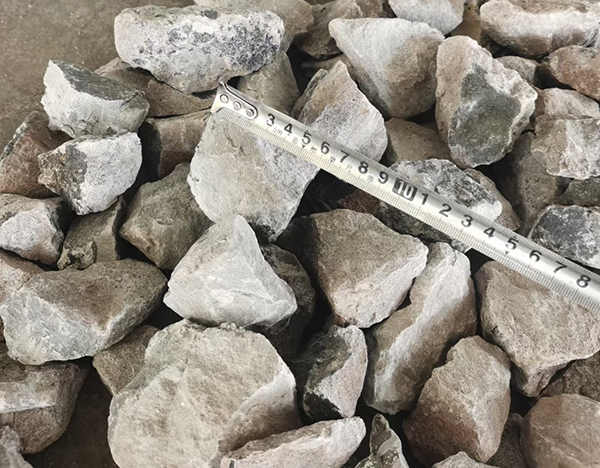
Recent advancements in calcium carbide production focus on enhancing purity and particle size distribution to improve reaction rates and reduce environmental impact. Simultaneously, coupling CaC₂ desulfurization with real-time monitoring and automation increasingly empowers steel plants to fine-tune processes dynamically. Integration with emerging green steel initiatives further highlights the need for sustainable raw materials that minimize secondary pollutants during desulfurization. Reliable suppliers who maintain stringent quality control and certification are becoming indispensable partners in this evolving landscape.
 204
|
204
|
 calcium carbide desulfurization
electric carbide steel desulfurization
steel quality improvement
Xinjiang steel plant case
desulfurization process optimization
74
|
calcium carbide shipment
industrial chemical logistics
Shanghai to Ghana trade
40
|
Safe use of calcium carbide
Risk avoidance of calcium carbide
Safety of calcium carbide
Prevention of acetylene explosion
Protection against phosphine poisoning
427
|
calcium carbide safety
acetylene explosion prevention
phosphine hazard in calcium carbide
safe handling of calcium carbide
high purity calcium carbide
145
|
calcium carbide production
high purity calcium carbide
industrial calcium carbide applications
calcium carbide desulfurization
electric carbide steel desulfurization
steel quality improvement
Xinjiang steel plant case
desulfurization process optimization
74
|
calcium carbide shipment
industrial chemical logistics
Shanghai to Ghana trade
40
|
Safe use of calcium carbide
Risk avoidance of calcium carbide
Safety of calcium carbide
Prevention of acetylene explosion
Protection against phosphine poisoning
427
|
calcium carbide safety
acetylene explosion prevention
phosphine hazard in calcium carbide
safe handling of calcium carbide
high purity calcium carbide
145
|
calcium carbide production
high purity calcium carbide
industrial calcium carbide applications





.png?x-oss-process=image/resize,h_600,m_lfit/format,webp)